Have you ever heard of a Desert Opium Bird? It’s a fascinating creature that few people know about, but once you learn its secrets, you won’t be able to look away.
This bird isn’t just another desert dweller—it has unique habits and surprising traits that can change the way you think about nature. Keep reading, and you’ll discover why the Desert Opium Bird stands out in the animal world and why it might just become your new favorite mystery to explore.
Desert Opium Bird Basics
The Desert Opium Bird is a unique bird found in dry areas. It is known for its unusual habits and appearance.
This bird plays an important role in its ecosystem. Learning about it helps us understand desert wildlife better.
Physical Characteristics
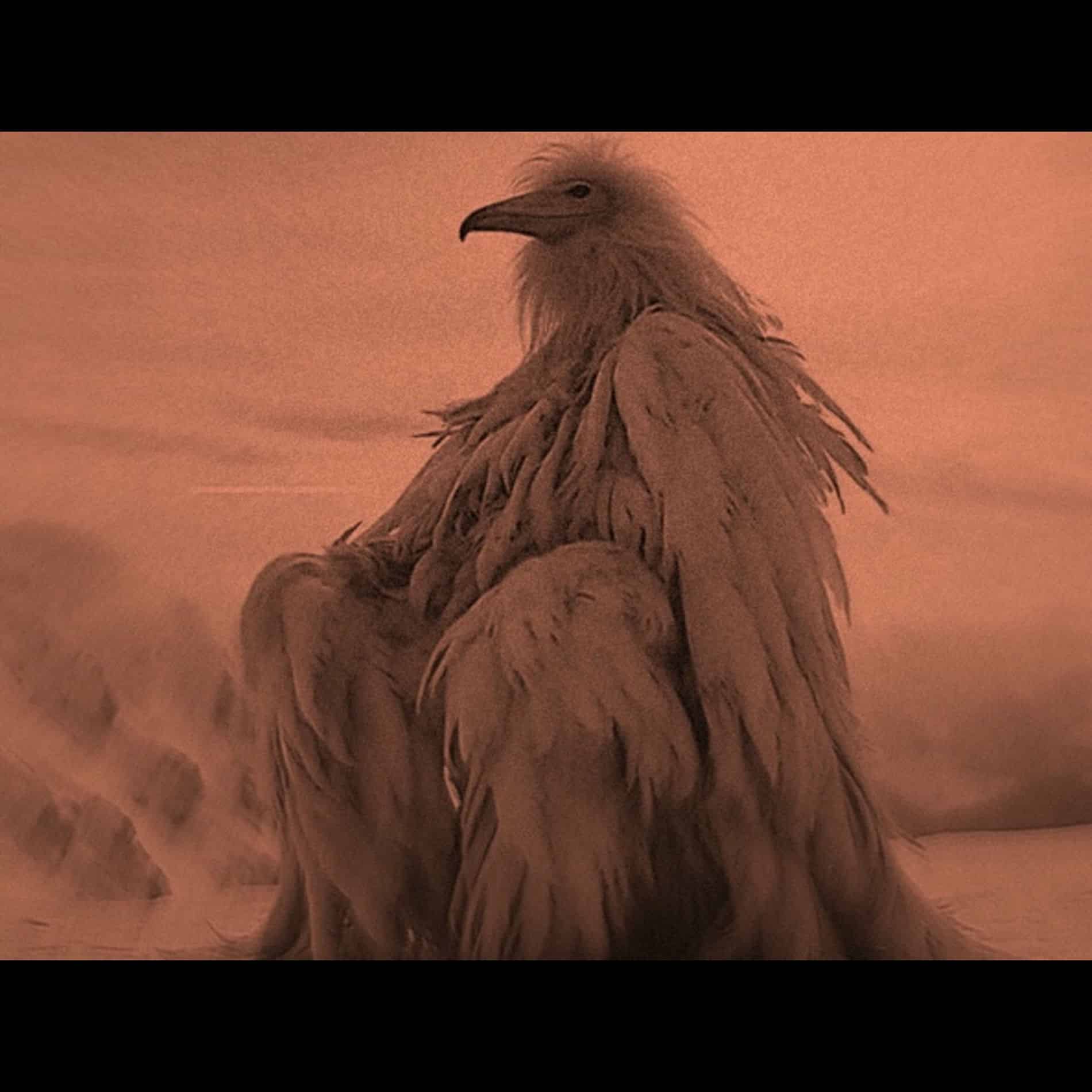
The Desert Opium Bird has medium size and smooth feathers. Its colors help it blend with the desert sand.
It has a strong beak used to eat seeds and insects. Its legs are long for walking on hot ground.
- Medium-sized body
- Sand-colored feathers
- Strong, curved beak
- Long legs for desert walking
Habitat And Range
The Desert Opium Bird lives in hot, dry deserts. It prefers areas with few plants but some water sources.
This bird is found in parts of North Africa and the Middle East. It can survive in places with little rain.
- Hot desert regions
- Areas with sparse vegetation
- Near rare water spots
- North Africa and Middle East
Behavior And Lifestyle
The Desert Opium Bird is active during early morning and late evening. It rests during the hottest part of the day.
This bird searches for food on the ground. It eats seeds, insects, and small plants to stay healthy.
- Active in cool parts of the day
- Ground forager for food
- Eats seeds, insects, and plants
- Uses camouflage to avoid predators

Credit: easy-peasy.ai
Unique Adaptations
The Desert Opium Bird is a rare species that lives in dry, hot places. It has many special features that help it survive where few animals can.
This article explains how this bird lives through tough weather, finds food, and protects itself.
Survival In Harsh Climates
The Desert Opium Bird survives in deserts with little water and extreme heat. It can go long days without drinking water by getting moisture from its food.
- Has special kidneys to save water
- Flies mostly at dawn and dusk to avoid heat
- Builds nests in shaded rocky areas
- Uses feathers to reflect sunlight
Feeding Habits
The Desert Opium Bird eats mainly seeds and small insects. It uses its strong beak to crack hard seed shells.
| Food Type | How It Eats | Frequency |
| Seeds | Cracks shells with beak | Daily |
| Insects | Catches with quick pecking | Several times a day |
| Plant Moisture | Extracts liquid from plants | As needed |
Camouflage And Defense
This bird blends in well with the desert sand and rocks. Its light brown feathers match the environment to hide from predators.
- Stays still to avoid being seen
- Makes loud calls to warn others
- Quickly flies away if threatened
- Uses sharp claws to protect itself
Ecological Role
The Desert Opium Bird is a unique species found in dry, sandy regions. It plays a key part in its environment by helping plants and animals survive.
This bird’s actions affect many parts of the desert ecosystem. Its role supports balance and health in harsh desert conditions.
Impact On Desert Ecosystems
The Desert Opium Bird helps spread seeds from desert plants. This helps new plants grow in empty areas. It also helps keep insect numbers under control.
- Distributes seeds across wide areas
- Controls insect populations by feeding on them
- Creates small nesting sites that other animals use
- Contributes to soil health through droppings
Interactions With Other Species
The Desert Opium Bird lives closely with many other desert animals. It shares food sources and sometimes warns others of danger. This helps many species survive together.
| Species | Type of Interaction | Benefit |
| Desert Lizards | Mutualism | Bird alerts lizards to predators |
| Desert Plants | Seed Dispersal | Plants grow in new areas |
| Insects | Predation | Keeps insect numbers balanced |
| Small Mammals | Commensalism | Use bird nests for shelter |

Credit: easy-peasy.ai
Cultural Significance
The Desert Opium Bird holds a special place in the cultures near desert regions. People respect it for its mysterious nature and unique traits.
This bird often appears in stories and traditions, showing its deep connection to local life and beliefs.
Folklore And Mythology
In many desert cultures, the Desert Opium Bird is seen as a magical creature. Legends say it can bring dreams or visions to those who see it.
Some myths describe the bird as a guide for lost travelers in the desert. It is believed to lead people to safety or hidden water sources.
- Seen as a messenger between worlds
- Linked to dreams and visions
- Believed to protect desert travelers
Symbolism In Local Traditions
The bird symbolizes peace and healing in many local customs. Its presence in ceremonies often brings hope and calmness.
Artists use the bird’s image to represent freedom and mystery in their work. It also stands for the strength to survive harsh desert life.
- Symbol of peace and healing
- Represents freedom and mystery
- Sign of survival and strength
Conservation Status
The Desert Opium Bird is a rare species found in arid regions. Its population has decreased in recent years.
Many factors affect its survival. Conservation efforts focus on protecting this unique bird.
Threats To Survival
The Desert Opium Bird faces many dangers in the wild. Loss of habitat is the biggest threat.
Other threats include hunting and climate change. These reduce their chances to live and breed.
- Habitat destruction from farming and construction
- Illegal hunting for feathers and meat
- Changing weather patterns affecting food supply
Protection Efforts
Groups work to save the Desert Opium Bird by creating safe areas. These zones protect the bird’s home.
Education programs teach people to value this bird. Researchers also study its habits to help conservation.
- Establishing protected reserves
- Raising public awareness
- Scientific monitoring of populations
Challenges
Conservation faces problems like limited funding and lack of local support. These slow down protection work.
Illegal activities and climate effects also make it hard to save the bird. More cooperation is needed.
- Insufficient money for conservation projects
- Illegal hunting continues despite laws
- Climate change causes habitat shifts
- Need for stronger community involvement

Credit: a-city-filled-with-memories.fandom.com
Research And Discoveries
The Desert Opium Bird is a rare species found in arid regions. Scientists study its behavior and habitat to learn more.
Research helps us understand how this bird survives in harsh desert conditions. It also reveals its role in the ecosystem.
Recent Studies
Recent studies focus on the bird’s diet and migration patterns. Researchers track movements using GPS devices.
Scientists found that the bird feeds on specific desert plants and insects. This diet helps it get enough water.
- GPS tracking shows migration routes
- Diet analysis reveals key food sources
- Behavioral studies highlight social habits
Future Research Directions
Future research will explore how climate change affects the bird’s habitat. Scientists want to predict population changes.
Researchers plan to study the bird’s breeding habits. This will help in creating better conservation plans.
- Impact of rising temperatures on survival
- Changes in food availability
- Breeding success in different desert areas
Frequently Asked Questions
What Is A Desert Opium Bird?
A Desert Opium Bird is a unique bird species found in arid desert regions. It is known for its distinct appearance and behavior. The name relates to its habitat and certain traditional uses in local cultures. It plays a key role in desert ecosystems.
Where Does The Desert Opium Bird Live?
The Desert Opium Bird primarily inhabits dry, sandy desert areas. It thrives in harsh climates with sparse vegetation. These birds adapt well to extreme temperatures and limited water sources. Their range includes deserts in the Middle East and North Africa.
Why Is It Called An Opium Bird?
The name “Opium Bird” comes from traditional associations with opium poppy fields. Locals noticed the bird’s presence near these plants. It may also refer to the bird’s calming calls or the color of its feathers. The name reflects cultural and environmental connections.
What Does The Desert Opium Bird Eat?
This bird mainly feeds on seeds, insects, and small desert plants. It forages on the ground and occasionally catches flying insects. Its diet helps control insect populations and aids seed dispersal. Food availability varies with desert seasons.
Conclusion
The Desert Opium Bird fascinates many with its unique behaviors. This bird thrives in arid lands, adapting to harsh conditions. Its survival tactics are truly remarkable. Watching these birds offers insight into nature’s resilience. They play a vital role in their ecosystem.
Understanding them helps us appreciate desert biodiversity. Their existence reminds us of nature’s wonders. Observing them can inspire curiosity about the natural world. Next time you think of deserts, remember the Desert Opium Bird. A symbol of survival and adaptation.
Learning about them enriches our knowledge of wildlife. Keep exploring nature’s hidden gems for more surprises.