
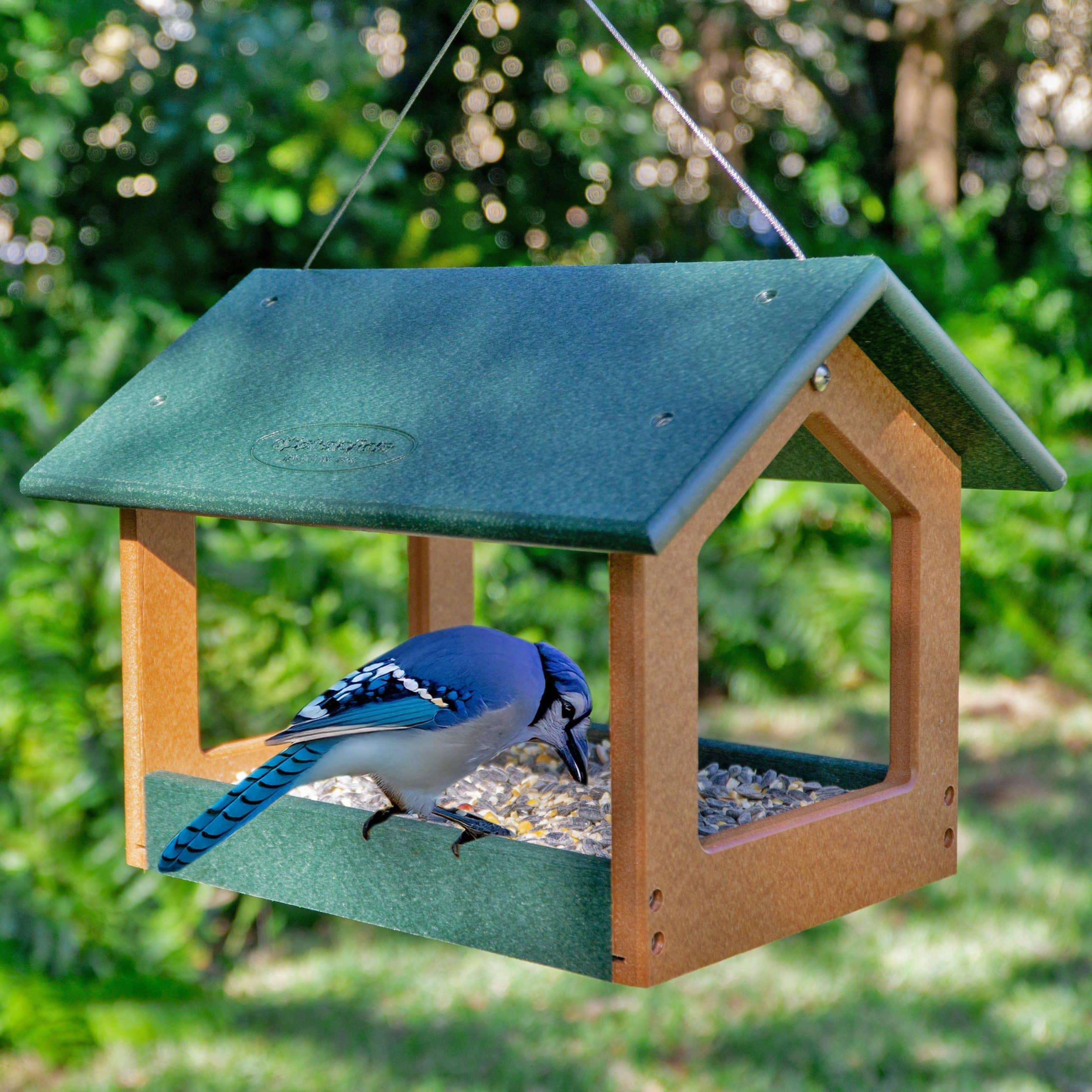
Are you looking to attract more birds to your yard but unsure which feeder works best? A hopper style bird feeder might be exactly what you need.
This type of feeder not only holds plenty of seed but also keeps it dry and fresh, making it a favorite among many bird lovers. If you want to learn how it works and why it could be the perfect addition to your backyard, keep reading.
By the end, you’ll know how to choose the right hopper feeder and enjoy watching your feathered friends visit every day.
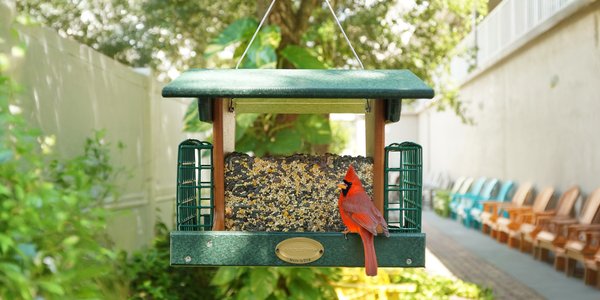
Credit: www.dutchcrafters.com
Hopper Feeder Design
A hopper style bird feeder is a popular choice for feeding wild birds. It holds seeds in a central container and releases them as birds eat. This design helps keep seeds dry and fresh.
The hopper feeder looks like a small house with a roof and clear walls. Its simple design allows many birds to feed at once without wasting food.
Basic Structure
The hopper feeder has three main parts: a seed container, a base or tray, and a roof. The seed container stores the birdseed. The base catches seeds that fall and lets birds perch. The roof protects the seeds from rain and snow.
- Seed container holds a large amount of seed
- Base or tray allows birds to land and eat
- Roof shields seeds from weather
Materials Used
| Material | Purpose |
| Wood | Provides sturdy frame and natural look |
| Plastic | Keeps seeds dry and visible to birds |
| Metal | Used for weather resistance and durability |
| Glass or Acrylic | Clear walls for seed visibility |
How It Works
Birds land on the base and peck at the seeds inside the container. Gravity helps the seeds flow down as birds eat. The roof stops rain from soaking the seeds. This keeps food fresh longer.
- Fill the hopper with birdseed through the top opening.
- Birds perch on the base to feed.
- Seeds flow downward by gravity to refill the feeding area.
- Roof protects seeds from rain and snow.
Advantages For Birds
Hopper style bird feeders offer several benefits for birds. They provide a safe and comfortable place to eat.
This type of feeder helps birds stay dry and reduces food waste. It also makes feeding easier for different bird species.
Protection From Weather
The hopper feeder has a roof that shields birds and seed from rain and snow. This keeps the food dry and fresh.
Birds can eat comfortably without getting wet or cold. The covered design also protects birds from strong winds.
Reduced Seed Waste
Seed stays inside the hopper feeder, which stops it from falling on the ground. This lowers seed loss and spoilage.
- Seed is kept dry and clean
- Less seed is wasted or eaten by pests
- Birds get more food from each refill
- The feeder holds seed in one place
Comfort And Accessibility
| Feature | Benefit for Birds |
| Wide feeding tray | Allows many birds to eat at once |
| Perches | Provide stable spots to rest |
| Clear sides | Help birds see food easily |
| Elevated design | Keeps birds safe from ground predators |
Benefits For Birdwatchers
A hopper style bird feeder is a popular choice for bird lovers. It holds a large amount of seed and protects it well. This feeder type offers many advantages for people who enjoy watching birds.
Birdwatchers find hopper feeders helpful because they attract many birds, make watching easy, and need little work to keep clean.
Attracting Diverse Species
Hopper feeders hold plenty of seeds, so many birds can visit at once. They attract a wide range of birds, from small finches to larger cardinals.
The feeder’s design protects seeds from rain, keeping food fresh. This helps attract more birds over time.
Easy Viewing
Birdwatchers can enjoy clear views of birds feeding. The transparent sides let watchers see birds from different angles.
Since many birds feed at the same time, watchers can spot more species quickly and take better photos.
Low Maintenance
Hopper feeders are easy to fill and clean. The large seed container means fewer refills are needed.
Many models open wide for quick cleaning. This helps keep seeds fresh and birds healthy with less effort.
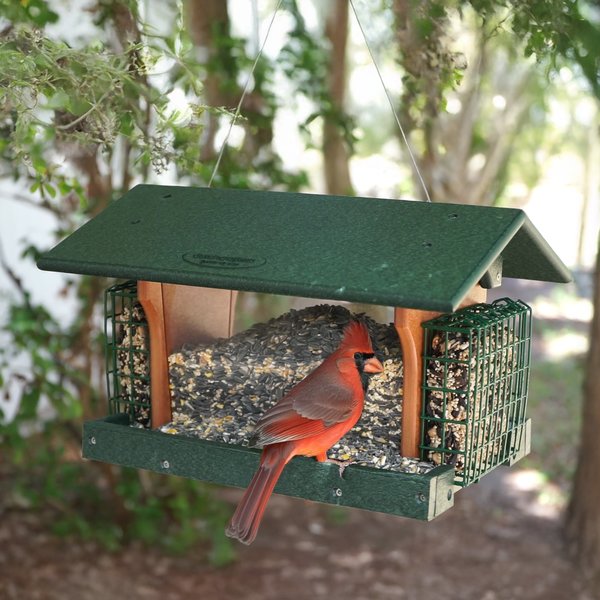
Credit: www.dutchcrafters.com
Choosing The Right Hopper Feeder
A hopper style bird feeder holds seed in a container above the feeding tray. It protects seeds from rain and snow. Choosing the right feeder helps keep birds happy and healthy.
Think about the space you have and the types of birds you want to attract. The right feeder will match your needs and last a long time.
Size And Capacity
Hopper feeders come in many sizes. Larger feeders hold more seed and need refilling less often. Small feeders are easy to clean and move.
- Large feeders suit many birds or big groups
- Small feeders fit limited spaces or few birds
- Choose based on how often you want to refill
Durability Factors
Durability is important for feeders outdoors. Look for feeders made with strong materials. They should resist weather and animal damage.
- Metal feeders last longer than plastic ones
- Wood feeders need sealant to avoid rot
- Check for rust-proof parts and sturdy design
Design Features
Design affects how easy the feeder is to use. Look for features that make filling, cleaning, and bird feeding simple.
- Clear seed containers show seed level
- Wide trays give birds space to perch
- Easy-to-remove lids help with refilling
- Weather guards keep seed dry
Feeding Tips And Best Practices
Using a hopper style bird feeder can attract many bird species. It holds a good amount of seed and keeps it dry. Proper feeding helps birds stay healthy and safe.
Follow simple tips on seed choice, placement, and cleaning. These steps make your feeder inviting and easy to maintain.
Seed Selection
Choose seeds that fit the hopper feeder design and the birds you want to attract. Different seeds attract different birds.
- Black oil sunflower seeds attract many small birds.
- Milo and millet suit ground feeders and some hopper feeders.
- Mixed seed blends offer variety but check for filler seeds.
- Avoid seeds that birds dislike, such as red millet or wheat.
Placement Tips
Place the hopper feeder where birds feel safe and you can watch easily. Consider weather and predator safety.
| Placement Factor | Tip |
| Height | Hang or mount 5 to 6 feet off the ground |
| Visibility | Place near shrubs or trees for cover |
| Sunlight | Choose shaded spots to keep seeds fresh |
| Predator Safety | Avoid places easy for cats or squirrels to reach |
Cleaning And Care
Keep the feeder clean to stop mold and disease. Clean weekly or more if wet weather occurs.
Follow this simple cleaning routine:
- Empty old seeds and debris.
- Use warm water and mild soap to scrub all parts.
- Rinse well to remove soap.
- Let the feeder dry fully before refilling.
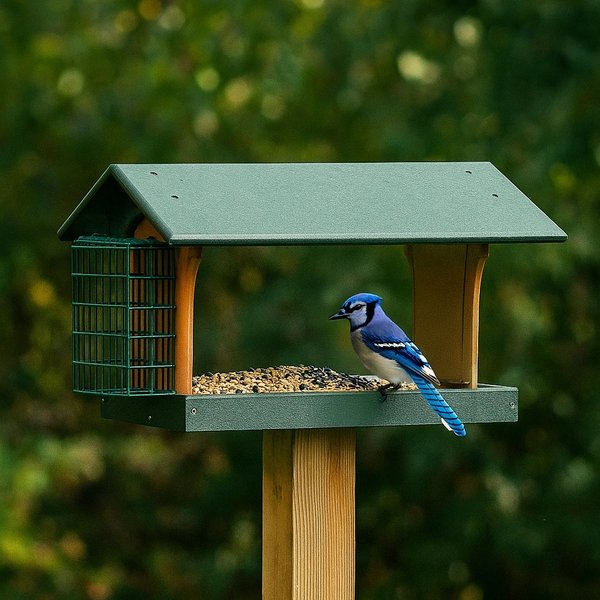
Credit: www.dutchcrafters.com
Common Issues And Solutions
Hopper style bird feeders are popular for holding a good amount of seed. They have a container that feeds birds as they eat. Like all feeders, they can have problems that need fixing.
Knowing common issues helps keep your feeder working well. This guide covers mold, squirrels, and weather challenges.
Preventing Mold And Spoilage
Mold and spoiled seed can harm birds. Moisture often causes this problem inside hopper feeders.
Check the feeder often and keep it dry. Clean it every two weeks with warm water and mild soap.
- Place the feeder where rain won’t hit it directly
- Use fresh, dry seed to avoid mold growth
- Remove old seed before adding new seed
- Ensure good air flow around the feeder
Dealing With Squirrels
Squirrels like bird seed and can empty your feeder fast. They also damage feeders trying to get food.
Use squirrel baffles and feeders designed to keep them out. Hang feeders away from branches squirrels can jump from.
- Install a baffle below or above the feeder
- Hang feeder on a thin, smooth pole
- Trim nearby tree branches to limit access
- Use seed mixes that squirrels dislike
Weather-related Challenges
Strong wind, rain, and snow can damage hopper feeders. Seed can get wet or blow away.
Place feeders in sheltered spots to protect them from bad weather. Check feeders often after storms.
- Hang feeders under eaves or tree branches
- Use feeders made of sturdy, weather-proof materials
- Clear snow off feeders quickly to avoid damage
- Secure feeders tightly to prevent swinging in wind
Frequently Asked Questions
What Is A Hopper Style Bird Feeder?
A hopper style bird feeder is a container that holds birdseed inside a central reservoir. Birds perch and eat from openings below. The feeder dispenses seed gradually, keeping it dry and fresh. Its design attracts many bird species, making it popular for backyard birdwatching.
How Does A Hopper Bird Feeder Work?
A hopper feeder works by gravity. Seed fills the central container and flows down into a feeding tray. Birds eat from the tray, and more seed refills it automatically. This prevents seed wastage and keeps food dry, making feeding efficient and convenient.
What Birds Are Attracted To Hopper Feeders?
Hopper feeders attract a variety of birds, including sparrows, finches, cardinals, and chickadees. The ample seed supply and easy access appeal to many species. Its design suits both small and medium-sized birds, making it ideal for diverse backyard bird populations.
Why Choose A Hopper Feeder Over Other Types?
Hopper feeders protect seeds from rain and spoilage better than open feeders. They reduce seed waste and keep feed dry. Their large capacity minimizes refilling frequency. This makes them practical and cost-effective for avid bird enthusiasts.
Conclusion
A hopper style bird feeder is a practical choice for bird lovers. It attracts a variety of birds with its easy access. Filling and cleaning are simple tasks, making maintenance stress-free. The feeder’s design keeps seeds fresh and dry. Birds will enjoy visiting, providing endless entertainment.
Choosing the right feeder enhances your backyard experience. Birdwatching becomes a delightful hobby for everyone. Enjoy the beauty of nature right at home. Your backyard becomes a lively sanctuary. Happy birdwatching!



