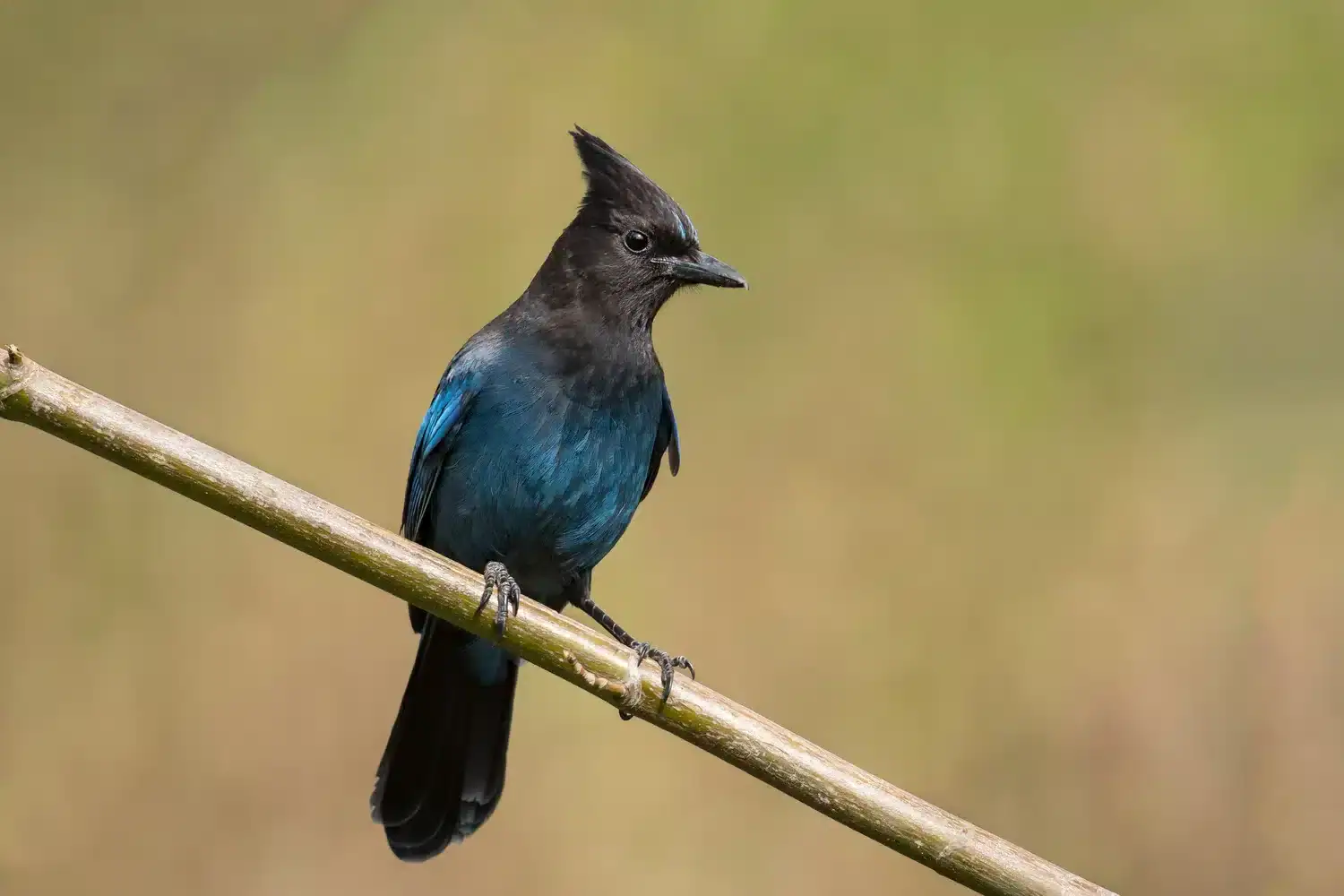
Have you ever wondered about the mysterious bird called the Mountain Jay? If you love nature and enjoy learning about unique wildlife, this bird will capture your attention.
The Mountain Jay isn’t just any bird—it has fascinating habits and a striking appearance that make it stand out in the wild. By the end of this article, you’ll know exactly what makes the Mountain Jay special and why it deserves a place on your bird-watching list.
Keep reading to discover the secrets of this remarkable bird!
Mountain Jay Characteristics
The Mountain Jay is a bird found in high mountain areas. It lives mostly in forests and rocky places. This bird is known for its beauty and unique behaviors.
Understanding the Mountain Jay’s characteristics helps us appreciate its role in nature. This includes its look, special marks, size, and weight.
Physical Appearance
The Mountain Jay has a strong, sturdy body with smooth feathers. Its colors blend well with the mountain environment. The bird shows different shades of brown and gray, which help it hide from predators.
Distinctive Features
- Sharp black eyes that can spot food from far away
- A short, strong beak for cracking seeds and nuts
- Feather tufts on the head that move when the bird is excited
- Long tail feathers that help in flying through dense forests
Size And Weight
| Characteristic | Details |
| Length | 30 to 35 cm (12 to 14 inches) |
| Wingspan | 40 to 45 cm (16 to 18 inches) |
| Weight | 120 to 150 grams (4.2 to 5.3 ounces) |

Credit: www.allaboutbirds.org
Habitat And Distribution
The Mountain Jay bird is known for living in cold, mountainous places. It is a bird that adapts well to different mountain environments. Understanding where it lives helps us learn more about its habits.
This bird prefers areas with many trees and open spaces. It moves around to find food and shelter during different seasons.
Preferred Environments
The Mountain Jay lives mainly in forests with tall trees. It likes coniferous forests that have pine, spruce, and fir trees. These trees provide it with food and safe places to build nests.
Besides forests, it also uses rocky slopes and clearings near the trees. These spots help the bird find insects and seeds easier.
- Coniferous forests with pine and fir trees
- Rocky mountain slopes
- Open clearings near wooded areas
- Places with plenty of food sources
Geographical Range
The Mountain Jay lives in many mountain ranges around the world. It is found mostly in parts of Europe and Asia. Some live in the Rocky Mountains in North America.
This bird’s range covers cold, northern areas where winters are long. It may move to lower places during heavy snow in winter.
- Mountain ranges in Europe
- Parts of northern Asia
- Rocky Mountains in North America
- Areas with cold winters and snow
Altitude Adaptations
The Mountain Jay can live at high altitudes, often above 1,500 meters. It has special ways to handle thin air and cold temperatures. Its feathers keep it warm during cold mountain nights.
This bird can find food even when snow covers the ground. It searches for seeds under trees and insects hiding in bark.
- Lives above 1,500 meters altitude
- Has thick feathers for cold weather
- Finds food under snow and tree bark
- Adapts to thin air at high heights
Behavior And Diet
The Mountain Jay is a bird found in high mountain forests. It has unique habits that help it survive in cold areas.
This bird’s diet and behavior show how it adapts to its environment. It uses smart ways to find and store food.
Feeding Habits
The Mountain Jay eats a mix of plants and small animals. It looks for food on the ground and in trees.
It often gathers seeds, nuts, berries, and insects. In winter, it stores food in hidden spots to eat later.
- Seeds and nuts are main food in autumn and winter
- Berries and insects are eaten in spring and summer
- Stores food in tree bark or under leaves
Social Behavior
Mountain Jays live in small groups or pairs. They work together to find food and watch for danger.
They are curious and smart birds. They often follow other animals to find food sources.
- Live in family groups or small flocks
- Help each other find and hide food
- Are cautious and alert for predators
Vocalizations
Mountain Jays use many sounds to communicate. Their calls warn others of danger or mark their territory.
They have loud, sharp calls and softer sounds for close contact. These help keep the group together.
- Loud calls alert others to threats
- Soft calls keep group members close
- Use different sounds for different messages
Breeding And Nesting
The Mountain Jay bird lives in high forests and mountains. It has unique ways to breed and build nests.
Understanding its breeding and nesting helps us learn more about this bird’s life cycle.
Mating Rituals
Mountain Jays perform special dances and calls to attract mates. The male shows off bright feathers.
These birds often stay in pairs during the breeding season. They keep close contact with soft sounds.
Nest Construction
The female Mountain Jay builds the nest using twigs, moss, and feathers. She picks a safe spot in trees.
The nest is cup-shaped and well hidden. It protects eggs from weather and predators.
- Twigs for structure
- Moss for softness
- Feathers for warmth
- Located high in trees
Raising The Young
Both parents feed the chicks after they hatch. They bring insects and berries to the nest.
The young stay in the nest until they can fly. Parents protect and teach them how to find food.
Conservation Status
The Mountain Jay is a bird found in high mountain forests. Its conservation status shows how safe or at risk it is.
Many factors affect the survival of the Mountain Jay. Understanding these helps protect the species.
Population Trends
The Mountain Jay population is mostly stable but varies by region. Some areas have fewer birds than before.
Scientists watch the numbers closely to see if the population grows or shrinks over time.
Threats To Survival
Mountain Jays face many dangers. These include habitat loss, climate change, and predators.
Human activities like logging also reduce their homes. This makes it hard for the birds to find food and shelter.
- Loss of forest areas
- Rising temperatures
- Predators like larger birds and mammals
- Human disturbance and pollution
Protection Efforts
Many groups work to save the Mountain Jay. They protect forests and create safe zones for the birds.
Education and laws also help reduce harm. These actions support the bird’s survival and growth.
- Forest preservation projects
- Protected natural parks
- Public awareness campaigns
- Wildlife protection laws
Credit: www.alamy.com
Interesting Facts
The Mountain Jay is a bird found in high mountain forests. It is known for its sharp mind and beautiful plumage. This bird has many unique traits that help it survive harsh conditions.
People have admired the Mountain Jay for centuries. It has a place in local stories and traditions. Comparing it with other jays shows its special role in nature.
Unique Adaptations
The Mountain Jay has strong feet to grip tree branches in windy mountain areas. Its feathers keep it warm during cold winters. It also uses sharp calls to warn other birds of danger.
- Strong feet for gripping rough branches
- Thick feathers for insulation
- Sharp, loud calls for communication
- Excellent memory to hide and find food
Cultural Significance
In some mountain communities, the Mountain Jay is a symbol of cleverness and survival. It appears in folk tales as a wise bird that helps people find lost items. Artists often paint or carve its image to show respect for nature.
| Culture | Symbolism | Use in Art |
|---|---|---|
| Alpine Villages | Wisdom and protection | Wood carvings |
| Mountain Tribes | Good luck and cleverness | Paintings and stories |
| Birdwatching Groups | Nature’s alertness | Photography and logos |
Comparisons With Other Jays
The Mountain Jay is smaller than the Blue Jay but has a softer call. It prefers high altitudes, unlike the Steller’s Jay, which lives in mixed forests. Both birds are smart, but the Mountain Jay hides food better.
- Smaller size than Blue Jay
- Softer call than Steller’s Jay
- Lives at higher mountain levels
- Better memory for food hiding

Credit: www.birdfy.com
Frequently Asked Questions
What Does A Mountain Jay Bird Look Like?
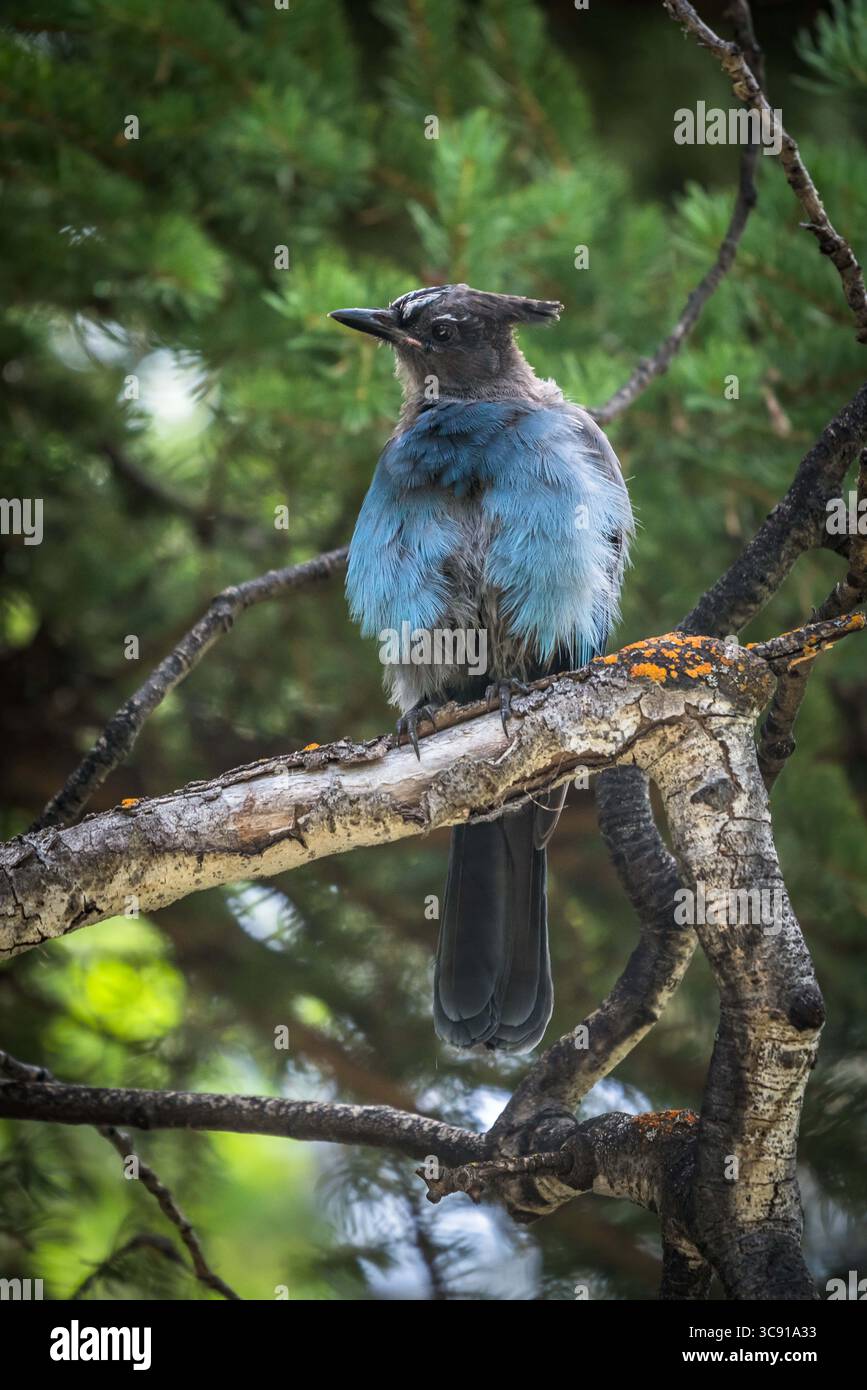
The Mountain Jay bird is medium-sized with blue-gray feathers. It has a distinctive crest and a long tail. Its plumage helps it blend into mountainous forests.
Where Do Mountain Jay Birds Live?
Mountain Jays inhabit high-altitude forests in western North America. They prefer coniferous woodlands and mountainous regions with dense tree cover.
What Does A Mountain Jay Bird Eat?
Mountain Jays mainly eat insects, seeds, and berries. They also scavenge for small animals and cache food for winter.
How Do Mountain Jay Birds Communicate?
Mountain Jays use loud, harsh calls to communicate. Their vocalizations help them warn of predators and maintain social bonds within flocks.
Conclusion
The Mountain Jay bird is truly fascinating and charming. Its vibrant colors and lively nature capture attention. These birds thrive in forested areas, bringing joy to observers. Understanding their habits helps us appreciate their role in nature. Observing them offers relaxation and a deeper connection to wildlife.
Remember to respect their habitat while enjoying their beauty. Learning about Mountain Jays enhances our knowledge of avian species. Next time you spot one, take a moment to enjoy its presence. Nature’s wonders are always worth exploring. Keep watching, learning, and appreciating these incredible creatures.