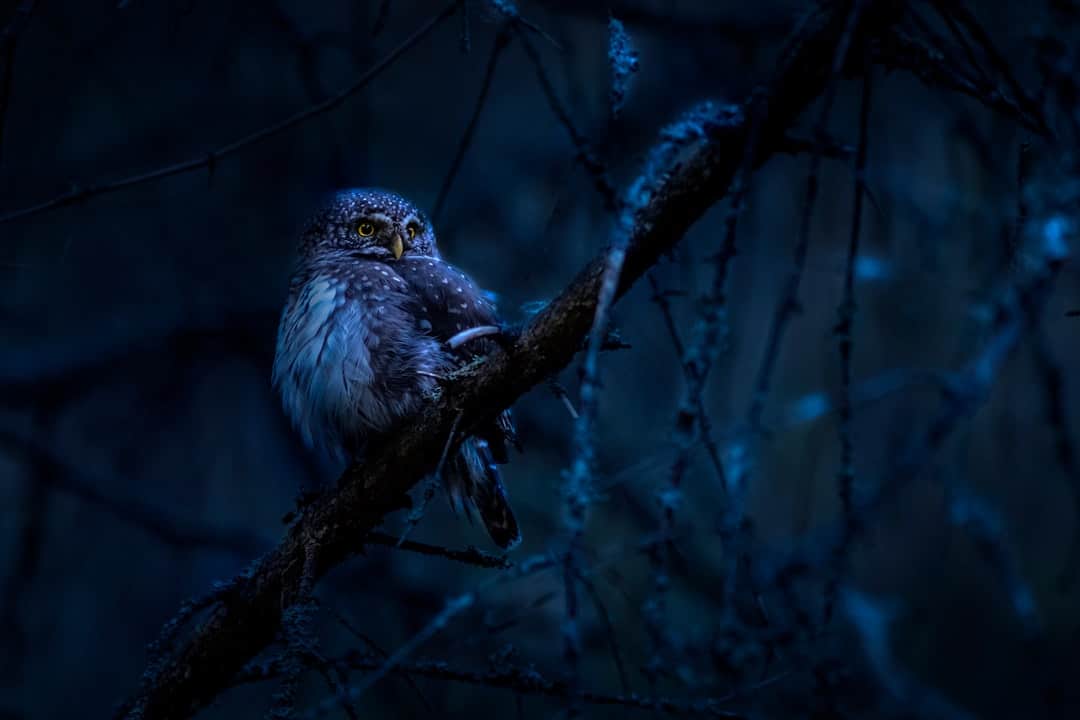
Have you ever wondered what creatures come alive in the forest after dark? Nocturnal forest birds are some of the most mysterious and fascinating animals you’ve probably never noticed.
These birds thrive in the nighttime, using unique skills to hunt, navigate, and survive while the world sleeps. If you want to uncover their secrets and understand why they matter to our forests, keep reading. Your curiosity about these night-dwelling birds is about to be rewarded.
Nocturnal Birds In Forests
Nocturnal birds live and hunt during the night. They are mostly found in forests where they find food and shelter.
These birds have special traits that help them move and see in the dark. Many people find them mysterious because they are rarely seen in daylight.
Traits Of Night Flyers
Nocturnal birds have traits that help them fly and hunt at night. They are usually silent flyers to catch prey quietly.
They have sharp hearing and eyes that can see well in low light. Their feathers often help them blend into the night forest.
- Silent wings for quiet flight
- Large eyes for better night vision
- Strong sense of hearing
- Camouflaged feathers
Common Species
Many species of birds live in forests and are active at night. Owls are the most well-known nocturnal forest birds.
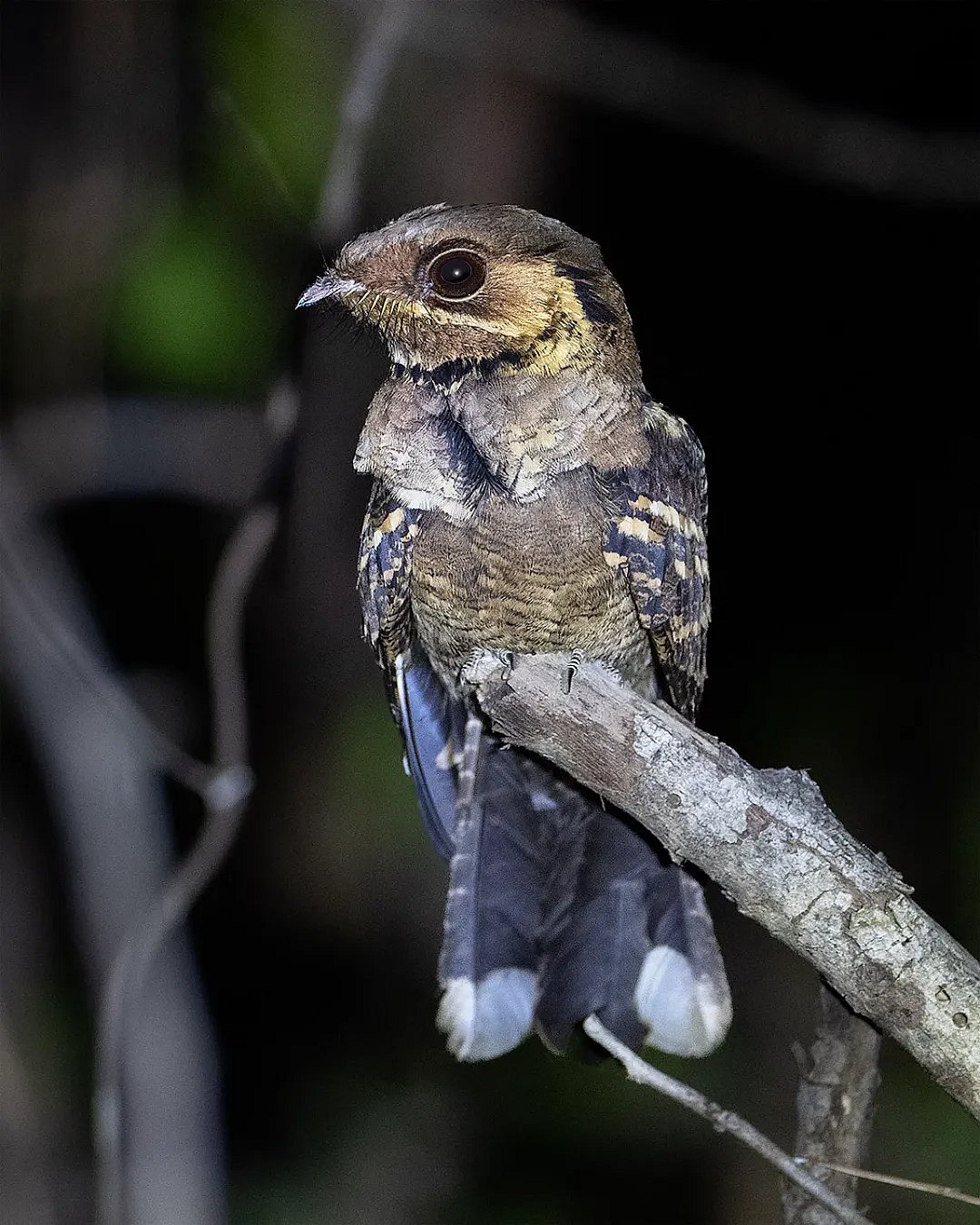
Other nocturnal birds include nightjars and potoos. These birds catch insects and small animals in the dark.
- Owls
- Nightjars
- Potoos
- Frogmouths
Adaptations For Darkness
Nocturnal forest birds have special adaptations to live in dark environments. Their eyes have many rod cells to see better at night.
They also use sounds to find prey and avoid danger. Their feathers reduce noise when they fly, making them hard to hear.
- More rod cells in eyes for night vision
- Facial discs to focus sound
- Soft feathers for silent flight
- Strong talons for catching prey

Credit: www.freepik.com
Sensory Abilities
Nocturnal forest birds live and hunt in the dark. Their senses are very sharp. These senses help them find food and stay safe at night.
They use sight, hearing, and silent flying skills. These abilities work together to help them move quietly and see well in low light.
Enhanced Vision
Nocturnal birds have large eyes. These eyes let in more light than normal. This helps them see in very dark places.
Their eyes have special cells called rods. Rods are good at detecting dim light. This makes it easier to spot prey and avoid dangers.
Acute Hearing
These birds have very sharp hearing. They can hear tiny sounds that other animals miss. This helps them find prey hidden under leaves or snow.
Their ears are placed differently on their heads. This placement helps them know exactly where a sound comes from. They use this skill to catch food in total darkness.
Silent Flight Techniques
Nocturnal forest birds fly without making noise. Their feathers have soft edges that stop sound. This lets them sneak up on prey quietly.
Their wing shape also helps. It slows down air flow and reduces noise. Silent flight keeps them safe from predators and helps them hunt better.
Behavior And Habits
Nocturnal forest birds live mostly at night. They have unique habits that help them survive in dark forests.
These birds rely on their senses and special behaviors to find food, communicate, and raise young.
Feeding Patterns
Nocturnal forest birds hunt or forage when it is dark. They eat insects, small animals, and fruits.
Many use sharp eyesight or hearing to find food in the night. Some catch prey while flying silently.
- Hunt flying insects using quick movements
- Search tree bark and leaves for bugs
- Feed on fruits that fall during the night
- Some may eat small rodents or frogs
Communication At Night
These birds use calls and sounds to talk in the dark. Their calls help them find mates and warn of danger.
Some species use soft hoots or whistles. Others have sharp calls that travel far through the forest.
- Use low sounds to avoid predators
- Call to attract mates during mating season
- Signal territory to other birds
- Respond to calls of their flock or family
Breeding And Nesting
Nocturnal forest birds build nests in trees or hidden places. They lay eggs and care for their young at night.
Parents take turns watching the eggs and feeding chicks. This helps keep the young safe from predators.
- Choose quiet, hidden spots for nests
- Lay small clutches of eggs
- Both parents help raise the chicks
- Young learn to fly and hunt before daylight
Ecological Role
Nocturnal forest birds play a vital part in forest ecosystems. They are active at night and help keep the forest healthy.
These birds contribute to many natural processes that support other plants and animals.
Pest Control
Nocturnal birds eat many insects that damage trees and plants. Their hunting reduces pest numbers naturally.
- They feed on moths, beetles, and caterpillars.
- They control insect populations without chemicals.
- This helps prevent outbreaks of harmful pests.
Seed Dispersal
These birds eat fruits and carry seeds far from the parent trees. This spreads plants across the forest.
| Bird Species | Type of Seeds Dispersed | Distance Carried |
| Nightjar | Berry seeds | Up to 1 km |
| Owlet-nightjar | Fig seeds | 500 meters |
| Oilbird | Oil palm seeds | Over 2 km |
Maintaining Forest Balance
Night birds keep the forest balanced by eating both insects and fruits. They help plants grow and control pests.
Key ways nocturnal birds maintain balance:
- Control insect populations
- Help plant reproduction through seed dispersal
- Serve as prey for larger night predators
- Support nutrient cycling by their droppings
Threats And Conservation
Nocturnal forest birds face many dangers in their homes. People work to save these special birds from harm.
Protecting these birds helps keep forests healthy and full of life at night.
Habitat Loss
Many nocturnal forest birds lose their homes because forests are cut down. Trees fall to build towns and farms.
Without forests, these birds cannot find food or safe places to live and raise their young.
- Logging reduces forest areas
- Farming clears bird habitats
- Urban growth shrinks natural homes
Light Pollution
Bright lights from cities and streets confuse nocturnal birds. These birds rely on darkness to hunt and navigate.
Light pollution can change their behavior and make it harder to find food or avoid predators.
- Streetlights disturb natural night cycles
- Bright buildings confuse bird navigation
- Lights attract insects away from birds
Protection Efforts
People protect nocturnal birds by saving forests and reducing light pollution. Laws help keep bird homes safe.
Communities plant trees and use special lights that do not bother night wildlife.
- Create protected forest areas
- Use dimmer, bird-friendly lighting
- Educate people about nocturnal birds

Credit: www.outlooktraveller.com
Spotting Nocturnal Forest Birds
Nocturnal forest birds are active at night. They hide during the day in trees and bushes.
Watching these birds takes patience and the right approach. You need to know when and how to look for them.
Best Times To Observe
The best time to see nocturnal forest birds is just after sunset and before sunrise. These hours are called dawn and dusk.
- Start watching 30 minutes after sunset
- Look for birds before sunrise
- Avoid nights with a full moon, as birds may be less active
- Check weather; clear skies are best for spotting
Equipment And Tips
Using the right tools helps you see and hear nocturnal birds better. Always stay quiet and move slowly.
| Equipment | Purpose |
| Flashlight with red filter | Protects your night vision and does not scare birds |
| Binoculars | Helps see birds at a distance |
| Recording device | Captures bird calls for later study |
| Warm clothing | Keeps you comfortable during cool nights |
Ethical Watching
Watching birds at night needs care. You must respect their space and safety.
- Do not shine bright lights directly at birds
- Keep noise to a minimum
- Stay on paths to avoid disturbing nests
- Never try to catch or feed the birds
- Leave no trash behind
Credit: www.outlooktraveller.com
Frequently Asked Questions
What Defines A Nocturnal Forest Bird?
A nocturnal forest bird is active during the night. It has adaptations like keen night vision and silent flight. These birds are often found in dense forests. They rely on their hearing and sight to hunt in the dark.
Why Do Nocturnal Birds Choose Forests?
Forests provide ample cover and hunting grounds at night. The dense canopy helps them avoid predators. It also offers a rich variety of prey. Nocturnal birds use the forest's natural sounds to communicate and hunt efficiently.
How Do Nocturnal Birds Navigate In Darkness?
Nocturnal birds use enhanced vision and acute hearing. Their eyes are adapted to low light conditions. They also have specialized feathers for silent flight. These adaptations help them locate prey and avoid obstacles.
Are Owls The Only Nocturnal Forest Birds?
No, owls are not the only ones. Other birds like nightjars and nighthawks are also nocturnal. These birds share similar adaptations for night activity. They are all skilled hunters with specialized features for nighttime survival.
Conclusion
Nocturnal forest birds play a special role in nature’s night world. They use their sharp senses to find food and avoid danger. These birds help keep forests healthy by controlling insects and spreading seeds. Watching them teaches us about life after dark.
Understanding these birds reminds us to protect their homes. Every forest sounds different because of them. Their silent flights and soft calls add mystery to night. Keep exploring and appreciating these unique creatures. They show how nature thrives even when we sleep.