What is a Non-Perching Bird? A 2026 Ornithology Guide
Have you ever wondered why some birds never seem to settle on branches like others do? Understanding what is a Non-Perching Bird is can change the way you see the bird world around you.
These birds have unique habits and features that set them apart. By knowing more about them, you’ll unlock fascinating secrets about their behavior and how they survive. Keep reading to discover what makes non-perching birds so special and why they matter to your experience with nature.
Non-Perching Birds Explained
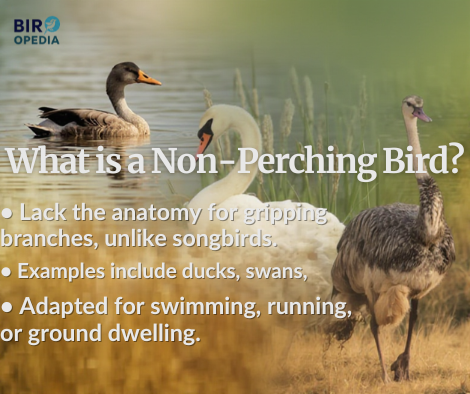
Non perching birds are birds that do not have feet designed to grip branches tightly. They spend most of their time walking, swimming, or flying instead of sitting on branches.
These birds have different foot shapes and behaviors compared to perching birds. Understanding these differences helps us learn more about their lives and habitats.
Characteristics Of Non-Perching Birds
Non perching birds often have feet shaped for walking, swimming, or running. Their toes may be spread out or webbed, not curved for gripping branches.
They usually have strong legs to support walking or swimming. Their claws are less sharp since they do not need to hold onto branches.
- Feet adapted for walking or swimming
- Toes spread apart or webbed
- Strong legs for movement on land or water
- Claws less curved and sharp
Differences From Perching Birds
Perching birds have feet designed to grip branches tightly. Their toes curl around branches to hold them securely while resting or sleeping.
Non perching birds cannot grip branches well. They prefer to stay on the ground, in water, or fly instead of perching on trees.
- Perching birds have curved toes for gripping
- Non perching birds have toes for walking or swimming
- Perching birds rest on branches
- Non perching birds rest on ground or water
Common Types Of Non-Perching Birds
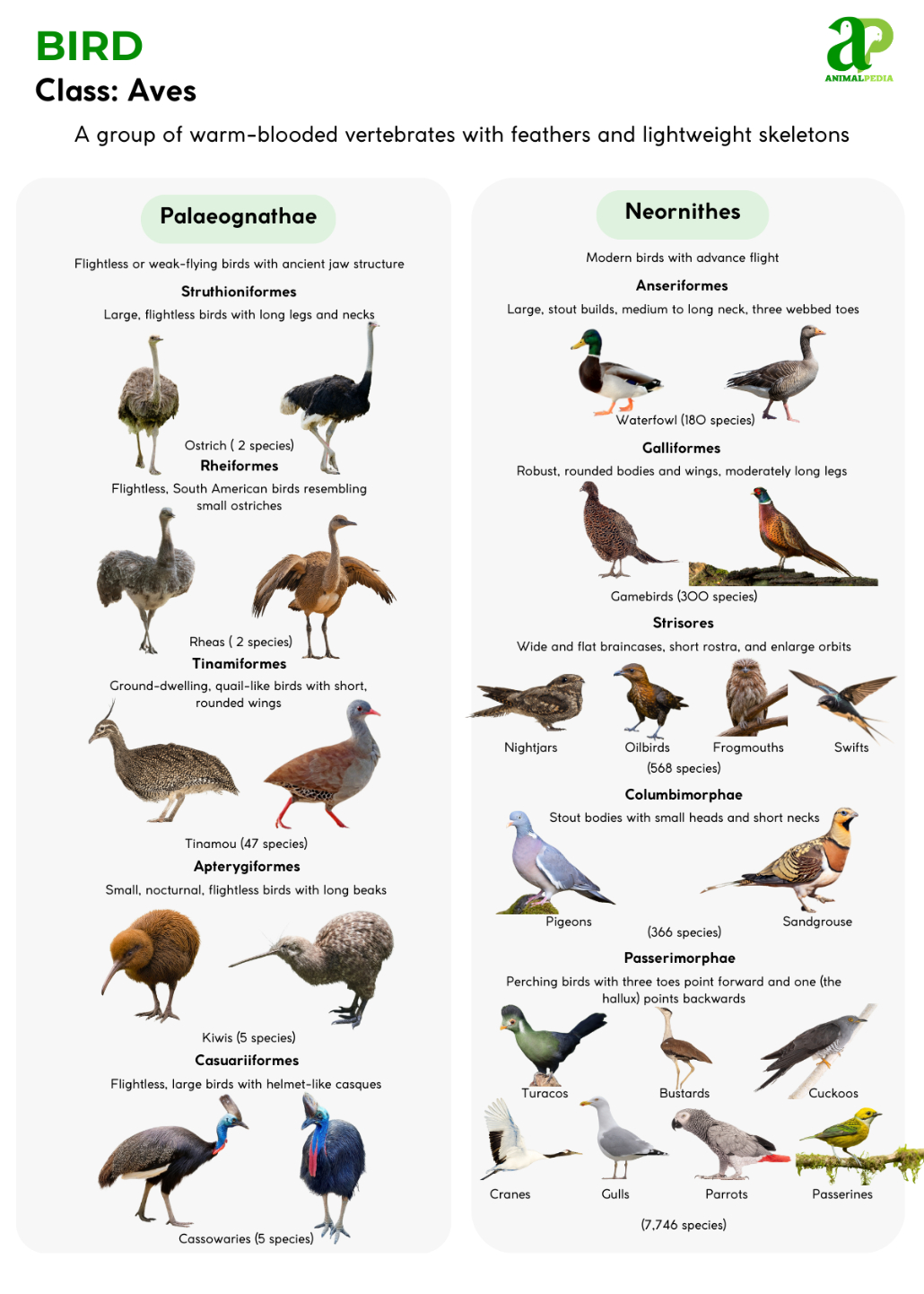
Non perching birds are birds that do not have feet designed for gripping branches. They often live in different habitats and have unique body shapes. These birds include water birds, birds of prey, and flightless birds.
Each group of non-perching birds has special traits that help them survive. Learning about these types helps us understand the bird world better.
Waterfowl And Shorebirds
Waterfowl are birds that live near lakes, rivers, and wetlands. They have webbed feet to swim well. Ducks, geese, and swans are common waterfowl.
Shorebirds live along beaches and mudflats. They have long legs and beaks to find food in sand or mud. Examples include sandpipers and plovers.
- Ducks
- Geese
- Swans
- Sandpipers
- Plovers
Birds Of Prey
Birds of prey hunt other animals for food. They have sharp talons and strong beaks. Eagles, hawks, and owls belong to this group.
These birds fly high and use their keen eyesight to spot prey. They catch animals like fish, rodents, and small birds.
- Eagles
- Hawks
- Owls
Flightless Birds
Flightless birds cannot fly. Their wings are small or weak. They walk or run on land instead.
Examples include ostriches, emus, and penguins. These birds live in different places like deserts and cold oceans.
- Ostriches
- Emus
- Penguins
Adaptations Of Non-Perching Birds
Non perching birds have unique features that help them survive. They differ from perching birds in their feet and habits. These birds show special changes in their bodies and behavior.
Understanding these adaptations helps us learn how they live and find food. Their feet, habitats, and feeding ways are all designed for their lifestyle.
Feet And Claw Structures
Non perching birds have strong feet with claws made for gripping or walking. Their feet are often flat or webbed. These help them move on the ground or swim in water.
- Webbed feet for swimming in ducks and swans
- Strong claws for walking or running in birds like ostriches
- Flat feet to support weight on soft ground
- Claws shaped for catching prey in birds of prey
Habitat Preferences
Non perching birds live in many places. They prefer open areas or water. Their habitats suit how they move and find food.
| Habitat Type | Examples of Birds | Reason for Preference |
| Wetlands | Ducks, Geese | Easy access to water and food |
| Grasslands | Ostriches, Bustards | Wide open space for running |
| Deserts | Roadrunners | Adapted to hot, dry conditions |
| Forests (ground) | Turkeys, Pheasants | Good cover and food on ground |
Feeding Behaviors
Non perching birds eat in many ways. Some hunt, others graze or forage. Their beaks and feet help them get food easily.
Common feeding methods include:
- Swimming and diving to catch fish
- Running fast to catch insects or small animals
- Pecking or grazing on plants and seeds
- Using sharp claws to catch prey
Credit: wildlifevagabond.com
Importance In Ecosystems
Non perching birds play important roles in many ecosystems. They help keep nature balanced and healthy. These birds live and feed in different ways than perching birds.
Understanding their role helps us protect wildlife and the environment. Their actions support many other species and natural processes.
Role In Food Chains
Non perching birds are key parts of food chains. They act as predators, prey, and scavengers. This helps control animal populations and recycles nutrients.
Some eat fish, insects, or small animals. Others feed on dead plants or animals. Their diets vary but all help keep ecosystems balanced.
- They reduce insect pests by eating many bugs
- They serve as food for larger predators
- They clean the environment by eating carrion
Contribution To Biodiversity
Non perching birds add to the variety of life in ecosystems. They have unique traits and behaviors that fill different roles. This diversity helps ecosystems resist change and recover from damage.
Protecting these birds supports many plants and animals. Their presence shows a healthy environment. Losing them can cause problems for other species.
- They help spread seeds and pollen
- They create habitats for other animals
- They keep some animal populations in check
Challenges Faced By Non-Perching Birds
Non perching birds face many problems that affect their survival. These birds do not have feet designed for grasping branches.
The challenges include changes to their homes, weather shifts, and human actions. These make life hard for them.
Habitat Loss
Many non-perching birds lose their homes because of cutting down trees and building cities. This means fewer places to live and find food.
Wetlands, grasslands, and open water areas also disappear, which are important for some species.
- Deforestation removes nesting areas
- Urban growth reduces hunting grounds
- Drainage of wetlands cuts feeding spots
Climate Change Effects
Changing weather patterns affect where non perching birds can live. Some areas become too hot or dry for them.
Migration timing may change, causing problems in finding food or safe places to stop along their route.
- Temperature rise reduces insect food supply
- Unpredictable storms harm nests and young
- Shifts in seasons confuse migration habits
Human Interference
Humans affect non perching birds by polluting air, water, and land. Chemicals and waste harm their health.
Noise and light pollution disturb their natural behavior and make it hard to rest or hunt.
- Pollution contaminates food and water sources
- Loud noises scare birds away from habitats
- Light pollution disrupts night activities
Conservation Efforts
Non perching birds face many dangers in the wild. Conservation helps protect these birds and their homes. Efforts focus on safe places, breeding, and community support.
These efforts aim to keep non perching bird populations strong. Each method plays a key role in their survival and growth.
Protected Areas
Protected areas provide safe habitats for non-perching birds. These zones limit human activity to reduce threats. Many parks and reserves serve as shelters.
- National parks with restricted access
- Wildlife reserves dedicated to bird species
- Wetlands protected from pollution and development
- Marine areas where sea birds can feed safely
Breeding Programs
Breeding programs help raise young birds in safe settings. They work to increase numbers of endangered species. These programs also study bird health and behavior.
| Program | Focus Species | Location |
| Avian Recovery | Albatross | Coastal Centers |
| Flight Safe | Pelicans | Wildlife Sanctuaries |
| Sky Nest | Seagulls | Island Reserves |
Community Involvement
Local communities help protect non perching birds by joining conservation actions. Education and volunteer work raise awareness. People learn to reduce harm to birds.
Ways communities contribute:
- Organizing clean-up events near bird habitats
- Building safe nesting sites
- Reporting illegal hunting or egg collecting
- Teaching children about bird conservation
Credit: animal-pedia.org
Frequently Asked Questions
What Defines A Non-perching Bird?
A non-perching bird is one that lacks the physical traits to grip branches. They typically have feet adapted for walking or swimming, not grasping. Examples include ducks and ostriches, which spend more time on the ground or in water than on trees.
How Do Non-perching Birds Differ From Perching Birds?
Non-perching birds usually have flat or webbed feet, unlike the curved claws of perching birds. Their legs are adapted for running or swimming rather than gripping branches. This difference affects their habitat, behavior, and nesting habits significantly.
Can Non-perching Birds Perch At All?
Most non-perching birds cannot perch due to their foot structure. Their feet are not designed to wrap around branches or wires. Instead, they may rest on flat surfaces or in water, depending on their species and environment.
What Are Common Examples Of Non-perching Birds?
Common non-perching birds include ducks, swans, ostriches, and emus. These birds have feet adapted for swimming or running. They are found in diverse habitats like wetlands, grasslands, and deserts.
Conclusion
Non perching birds are fascinating creatures. They have unique features. Unlike perching birds, they lack grasping toes. This affects their behavior and habitats. They often swim, run, or wade instead. Examples include ostriches, penguins, and flamingos. Understanding these birds helps us appreciate nature’s diversity.
Their adaptations are essential for survival. Next time you see one, notice their special traits. Observe how they thrive without perching. Such birds remind us of nature’s wonders. Exploring their world can be exciting and educational. Keep discovering more about these unique creatures.
Nature holds endless surprises. Embrace the adventure!