
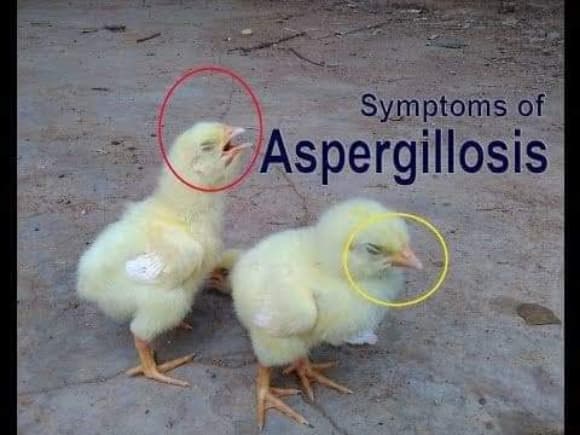
Have you ever noticed your bird acting unusually tired, struggling to breathe, or losing weight without a clear reason? These could be signs of a hidden illness called Aspergillosis.
If you care about your feathered friend’s health, understanding this disease is crucial. You’ll learn what Aspergillosis is, how it affects birds, and what you can do to protect your pet. Keep reading to discover the essential facts every bird owner needs to know.

Credit: www.magonlinelibrary.com
Aspergillosis In Birds
Aspergillosis is a common fungal infection that affects birds. It happens when birds breathe in spores from the Aspergillus fungus.
This disease can harm the bird’s lungs and air sacs. It is a serious health issue for many bird species.
Causes Of Aspergillosis In Birds
Aspergillosis is caused by the Aspergillus fungus. This fungus grows in damp, warm, and dirty places like old food, bedding, or soil.
Birds get infected by breathing in the tiny spores that float in the air. These spores settle in their respiratory system and cause illness.
Symptoms Of Aspergillosis In Birds
- Difficulty breathing or rapid breathing
- Loss of appetite
- Weight loss
- Swelling of the air sacs
- Lethargy and weakness
- Discharge from the nose or mouth
Diagnosis Of Aspergillosis
Veterinarians check for symptoms and use tests to find Aspergillosis. They may take blood tests, X-rays, or samples from the bird’s respiratory tract.
Treatment Options For Aspergillosis
| Treatment | Description |
| Antifungal Medication | Drugs to kill the fungus inside the bird’s body |
| Supportive Care | Oxygen therapy and fluids to help breathing and hydration |
| Clean Environment | Removing mold and spores from the bird’s living area |
- Keep bird cages clean and dry
- Remove old food and damp bedding often
- Use fresh air and good ventilation
- Avoid areas with mold or dampness
- Check birds regularly for signs of illness
Common Symptoms
Aspergillosis is a fungal infection that affects birds. It mainly impacts their respiratory system. Knowing the common symptoms can help catch the disease early.
Birds with aspergillosis often show signs that affect how they breathe, behave, and look. Watch for these symptoms to keep your bird safe.
Respiratory Signs
Respiratory problems are the most common signs of aspergillosis in birds. The fungus grows in the lungs and air sacs, causing trouble breathing.
Birds may have noisy breathing, coughing, or wheezing. They might also breathe faster or with their mouth open.
- Labored or heavy breathing
- Frequent coughing or sneezing
- Noisy breathing or wheezing sounds
- Open-mouth breathing
- Reduced singing or vocalizing
Behavioral Changes
Birds with aspergillosis often act differently. They may become less active or hide more than usual.
Loss of appetite and reduced interest in toys or socializing are common. These changes show the bird is not feeling well.
- Less active or lethargic behavior
- Hiding or avoiding contact
- Loss of appetite
- Decreased interest in playing
- Less vocal or silent
Physical Indicators
Physical signs can also reveal aspergillosis. Birds may lose weight or have ruffled feathers.
Swollen eyes or discharge from the nose are other signs. The bird’s posture may look weak or hunched.
- Weight loss
- Ruffled or fluffed feathers
- Swollen or watery eyes
- Discharge from the nostrils
- Weak or hunched posture
Causes Of Aspergillosis
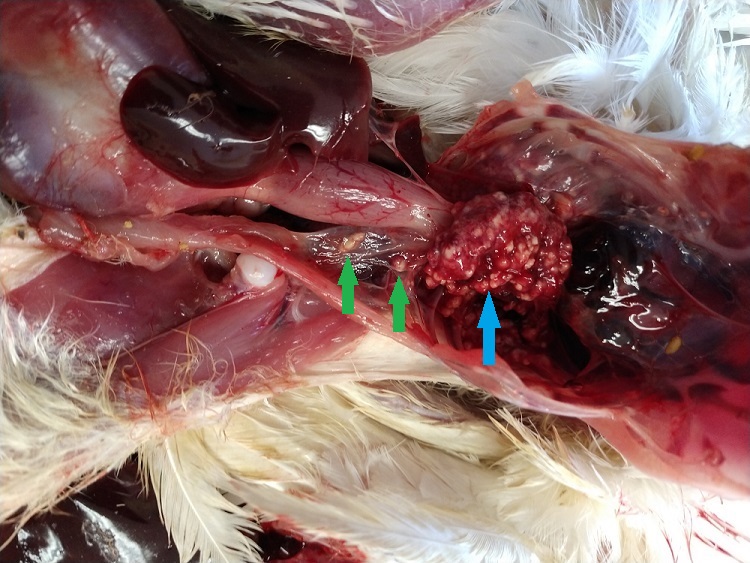
Aspergillosis is a fungal disease that affects birds. It happens when birds breathe in fungal spores. These spores can grow in their lungs and air sacs.
Understanding the causes helps to prevent this illness. Birds get exposed in different ways depending on their environment and health.
Fungal Exposure
Aspergillus fungi live in soil, dust, and decaying plants. Birds breathe in tiny spores that float in the air. These spores can settle in their respiratory system.
High spore levels increase the chance of infection. Birds with weak immune systems are more likely to get sick after exposure.
Environmental Factors
Damp and dirty places help fungi grow fast. Poor ventilation and wet bedding make spores spread more. Overcrowded cages also raise the risk.
- Moist environments support fungus growth
- Dirty cages hold more spores
- Poor airflow lets spores build up
- Overcrowding stresses birds and weakens immunity
Risk Groups
Some birds get sick more easily. Young birds and older birds have weaker defenses. Birds with other illnesses also face higher risk.
Certain species are more sensitive to Aspergillus spores. Birds kept in stressful conditions or poor nutrition have less resistance.
- Young chicks and old birds
- Birds with weakened immune systems
- Birds with other diseases
- Species sensitive to fungi
- Birds under stress or poor care
Diagnosis Methods
Diagnosing aspergillosis in birds involves several steps. It helps to find the infection early and start treatment.
Veterinarians use physical exams, lab tests, and imaging to confirm the disease.
Veterinary Examination
The vet checks the bird’s breathing and general health. They look for signs like breathing trouble, weight loss, and lethargy.
They may listen to the lungs and air sacs with a stethoscope. This helps find abnormal sounds linked to infection.
Laboratory Tests
Lab tests check samples from the bird. Blood tests can show if the bird has an infection or inflammation.
Fungal cultures and microscopic exams of respiratory secretions help find the Aspergillus fungus. These tests confirm the diagnosis.
- Blood tests for infection signs
- Fungal culture of respiratory samples
- Microscopic examination of spores
Imaging Techniques
X-rays show changes in the bird’s lungs and air sacs. They help detect fungal growth and damage.
Sometimes, more detailed scans like CT scans are used. These provide clearer pictures of the infection’s spread.
Treatment Options
Aspergillosis is a fungal infection that affects birds. Treatment is important to help birds recover and avoid serious health problems.
This guide explains the main treatment options used to fight aspergillosis in birds.
Antifungal Medications
Antifungal drugs are the main way to treat aspergillosis. They stop the fungus from growing and help clear the infection.
- Common medications include itraconazole, voriconazole, and amphotericin B.
- These drugs can be given by mouth, injection, or inhalation.
- Treatment can last for weeks or months depending on the bird’s condition.
- Veterinarians choose the medicine based on the bird’s species and infection severity.
Supportive Care
Supportive care helps the bird stay strong during treatment. It improves the bird’s comfort and healing chances.
| Supportive Care Type | Purpose |
| Oxygen Therapy | Helps birds breathe easier when lungs are affected |
| Fluid Therapy | Keeps birds hydrated and supports organ function |
| Nutrition Support | Provides energy and nutrients to boost recovery |
| Environmental Control | Reduces stress and limits exposure to fungi spores |
Recovery Challenges
Recovery from aspergillosis can be slow and difficult. Birds may face many challenges along the way.
- The fungus can damage lungs and air sacs, causing breathing problems.
- Some birds may need long-term medication to prevent relapse.
- Stress and poor immune systems can slow healing.
- Regular check-ups and monitoring are needed to track progress.
Prevention Tips
Aspergillosis is a fungal infection that affects birds. Prevention is key to keeping birds healthy and safe.
Here are practical tips to lower the risk of this disease in your bird’s environment and care.
Maintaining Clean Environment
Keep your bird’s living area clean to stop fungal growth. Remove waste and old food daily. Clean cages and perches often with safe disinfectants.
- Change bedding regularly
- Clean water and food dishes daily
- Remove moldy or damp materials
- Use dry, well-ventilated bedding
Proper Ventilation
Good airflow lowers moisture and stops mold spores from growing. Avoid tight spaces with poor air movement.
| Ventilation Tip | Reason |
| Open windows or vents | Circulates fresh air |
| Use fans if needed | Prevents dampness |
| Avoid overcrowding cages | Reduces humidity |
| Keep birdhouse dry | Blocks mold growth |
Nutrition And Care
Strong birds resist infections better. Provide balanced food and clean water daily. Watch for signs of illness and get help early.
- Fresh water change
- Nutritious, varied diet
- Regular health check
- Prompt vet visits if sick
When To Consult A Vet
Aspergillosis is a serious fungal infection in birds. It affects their respiratory system and can be life-threatening. Early detection is important for treatment success.
If your bird shows signs of illness, you should consider a vet visit. Knowing when to consult a vet helps protect your bird’s health.
Signs Of Respiratory Trouble
Birds with aspergillosis often breathe with difficulty. Watch for these symptoms:
- Rapid or labored breathing
- Open-mouth breathing or wheezing
- Persistent coughing or sneezing
- Noisy breathing sounds
Behavioral Changes
Sick birds may act differently. Look for:
- Loss of appetite or difficulty eating
- Unusual tiredness or weakness
- Less vocal or less active than usual
- Hiding or reluctance to move
Physical Symptoms To Watch For
| Symptom | What to Look For |
| Weight Loss | Noticeable thinning or feather loss |
| Swelling | Swollen areas around the eyes or beak |
| Discharge | Clear or yellow fluid from nostrils or eyes |
| Feather Condition | Ruffled or dull feathers |
When Immediate Care Is Needed
If your bird stops eating or drinking, or cannot stand, take it to a vet right away. Delays can make aspergillosis worse.
Credit: www.merckvetmanual.com

Credit: www.magonlinelibrary.com
Frequently Asked Questions
What Causes Aspergillosis In Birds?
Aspergillosis in birds is caused by inhaling fungal spores from Aspergillus species. These fungi thrive in damp, moldy environments like old bedding or spoiled feed.
What Are Common Symptoms Of Aspergillosis In Birds?
Symptoms include difficulty breathing, lethargy, weight loss, and nasal discharge. Birds may also show reduced appetite and excessive thirst.
How Is Aspergillosis Diagnosed In Birds?
Veterinarians diagnose Aspergillosis through physical exams, X-rays, and fungal cultures. Blood tests and endoscopy may also help confirm infection.
Can Aspergillosis Be Treated In Birds?
Yes, treatment involves antifungal medications and supportive care. Early diagnosis improves recovery chances, but severe cases can be fatal.
Conclusion
Caring for birds requires understanding health issues like aspergillosis. This fungal infection affects many birds. Symptoms include breathing problems and fatigue. Early detection and treatment are crucial. Regular vet check-ups help in prevention. Clean habitats reduce infection risks. Proper ventilation is essential for bird health.
Stay informed about bird health issues. This knowledge ensures a happy, healthy bird. Your bird’s well-being depends on proactive care. Always consult a vet for health concerns. Protecting your bird starts with understanding potential threats. Remember, a healthy bird brings joy and companionship.
Keep learning and keep caring.



