Unlocking Safety: What is Canker Disease in Birds: Symptoms, Causes & Cures
Have you ever noticed your bird struggling to eat or showing unusual spots in its mouth? These could be signs of canker disease, a common but serious illness in birds. Understanding what canker disease is and how it affects your feathered friend is crucial to keeping them healthy and happy. You’ll discover the key symptoms to watch for, what causes this condition, and the simple steps you can take to protect your bird. Keep reading—your bird’s well-being depends on it!
Canker Disease Basics
Canker disease is a common illness that affects birds. It mainly targets pigeons and doves but can also affect other bird species.
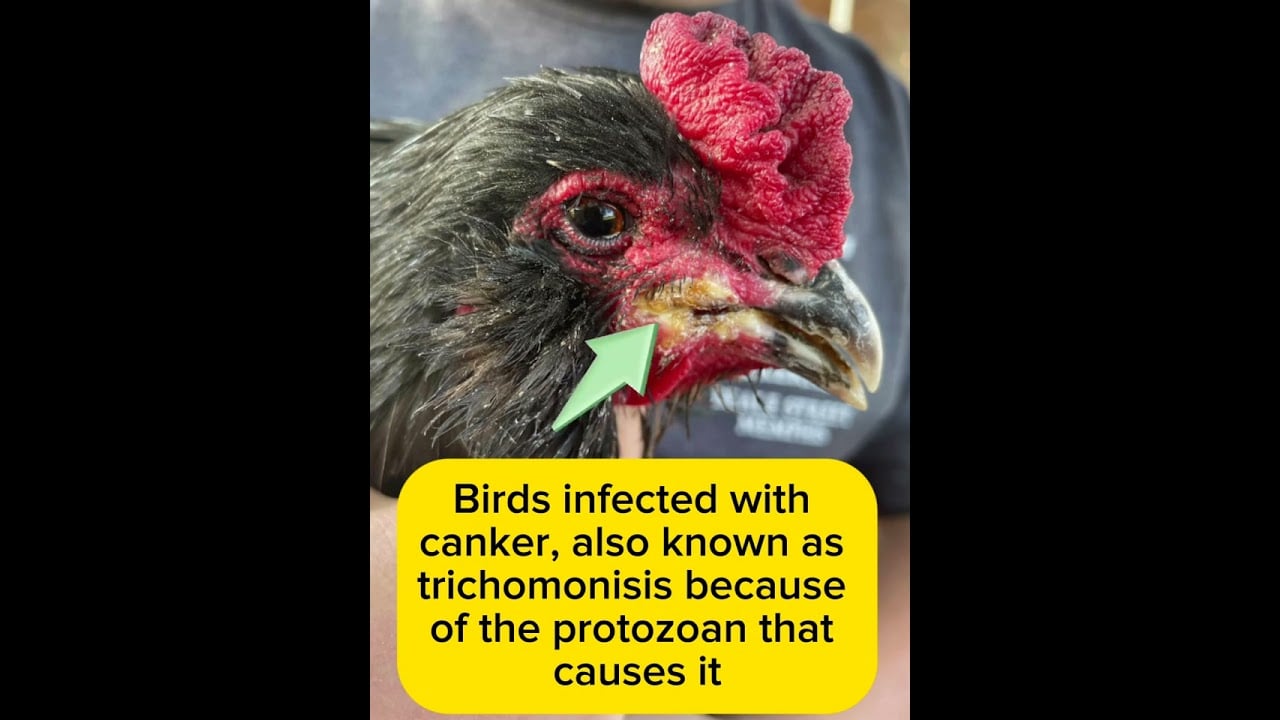
The disease causes sores and growths in the bird’s mouth and throat. These can make it hard for birds to eat and breathe.
What Causes Canker Disease?
Canker disease is caused by a parasite called Trichomonas gallinae. This tiny organism lives in the bird’s mouth and throat.
The parasite spreads through water, food, or direct contact with infected birds.
- Yellowish or white sores inside the mouth
- Difficulty swallowing or breathing
- Birds may become weak or lose weight
- Swollen throat or neck areas
- Excessive saliva or drooling
How Canker Disease Affects Birds
| Effect | Description |
| Feeding Problems | Sores cause pain, making eating hard |
| Breathing Issues | Swelling can block airways |
| Weakness | Birds lose weight and energy |
| Spread Risk | Infected birds can pass disease to others |
Preventing Canker Disease
To reduce the risk of canker disease:
- Provide clean water and food daily
- Avoid overcrowding birds in cages or aviaries
- Quarantine new birds before mixing them
- Keep feeding areas and perches clean
Symptoms To Watch For
Canker disease in birds is a common infection that affects their mouth and throat. It can cause discomfort and trouble eating if not treated early.
Knowing the symptoms helps you spot the disease quickly. Early detection improves the chances of recovery for your bird.
Early Signs
Early signs of canker disease include small white or yellow spots inside the bird’s mouth. The bird may show slight redness or swelling around these spots.
Some birds may have mild difficulty eating or may eat less than usual at this stage.
- White or yellow spots inside mouth
- Redness or swelling in the mouth area
- Reduced appetite or slight eating difficulty
Progression Indicators
As the disease grows, the spots may turn into larger patches or ulcers. These can cause pain and more severe swelling in the throat and mouth.
Breathing may become noisy or labored. The bird might also lose weight due to trouble eating properly.
- Large ulcers or patches in mouth and throat
- Swollen throat and mouth tissues
- Noisy or difficult breathing
- Weight loss from poor eating
Behavioral Changes
Birds with canker disease may act differently. They can become less active and hide more than usual.
They might also make less noise and show signs of stress or discomfort. Watch for these changes to catch the illness early.
- Less active or lethargic behavior
- Hiding or avoiding social interaction
- Reduced vocal sounds
- Signs of stress or discomfort
Common Causes
Canker disease in birds is an infection that affects their mouths and throats. It causes sores and makes it hard for birds to eat or breathe.
Many factors cause canker disease. Some come from germs, while others relate to the bird’s environment and species.
Infectious Agents
Canker disease mainly comes from a parasite called Trichomonas gallinae. This tiny organism infects the bird’s mouth and throat.
The parasite spreads through direct contact or by sharing food and water. Young birds get infected easily from their parents.
- Trichomonas gallinae parasite causes most infections
- Spread by biting, feeding, or shared water
- Young birds are more vulnerable
Environmental Factors
Poor hygiene in bird feeders and water sources helps the parasite grow. Dirty places increase the chance of infection.
Crowded living conditions stress birds. Stress weakens their immune system and makes it easier for canker to develop.
- Dirty feeders and water increase infection risk
- Crowded spaces cause stress and weaken immunity
- Warm and moist areas help parasite survive longer
Bird Species Susceptibility
Some bird species catch canker disease more often than others. Pigeons and doves get it the most.
Birds that eat soft food or feed their young by regurgitating are at higher risk. Their feeding style spreads the parasite easily.
- Pigeons and doves are highly susceptible
- Birds that feed young by regurgitation catch it more
- Birds with weak immune systems get infected faster

Credit: www.vibrantanimalhealth.com.au
Diagnosis Methods
Diagnosing canker disease in birds involves several careful steps. Early detection helps treat the illness effectively.
Experts use physical checks and lab tests to confirm the disease. They also rule out other similar conditions.
Physical Examination
Vets look for typical signs like yellowish plaques inside the bird’s mouth. They check the throat and crop for swelling or sores.
- Observe difficulty swallowing or breathing
- Check for weight loss or lethargy
- Examine the bird’s droppings for changes
Laboratory Tests
Lab tests confirm the presence of the parasite causing canker. Samples come from oral swabs or crop scrapings.
| Test Type | Description |
| Microscopic Examination | Identifies parasite under a microscope |
| Culture Test | Grows the parasite to confirm infection |
| Molecular Test | Detects parasite DNA for precise diagnosis |
Differential Diagnosis
Doctors rule out other diseases with similar symptoms. This step avoids wrong treatment.
- Avian pox, which causes skin lesions
- Trichomoniasis, another parasite infection
- Bacterial infections causing oral sores
- Fungal infections in the mouth and throat
Treatment Options
Canker disease in birds is a common infection that affects their mouth and throat. Treating it quickly helps birds recover faster.
There are several ways to treat canker disease. Treatment depends on the severity and the bird’s health.
Medications
Doctors often use special medicines to fight the infection. These medicines kill the parasites causing canker disease.
Common medications include oral drops or tablets. They help clear the infection in a few days.
- Metronidazole is a common drug for canker
- Follow the dosage as the vet prescribes
- Complete the full course to avoid return
Home Remedies
Some bird owners use home remedies to ease symptoms. Cleanliness and good food support recovery.
Natural treatments may help alongside medicines. They do not replace professional care but can soothe the bird.
- Keep the bird’s cage clean and dry
- Provide fresh water and nutritious food
- Use herbal rinses like chamomile for mild relief
Veterinary Care
Visit a vet if your bird shows signs of canker disease. Vets can diagnose and give the right treatment plan.
Veterinarians may perform exams and recommend medicines. They also check for other health issues that affect recovery.
- Professional diagnosis is crucial for proper care
- Vets provide safe and effective medications
- Follow vet advice for feeding and hygiene

Credit: www.reddit.com
Prevention Tips
Canker disease in birds can cause serious health issues. Preventing it is important for bird owners.
Good care and attention help keep birds safe from this disease. Here are tips to prevent canker disease.
Hygiene Practices
Cleanliness reduces the risk of canker disease. Keep bird cages and feeding tools clean at all times.
- Wash cages weekly with hot water and mild soap.
- Disinfect feeders and water containers daily.
- Remove uneaten food to avoid mold growth.
- Keep the environment dry to prevent bacteria.
Diet And Nutrition
Healthy birds resist diseases better. Provide a balanced diet rich in vitamins and minerals.
| Food Type | Benefit |
| Fresh fruits | Boosts immunity |
| Clean seeds | Provides energy |
| Leafy greens | Supports digestion |
| Vitamin supplements | Prevents deficiencies |
Habitat Management
Safe and comfortable habitat lowers disease chances. Check cages and surroundings regularly.
- Place cages in well-ventilated areas with natural light.
- Avoid overcrowding birds in one space.
- Remove waste and dirty bedding daily.
- Keep birds away from wild birds to reduce infection risk.
Impact On Bird Health
Canker disease is a common illness in birds caused by a parasite. It mainly affects the bird’s mouth and throat. This disease can cause many health problems.
Understanding how canker disease impacts birds helps in caring for them better. It can affect birds in both short and long terms.
Short-term Effects
In the short term, canker disease causes sores and swelling in the bird’s mouth. Birds may find it hard to eat or drink. This can lead to weakness and tiredness.
Birds might also have trouble breathing if the infection blocks their airway. These signs usually appear quickly after infection.
- Sores inside the mouth
- Swollen throat and mouth
- Difficulty eating and drinking
- Weakness and lack of energy
- Breathing problems
Long-term Consequences
If canker disease is not treated, it can cause long-term damage. Birds may lose weight and become very weak. The infection can spread to other parts of the body.
Some birds may suffer permanent damage to their mouth and throat. This can make it hard for them to eat and survive in the wild.
- Chronic mouth and throat damage
- Severe weight loss
- Spread of infection in the body
- Reduced ability to eat
- Increased risk of death
Recovery Expectations
With quick treatment, birds can recover from canker disease. Medicines can kill the parasite and heal sores. Birds usually start to eat normally again after treatment.
Recovery depends on how early the disease is caught. Birds with severe damage may need longer care and might not fully recover.
- Early treatment improves recovery
- Medicines clear the infection
- Birds regain appetite and strength
- Severe cases need longer care
- Some birds may not fully heal

Credit: www.reddit.com
Frequently Asked Questions
What Causes Canker Disease In Birds?
Canker disease is caused by the protozoan parasite Trichomonas gallinae. It spreads mainly through contaminated food, water, or direct contact between birds.
What Are Common Symptoms Of Canker In Birds?
Symptoms include yellowish lesions in the mouth, difficulty swallowing, drooling, and lethargy. Birds may also show weight loss and labored breathing.
How Is Canker Disease Diagnosed In Birds?
Diagnosis involves physical examination of mouth lesions and microscopic identification of the parasite in samples from the bird’s throat or crop.
Can Canker Disease In Birds Be Treated Effectively?
Yes, canker is treatable with prescribed antiprotozoal medications. Early detection and treatment improve recovery chances significantly.
Conclusion
Canker disease in birds is a serious concern. Understanding its symptoms helps in early detection. Quick action can save your bird’s life. Healthy birds need regular check-ups. Good hygiene reduces disease risk. Clean their cages often. Provide fresh food and water daily.
Avoid contact with wild birds. Prevention is always better than cure. A vet visit is wise if symptoms appear. Educate yourself about bird health. Knowledge is a powerful tool. Keep your feathered friend healthy and happy. Your care makes a big difference.
Thank you for caring about bird health.