
Have you ever wondered what could threaten the health of your birds without warning? Newcastle Disease is a serious illness that can affect your flock, causing severe problems if not caught early.
Understanding what Newcastle Disease is, how it spreads, and what signs to watch for can make all the difference in protecting your birds. Keep reading to discover everything you need to know to keep your feathered friends safe and healthy.
Newcastle Disease Basics
Newcastle disease is a serious illness that affects birds. It spreads quickly and can cause many birds to get sick.
Farmers and bird owners watch for this disease to protect their flocks. Knowing the basics helps in early detection.
What Is Newcastle Disease
Newcastle disease is a viral infection in birds. It can cause breathing problems, nervous signs, and death.
The virus spreads through air, contact, and contaminated items. Birds can get sick fast after exposure.
Bird Species Affected
Many bird species can catch Newcastle disease. Domestic chickens are most at risk.
Wild birds and other poultry like ducks and turkeys can also be infected. The disease affects different birds in various ways.
- Chickens
- Ducks
- Turkeys
- Wild birds (such as pigeons and crows)
- Other poultry species
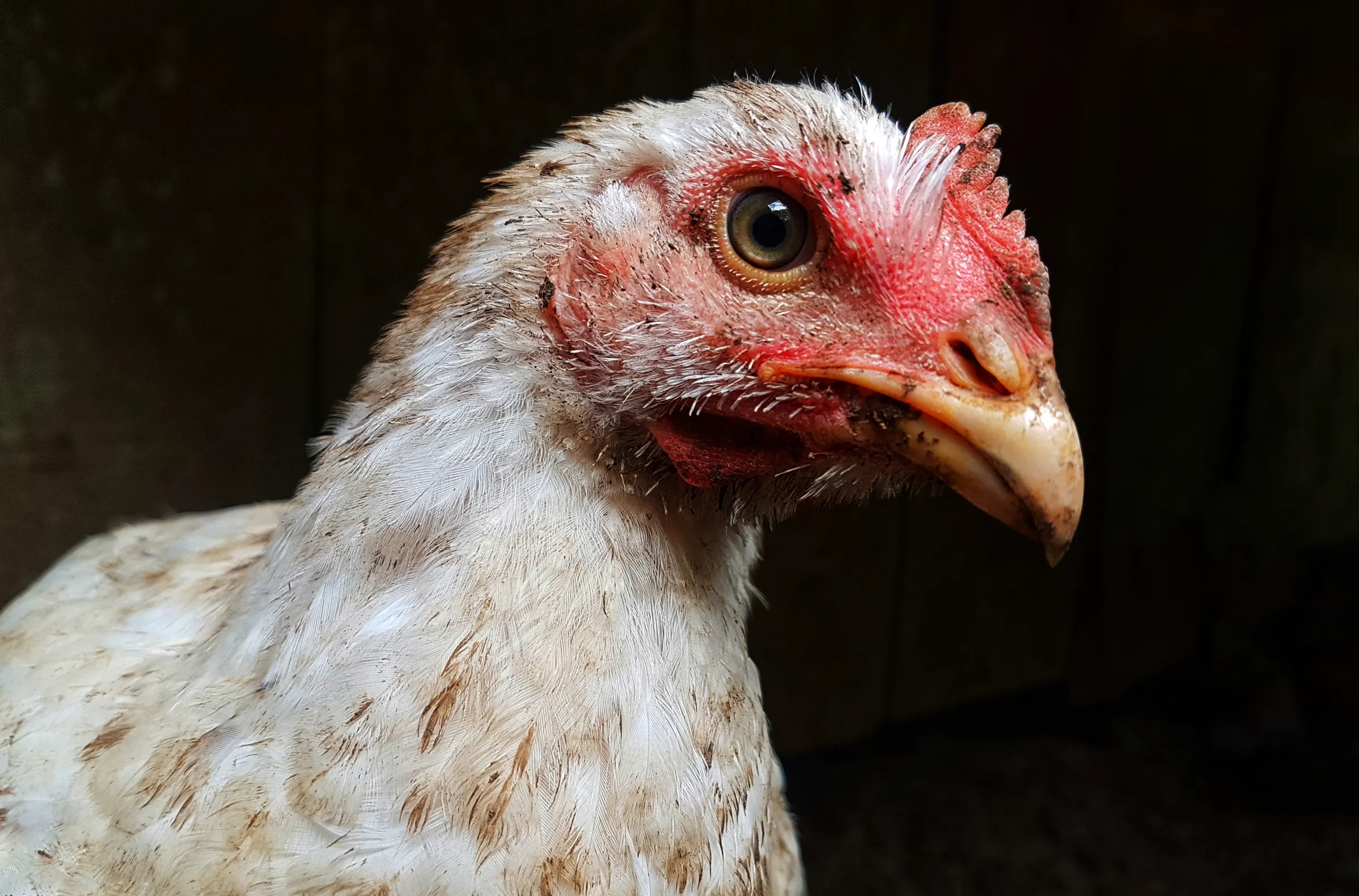
Credit: avinews.com
Signs And Symptoms
Newcastle Disease affects many birds and causes different health problems. The signs show in the bird’s breathing, nerves, and digestion.
Watching for these symptoms helps catch the disease early. Birds may have trouble breathing, moving, or eating well.
Respiratory Symptoms
Birds with Newcastle Disease often have breathing problems. Their noses may be runny and noisy. Coughing and sneezing are common.
- Gasping for air
- Watery eyes
- Swelling around the face and neck
- Open-mouth breathing
Neurological Symptoms
The disease can affect the bird’s nervous system. This causes strange movements and loss of balance. Birds may twist their necks or fall down.
| Symptom | Description |
| Tremors | Shaking or shivering of the body |
| Paralysis | Loss of movement in legs or wings |
| Torticollis | Neck twisting or tilting |
| Circling | Walking in circles without control |
Digestive Issues
Birds may also have stomach and digestion problems. They often show diarrhea and lose weight quickly.
- Green or watery droppings
- Loss of appetite
- Dehydration signs
- Thin or weak appearance
Causes And Transmission
Newcastle Disease is a serious illness that affects birds. It spreads quickly and can harm many types of birds.
Understanding the causes and how it spreads helps in controlling the disease. This section explains the viral agent, transmission, and risks.
Viral Agent
Newcastle Disease is caused by a virus called avian paramyxovirus type 1. This virus attacks the bird’s respiratory, nervous, and digestive systems.
The virus can survive in the environment for days to weeks, making it easy to infect other birds.
How It Spreads
The disease spreads mainly through direct contact with infected birds. Birds release the virus in their saliva, nasal secretions, and droppings.
Birds can also catch the virus by touching contaminated food, water, equipment, or people’s hands and clothes.
- Contact with infected birds
- Contaminated feed and water
- Dirty cages or equipment
- People moving between bird groups
Risk Factors
Some factors increase the chance of Newcastle Disease spreading. Crowded bird areas and poor hygiene raise the risk.
Birds under stress or with weak immune systems are more likely to get sick. Wild birds can also carry the virus and infect domestic birds.
- High bird density
- Poor cleaning and sanitation
- Stress from transport or bad weather
- Contact with wild or migratory birds
- Unvaccinated bird populations
Diagnosis Methods
Newcastle Disease is a serious illness in birds. Detecting it early helps control the spread.
Diagnosis involves checking the bird’s signs and running lab tests. Both steps are important.
Clinical Examination
Veterinarians observe birds carefully to find signs of Newcastle Disease. They look for breathing trouble and nervous signs.
Common signs include coughing, sneezing, and unusual behavior. Examining the bird’s eyes and beak is also important.
- Check for breathing problems like gasping or wheezing
- Look for swelling around the eyes and neck
- Notice any paralysis or tremors
- Observe changes in eating and drinking habits
- Watch for diarrhea or greenish droppings
Laboratory Tests
Lab tests confirm if birds have Newcastle Disease. Samples come from blood, tissues, or swabs from the bird’s throat or cloaca.
Tests detect the virus or antibodies made by the bird. These tests give a clear diagnosis to guide treatment.
- Virus isolation by growing the virus in eggs or cell cultures
- Polymerase Chain Reaction (PCR) to find viral genetic material
- Hemagglutination inhibition test to detect antibodies
- Enzyme-linked immunosorbent assay (ELISA) for antibody detection
- Rapid antigen tests for quick results
Prevention Strategies
Newcastle Disease is a serious illness that affects birds. Preventing it helps keep flocks healthy and safe. There are key ways to reduce the risk of infection.
Using vaccines, keeping farms clean, and following strict safety rules can stop the disease from spreading. Each method plays an important role in prevention.
Vaccination Options
Vaccines protect birds by building their immunity against Newcastle Disease. Different types of vaccines suit different flocks and conditions.
- Live vaccines provide quick protection and are easy to apply.
- Inactivated vaccines are safer for young or weak birds.
- Some vaccines come in spray or drinking water forms for easy use.
- Regular booster shots keep immunity strong over time.
Biosecurity Measures
Biosecurity stops the disease from entering or leaving the farm. It involves careful control of people, animals, and equipment.
| Biosecurity Practice | Purpose |
| Limit visitor access | Reduce outside contamination |
| Use protective clothing | Prevent carrying germs |
| Control wild birds and rodents | Block disease carriers |
| Separate new birds | Observe before mixing with flock |
Sanitation Practices
Good cleaning habits keep the environment safe. Removing dirt and germs lowers the chance of disease spread.
Follow these sanitation tips:
- Clean feeders and waterers daily.
- Remove manure and wet bedding often.
- Disinfect housing and equipment regularly.
- Use safe cleaning products that kill viruses.
Treatment Approaches
Newcastle Disease is a serious virus affecting birds. Treating it requires careful care and control steps.
Treatment focuses on easing symptoms and stopping spread. There is no cure for the virus itself.
Supportive Care
Supportive care helps sick birds stay strong. It aims to reduce stress and improve their chances.
Provide clean water and nutritious food. Keep birds warm and dry to avoid other infections.
- Give fluids to prevent dehydration
- Feed easily digestible food
- Isolate sick birds from healthy ones
- Keep the living area clean and dry
Managing Outbreaks
Stopping the virus from spreading is very important. Quick action can save many birds.
Remove and safely dispose of dead birds. Clean and disinfect all equipment and housing areas.
- Use strict biosecurity rules
- Limit access to the bird area
- Separate new birds before adding them
- Vaccinate healthy birds if possible
Impact On Poultry Industry
Newcastle Disease is a serious viral infection in birds. It affects chickens and other poultry worldwide. The disease can cause high death rates and lower egg production.
The impact on the poultry industry is large. Farms can lose many birds quickly. This causes financial losses and food supply problems.
Economic Consequences
Newcastle Disease causes big money losses in poultry farming. Sick birds grow slowly and lay fewer eggs. Many birds may die during outbreaks.
| Type of Loss | Description | Effect on Industry |
| Mortality | High death rate among infected birds | Reduces flock size quickly |
| Production Drop | Less meat and egg output | Decreases farm income |
| Trade Restrictions | Bans on poultry products from affected areas | Limits market access |
| Control Costs | Expenses for vaccines and biosecurity | Increases operation costs |
Control Programs
Controlling Newcastle Disease needs strict measures. Vaccination is the main method to protect birds. Good farm hygiene helps stop the virus spread.
- Regular vaccination of all poultry
- Quarantine of new or sick birds
- Cleaning and disinfecting farm equipment
- Controlling movement of birds and people
- Monitoring and reporting outbreaks quickly
Credit: www.riverlandingsanimalclinic.com
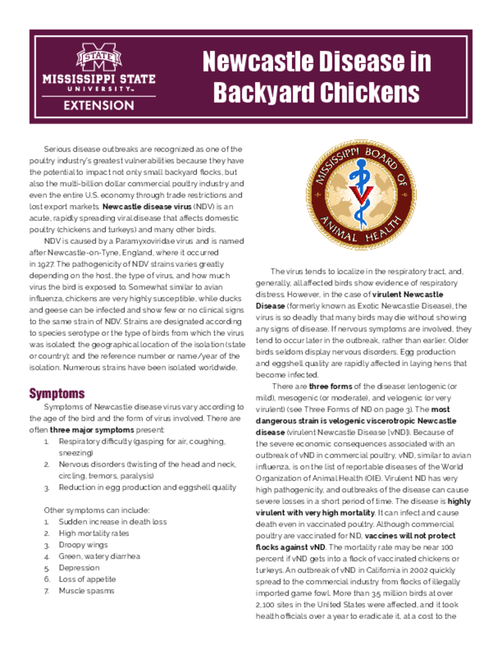
Credit: extension.msstate.edu
Frequently Asked Questions
What Causes Newcastle Disease In Birds?
Newcastle Disease is caused by the Newcastle Disease Virus (NDV). It primarily spreads through direct contact with infected birds or their secretions. Contaminated feed, water, and equipment can also transmit the virus.
What Are Common Symptoms Of Newcastle Disease?
Symptoms include respiratory distress, coughing, nasal discharge, and reduced egg production. Birds may show nervous signs like tremors and paralysis. Sudden death can occur in severe cases.
How Is Newcastle Disease Diagnosed In Birds?
Diagnosis involves clinical signs observation and laboratory tests like virus isolation and PCR. Blood tests can detect antibodies. Accurate diagnosis helps in timely treatment and control.
Can Newcastle Disease Affect Humans?
Newcastle Disease rarely infects humans. It may cause mild conjunctivitis or flu-like symptoms. Proper handling of infected birds and hygiene reduces the risk of transmission.
Conclusion
Newcastle Disease poses a significant threat to birds worldwide. Understanding its symptoms helps in early detection. Quick action can prevent severe outbreaks. Vaccination remains the best preventive measure. Proper hygiene and biosecurity are crucial. They help reduce disease spread. Bird owners should stay informed and vigilant.
Consult a vet if symptoms appear. Awareness and education play key roles. Protecting birds requires community effort. Working together ensures healthier flocks. Keep learning and stay proactive.



