Have you ever wondered what Salmonella in birds really means for you and your feathered friends? Whether you keep birds as pets, raise poultry, or simply enjoy watching wild birds, understanding this hidden threat is crucial.
Salmonella can affect your birds’ health and even pose risks to your family. You’ll discover what Salmonella is, how it spreads, and the simple steps you can take to protect both your birds and yourself. Keep reading to stay informed and keep your birds safe!
Credit: wdfw.medium.com
Salmonella Basics
Salmonella is a type of bacteria that can infect birds. It often causes illness and can spread easily. Birds may carry Salmonella without looking sick.
Understanding Salmonella helps bird owners keep their birds healthy. It also prevents the bacteria from spreading to humans and other animals.
What Is Salmonella?
Salmonella bacteria live in the intestines of birds and other animals. Birds get infected by contact with contaminated food, water, or surfaces. The bacteria can cause diarrhea, weakness, and sometimes death in birds.
- Salmonella spreads through bird droppings
- It can survive in soil and water for weeks
- Young and weak birds are more at risk
- Good hygiene can reduce infection risk
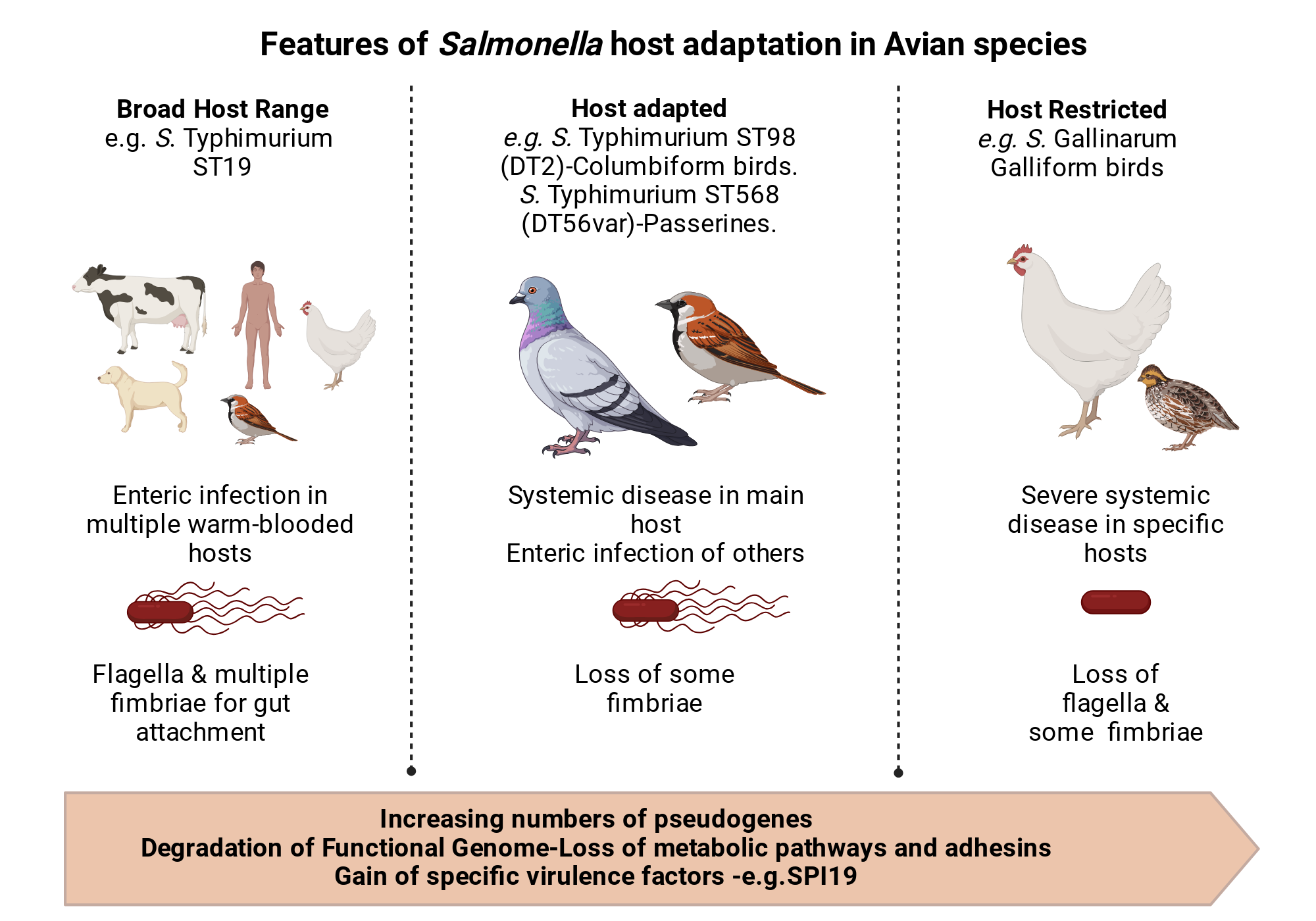
Common Salmonella Strains In Birds
Many Salmonella strains affect birds. Some strains cause more severe illness. Knowing common strains helps with diagnosis and treatment.
| Strain | Birds Affected | Symptoms |
| Salmonella Enteritidis | Chickens, Turkeys | Diarrhea, Weakness |
| Salmonella Typhimurium | Many bird species | Diarrhea, Dehydration |
| Salmonella Pullorum | Young Chickens | High Mortality, Weakness |
| Salmonella Gallinarum | Adult Chickens | Fowl Typhoid, Death |
How Birds Catch Salmonella
Salmonella is a common bacteria that affects many birds. It can cause sickness and spread easily among them. Understanding how birds catch Salmonella helps in keeping them healthy.
Birds pick up Salmonella from their environment and from each other. The bacteria live in many places where birds find food and water.
Sources Of Infection
Salmonella bacteria come from many sources in a bird’s surroundings. Birds get infected by contact with these sources.
- Contaminated food and water
- Infected soil or litter
- Droppings from infected birds
- Rodents and insects carrying bacteria
- Dirty feeders and water containers
Transmission Among Birds
Salmonella spreads quickly among birds in close contact. The bacteria pass from one bird to another in different ways.
| Transmission Method | Description |
| Direct Contact | Birds touch or peck each other’s feathers or skin |
| Fecal-Oral Route | Birds ingest bacteria from droppings in food or water |
| Contaminated Nesting Areas | Bacteria live in nests and infect chicks |
| Shared Feeders | Bacteria spread when birds eat from the same place |
Signs Of Salmonella In Birds
Salmonella is a common bacterial infection in birds. It can cause serious health problems if not noticed early. Spotting the signs helps protect your birds.
Birds may show different symptoms depending on the infection’s strength. Watch closely for any unusual changes in their health or behavior.
Symptoms To Watch For
Infected birds often have physical signs of illness. These include changes in their body and appearance. Early symptoms may be mild but get worse fast.
- Diarrhea or loose droppings, sometimes with blood
- Loss of appetite and weight loss
- Fluffed-up feathers indicating discomfort
- Weakness and difficulty standing or flying
- Swollen joints or limbs
- Respiratory problems like coughing or sneezing
Behavioral Changes
Birds with Salmonella often act differently. Watching their behavior can help catch the infection early. Sick birds may seem tired or less active.
- Less social and avoids other birds
- Reduced movement or reluctance to fly
- Increased sleeping or resting
- Unusual vocal sounds or silence
- Difficulty eating or drinking
Risks To Bird Owners
Salmonella is a type of bacteria that can infect birds and humans. Bird owners may face health risks if their birds carry Salmonella.
Understanding these risks helps keep both birds and people safe. It is important to learn how Salmonella spreads and how to avoid infection.
Zoonotic Potential
Salmonella can pass from birds to people. This is called a zoonotic infection. People can catch it by touching infected birds or their droppings.
Birds often show no signs of illness but can still spread the bacteria. Children, older adults, and people with weak immune systems are at higher risk.
- Handling bird cages or feeders without washing hands
- Cleaning bird droppings improperly
- Touching birds that carry the bacteria
Preventing Human Infection
Good hygiene stops Salmonella from spreading. Always wash hands with soap after touching birds or cleaning their cages.
Keep bird areas clean and avoid eating or drinking near birds. Use gloves when cleaning to protect your skin from contact with bacteria.
- Wash hands thoroughly after bird contact
- Clean cages regularly with safe disinfectants
- Keep birds away from food preparation areas
- Wear gloves when cleaning droppings or cages
- Teach children not to touch birds without adult help
Testing And Diagnosis
Detecting Salmonella in birds is important to stop infections. Testing helps find the bacteria early.
Proper diagnosis guides treatment and prevents spread to other birds and humans.
Sample Collection Methods
Collecting the right samples is key for accurate Salmonella testing. Common samples include feces, cloacal swabs, and tissues.
- Fecal samples:Fresh droppings collected in clean containers.
- Cloacal swabs:Swabbing the bird’s cloaca with sterile tools.
- Tissue samples:Taken from organs like liver or spleen in severe cases.
- Environmental samples:Swabs from bird cages or feeders to check contamination.
Laboratory Testing Options
Labs use several tests to identify Salmonella. Each test varies in speed and accuracy.
| Test Type | Description | Time |
| Culture | Growing bacteria on special media to confirm Salmonella. | 2-5 days |
| PCR | Detects Salmonella DNA quickly and accurately. | Few hours |
| Serology | Looks for antibodies in blood, shows past exposure. | 1-2 days |
| Rapid tests | Quick kits for on-site detection, less precise. | Minutes to hours |
Credit: www.biorender.com
Treatment Options
Salmonella infection in birds needs quick and careful treatment. Birds can get very sick without help. Proper care improves their chances of recovery.
Treatment focuses on killing the bacteria and helping the bird regain strength. This keeps the infection from spreading to other birds or humans.
Antibiotic Use
Antibiotics help stop the Salmonella bacteria in birds. A vet must choose the right medicine. Some bacteria are resistant to certain drugs.
Birds need a full course of antibiotics to fully clear the infection. Stopping early can make the bacteria stronger. Only use antibiotics when a vet says to.
- Common antibiotics include enrofloxacin and amoxicillin
- Vets test to find the best antibiotic
- Follow the vet’s dosage and timing instructions
- Do not give human antibiotics to birds
Supportive Care For Birds
Supportive care helps birds stay strong while fighting Salmonella. Keeping birds warm and hydrated is very important.
Good nutrition and clean water help birds recover faster. Isolating sick birds stops the infection from spreading to others.
- Keep birds in a warm, quiet place
- Provide fresh water and balanced food
- Clean cages and surroundings daily
- Isolate infected birds from healthy ones
Prevention Strategies
Salmonella can spread easily among birds if proper care is not taken. Preventing this infection helps keep birds healthy and safe.
Good prevention practices focus on keeping the environment clean and feeding birds safely. These steps reduce the chance of Salmonella spreading.
Maintaining Clean Environments
Clean living spaces lower the risk of Salmonella in birds. Remove droppings and old food every day to stop germs from growing.
Disinfect cages, feeders, and water containers regularly. Use safe cleaners that do not harm birds but kill bacteria well.
- Clean cages daily
- Disinfect feeders and water bowls weekly
- Keep bedding dry and change it often
- Remove waste promptly
- Control pests like rodents and insects
Safe Feeding Practices
Feed birds fresh food and clean water to prevent Salmonella. Avoid moldy or spoiled feed that can carry bacteria.
Use feeders that protect food from dirt and droppings. Clean feeding areas regularly to stop contamination.
- Provide fresh water daily
- Store feed in dry, sealed containers
- Use feeders that limit contact with droppings
- Do not feed birds from the ground
- Remove leftover food daily
Managing Infected Birds
Salmonella infection in birds requires careful management to stop its spread. Caring for infected birds helps protect other animals and people.
Proper handling and care reduce the risk of worsening the infection. This guide focuses on isolation techniques and long-term care.
Isolation Techniques
Keep infected birds away from healthy ones. Isolation lowers the chance of Salmonella spreading within your flock.
- Use a separate cage or room for infected birds.
- Wear gloves and wash hands after contact.
- Clean and disinfect cages daily.
- Limit access to the isolation area.
- Dispose of waste safely and promptly.
Long-term Care
After isolation, continue monitoring birds for signs of illness. Good care supports recovery and prevents relapse.
| Care Aspect | Details |
| Diet | Provide clean water and balanced feed daily. |
| Environment | Keep living areas clean and dry. |
| Health Checks | Watch for diarrhea, weakness, or loss of appetite. |
| Veterinary Help | Consult a vet for treatment advice and tests. |
Credit: scvbirdalliance.org
Frequently Asked Questions
What Causes Salmonella Infection In Birds?
Salmonella in birds is caused by bacteria from the Salmonella genus. Birds contract it through contaminated food, water, or contact with infected animals. Poor hygiene and overcrowding increase infection risks. The bacteria can spread quickly in bird populations, affecting their health and survival.
What Are Common Symptoms Of Salmonella In Birds?
Infected birds often show diarrhea, lethargy, and loss of appetite. They may also have ruffled feathers and dehydration. Some birds appear weak or have swollen joints. Symptoms vary with bird species and infection severity, making early detection vital for treatment.
Can Salmonella In Birds Affect Humans?
Yes, Salmonella can transfer from birds to humans. Handling infected birds or their droppings without proper hygiene can cause illness. Symptoms in humans include diarrhea, fever, and stomach cramps. Washing hands and cleaning bird habitats reduce transmission risks significantly.
How Is Salmonella Diagnosed In Birds?
Veterinarians diagnose Salmonella through fecal cultures or blood tests. Samples are analyzed to identify the bacteria type. Early diagnosis helps prevent spread and allows timely treatment. Regular health checks are crucial for birds in captivity or farms.
Conclusion
Understanding salmonella in birds is crucial for bird health. This bacteria can cause serious illness. Bird owners should ensure clean living spaces. Proper hygiene helps prevent outbreaks. Regular vet check-ups are important. Early detection saves lives. Educate yourself about symptoms.
Watch for unusual behavior in birds. Quick action can prevent spread. Always use safe feeding practices. Contaminated food is a risk. Clean water is essential. Healthy birds are happy birds. Protect them from salmonella. Your attention can make a difference.
Stay informed and proactive for their well-being.