Are you wondering what the best bird seed is for your feathered friends? Choosing the right bird seed can make all the difference in attracting vibrant, healthy birds to your backyard.
But with so many options out there, how do you know which one is truly the best? You’ll discover the secrets to picking the perfect bird seed that keeps your birds happy and coming back for more. Keep reading to find out how to make your bird-feeding experience simple and rewarding!
Types Of Bird Seeds
Bird seeds come in many types to suit different birds. Choosing the right seed helps attract and feed birds well.
Each seed type has unique features. Knowing these helps you pick the best seed for your backyard birds.
Common Seed Varieties
Some seeds are popular because many birds like them. These include sunflower seeds, millet, and safflower.
- Sunflower seeds – black oil and striped types
- Millet – white proso millet is common
- Safflower – white, hard seeds
- Nyjer (thistle) – tiny, oily seeds
- Cracked corn – pieces of dried corn
Nutritional Benefits
Bird seeds offer fats, proteins, and carbs. These nutrients keep birds healthy and active.
Seeds like black oil sunflower have high fat, which helps birds stay warm. Millet is rich in carbohydrates for energy.
- Sunflower seeds provide fats and protein
- Millet offers carbohydrates for energy
- Safflower is high in fat and fiber
- Nyjer seeds give essential oils and protein
- Cracked corn supplies carbohydrates
Seed Preferences By Bird Species
Different birds like different seeds. Knowing their preferences helps you feed them better.
For example, finches prefer nyjer seeds, while cardinals like safflower. Sparrows enjoy millet, and woodpeckers eat sunflower seeds.
| Bird Species | Preferred Seeds |
|---|---|
| Finches | Nyjer (thistle) seeds |
| Cardinals | Safflower seeds |
| Sparrows | White proso millet |
| Woodpeckers | Black oil sunflower |
| Chickadees | Black oil sunflower |
| Doves | Cracked corn and millet |

Credit: www.amazon.ca
Factors To Consider
Choosing the best bird seed is important for healthy birds. Different seeds offer various benefits. Knowing what to look for helps you pick the right seed.
Some factors affect how well birds eat and digest seed. These include seed quality, nutrition, and safety. Let's explore these points.
Seed Quality And Freshness
Fresh seed tastes better and lasts longer. Old seed may lose flavor and nutrients. Birds avoid stale or moldy seed.
Check seed for signs of mold or insects. Store seed in a cool, dry place to keep it fresh. Buy seed from trusted sellers for best quality.
Nutritional Content
Birds need seeds with good nutrients. Seeds high in fat, protein, and vitamins help birds stay healthy. Different birds prefer different nutrients.
- Sunflower seeds are high in fat and protein
- Millet offers energy and is easy to digest
- Safflower seeds are good for small birds
Mixing several seed types gives birds balanced nutrition. Match seed type to the birds you want to feed.
Avoiding Harmful Additives
Some bird seeds contain harmful chemicals or fillers. These can hurt birds or stop them from eating. Avoid seeds with artificial colors or preservatives.
Look for pure seed mixes without extra additives. Natural seed keeps birds safe and healthy.
Top Bird Seed Picks
Bird seeds come in many types to feed different birds. Choosing the right seed helps birds stay healthy. It also attracts the birds you want to see in your yard.
This guide covers the best bird seeds for finches, parrots, and wild birds. Each group has special needs and tastes.
Best For Finches
Finches prefer small, light seeds. They enjoy seeds that are easy to eat and full of nutrients. Nyjer seed is a top choice for finches because it is rich in oil and easy to digest.
Best For Parrots
Parrots need a mix of seeds, nuts, and pellets to stay healthy. A balanced seed mix with sunflower seeds, safflower, and peanuts is good for them. They also enjoy colorful fruits and vegetables along with seeds.
- Sunflower seeds: High in fat and energy
- Safflower seeds: Good for beak health
- Peanuts: Rich in protein
- Pellets: Provide essential vitamins
Best For Wild Birds
Wild birds eat many types of seeds depending on species and season. Black oil sunflower seeds attract many wild birds. Mixed seed blends with millet, cracked corn, and sunflower seeds offer variety and nutrition.
| Seed Type | Birds Attracted | Benefits |
| Black Oil Sunflower | Cardinals, Chickadees, Nuthatches | High oil content, easy to crack |
| Millet | Sparrows, Doves, Juncos | Small seeds, easy to eat |
| Cracked Corn | Doves, Jays, Pigeons | Good energy source |
| Safflower | Cardinals, Grosbeaks | Less attractive to squirrels |
Mixes Vs. Single Seeds
Choosing the right bird seed is important for attracting and feeding birds. You can select mixes or single types of seeds. Both have different qualities that suit various birds and preferences.
Knowing the pros and cons of each helps you decide what works best for your backyard visitors. Let’s look at the differences in detail.
Pros And Cons Of Seed Mixes
Seed mixes contain several types of seeds blended together. This variety can attract many bird species. Some mixes include sunflower seeds, millet, cracked corn, and safflower seeds.
- Pros:Attracts a wide range of birds with different preferences.
- Pros:Offers a balanced diet by providing multiple nutrients.
- Cons:Some birds may eat only their favorite seeds, leaving waste.
- Cons:Seed mixes can be more expensive than single seeds.
- Cons:Quality can vary; some mixes include fillers like red millet that few birds eat.
Benefits Of Single-seed Options
Single-seed options offer one type of seed. Common choices include sunflower seeds, nyjer, or millet. These seeds target specific bird species and often reduce seed waste.
| Seed Type | Birds Attracted | Key Benefit |
|---|---|---|
| Black Oil Sunflower | Cardinals, Chickadees, Nuthatches | High in fat and easy to crack |
| Nyjer (Thistle) | Finches, Siskins | Small seeds for tiny birds |
| Millet | Juncos, Sparrows | Good for ground-feeding birds |
Feeding Tips
Choosing the best bird seed is important for healthy birds. Feeding them correctly helps them thrive and stay active.
Good feeding habits also prevent waste and keep your feeding area clean. Here are some tips to help you feed birds the right way.
Proper Storage
Keep bird seed fresh by storing it in a cool, dry place. Moisture can cause mold, which is harmful to birds.
Use airtight containers to protect seed from pests and air. Check seed regularly for freshness and discard old or damp seed.
- Store seed in sealed plastic or metal containers
- Keep containers off the ground to avoid moisture
- Do not mix old seed with new seed
- Check seed for mold or insects before use
Feeding Frequency
Feed birds once or twice a day to avoid overfeeding. Birds eat small amounts frequently in the wild.
Remove leftover seed daily to prevent spoilage and attract unwanted animals. Adjust feeding based on bird activity and season.
- Fill feeders in the morning and late afternoon
- Clear out old seed before adding fresh seed
- Watch birds to see how much they eat
- Feed less in warmer months when food is plentiful
Encouraging Healthy Eating Habits
Offer a mix of seeds to meet different bird needs. Different birds prefer different seeds like sunflower, millet, or safflower.
Keep feeders clean and place them in safe, quiet spots. This helps birds feel secure and encourages regular visits.
- Use fresh, high-quality seed mixes
- Clean feeders every two weeks to prevent disease
- Place feeders near bushes or trees for cover
- Provide fresh water alongside seed for drinking

Credit: www.canadiantire.ca
Common Mistakes To Avoid
Choosing the right bird seed is important for bird health. Many people make simple mistakes that can harm birds.
Knowing what to avoid helps keep birds safe and happy at your feeder.
Overfeeding
Giving too much seed can cause problems. Birds may eat less natural food. Overfeeding also attracts pests like rats.
- Offer seed only during daylight hours
- Fill feeders with small amounts at a time
- Clean up spilled seeds regularly
- Watch for signs of leftover food
Using Low-quality Seeds
Low-quality seeds can be old, moldy, or full of debris. Birds may refuse to eat them or get sick.
| Seed Quality | Effect on Birds |
| Fresh and clean | Healthy and tasty for birds |
| Old or moldy | Can cause illness or death |
| Mixed with debris | Wastes food and can harm birds |
Ignoring Bird Species Needs
Different birds like different seeds. Feeding the wrong seed may stop birds from visiting.
Common seed preferences:
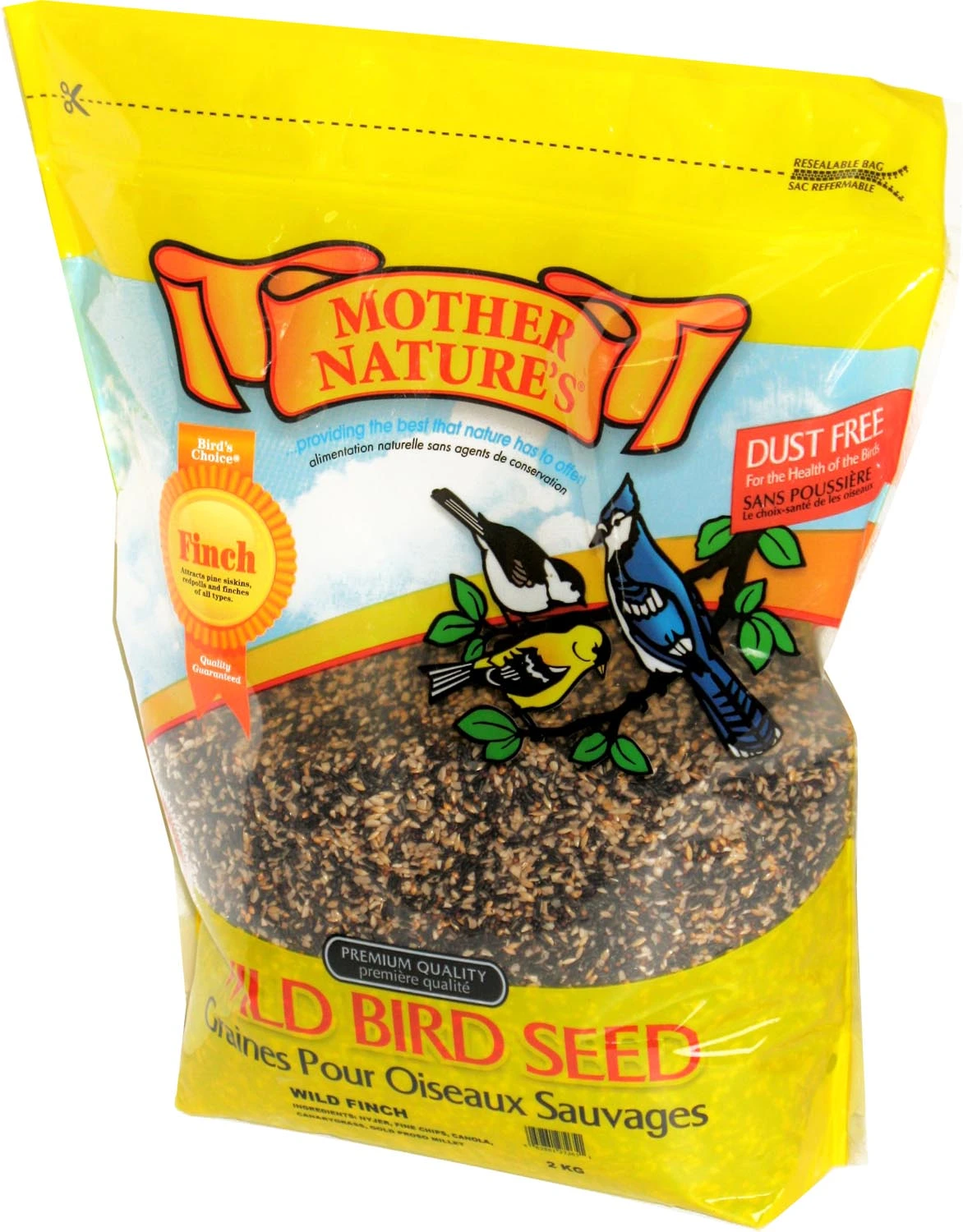
- Finches: prefer nyjer and small seeds
- Sparrows: like millet and cracked corn
- Cardinals: enjoy sunflower seeds
- Doves: eat larger seeds like safflower
Credit: www.buckerfields.ca
Frequently Asked Questions
What Types Of Bird Seed Attract The Most Birds?
Black oil sunflower seeds attract the widest variety of birds. They have thin shells, making them easy to eat. Nyjer seed is great for finches. Mixed seed blends can attract multiple species but check for fillers.
Is Sunflower Seed The Best Bird Seed Option?
Yes, black oil sunflower seed is considered the best overall. It offers high nutrition and attracts many species. Birds like cardinals, chickadees, and finches prefer it. Its thin shell makes it accessible for small and large birds.
Can Bird Seed Quality Affect Bird Health?
Absolutely. High-quality bird seed ensures birds get essential nutrients. Poor quality or moldy seed can cause illness. Always buy fresh, clean seed from trusted brands. Proper storage also keeps seed safe and nutritious.
What Seed Is Best For Attracting Finches?
Nyjer seed is the top choice for finches. Its small size and oil content appeal to them. Use specialized feeders to prevent seed waste. Avoid mixing with larger seeds to keep finches comfortable.
Conclusion
Choosing the right bird seed makes a big difference. Birds love variety, so mix seeds for best results. Look for seeds that suit the birds in your area. Sunflower seeds attract many birds. Millet and safflower seeds are also popular.
Clean feeders often to keep birds healthy. Fresh water is important too. It encourages more birds to visit. Try different seeds and see what works. Enjoy the beauty and joy birds bring to your backyard. Happy bird watching!