Are you worried if your feathered friend is getting all the vitamins it needs? Choosing the best vitamin supplement for birds can feel confusing.
With so many options out there, how do you know what’s truly right for your bird’s health and happiness? You’ll discover simple, clear answers to help you pick the perfect vitamins. Keep reading, and you’ll learn exactly what your bird needs to thrive every day.

Credit: birdsupplies.com
Importance Of Vitamins For Birds
Vitamins are essential nutrients that support birds’ growth and health. They help keep birds strong and active.
Without enough vitamins, birds can face many health problems. Understanding their role helps in proper care.
Role In Bird Health
Vitamins support many body functions in birds. They help with digestion, immune defense, and bone strength.
Birds need vitamins A, D, E, K, and B-complex for daily health. Each vitamin has a unique role in their body.
Common Vitamin Deficiencies
- Vitamin A deficiency can cause poor feather quality and eye problems.
- Vitamin D lack leads to weak bones and fractures.
- Vitamin E shortage affects muscle health and reproduction.
- Vitamin K deficiency causes blood clotting issues.
- B-complex vitamin shortage may result in nerve damage and poor growth.
Signs Of Vitamin Deficiency
| Symptom | Possible Deficiency |
| Weak feathers or skin | Vitamin A |
| Bone deformities | Vitamin D |
| Muscle weakness | Vitamin E |
| Excessive bleeding | Vitamin K |
| Slow growth or nerve issues | B-complex vitamins |

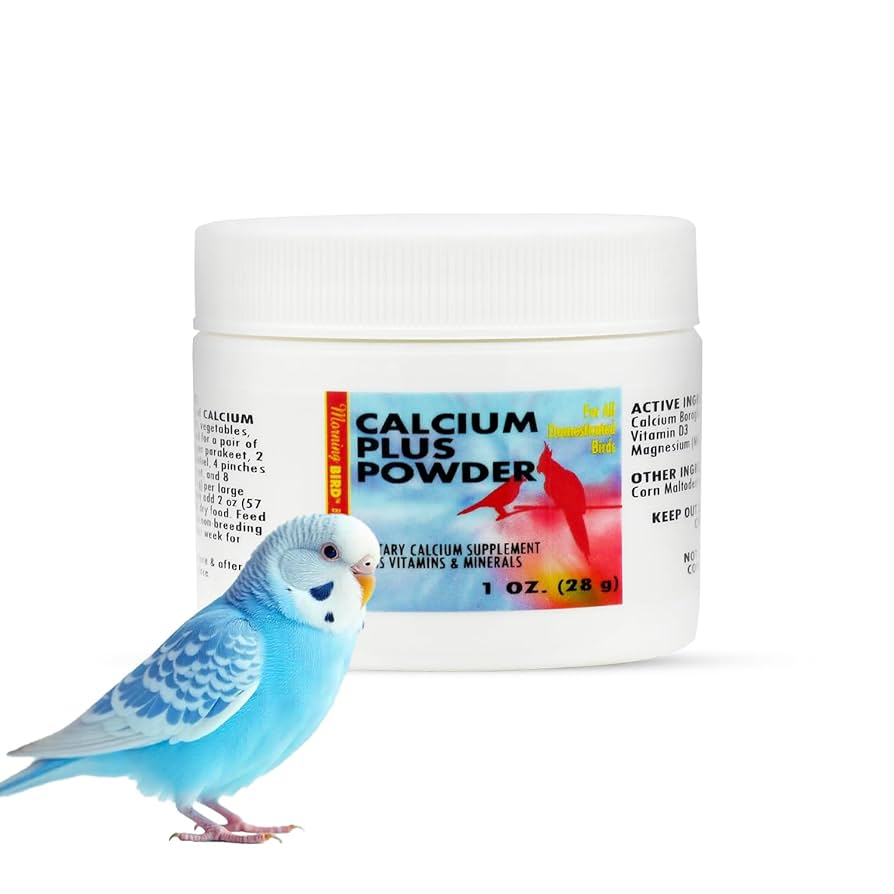
Credit: www.amazon.com
Types Of Vitamin Supplements
Birds need vitamins to stay healthy and active. Different supplements provide these vitamins in various ways. Choosing the right type helps keep your bird strong.
Vitamin supplements come in many forms. Some provide several vitamins at once. Others focus on just one vitamin. There are also natural and synthetic options available.
Multivitamins
Multivitamins contain many vitamins in one supplement. They support overall health and help prevent vitamin deficiencies. Many bird owners prefer them for daily use.
- Provide a mix of essential vitamins
- Help improve feathers and skin
- Support immune system function
- Easy to add to food or water
Single Vitamin Supplements
Single vitamin supplements give one specific vitamin. They are useful if a bird has a known deficiency. These supplements allow precise control of vitamin intake.
| Vitamin | Benefit |
| Vitamin A | Supports vision and skin health |
| Vitamin D | Helps with calcium absorption |
| Vitamin E | Acts as an antioxidant |
| Vitamin B Complex | Boosts energy and metabolism |
Natural Vs Synthetic Options
Natural supplements come from plants or animals. Synthetic ones are made in labs. Both types have benefits and drawbacks for birds.
- Natural vitamins may be easier to digest
- Synthetic vitamins are often more stable
- Natural options have fewer additives
- Synthetic supplements can be more affordable
Top Vitamin Supplements For Birds
Birds need vitamins to stay healthy and active. Supplements help fill gaps in their diet.
Choosing the right vitamin supplement can support your bird’s growth and immunity.
Best Multivitamin Brands
Multivitamins provide a mix of essential nutrients in one product. Many brands offer formulas for different bird types.
- Brand A: Contains vitamins A, D3, E, and B-complex for overall health.
- Brand B: Includes calcium and minerals for strong bones and feathers.
- Brand C: Focuses on immune support with added antioxidants.
Top Single Vitamin Choices
Sometimes birds need extra help with one specific vitamin. Single vitamin supplements allow precise control.
| Vitamin | Benefit | Common Use |
| Vitamin A | Supports vision and skin health | For birds with dry skin |
| Vitamin D3 | Helps calcium absorption | For bone strength |
| Vitamin E | Boosts immune system | For sick or stressed birds |
Supplements For Specific Bird Species
Different bird species have unique vitamin needs. Supplements should match their diet and lifestyle.
- Parrots:Need extra vitamin C and calcium for beak and feather health.
- Canaries:Benefit from vitamin A and E for vibrant feathers.
- Finches:Require B-complex vitamins for energy and metabolism.
Choosing The Right Supplement
Birds need vitamins to stay healthy and active. Choosing the right supplement helps fill nutrition gaps.
Not all supplements are the same. Pick one based on your bird’s needs and lifestyle.
Factors To Consider
Look at your bird’s species, diet, and health condition before buying supplements.
- Species needs vary; parrots and canaries need different vitamins.
- Check if your bird eats fresh fruits and vegetables.
- Consider any medical issues your bird has.
- Choose supplements with natural ingredients.
- Read labels for vitamin types and amounts.
Dosage Guidelines
Giving the right amount of vitamins is very important. Too much or too little can harm your bird.
| Bird Size | Daily Dosage | Frequency |
| Small (e.g. finch) | 0.1 – 0.3 ml | Once a day |
| Medium (e.g. cockatiel) | 0.5 – 1 ml | Once a day |
| Large (e.g. macaw) | 1 – 2 ml | Once a day |
Consulting A Veterinarian
Always talk to a vet before starting supplements. They know what your bird needs.
A vet can:
- Check your bird’s health.
- Recommend the right type of vitamins.
- Advise on safe dosage and timing.
- Monitor for side effects.
Administering Vitamin Supplements
Giving vitamin supplements to birds helps keep them healthy. Proper administration ensures they get the right amount.
It is important to use safe methods and watch the bird’s reaction closely. This helps avoid any problems.
Methods Of Delivery
You can give vitamins to birds in different ways. Choose a method that suits your bird’s size and habits.
Common ways include adding vitamins to food, water, or using drops directly in the mouth.
- Mix powder supplements into bird food
- Add liquid vitamins to drinking water
- Use vitamin drops with a dropper in the beak
- Offer vitamin-enriched treats or pellets
Frequency And Timing
Give vitamin supplements regularly but not too often. Follow the label’s directions or a vet’s advice.
Timing matters. Some vitamins work best with meals, while others are better on an empty stomach.
- Give daily or as recommended by a vet
- Offer supplements during feeding times
- Avoid giving too many vitamins at once
- Keep a schedule to maintain consistency
Monitoring Bird Response
Watch your bird’s health after giving supplements. Look for changes in behavior, appetite, or energy.
If you see negative signs, stop the supplement and talk to a vet. Keep notes on any reactions.
- Check feathers and skin for improvements or issues
- Notice if the bird eats and drinks normally
- Look for signs of illness or discomfort
- Record any changes to discuss with a vet
Potential Risks And Precautions
Giving vitamin supplements to birds can help their health. But there are risks if not done right. Knowing these risks keeps your bird safe.
This guide covers overdose signs, nutrient interactions, and safe storage tips for bird vitamins.
Overdose Symptoms
Too many vitamins can harm birds. Watch for these overdose symptoms:
- Loss of appetite
- Weakness or lethargy
- Vomiting or diarrhea
- Breathing problems
- Changes in feather condition
If your bird shows these signs, stop supplements and see a vet.
Interactions With Other Nutrients
Some vitamins and minerals affect each other. These interactions can reduce benefits or cause harm.
| Vitamin/Mineral | Interaction | Effect |
| Vitamin D | Calcium | Too much D raises calcium, causing kidney issues |
| Vitamin E | Selenium | Work together to protect cells but excess harms liver |
| Iron | Calcium | Calcium lowers iron absorption, causing anemia |
Check with a vet before mixing supplements to avoid bad effects.
Safe Storage Practices
Vitamins lose power if stored wrong. Keep them safe by following these tips:
- Store in a cool, dry place
- Keep away from sunlight
- Seal containers tightly after use
- Keep out of reach of children and pets
- Check expiration dates regularly
Proper storage keeps vitamins fresh and effective for your bird’s health.
Enhancing Bird Diet With Vitamins
Vitamins are important for birds to stay healthy and active. They help support strong feathers, good eyesight, and a strong immune system.
Adding the right vitamins to your bird’s diet can improve their quality of life. This guide explains some good vitamin sources for birds.
Vitamin-rich Foods
Natural foods provide many vitamins that birds need. Fresh fruits and vegetables are great sources of essential vitamins.
- Carrots and sweet potatoes contain vitamin A for eye health
- Leafy greens like spinach and kale provide vitamin K
- Citrus fruits offer vitamin C to help the immune system
- Seeds and nuts supply vitamin E for strong cells
Homemade Supplement Ideas
You can make simple vitamin supplements at home using common ingredients. These supplements add extra nutrients to your bird’s meals.
- Mix crushed eggshells with ground seeds for calcium and minerals
- Blend fruits like banana and apple to create a vitamin-rich puree
- Use small amounts of spirulina powder for vitamins and antioxidants
- Add finely chopped herbs like parsley for vitamin C and K
Seasonal Considerations
Vitamins in foods change with the seasons. Adjust your bird’s diet to match seasonal availability for best nutrition.
In winter, fresh greens may be scarce. Use frozen or dried options with vitamin content preserved. Summer offers more fresh fruits and vegetables.
- Spring and summer: fresh berries, leafy greens, and flowers
- Fall: root vegetables like carrots and squash
- Winter: dried herbs and stored seeds with vitamins

Credit: www.amazon.com
Frequently Asked Questions
What Is The Best Vitamin Supplement For Pet Birds?
The best vitamin supplement for pet birds contains a balanced mix of vitamins A, D3, E, and B-complex. These support immune health, feather quality, and overall vitality. Choose supplements formulated specifically for bird species and consult a vet for tailored advice.
How Do Vitamin Supplements Benefit Birds’ Health?
Vitamin supplements boost birds’ immune systems, improve feather condition, and aid digestion. They fill nutritional gaps in diets, especially for birds eating seeds alone. Proper supplementation ensures birds stay active, reduces disease risk, and promotes long-term wellbeing.
When Should I Give Vitamin Supplements To My Bird?
Give vitamin supplements during molting, breeding, illness, or dietary changes. Over-supplementing can harm birds, so use only as needed. Always follow dosage instructions and consult an avian vet before starting supplements.
Can Vitamin Supplements Prevent Common Bird Diseases?
Yes, supplements rich in vitamins A and E strengthen immunity and reduce infection risk. They help birds resist respiratory and digestive diseases. However, supplements should complement a balanced diet and proper care, not replace them.
Conclusion
Choosing the right vitamin supplement boosts your bird’s health. Always consult a vet to ensure the best choice. Not all supplements suit every bird species. Observe your bird’s behavior and condition. Adjust as necessary for optimal health. A balanced diet, combined with the right vitamins, strengthens your bird’s immune system.
Regular check-ups help track your bird’s health progress. Remember, a healthy bird is a happy bird. Your feathered friend deserves the best care possible. Prioritize their nutrition for a long, vibrant life. Keep learning about their needs and make informed decisions.
Your bird will thank you!