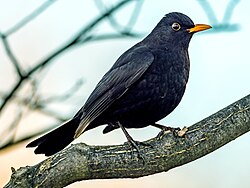
Have you ever wondered which bird calls the deep forests of Northern Sweden its home? Imagine standing among towering pine trees, hearing a unique bird song that seems to echo through the wilderness.
That bird is more than just a background sound—it holds secrets about the forest’s life and history. If you want to discover the identity of this mysterious forest bird and why it’s so special to Northern Sweden, keep reading. Your connection to nature might change forever.
Forest Birds Of Northern Sweden
Northern Sweden is home to many unique forest birds. These birds live in dense forests and cold climates.
Birdwatchers visit this region to see species not found in other places. The forest birds here adapt well to the environment.
Key Species To Spot
You can find several important forest bird species in Northern Sweden. Each bird has special features to watch for.
- Capercaillie: A large grouse with dark feathers and a fan-shaped tail.
- Black Woodpecker: Known for its black body and red crown.
- Nutcracker: A bird with a strong bill, often seen near pine trees.
- Eurasian Three-toed Woodpecker: Small woodpecker with black and white markings.
- Boreal Owl: A small owl with round face and yellow eyes, active at night.
Habitat Characteristics
Forest birds in Northern Sweden live mainly in coniferous forests. These forests have many pine, spruce, and fir trees.
The ground is often covered with moss and fallen leaves. The forests have old trees which provide nests and food.
- Dense pine and spruce trees
- Old trees with cavities for nesting
- Mossy forest floor with plenty of insects
- Nearby lakes and streams for water
Seasonal Behavior
Forest birds change their behavior with the seasons. In spring and summer, they are active and breed.
In winter, some birds stay and find food under snow. Others move to milder areas to survive cold months.
- Spring: Birds build nests and lay eggs
- Summer: Feeding young and singing to attract mates
- Autumn: Gathering food and preparing for winter
- Winter: Some migrate; others stay and hide in trees

Credit: projectupland.com
The Hidden Gem: Rare Forest Bird
Deep in the forests of Northern Sweden lives a rare bird few have seen. It is a hidden gem among forest birds. This bird has special features that make it unique and worth knowing about.
Bird watchers and nature lovers find this species fascinating. Its behavior and sounds add life to the quiet woods. Let’s explore what makes this bird so special.
Identification Features
This rare forest bird has a small body with bright feathers. Its colors blend well with the green trees. The bird has sharp eyes and a short, strong beak.
- Size: About 15 cm tall
- Feather colors: Mix of green, brown, and hints of yellow
- Beak: Short and sturdy for cracking seeds
- Wings: Rounded for quick, short flights
- Tail: Medium length with faint stripes
Unique Calls And Songs
This bird’s calls stand out in the forest. Its songs are soft but clear. The sounds help it talk to other birds and mark its home.
| Call Type | Description |
| Warning Call | Sharp “chip-chip” sound to warn danger |
| Song | Melodic, soft whistles lasting 3-5 seconds |
| Contact Call | Short, quick “tsee” notes to keep in touch |
Breeding And Nesting Habits
The rare forest bird builds nests in tall trees. It prefers quiet spots away from humans. Both parents help care for the eggs and chicks.
- Breeding season: May to July
- Nest type: Cup-shaped, made with moss and twigs
- Eggs: Usually 3 to 5 light-colored eggs
- Incubation: About 14 days by both parents
- Chick care: Parents feed chicks for 3 weeks
Birdwatching Tips In Northern Sweden
Northern Sweden is home to many forest birds. Birdwatchers enjoy spotting these birds in their natural habitats.
This guide helps you find the best places and times to see forest birds. It also covers what gear to bring for a great experience.
Best Locations To Visit
Look for dense forests and nature reserves. These areas have many types of forest birds.
Popular spots include Abisko National Park and Vindelfjällen Nature Reserve. These places offer good trails and birdwatching hides.
- Abisko National Park
- Vindelfjällen Nature Reserve
- Storforsen Nature Reserve
- Skuleskogen National Park
Optimal Times For Sightings
Bird activity is highest in early morning and late evening. These times are best for spotting forest birds.
Spring and early summer are the best seasons. Birds are more active during their breeding period.
- Early morning and late evening hours
- Spring (April to June)
- Early summer (June to July)
Essential Gear And Preparation
Bring binoculars and a bird guidebook to identify species. Wear comfortable clothes suitable for forest walks.
Prepare for changing weather. Carry water, snacks, and a map or GPS device for safety.
- Binoculars and bird guidebook
- Comfortable, weather-appropriate clothing
- Water and snacks
- Map or GPS device
- Notebook to record sightings
Conservation Efforts And Challenges
The forest bird in Northern Sweden faces many risks due to changes in its habitat. Protecting these birds needs strong efforts from many people and groups.
Many groups work to keep the forest safe for birds. This work helps keep bird numbers healthy and the forest balanced.
Threats To Forest Birds
Forest birds in Northern Sweden face many threats. Logging and forest loss reduce the places birds live. Climate change also changes food availability and weather patterns.
Pollution and human disturbance can harm bird health and nesting. Predators and invasive species also pose risks to native birds.
- Loss of habitat due to logging
- Climate change affecting food and weather
- Pollution harming bird health
- Disturbance from humans and machines
- Predators and invasive species
Local And Global Initiatives
Local groups in Northern Sweden plant trees and protect forest areas. They monitor bird populations to understand changes. Global groups work to reduce climate change and pollution.
Many programs teach people why forest birds matter. They encourage laws to protect forests and wildlife habitats. Cooperation between countries helps protect migratory birds.
- Tree planting and forest protection
- Monitoring bird populations
- Climate change and pollution control
- Public education on bird conservation
- International cooperation for migratory birds
How To Support Preservation
People can help forest birds by supporting forest protection groups. Avoid disturbing bird habitats during outdoor activities. Use less energy to reduce climate change effects.
Plant native trees and create bird-friendly spaces at home. Spread awareness about forest bird challenges and conservation. Donate to or volunteer with wildlife organizations.
- Support forest protection organizations
- Respect bird habitats when outdoors
- Reduce energy use to fight climate change
- Plant native trees and create habitats
- Raise awareness and share information
- Volunteer or donate to conservation groups
Experiencing Northern Sweden’s Wildlife
Northern Sweden is home to many forest birds. These birds live in thick forests and open areas. Visitors can see unique species that are rare elsewhere.
The forest bird in Northern Sweden is special. It shows the health of the forest. Watching these birds helps people enjoy nature and learn about the environment.
Other Notable Species Nearby
Besides the forest bird, Northern Sweden has many animals and birds. Some are easy to spot, while others are shy. These species add to the rich wildlife experience.
- The Eurasian Capercaillie is a large grouse found in pine forests.
- The Siberian Jay is a small, curious bird common in the taiga.
- The Hazel Grouse lives in dense woodlands and is known for its quiet calls.
- The Great Grey Owl can sometimes be seen hunting at dusk.
- Moose and reindeer are large mammals often near forest edges.
Guided Tours And Resources
Many guided tours help visitors explore Northern Sweden’s wildlife. Experts show safe ways to watch birds and animals. They also share facts about the forest and its creatures.
Resources like local nature centers and birdwatching groups offer maps and tips. These help visitors find the best spots to see forest birds and other wildlife.
- Join birdwatching tours led by local guides.
- Visit nature centers for educational displays.
- Use field guides to identify different species.
- Check local wildlife calendars for migration times.
Cultural Significance Of Birds
Birds have important roles in Northern Sweden’s culture. They appear in old stories and folk art. People respect birds as part of nature’s balance.
Some birds symbolize strength and freedom. Others are seen as guides or protectors. The forest bird is often a sign of a healthy forest and life.
Credit: southernforestlife.net

Credit: en.wikipedia.org
Frequently Asked Questions
What Is The Most Common Forest Bird In Northern Sweden?
The most common forest bird in Northern Sweden is the Siberian Jay. It thrives in dense boreal forests and is known for its intelligence and distinctive call. This bird plays a key role in the local ecosystem by dispersing seeds and controlling insects.
Why Is The Siberian Jay Important To Northern Sweden's Forests?
The Siberian Jay helps maintain forest health by spreading seeds and controlling insect populations. It supports forest regeneration and biodiversity. Its presence indicates a healthy, balanced ecosystem, crucial for sustainable forest management in Northern Sweden.
When Can You Observe Forest Birds In Northern Sweden?
Forest birds in Northern Sweden are most visible during spring and summer. These seasons offer active breeding and feeding periods. Early mornings and late evenings provide the best opportunities for birdwatching due to increased bird activity.
How Does Northern Sweden's Forest Environment Support Bird Life?
Northern Sweden's boreal forests provide dense cover, food sources, and nesting sites. The mix of coniferous trees and open areas creates ideal habitats for diverse bird species. Seasonal changes also influence food availability, supporting year-round bird populations.
Conclusion
Exploring Northern Sweden's forest birds is truly fascinating. These birds offer unique beauty and charm. Each species plays a vital role in the ecosystem. Birdwatchers find joy in spotting these feathered creatures. Remember to respect their habitat during visits. Capture memories, not just photographs.
Nature offers endless wonders and surprises. Embrace the tranquility of the forests. Appreciate the diversity of birdlife found here. Northern Sweden's forest birds await your discovery. Enjoy the serenity and magic they bring. Plan your trip to this birdwatcher’s paradise.
Experience the harmony of nature and wildlife.