Have you ever looked at a Fruit Loop and wondered if the colorful bird on the box has a real name? You’re not alone.
That bright, cheerful bird has caught the attention of many, sparking curiosity about who it really is. If you’ve been asking yourself, “What is the Fruit Loop bird called? ” you’re about to find out everything you need to know.
Keep reading, because the answer might surprise you and give you a whole new appreciation for your favorite cereal mascot.
Credit: www.ebay.com
Fruit Loop Bird Identity
The Fruit Loop Bird is a colorful and playful nickname for a specific bird. It is known for its bright, rainbow-like feathers. People often use this name because the bird’s colors remind them of the cereal Fruit Loops.
This bird is not an official species name but a fun way to describe birds with many colors. It helps people remember and talk about these birds easily.
Colorful Bird Symbolism
Birds with bright colors often symbolize happiness and joy. Their vivid feathers can represent freedom and creativity. Many cultures see colorful birds as signs of good luck and positive energy.
The Fruit Loop Bird’s bright colors can remind people of fun and excitement. This makes the bird a symbol of playfulness and bright moments in life.
Origins Of The Nickname
The nickname “Fruit Loop Bird” comes from the bird’s bright, round spots of color. These colors look like the rainbow cereal called Fruit Loops. People started calling it this because it is easy to remember and fun to say.
Bird watchers and nature lovers often use nicknames like this to describe birds quickly. The Fruit Loop Bird nickname helps spread interest in colorful birds among children and adults alike.
Credit: cereal.fandom.com
Toucan Species Highlights
The Fruit Loop Bird is a nickname often given to colorful toucans. These birds are famous for their bright, large beaks.
Toucans live in tropical forests and play a big role in spreading seeds. Their colors make them easy to spot.
Distinctive Features
Toucans have several features that set them apart from other birds. Their large bills can be half their body length.
- Brightly colored beaks with patterns of red, yellow, green, or blue
- Compact bodies with strong legs
- Short wings that help them move quickly through trees
- Sharp eyes for spotting fruit and insects
- Loud calls to communicate in dense forests
Popular Toucan Varieties
Toucans come in many types. Each has unique colors and bill shapes. Some are more common than others.
| Species | Beak Color | Size | Habitat |
|---|---|---|---|
| Toco Toucan | Orange with black tip | Large (about 25 inches) | South America forests |
| Keel-billed Toucan | Multicolor (green, orange, red) | Medium | Central American rainforests |
| Chestnut-mandibled Toucan | Yellow and chestnut brown | Medium-large | South American lowlands |
| Collared Aracari | Black and red with yellow | Small | Central and South America |
Toucan Habitat And Behavior
The Fruit Loop bird is actually called a toucan. Toucans live in tropical forests and are easy to spot because of their big colorful beaks. They are interesting birds with unique habits.
This article explains where toucans live and how they behave. You will learn about their natural environment, what they eat, and how they interact with each other.
Natural Environment
Toucans live in warm rainforests in Central and South America. They like areas with lots of trees where they can find food and build nests.
They spend most of their time in the forest canopy. The thick leaves protect them from predators and the weather.
- Found in tropical rainforests
- Live mostly in tree canopies
- Prefer warm, humid climates
- Build nests in tree holes
Feeding Habits
Toucans eat mostly fruit. Their large beak helps them reach fruit on branches that are too small to hold their weight.
They also eat insects, small birds, and eggs. This varied diet helps them survive when fruit is scarce.
- Fruit is the main food source
- Eat insects for protein
- Sometimes eat small animals or eggs
- Use their beak to reach food
Social Patterns
Toucans are social birds. They often live in small groups or pairs. Group living helps them find food and watch for danger.
They make loud calls to communicate. These calls help keep the group together in the dense forest.
- Live in small groups or pairs
- Communicate with loud calls
- Help each other find food
- Use calls to stay close in forest
Toucan’s Role In Culture
The toucan is a colorful bird known for its large, bright beak. It is often called the Fruit Loop bird because of its vibrant colors. This bird plays an important role in many cultures.
Toucans appear in stories, art, and advertising. People admire their unique look and bright colors. They symbolize different ideas in various cultures.
Advertising Icon
The toucan is famous as a symbol in advertising. Its bright colors and funny beak make it easy to remember. Companies use the toucan to attract attention.
One well-known example is a cereal brand that uses a toucan as its mascot. The bird helps the brand stand out and connect with children. This shows how animals can become powerful marketing tools.
Folklore And Symbolism
In many cultures, the toucan holds special meaning. Some believe the bird brings good luck and happiness. Its bright colors represent joy and energy.
In folklore, toucans often appear as messengers or guides. They are seen as symbols of communication and connection between the natural world and humans. Their unique look makes them a popular figure in stories and art.
Conservation And Challenges
The Fruit Loop bird, also known as the toucan, faces many challenges in the wild. Protecting these colorful birds is important for nature.
This section covers the threats toucans face and the efforts to keep them safe.
Threats To Toucans
Toucans lose their homes because forests are cut down. People also hunt them for their bright bills and feathers. Climate change affects their food and living areas.
- Deforestation reduces nesting sites
- Illegal hunting for pets and souvenirs
- Loss of fruit trees lowers food supply
- Climate changes affect breeding patterns
Protection Efforts
Many groups work to save toucans and their homes. Protected parks keep forests safe. Laws stop hunting and trade of toucans. People also plant more fruit trees to help toucans find food.
| Effort | Description |
| Protected Areas | Reserves where toucans live safely |
| Anti-poaching Laws | Rules to stop hunting and selling toucans |
| Reforestation | Planting trees that provide food and shelter |
| Education | Teaching people to value and protect toucans |

Credit: www.shutterstock.com
Frequently Asked Questions
What Bird Is The Fruit Loop Character Based On?
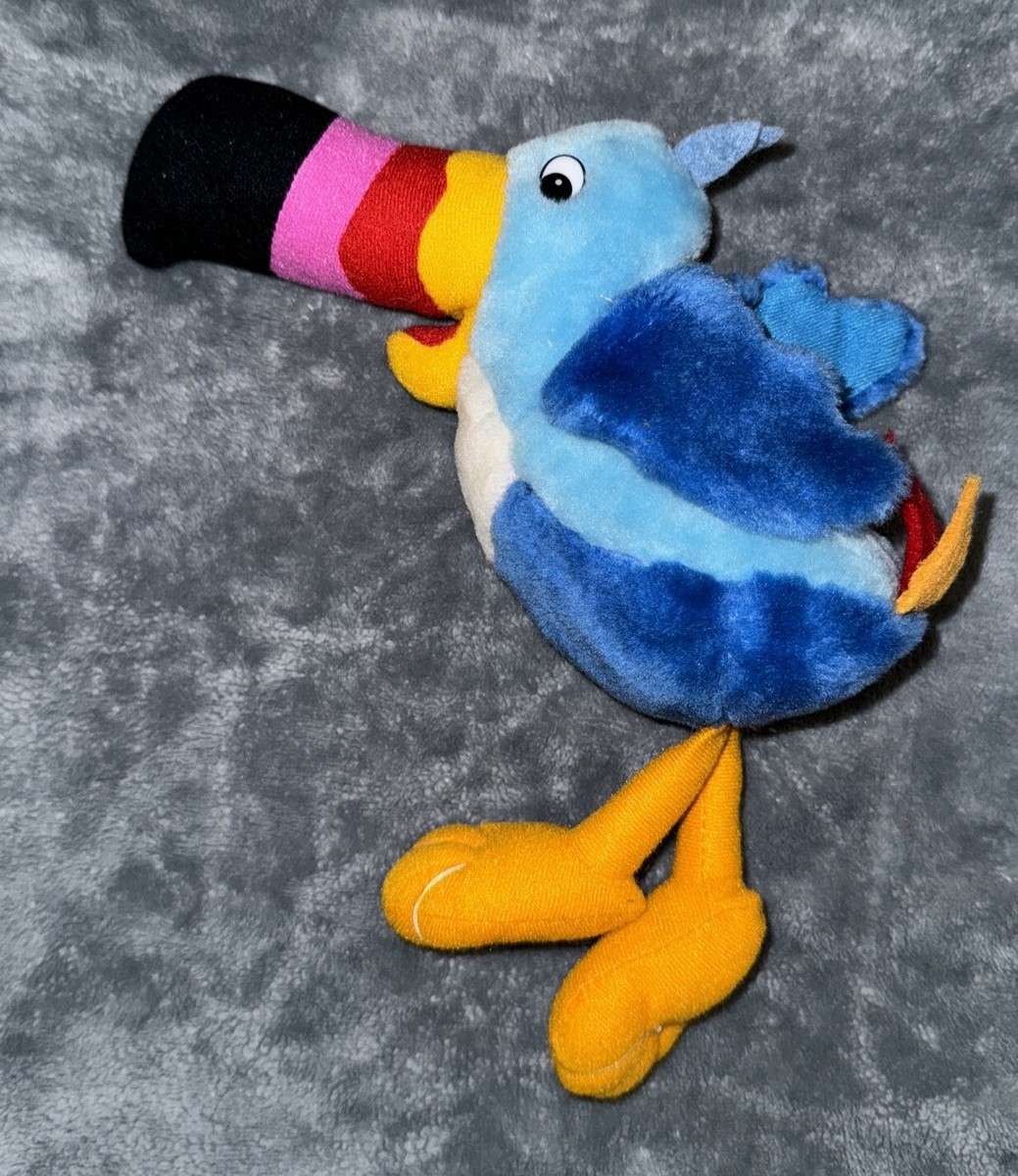
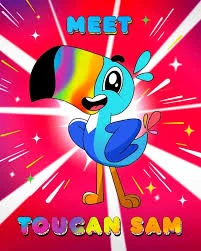
The Fruit Loop bird is based on Toucan Sam. He is the mascot for Kellogg’s Froot Loops cereal. His colorful beak resembles the cereal’s vibrant loops.
Why Is The Fruit Loop Bird Called Toucan Sam?
Toucan Sam is named for his species, the toucan. “Sam” gives him a friendly, approachable identity. He represents fun and flavor in the cereal brand.
What Makes Toucan Sam Unique Among Cereal Mascots?
Toucan Sam is unique due to his colorful, oversized beak. He guides children to the cereal’s fruity flavors. His cheerful personality makes him memorable and iconic.
How Does Toucan Sam Help With Brand Recognition?
Toucan Sam’s bright colors and catchy voice create strong brand recall. Kids associate him with fun and tasty cereal. He embodies Kellogg’s Froot Loops’ playful image.
Conclusion
The Fruit Loop bird is called Toucan Sam. A colorful character loved by many. His vibrant beak and lively personality make him memorable. Often seen on cereal boxes, he captures attention instantly. Children and adults alike recognize his playful nature.
Toucan Sam represents fun and fruity flavors. He’s become a breakfast icon worldwide. His image adds joy to morning routines. Whether enjoying a bowl of cereal or seeing him on TV, Toucan Sam delights. Understanding his role enhances appreciation for this beloved bird.
A simple joy in our daily lives.