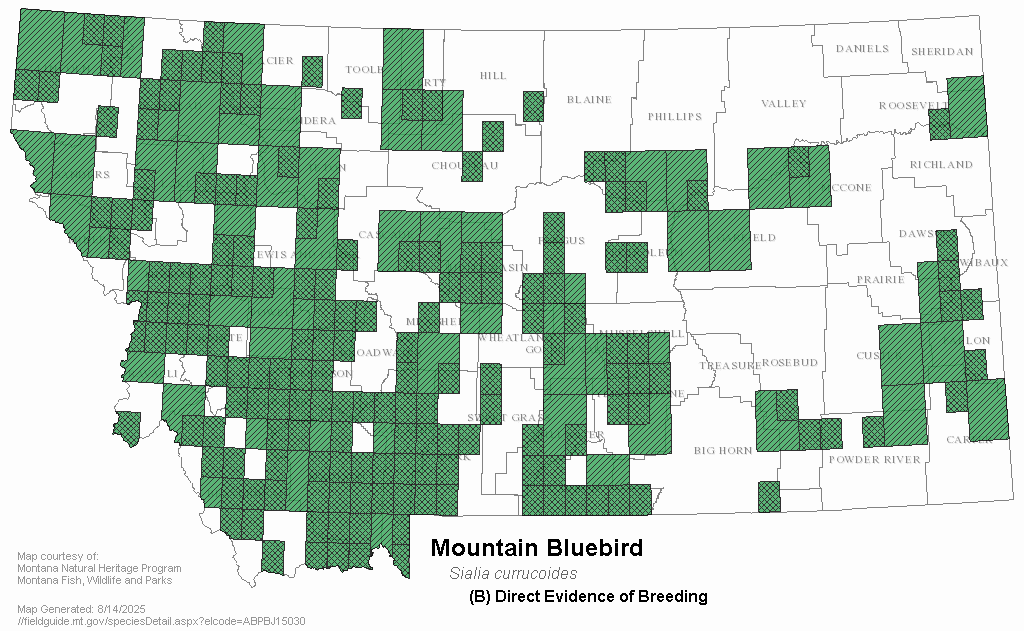
Have you ever wondered where you might spot a Mountain Bluebird? Knowing the range of this beautiful bird can make your outdoor adventures even more exciting.
Whether you're a birdwatcher, a nature lover, or just curious, understanding where Mountain Bluebirds live and thrive will help you connect with them in a whole new way. You’ll discover the exact places these birds call home and the secrets behind their movements.
Keep reading to unlock everything you need to know about the Mountain Bluebird’s range.
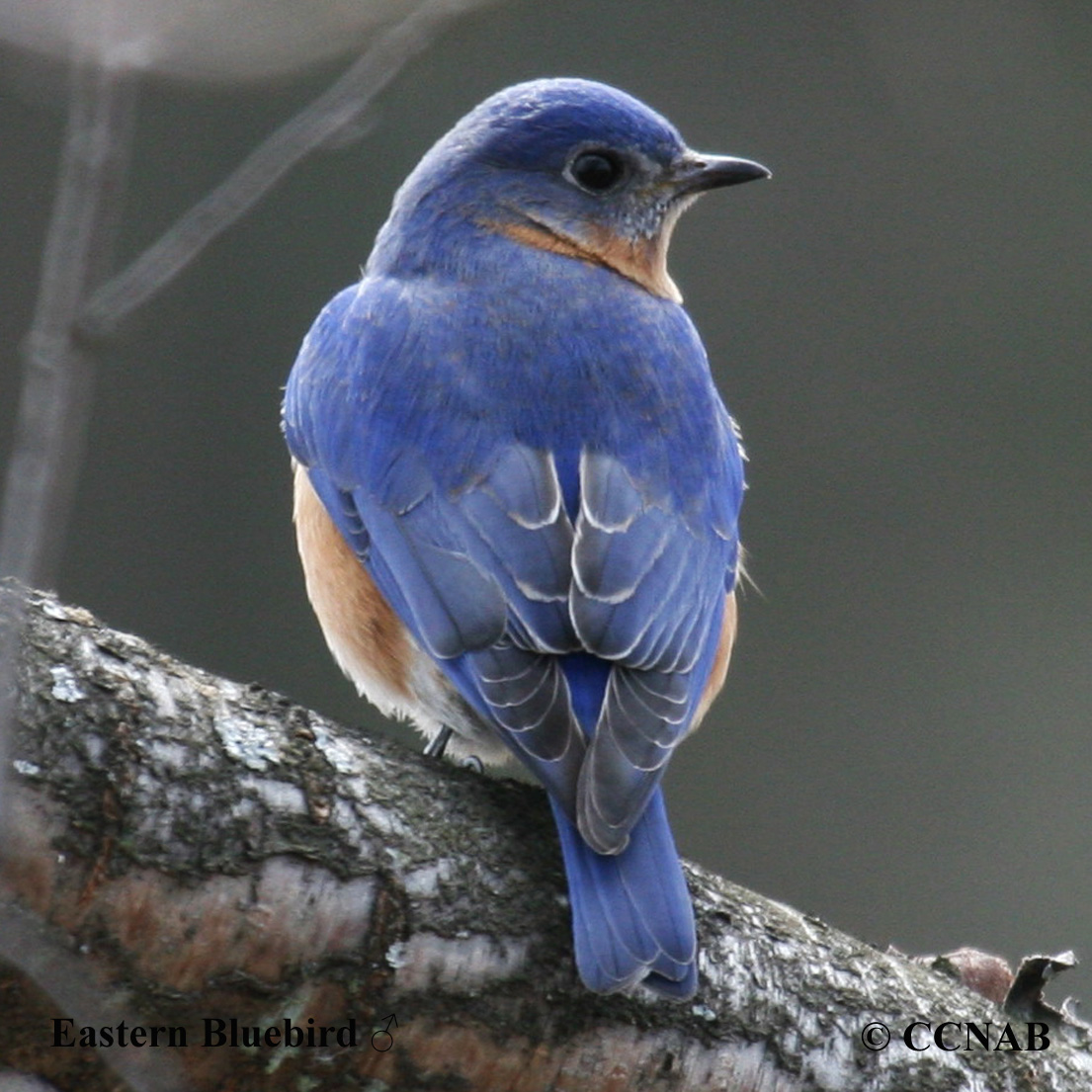
Credit: www.birds-of-north-america.net
Mountain Bluebird Habitat
The Mountain Bluebird is a bright and beautiful bird found in western North America. It needs special places to live and thrive.
Understanding where this bird prefers to live helps protect its natural home and keep its numbers healthy.
Preferred Environments
Mountain Bluebirds like open areas with few trees. They often live in grasslands, meadows, and prairies. These places give them room to hunt for insects.
- Open fields and meadows
- Mountain valleys
- High plains
- Sparse forests with clearings
Elevation And Terrain
This bird lives mostly in higher places. It can be found from low foothills up to high mountain zones. The terrain is often rocky or grassy with few tall trees.
| Elevation Range | Terrain Type |
| 4,000 to 12,000 feet | Grasslands, open forests, rocky slopes |
| Below 4,000 feet (in winter) | Lower valleys and open fields |
Seasonal Habitat Changes
Mountain Bluebirds move to different places depending on the season. In summer, they stay in high mountain areas. In winter, they fly to lower lands where food is easier to find.
Seasonal habitat changes include:
- Summer: High elevations with open meadows
- Winter: Lower elevation valleys and grasslands
- Spring and Fall: Transitional zones between high and low areas

Credit: www.reddit.com
Geographical Range
The Mountain Bluebird is a bright and beautiful bird found in North America. Its range covers a variety of habitats across the continent. Understanding its geographical range helps bird watchers and researchers know where to find them.
This section explores the Mountain Bluebird’s distribution in North America, its migration habits, and how its range has changed over time.
North American Distribution
The Mountain Bluebird mainly lives in western parts of North America. It favors open areas like meadows and mountain valleys. You can find it from Alaska down through the Rocky Mountains to Mexico.
- Alaska and western Canada
- Rocky Mountain region in the United States
- Mountain areas of northern Mexico
Migration Patterns
This bird moves seasonally to find food and suitable weather. It breeds in cooler mountainous areas during spring and summer. In fall and winter, it migrates to lower and warmer places.
| Season | Location |
| Spring and Summer | Mountain meadows and open forests |
| Fall and Winter | Lower valleys and grasslands |
Range Expansion And Contraction
The Mountain Bluebird’s range changes with climate and habitat conditions. Some areas see more birds as forests open up. Other places lose birds due to development or changing weather.
Factors affecting range changes include:
- Climate shifts that alter temperatures
- Loss of open habitats from human activity
- Availability of nesting sites like old woodpecker holes
Factors Influencing Range
The range of a Mountain Bluebird depends on many factors. These factors affect where these birds can live and thrive.
Understanding these factors helps us learn why their range changes over time and places.
Climate Impact
Climate plays a big role in the Mountain Bluebird’s range. They prefer open areas with mild weather.
Cold winters or very hot summers can reduce their living space. Changes in rainfall also affect their habitats.
Availability Of Food
Mountain Bluebirds eat mostly insects and small fruits. Their range depends on where food is easy to find.
Places with many insects in spring and summer attract more bluebirds. Food shortage can force them to move.
- Insect abundance in open fields
- Presence of berry-producing plants
- Seasonal changes in food supply
Human Activities
Human actions impact where Mountain Bluebirds live. Building towns and farms changes their natural homes.
Sometimes, planting trees or creating parks helps them find new places. Too much pollution or land use can harm their range.

Credit: www.onthewingphotography.com
Conservation And Habitat Protection
The Mountain Bluebird is a bright and beautiful bird found in western North America. Its range covers open areas like meadows and grasslands. Protecting its habitat is very important for its survival.
Many efforts focus on keeping the Mountain Bluebird's homes safe. This helps keep their numbers steady and the environment healthy for other wildlife too.
Threats To Habitat
Mountain Bluebirds face many risks to their habitat. These threats reduce places where they can live and find food.
- Loss of open meadows due to farming and city growth
- Use of pesticides that kill insects the birds eat
- Removal of dead trees and shrubs used for nesting
- Climate change altering weather and plant growth
Conservation Efforts
Groups and individuals work hard to protect and restore Mountain Bluebird habitats. These efforts aim to give the birds safe places to live and raise their young.
| Effort | Description |
| Nesting Boxes | Installing boxes to provide safe nesting spots |
| Habitat Restoration | Planting native grasses and plants in open areas |
| Pesticide Reduction | Encouraging less use of harmful chemicals |
| Public Education | Teaching people about the bluebird and its needs |
How To Support Mountain Bluebirds
Anyone can help protect Mountain Bluebirds by taking simple actions at home or in their community.
- Put up a bluebird nesting box in your yard
- Plant native flowers and grasses to attract insects
- Avoid using pesticides and herbicides
- Join local conservation groups or bird watching clubs
- Spread awareness about bluebird habitat needs
Frequently Asked Questions
What Is The Typical Habitat Range Of A Mountain Bluebird?
Mountain Bluebirds mainly inhabit open areas across western North America. They prefer grasslands, meadows, and alpine regions from Alaska to Mexico.
Where Do Mountain Bluebirds Migrate During Winter?
Mountain Bluebirds migrate southward in winter. They move to lower elevations and southern states like California, Arizona, and Texas for milder climates.
How Far North Do Mountain Bluebirds Live?
Mountain Bluebirds can be found as far north as Alaska. They thrive in cold, mountainous regions and open tundra habitats.
Do Mountain Bluebirds Live Outside North America?
No, Mountain Bluebirds are native only to North America. They do not naturally occur outside this continent.
Conclusion
Exploring the range of the Mountain Bluebird reveals fascinating insights. These vibrant birds stretch across North America, from Canada to Mexico. They prefer open spaces like meadows and prairies. Their presence is a joy for bird watchers and nature lovers.
Recognizing their habitats helps protect them. Observing their migration patterns can be truly rewarding. A deeper understanding of their range enriches our appreciation. It also aids conservation efforts. This knowledge supports their thriving in diverse environments. So, keep an eye out for these beautiful creatures.
Enjoy the beauty they bring to the skies.