Have you ever wondered what makes a bird the perfect symbol for a state? The Mountain Bluebird is not just any bird—it holds a special place as a state bird.
If you’re curious about why this vibrant blue beauty was chosen and what makes it unique, you’re in the right place. Keep reading to discover fascinating facts about the Mountain Bluebird that will surprise and delight you. Your next favorite bird story starts here!
Mountain Bluebird Basics
The Mountain Bluebird is a small, bright bird found in western North America. It is famous for its beautiful blue feathers and cheerful song.
This bird is the state bird of Idaho and symbolizes the beauty of mountain regions. It lives mostly in open areas with few trees.
Physical Features
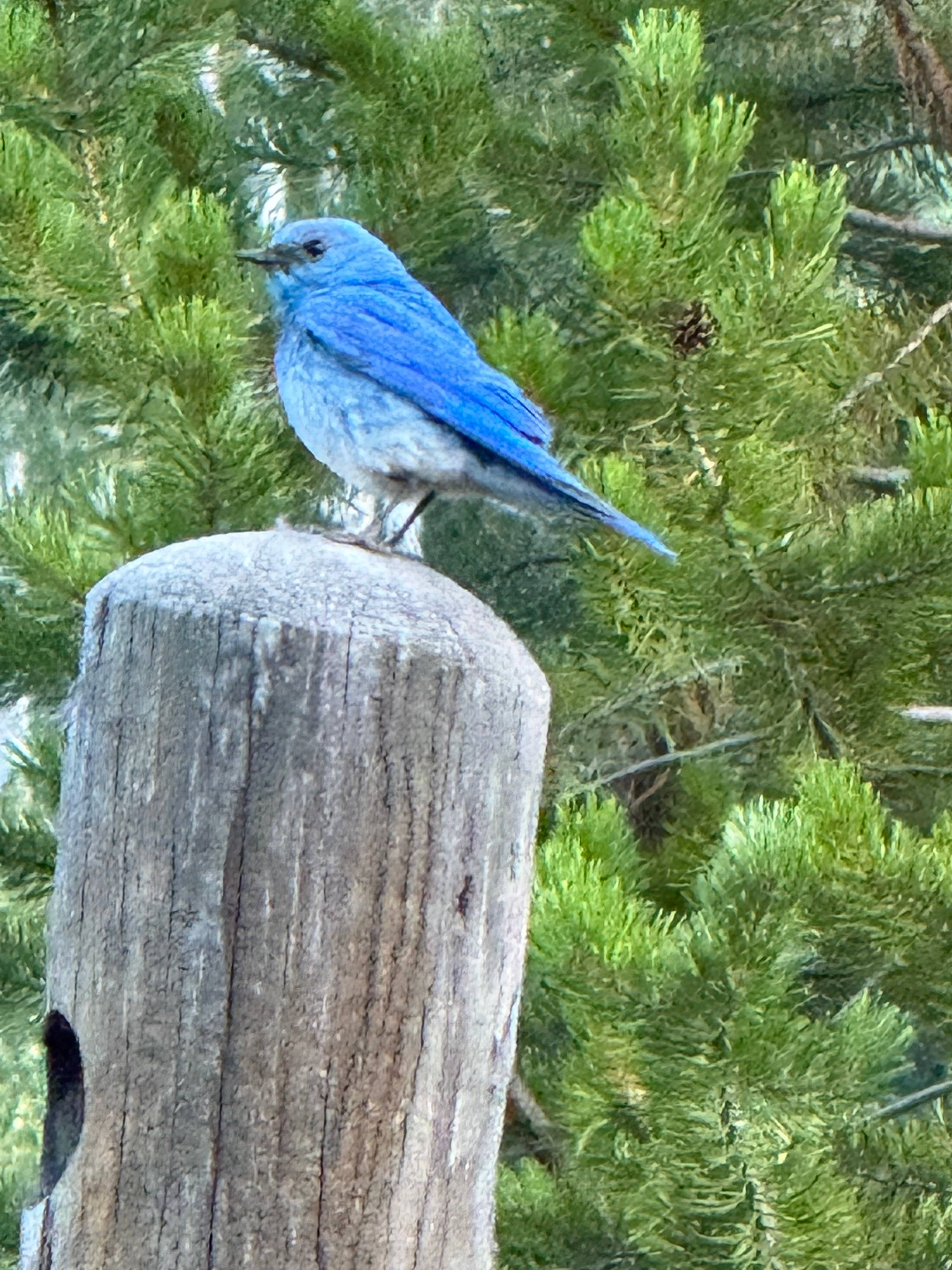
The Mountain Bluebird has bright blue feathers covering its body. Males are usually more vividly colored than females.
It has a slim body, a short tail, and a thin, pointed beak. The legs and feet are small and dark.
- Male color: bright sky blue
- Female color: pale blue with grayish tones
- Size: about 7 inches long
- Weight: around 1 ounce
Habitat And Range
Mountain Bluebirds live in open spaces like meadows and grasslands. They prefer areas with scattered trees or shrubs.
They are found in the western parts of the United States, Canada, and northern Mexico. They often breed in mountain regions.
- Open country and prairies
- Mountain valleys and foothills
- Breeding range: western US and Canada
- Winter range: southern US and Mexico
Behavior Patterns
Mountain Bluebirds are active and often seen flying low to the ground. They catch insects in the air or pick them from the ground.
They build nests in tree holes or old woodpecker holes. They are known to use nest boxes provided by people.
- Diet: insects and small berries
- Nesting: cavities in trees or nest boxes
- Flight: swift and direct
- Song: a soft, melodious whistle

Credit: www.flickr.com
State Bird Significance
The Mountain Bluebird is a bright and beautiful bird. It holds special meaning as a state bird in the United States. Many states chose it to represent nature and beauty.
Its blue color and gentle song make it a symbol of happiness and hope. The Mountain Bluebird reminds people to protect wildlife and enjoy the outdoors.
Symbolism And Meaning
The Mountain Bluebird symbolizes joy and renewal. It often appears in stories and art as a sign of good luck. The bird’s bright blue feathers stand for peace and freedom.
- Represents happiness and hope
- Symbolizes clear skies and good weather
- Seen as a sign of new beginnings
- Encourages appreciation of nature
States That Honor The Mountain Bluebird
Several states have chosen the Mountain Bluebird as their official bird. This shows their pride in local wildlife and natural beauty. The bird is common in western states.
| State | Year Adopted |
| Idaho | 1931 |
| Nevada | 1967 |
| Utah | 1931 |
Historical Adoption
The Mountain Bluebird became a state bird in the early 1900s. People admired its beauty and gentle nature. It was a natural choice to represent the outdoors.
- Early nature lovers promoted the bird as a symbol.
- States held votes to choose their official bird.
- The Mountain Bluebird was picked for its bright color.
- The bird’s presence reflected healthy environments.
Unique Traits Of The Mountain Bluebird
The Mountain Bluebird is a small bird found in western North America. It is the state bird of several states because of its bright colors and charming behavior.
This bird has special features that make it easy to recognize. These traits help it survive in its natural habitat.
Color And Plumage
The Mountain Bluebird has bright blue feathers that shine in sunlight. Males are a deeper blue, while females have lighter blue and gray tones.
Its feathers look soft and smooth. The color helps it blend with the sky and open spaces where it lives.
Song And Calls
This bird sings a sweet, clear song. It uses its song to attract mates and mark its territory.
The calls are short and sharp sounds. These help the bird stay in touch with others and warn of danger.
Diet And Feeding Habits
The Mountain Bluebird eats insects and small fruits. It often hunts by watching from a perch and swooping down to catch food.
Its diet changes with the seasons. In spring and summer, it eats mostly insects. In fall and winter, it eats more berries.
- Insects like beetles, grasshoppers, and caterpillars
- Small fruits such as berries
- Hunts from low perches or while flying

Credit: boisedev.com
Conservation Status
The Mountain Bluebird is a bright blue bird found in western North America. It is the state bird of Idaho. Understanding its conservation status helps protect this beautiful species.
Mountain Bluebirds face several challenges that affect their population. Conservation efforts are important to keep their numbers healthy.
Threats To Population
Mountain Bluebirds face threats that reduce their numbers in the wild. Loss of habitat and competition for nesting sites are major problems.
- Habitat loss due to farming and urban growth
- Competition with non-native birds for nesting boxes
- Predation by cats and larger birds
- Harsh weather during breeding season
Conservation Efforts
Many groups work to protect Mountain Bluebirds and their homes. They create safe nesting places and protect natural areas.
| Conservation Action | Purpose |
| Installing nest boxes | Provide safe places to raise young |
| Protecting grasslands | Preserve natural habitat |
| Controlling invasive species | Reduce competition for resources |
| Public education | Raise awareness about Mountain Bluebirds |
How To Support The Mountain Bluebird
You can help Mountain Bluebirds by providing a safe environment at home and learning about their needs.
- Put up a clean, predator-proof nest box
- Plant native flowers and shrubs for food
- Avoid using pesticides in your yard
- Support local conservation groups
Fun Facts About The Mountain Bluebird
The Mountain Bluebird is a bright blue bird found in western North America. It is the state bird of Idaho and is known for its beautiful color and cheerful song.
This bird lives in open areas like mountains and meadows. Let’s explore some interesting facts about its life and role in culture.
Migration Patterns
Mountain Bluebirds move south in the winter and return north in spring. They travel to find food and warmer weather.
- They migrate alone or in small groups.
- Some stay in lower mountain areas all year.
- Migration helps them survive cold winters.
Breeding And Nesting
Mountain Bluebirds build nests in holes made by other animals or natural tree cavities. They do not make nests in thick forests.
| Breeding Season | April to July |
| Eggs Laid | 4 to 6 |
| Incubation | 13 to 19 days |
| Fledging | 3 weeks after hatching |
Cultural References
The Mountain Bluebird is a symbol of happiness and hope in many cultures. It appears in art, music, and stories.
Here are some cultural highlights:
- The Mountain Bluebird is Idaho’s state bird since 1931.
- It symbolizes the arrival of spring in Native American tales.
- Artists use its bright blue color to represent peace.
Credit: app.birda.org
Frequently Asked Questions
What Is The State Bird Of Mountain Bluebird?
The Mountain Bluebird is the state bird of Idaho. It symbolizes happiness and the beauty of the American West. This bird is known for its vibrant blue color and melodic song.
Why Is Mountain Bluebird Chosen As A State Bird?
Mountain Bluebird was chosen for its striking blue color and wide presence. It represents freedom and the natural beauty of mountainous regions. Many states admire this bird for its symbolic and ecological significance.
Where Can I Commonly Find Mountain Bluebirds?
Mountain Bluebirds inhabit open spaces like meadows and mountain valleys. They are mostly found in western North America, especially in states like Idaho, Montana, and Wyoming.
What Are The Key Features Of Mountain Bluebird?
Mountain Bluebirds are small thrushes with bright blue feathers and a slender build. Males are vividly blue, while females have duller tones. They feed mainly on insects and berries.
Conclusion
The Mountain Bluebird shines as a symbol of beauty and freedom. This vibrant bird, with its striking blue color, captures hearts across the western regions. Its presence reminds us of nature's wonders and the importance of conservation. Observing the Mountain Bluebird connects people to the environment and encourages appreciation for wildlife.
Next time you're in its territory, keep an eye out. You might just catch a glimpse of this remarkable state bird. Remember, every bird sighting is special. Celebrate the Mountain Bluebird and its natural home. Enjoy nature's vibrant colors and voices.