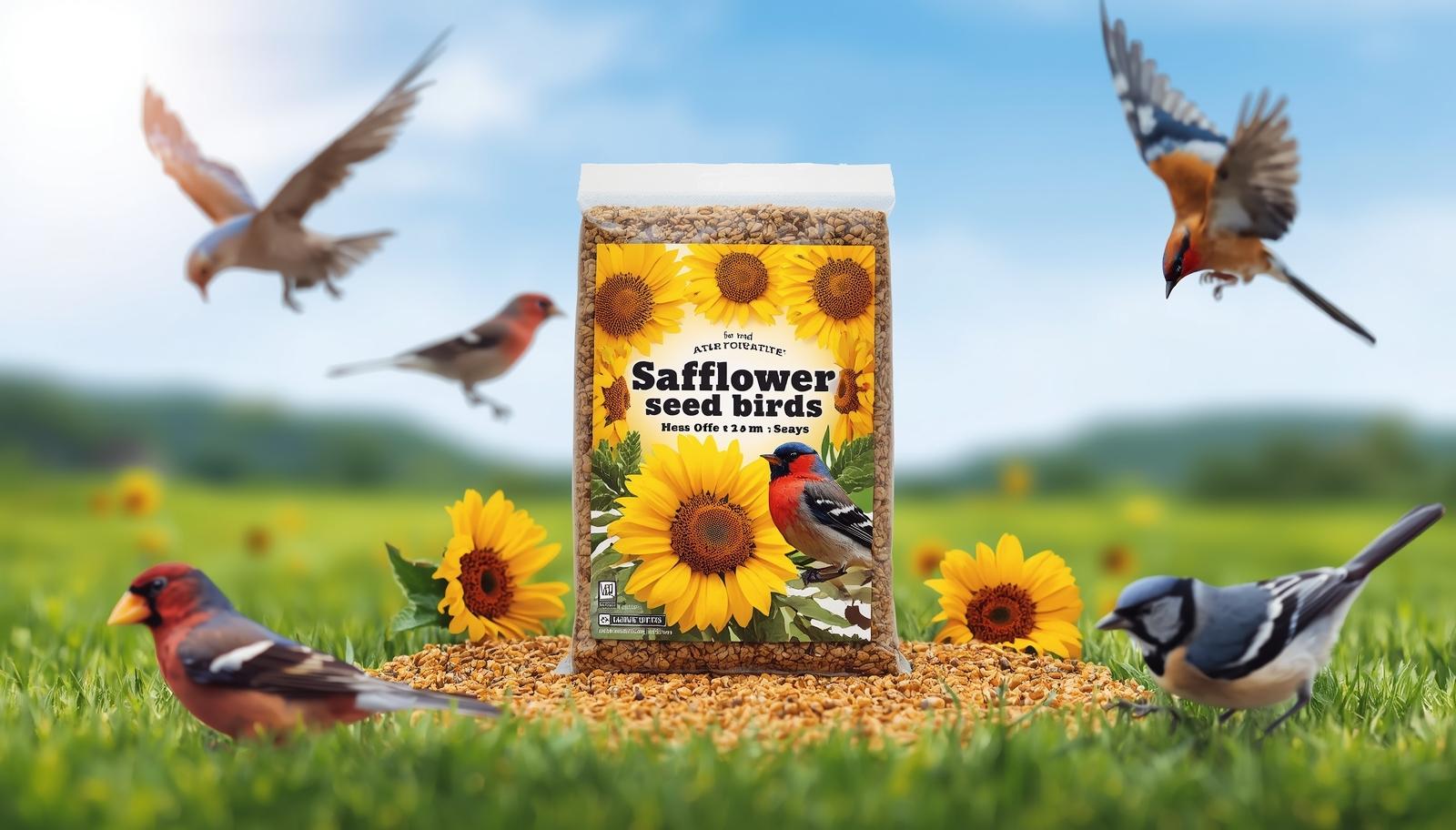
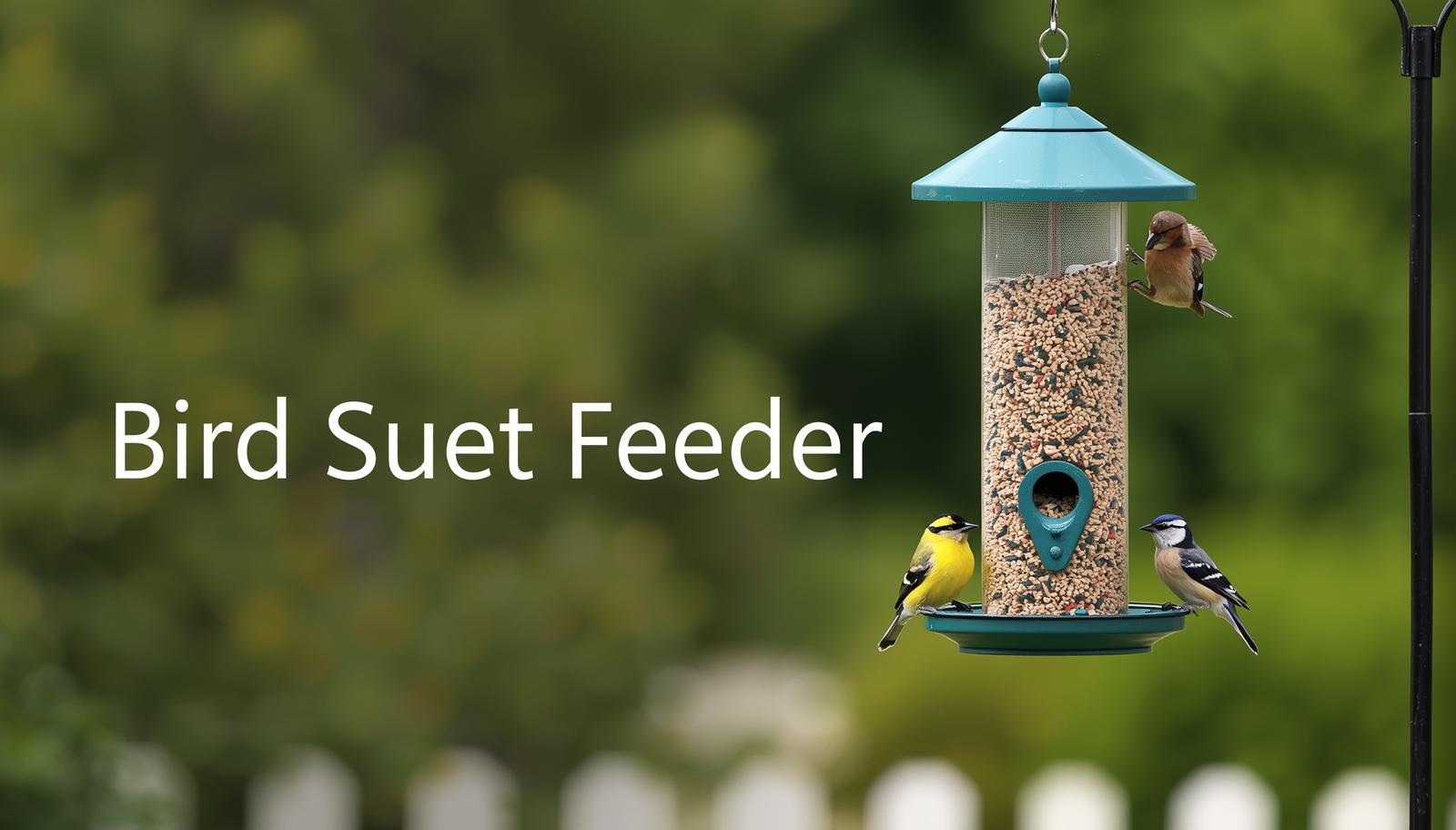
Have you ever wondered what makes thistle bird seed so special? If you want to attract beautiful songbirds to your backyard, knowing about this seed can make all the difference.
Thistle bird seed isn’t just any ordinary bird food—it holds the key to bringing vibrant, colorful birds right to your window. You’ll discover exactly what thistle bird seed is, why it’s loved by so many bird species, and how it can transform your outdoor space into a lively bird paradise.
Keep reading, and you’ll soon be enjoying a stunning display of nature’s finest visitors.

Credit: www.walmart.com
Thistle Bird Seed Basics
Thistle bird seed is a popular choice for feeding wild birds. It comes from the seeds of the thistle plant. Many bird lovers use it to attract small birds like finches.
This seed is easy for birds to eat and offers good nutrition. People often call it "nyjer" seed, especially in bird-feeding stores.
What Makes Thistle Seed Unique
Thistle seed is different from other bird seeds because it is very small and thin. Birds with fine beaks find it easy to eat. It also has a high oil content, which gives birds extra energy.
- Small size fits tiny beaks
- High in natural oils for energy
- Does not attract larger birds or rodents
- Often cleaned and heat-treated for quality
Types Of Thistle Seed
There are a few types of thistle seeds used in bird feeding. Each type offers similar benefits but may vary slightly in shape or color.
- Nyjer (Indian thistle) seed is the most common type.
- Some seeds come from native American thistles.
- Organic thistle seeds are grown without pesticides.
Nutritional Value For Birds
Thistle seed provides important nutrients that help birds stay healthy. It is rich in fat, protein, and fiber, which birds need for energy and growth.
| Nutrient | Benefit |
| Fat | Gives energy and keeps birds warm |
| Protein | Supports muscle and feather growth |
| Fiber | Aids digestion |
Credit: www.walmart.com
Birds That Prefer Thistle Seed
Thistle seed is a favorite food for many small birds. It is easy for them to eat and provides good nutrition. Bird watchers often use thistle seed to attract special birds to their feeders.
This type of seed is also called nyjer or Niger seed. It comes from the seeds of the thistle plant. Many birds prefer it over other seeds.
Goldfinches And Other Favorites
Goldfinches are the most common birds that love thistle seed. They have small, sharp beaks made for cracking open these tiny seeds. Other birds also enjoy eating thistle seed.
- American Goldfinch
- House Finch
- Pine Siskin
- Redpoll
Seasonal Visitors
Many birds that eat thistle seed visit only during certain seasons. They come to feeders mostly in winter or early spring. These seasonal visitors rely on feeders when natural food is scarce.
| Bird | Season |
| Pine Siskin | Winter |
| Redpoll | Winter |
| Goldfinch | Spring and Summer |
Behavior Around Thistle Feeders
Birds eating thistle seed act differently than birds at other feeders. They often gather in small groups. Goldfinches are gentle and wait their turn. Some birds hang upside down to reach the seeds.
Here are common behaviors seen at thistle feeders:
- Birds perch quietly and eat slowly.
- They use their beaks to pull seeds from the mesh feeders.
- Small flocks may compete gently for space.
- Birds often clean their beaks after feeding.
Choosing Quality Thistle Seed
Thistle seed is popular for feeding small wild birds like goldfinches. Choosing good quality seed helps attract healthy birds.
Quality seed looks clean, fresh, and free from debris. It also stores well without losing its nutrition.
Seed Purity And Freshness
Pure thistle seed contains mostly actual thistle without many fillers. Seeds should be free from dirt, sticks, or old husks.
Fresh seed has a bright color and a mild smell. Old or stale seed looks dull and may have a musty odor.
- Look for seed labeled as 99% pure or higher
- Avoid seed with many broken pieces or dust
- Check the harvest or packaging date for freshness
Organic Vs. Conventional
Organic thistle seed is grown without synthetic chemicals or pesticides. It may be better for birds and the environment.
Conventional seed can be cheaper but might contain chemical residues. Choose organic if you want a natural option.
- Organic seed often costs more
- Conventional seed is widely available
- Both types feed birds well if pure and fresh
Packaging And Storage Tips
Seed packaging protects thistle from moisture and pests. Good packaging keeps seed fresh longer.
Store thistle seed in a cool, dry place. Use airtight containers to stop bugs and mold.
- Choose bags with resealable tops or use jars
- Keep seed away from sunlight and heat
- Check seed regularly for signs of spoilage

Credit: www.amazon.com
Setting Up Thistle Feeders
Thistle seed is a favorite food for many small birds like finches. Feeding these birds requires special feeders made for tiny seeds. Setting up thistle feeders properly helps attract more birds.
This guide explains the types of feeders, where to place them, and how to keep them clean. Follow these tips to enjoy watching thistle seed birds visit your yard.
Types Of Feeders For Thistle Seed
Thistle seed feeders are designed to hold small, lightweight seeds. They help keep the seed from spilling and protect it from larger birds.
Common types include tube feeders, sock feeders, and mesh feeders. Each type works well for thistle seed but offers different benefits.
- Tube Feeders:Long tubes with small holes that release seed slowly.
- Sock Feeders:Made from mesh fabric that holds seed and lets birds cling to it.
- Mesh Feeders:Wire mesh cages that keep seed in place and allow many birds to feed at once.
Placement Strategies
Place feeders where birds feel safe and can easily spot food. Good locations attract more birds and help them feed comfortably.
Choose quiet spots near trees or bushes. These provide shelter and quick escape routes. Avoid placing feeders too close to windows to prevent bird collisions.
- Hang feeders 5 to 6 feet off the ground
- Place near shrubs or trees for cover
- Keep away from busy human activity
- Avoid locations near cats or other predators
Maintenance And Cleaning
Clean feeders regularly to stop mold and bacteria growth. Dirty feeders can make birds sick and reduce visits.
Remove old seed and wash feeders with warm soapy water. Rinse well and dry before refilling. Check feeders weekly during heavy use.
- Empty feeders before cleaning
- Use mild soap and warm water
- Rinse thoroughly and dry completely
- Inspect for damage or wear
- Refill with fresh thistle seed
Benefits Of Using Thistle Seed
Thistle seed is a popular food choice for many wild birds. It offers several advantages that support bird health and local ecosystems.
Using thistle seed can improve bird feeding habits and reduce mess around feeders. It is a natural and effective option for bird lovers.
Supporting Local Bird Populations
Thistle seed attracts many native finches and small songbirds. These birds rely on natural foods for survival, especially in colder months.
Feeding thistle seed helps maintain local bird numbers. It also supports their breeding and migration patterns by providing a steady food source.
Encouraging Natural Feeding Behavior
Birds using thistle seed feeders can feed naturally. The small seeds encourage birds to pick seeds one by one, like they do in the wild.
- Promotes natural pecking and foraging
- Reduces reliance on processed bird foods
- Supports healthy beak use and exercise
- Encourages longer feeding times and activity
Reducing Waste And Mess
Thistle seed is light and easy for birds to carry. They often eat most of it without dropping much on the ground.
| Seed Type | Waste Produced | Mess Control |
| Thistle Seed | Low | High |
| Sunflower Seed | High | Low |
| Milo Seed | Medium | Medium |
Common Challenges And Solutions
Thistle bird seed is popular for feeding small birds like finches. It attracts many beautiful birds to your feeder. Still, there are some common challenges you might face when using this seed.
Knowing the right ways to handle these problems will help you enjoy watching birds more. Here are some simple solutions to common issues.
Dealing With Squirrels And Pests
Squirrels and other pests often steal thistle seed. They can damage feeders and waste seed. You need ways to keep these unwanted guests away.
- Use squirrel-proof feeders that close under weight.
- Place feeders where squirrels cannot jump or climb easily.
- Try adding spicy pepper to seed to deter mammals but not birds.
- Clean up spilled seed to avoid attracting pests.
Preventing Seed Spoilage
Thistle seed can spoil if it gets wet or old. Spoiled seed will not attract birds and may grow mold. Keep seed fresh to protect your feeders.
| Cause of Spoilage | Solution |
| Moisture in seed | Store seed in a dry, sealed container |
| Old seed | Buy smaller amounts to use quickly |
| Mold growth | Clean feeders regularly and remove wet seed |
| High heat | Keep seed in cool, shaded place |
Attracting Birds Consistently
To see birds often, you must keep your feeder attractive and reliable. Birds will visit more if they trust your feeder.
- Fill feeders regularly to avoid empty spots.
- Place feeders in quiet, safe spots near bushes or trees.
- Use fresh thistle seed known to finches and small birds.
- Offer water nearby to encourage longer visits.
Seasonal Tips For Feeding Wild Birds
Feeding wild birds takes planning across the seasons. Birds need different foods and care as weather changes.
Thistle bird seed is a favorite for many small birds. It helps them stay healthy year-round.
Winter Feeding Strategies
Winter is the hardest time for wild birds. Cold and snow cover food sources. Offer high-energy seeds like thistle to help birds stay warm.
- Keep feeders full and dry
- Place feeders near shelter like evergreens
- Use seeds with high fat content, such as thistle
- Clean feeders regularly to prevent disease
Spring And Summer Considerations
Birds eat more insects in spring and summer. But seeds like thistle still attract finches and other seed-eaters.
| Season | Best Food | Tips |
| Spring | Thistle seed, fresh fruits | Keep feeders clean and refill often |
| Summer | Thistle seed, insects | Provide fresh water for drinking |
Fall Preparations
Fall is time to help birds build fat for winter. Thistle seed supports their energy needs before cold weather.
Try this feeding routine in fall:
- Start offering thistle seed early in the season
- Clean feeders weekly to avoid mold
- Add suet or nuts for extra calories
- Check feeders daily as birds increase visits
Frequently Asked Questions
What Is Thistle Bird Seed Used For?
Thistle bird seed is primarily used to attract finches and other small songbirds. It is rich in nutrients and easy for these birds to eat, making it popular for bird feeders.
Why Is Thistle Bird Seed Popular For Finches?
Finches prefer thistle seed because its thin shell is easy to crack. The seed provides essential fats and energy, especially during colder months.
How To Store Thistle Bird Seed Properly?
Store thistle bird seed in a cool, dry place. Use an airtight container to keep it fresh and prevent mold or pests.
Can Thistle Bird Seed Attract Unwanted Birds?
Thistle seed mainly attracts finches and small birds. Larger birds and pests usually avoid it, making it ideal for targeted bird feeding.
Conclusion
Thistle bird seed offers a healthy choice for your garden birds. Its small size attracts finches and other small birds. Easy to find in stores. Helps support local bird populations. Watching birds can bring joy and relaxation. It's a simple way to connect with nature.
Keep feeders clean for bird health. Enjoy the colorful sights and sounds of visiting birds. Thistle seed is a wonderful addition to any bird-friendly garden. Make your backyard a haven for these beautiful creatures. Start today and see the beauty birds bring.