Have you ever noticed how much bird seed ends up wasted in your yard? It’s frustrating to watch seeds scatter everywhere, attracting pests and creating a mess.
What if you could feed your feathered friends without the waste? That’s where waste free bird seed comes in. It’s designed to give your backyard visitors the nutrition they need while keeping your space clean and tidy. Keep reading to discover how this simple change can make a big difference for your birds—and your home.
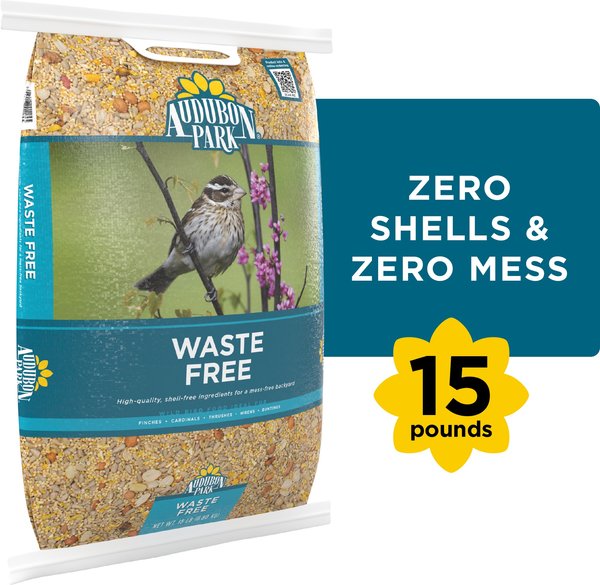
Credit: www.chewy.com
Eco-friendly Bird Feeding
Feeding birds can be a joyful way to connect with nature. Choosing eco-friendly options helps protect the environment.
Waste free bird seed is a sustainable choice that reduces pollution and supports wildlife health.
Impact Of Traditional Bird Seed Packaging
Most bird seed comes in plastic bags or coated paper. These materials often end up in landfills or oceans.
- Plastic packaging takes hundreds of years to break down.
- Waste harms birds and other animals when ingested.
- Production of plastic uses fossil fuels and energy.
- Recycling options for these packages are limited.
Benefits Of Waste Free Bird Seed
Waste free bird seed uses packaging that is biodegradable or reusable. This lowers environmental damage significantly.
| Benefit | Description |
| Less Pollution | Reduces plastic waste in landfills and oceans. |
| Supports Wildlife | Prevents harm to birds and animals from plastic. |
| Eco-Friendly Materials | Uses paper, cloth, or compostable bags. |
| Encourages Recycling | Easy to reuse or recycle packaging at home. |
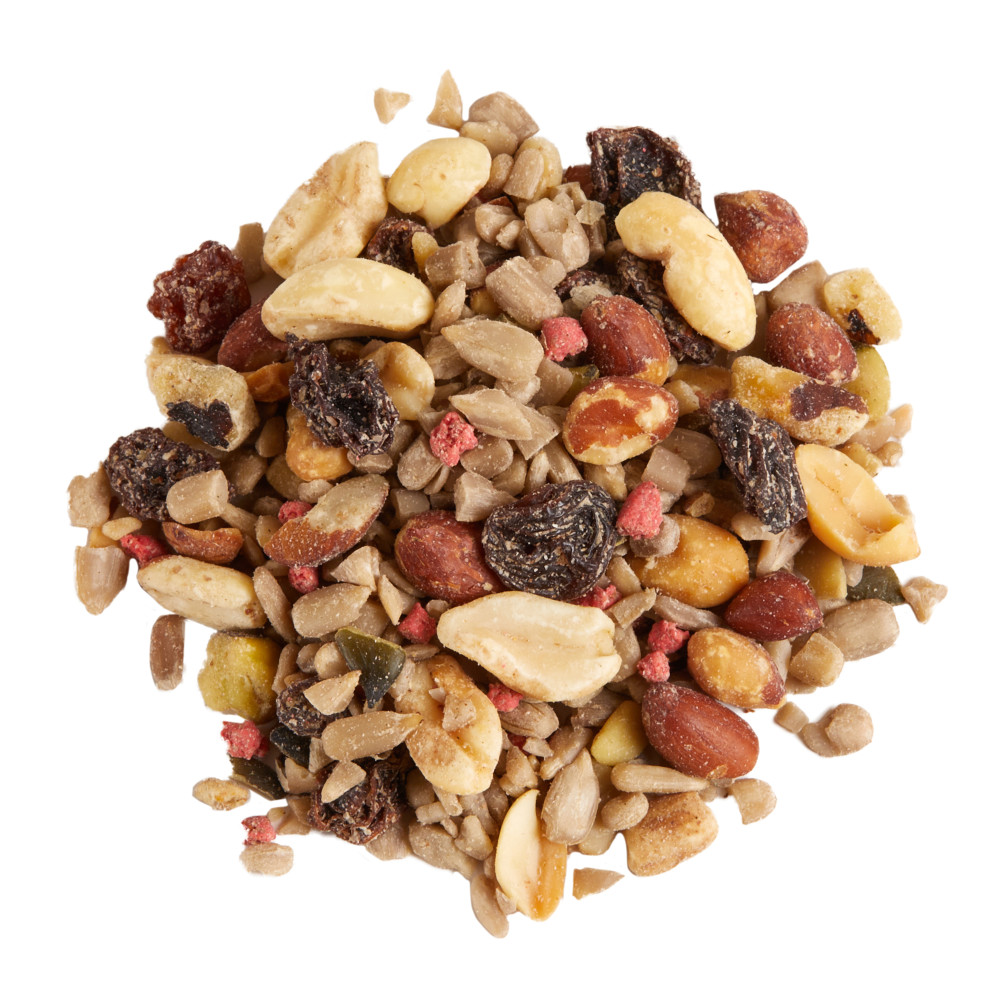
Credit: www.kaytee.com
Types Of Waste Free Bird Seed
Waste free bird seed helps reduce trash and protect the environment. It focuses on using seeds and packaging that do not create waste.
This guide explains different types of waste free bird seed and how they help nature and birds.
Bulk Bird Seed Options
Buying bird seed in bulk reduces packaging waste. It allows you to buy only what you need. Bulk options often come in reusable containers or bags.
- Loose seeds sold by weight
- Large refill bags with minimal plastic
- Seeds from local suppliers with compostable packaging
Seed Cakes And Blocks
Seed cakes and blocks are compressed mixes of seeds and fats. Birds can eat them easily, and they last longer outdoors.
| Type | Main Ingredients | Benefits |
| Traditional Seed Cakes | Sunflower seeds, suet | Long-lasting, bird-friendly |
| Organic Seed Blocks | Organic seeds, natural fats | No chemicals, safe for wildlife |
| Peanut-Free Cakes | Mixed seeds, vegetable fats | Allergy-safe, nutritious |
Reusable Packaging Solutions
Reusable packaging cuts down waste by allowing you to refill or reuse containers. These solutions support a zero-waste lifestyle.
- Metal tins with airtight lids
- Glass jars that can be refilled
- Cloth bags made from natural fibers
- Biodegradable bags for easy composting
Choosing The Right Seed
Choosing the right bird seed helps attract local birds and reduce waste. Different birds prefer different seeds. Picking the best seed makes feeding birds easier and more fun.
Waste free bird seed means selecting seeds that birds will eat fully. This avoids leftover seeds that can spoil or attract pests.
Local Bird Preferences
Birds in your area may like certain seeds more than others. Knowing their preferences helps you pick seed types they will eat quickly.
- Finches prefer nyjer and small seeds
- Sparrows like millet and cracked corn
- Cardinals often eat sunflower seeds
- Woodpeckers enjoy suet and peanuts
- Doves go for whole millet and safflower
Seasonal Seed Selection
Season changes affect which seeds birds want. Picking seeds based on season keeps birds healthy and reduces waste.
| Season | Recommended Seeds |
| Spring | Sunflower, nyjer, millet |
| Summer | Cracked corn, safflower, peanuts |
| Fall | Sunflower, millet, suet |
| Winter | High-fat seeds like suet and peanuts |
Storing And Handling Seed
Waste free bird seed means using seed without creating extra trash. Proper storage and handling help keep seed fresh. This reduces waste and saves money.
Good seed care also protects birds from spoiled or moldy seed. Store seed carefully to keep it safe and healthy.
Reducing Waste In Storage
Store bird seed in containers that can be reused. Avoid single-use plastic bags or boxes. Use airtight containers to keep seed dry and fresh.
Buy seed in bulk to reduce packaging waste. Only buy what you can use before the seed goes bad.
- Use clear, airtight bins for easy seed checking
- Label containers with purchase date
- Keep seed in a cool, dry place
- Reuse containers instead of throwing them away
Preventing Seed Spoilage
Seed spoils when it gets wet or stays warm for too long. Moisture causes mold and bad smells. Keep seed dry to stop spoilage.
Check seed often for bugs or mold. Remove any spoiled seed to stop it from spreading to fresh seed.
- Store seed off the ground to avoid moisture
- Use containers with tight lids
- Keep seed away from direct sunlight
- Check seed regularly for freshness
Feeding Techniques
Feeding birds with waste free bird seed helps keep your yard clean. It also saves seed and reduces mess.
Using the right feeding methods makes a big difference. This guide explains how to use reusable feeders and reduce spillage.
Using Reusable Feeders
Reusable feeders hold the bird seed safely and prevent waste. They are better for the environment than single-use containers.
- Choose feeders made of durable materials like metal or hard plastic.
- Clean feeders regularly to keep birds healthy.
- Place feeders where birds feel safe and can easily access the seed.
- Refill feeders with waste free seed to avoid leftovers.
Minimizing Spillage And Waste
Spilled seed attracts pests and wastes food. Use these simple tips to minimize seed loss and keep the area tidy.
| Technique | Benefit |
|---|---|
| Use seed trays or catch basins | Catches spilled seed for easy cleanup |
| Place feeders over hard surfaces | Prevents seed from sinking into soil |
| Fill feeders carefully | Reduces overflow and seed dropping |
| Choose seed types less prone to scatter | Limits waste from wind or birds |
Sourcing Waste Free Bird Seed
Waste free bird seed helps feed birds without creating trash. It comes without plastic or extra packaging. This makes it good for the environment and the birds.
Finding waste free bird seed means looking at where you buy it. Choosing local and eco-friendly sources can reduce waste and support green habits.
Local Suppliers And Co-ops
Local suppliers and co-ops often sell bird seed in bulk. This lets you bring your own containers and avoid single-use packaging. Many co-ops focus on organic or natural seeds that are good for wildlife.
- Visit local farmers markets or garden centers.
- Ask if they offer bulk seed or refill stations.
- Join a co-op to get discounts and share resources.
- Support stores that use paper or compostable bags.
Online Eco-friendly Retailers
Many online shops sell waste free bird seed. They use minimal or recyclable packaging. Some offer seed blends tailored to different bird species. Check the product details to make sure the packaging matches your zero waste goals.
| Retailer | Packaging Type | Seed Types |
| GreenNest Seeds | Compostable bags | Sunflower, millet, mixed |
| EcoBird Supply | Bulk refill options | Native wild bird blends |
| PureEarth Wildfeed | Recyclable paper bags | Organic sunflower, safflower |
Additional Eco-friendly Practices
Using waste free bird seed is just one way to help the environment. There are other simple actions to take. These practices reduce waste and support nature.
Below are two important eco-friendly practices to add when feeding birds. They help make the process cleaner and better for wildlife.
Composting Seed Waste
Composting leftover seed waste turns it into valuable soil. This reduces landfill trash and enriches gardens. It is easy to do at home with a compost bin.
- Collect old or uneaten seed in a container.
- Add the seed waste to your compost pile or bin.
- Mix the compost regularly to speed breakdown.
- Use finished compost to nourish plants and flowers.
Supporting Wildlife Habitats
Creating safe places helps birds and other animals thrive. You can make habitats using natural materials and plants. This supports biodiversity in your area.
| Action | Benefit |
| Plant native shrubs | Offers food and shelter |
| Leave dead wood | Provides nesting spots |
| Install birdhouses | Protects young birds |
| Keep water sources clean | Supports hydration needs |

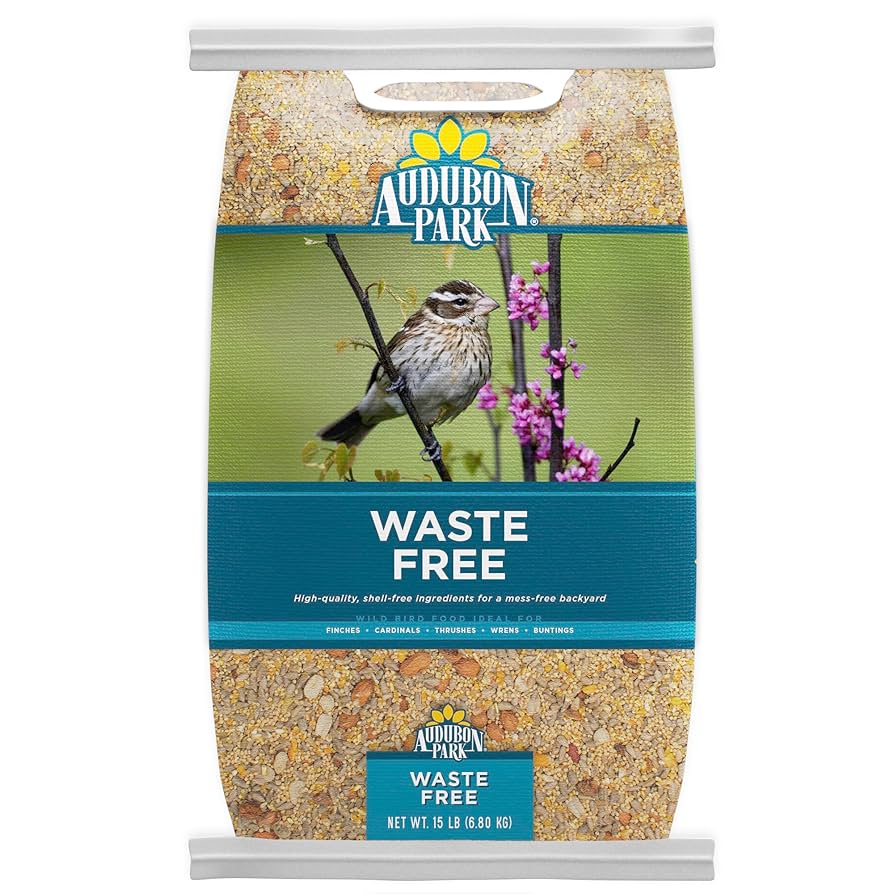
Credit: www.amazon.com
Frequently Asked Questions
What Is Waste Free Bird Seed?
Waste free bird seed is a blend that produces minimal shell debris. It contains only seeds birds fully eat, reducing mess and waste. This seed mix helps keep bird feeders and surrounding areas clean. It is popular among bird enthusiasts seeking tidy feeding solutions.
How Does Waste Free Bird Seed Benefit Birds?
Waste free bird seed provides nutritious, edible seeds with no shells. Birds can consume all parts, leading to less discarded waste. This improves feeding efficiency and reduces the risk of mold or pests around feeders. It supports healthier bird environments.
Why Choose Waste Free Bird Seed For Feeders?
Choosing waste free bird seed keeps feeders cleaner for longer periods. It minimizes seed hulls that attract unwanted pests and rodents. This type of seed mix enhances the feeding experience by reducing cleanup time and maintaining a tidy feeding area.
Which Birds Prefer Waste Free Bird Seed?
Many songbirds like finches, chickadees, and nuthatches prefer waste free seed. These birds easily eat small, hull-free seeds like sunflower hearts or millet. Providing waste free seed attracts a variety of clean-feeding birds to your garden.
Conclusion
Embracing waste free bird seed benefits both nature and your backyard. Birds enjoy clean, nutritious meals without messy leftovers. This helps maintain a tidy environment. It’s a smart choice for bird lovers who care about sustainability. Your garden stays cleaner, attracting more vibrant bird life.
Waste free options reduce pollution and support wildlife. Investing in quality seed pays off with healthier birds. It encourages responsible feeding habits. Choose wisely and enjoy a flourishing, feathered community. This simple switch makes a big difference for the environment.