Are you looking for the perfect bird seed to attract colorful, happy birds to your backyard? White millet bird seed might be exactly what you need.
It’s a favorite among many wild birds, and knowing why can help you create a lively, vibrant outdoor space. You’ll discover what white millet bird seed is, why birds love it, and how it can make your bird-feeding experience more enjoyable.
Keep reading to find out how this simple seed can bring nature closer to you.

Credit: www.amazon.ca
White Millet Bird Seed Basics
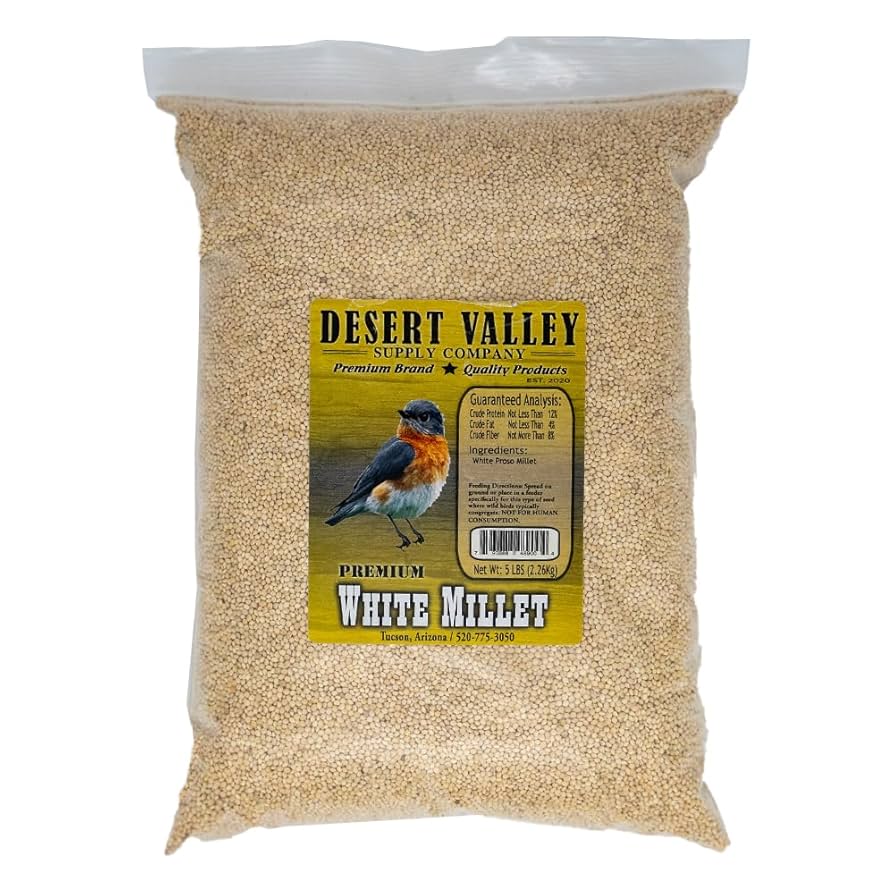
White millet is a small, round seed commonly used as bird food. It is popular because many birds enjoy eating it. White millet is easy to store and handle.
This seed is a good source of energy for wild and pet birds. It is often mixed with other seeds in bird feed blends.
Origin And Varieties
White millet grows mainly in warm regions around the world. It has been farmed for thousands of years. The seed comes from different millet plants.
The most common type used for bird seed is called proso millet. It has a light color and small size. Other millet types include foxtail and pearl millet, but they are less used for birds.
Common Uses In Bird Feeding
White millet is popular for feeding many wild birds like sparrows and finches. It is also used in pet bird diets such as for parakeets and canaries.
People often put white millet in feeders or mix it with other seeds. It helps attract a variety of birds to gardens and yards.
- Used in wild bird feeders
- Included in pet bird seed mixes
- Good for ground-feeding birds
- Easy to digest for most birds
Nutritional Profile
White millet bird seed is a popular choice for feeding many bird species. It offers a balanced mix of nutrients that support bird health. Understanding its nutritional profile helps bird owners provide better care.
This seed contains important macronutrients, vitamins, minerals, and energy that birds need daily. Each part of its profile plays a role in bird growth and vitality.
Macronutrients Content
White millet contains a good balance of carbohydrates, proteins, and fats. These macronutrients fuel birds and help maintain their body functions.
- Carbohydrates:Main energy source, about 70% of the seed.
- Proteins:Supports muscle and feather growth, around 11%.
- Fats:Provides essential fatty acids and energy, roughly 4%.
Vitamins And Minerals
White millet is rich in key vitamins and minerals needed for bird health. These nutrients support the immune system and overall wellness.
| Vitamin/Mineral | Role | Approximate Amount |
|---|---|---|
| Vitamin B6 | Helps metabolism and brain function | 0.4 mg per 100g |
| Iron | Important for blood health | 3.1 mg per 100g |
| Magnesium | Supports muscle and nerve function | 110 mg per 100g |
| Phosphorus | Needed for strong bones and energy | 280 mg per 100g |
| Zinc | Boosts immune response | 2.0 mg per 100g |
Energy Value For Birds
Birds need energy to stay active and healthy. White millet provides enough calories for daily activities and flight.
- Provides about 350 kilocalories per 100 grams.
- Easy to digest, so birds absorb energy quickly.
- Supports energy needs for small to medium-sized birds.
Benefits For Birds
White millet bird seed is a popular choice for many bird species. It offers many health benefits that help birds stay strong and active.
This seed is easy to digest and provides essential nutrients that support birds' daily needs.
Supports Feather Health
White millet contains important vitamins that keep feathers shiny and strong. Healthy feathers help birds fly and stay warm.
The seed provides proteins and nutrients that repair damaged feathers and promote new growth.
Boosts Energy Levels
Birds need energy to fly, find food, and stay alert. White millet offers carbohydrates that give quick energy.
It helps birds stay active throughout the day by providing a steady energy source.
Aids Digestion
White millet is easy to digest, which helps birds absorb nutrients better. Good digestion means healthier birds.
The seed also supports gut health and can reduce digestive problems in birds.

Credit: www.amazon.co.uk
Choosing Quality White Millet
White millet is a popular bird seed. It provides good nutrition and energy for many birds. Picking high-quality white millet helps keep birds healthy.
Look carefully at the millet before buying. Good quality seed looks fresh and clean. It should not have dust or broken pieces.
Appearance And Freshness
High-quality white millet has a bright, creamy color. The seeds should look whole and smooth. Avoid millet that looks dull or faded.
Fresh seeds smell mild and natural. Old or stale millet may smell musty or sour. Check the package date to ensure freshness.
Storage Tips
Store white millet in a cool, dry place. Keep it away from sunlight and moisture. This helps keep the seeds fresh longer.
Use airtight containers to protect the seed from pests. Check the stored millet regularly for any signs of spoilage.
Avoiding Contaminants
Choose white millet that is free from dirt and debris. Contaminants can harm birds or make the seed less nutritious.
- Look for clean seed without stones or plant material
- Avoid packages with broken or crushed seeds
- Check for signs of mold or insect damage
Feeding Tips And Practices
White millet bird seed is a popular choice for many bird owners. It offers good nutrition and is easy to digest. Feeding birds the right way helps keep them healthy and happy.
Understanding which birds like white millet and how to feed it properly can improve your feeding routine. This guide covers suitable bird species, mixing with other seeds, and feeding frequency.
Suitable Bird Species
White millet is best for small to medium-sized seed-eating birds. It is soft and easy to crack, making it ideal for these birds’ beaks.
- Finches
- Canaries
- Parakeets (Budgerigars)
- Lovebirds
- Small doves
Mixing With Other Seeds
Mix white millet with other seeds to provide a balanced diet. Birds enjoy variety, which helps them get different nutrients.
| Seed Type | Benefit |
| White Millet | Easy to digest, good energy source |
| Sunflower Seeds | High in fat and protein |
| Safflower Seeds | Rich in oil and fiber |
| Nyjer Seeds | Good for small birds, high in oil |
Frequency And Quantity
Feed white millet in moderation to avoid overfeeding. Too much can lead to obesity and health problems in birds.
- Offer fresh seeds daily
- Provide about one to two teaspoons per bird each day
- Remove leftover seeds after 24 hours to keep food fresh
- Adjust quantity based on bird size and activity level
Potential Drawbacks
White millet bird seed is a popular choice for many bird owners. It provides energy and nutrients but has some potential drawbacks. It is important to know about these issues before feeding it regularly.
This section covers two main concerns: allergic reactions and overfeeding risks. Understanding these helps keep your birds safe and healthy.
Allergic Reactions
Some birds may develop allergies to white millet. Signs include itching, redness, or swelling around the beak and eyes. Respiratory problems can also occur if the bird inhales dust from the seeds.
- Skin irritation or rashes
- Swollen eyes or beak area
- Coughing or sneezing
- Loss of feathers in some cases
If you notice any allergic signs, stop feeding white millet and consult a vet. Introducing new seeds slowly can help identify allergies early.
Overfeeding Risks
Feeding too much white millet can cause health problems. It is high in calories and low in some essential nutrients. Overfeeding may lead to obesity and nutrient imbalances.
| Risk | Effect on Birds |
| Obesity | Weight gain, reduced mobility |
| Malnutrition | Deficiency in vitamins and minerals |
| Digestive Issues | Diarrhea or upset stomach |
Limit white millet to a small part of the diet. Balance with other seeds and fresh foods for bird health.

Credit: www.countrymax.com
Frequently Asked Questions
What Is White Millet Bird Seed Used For?
White millet bird seed is mainly used to feed small pet birds and wild birds. It is a nutritious, easy-to-digest grain that attracts finches, canaries, and other small birds. It provides essential carbohydrates and energy for birds’ daily activities.
Why Is White Millet Popular Among Bird Owners?
White millet is popular because it is affordable, widely available, and highly palatable to many bird species. It promotes healthy digestion and is an excellent source of energy. Its small size makes it easy for small birds to consume.
Can White Millet Benefit Wild Birds?
Yes, white millet is a nutritious food for wild birds. It attracts seed-eating species such as sparrows, doves, and finches. It helps wild birds maintain energy, especially during colder months when natural food is scarce.
How Should White Millet Be Stored For Birds?
Store white millet in a cool, dry place away from moisture. Use airtight containers to maintain freshness and prevent mold. Proper storage extends shelf life and ensures seeds stay nutritious for birds.
Conclusion
White millet bird seed is a nutritious choice for many birds. It offers a good source of energy and nutrients. Birds enjoy its small size and easy-to-eat texture. Feeding white millet can attract a variety of wild birds to your yard.
It supports their health and helps them stay active. Using white millet in your bird seed mix is simple and effective. Try it to provide a natural, healthy treat for your feathered friends. Your birds will thank you with their lively visits and cheerful songs.