Have you ever wondered what kind of bird you might spot if you find yourself in the vast savanna? The savanna is home to some of the most fascinating and unique birds on the planet.
These birds are not only beautiful but also play a vital role in the ecosystem. If you’re curious about which birds rule this open landscape, keep reading. By the end of this article, you’ll know exactly what to look for and why these birds are so special.
Your next nature adventure could become even more exciting with this knowledge!
Birds Of The Savanna
The savanna is a wide open grassland with few trees. Many birds live in this habitat. These birds have special skills to survive here.
Birds in the savanna eat different foods. They find water and shelter in trees or tall grass. Some birds hunt for insects or small animals.
Secretary Bird
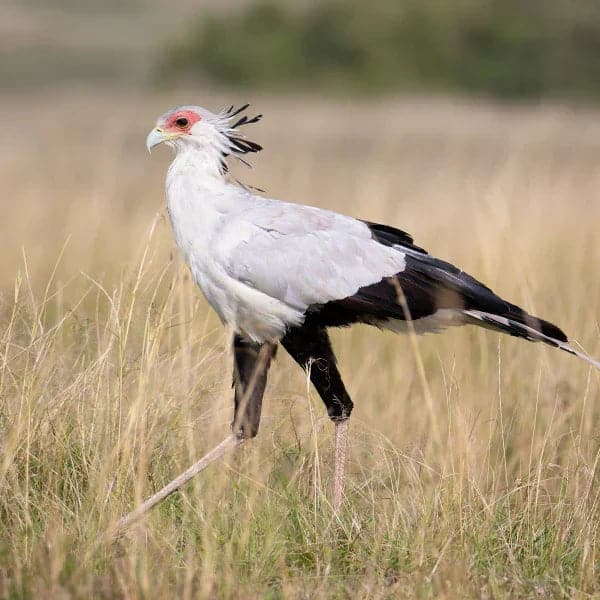
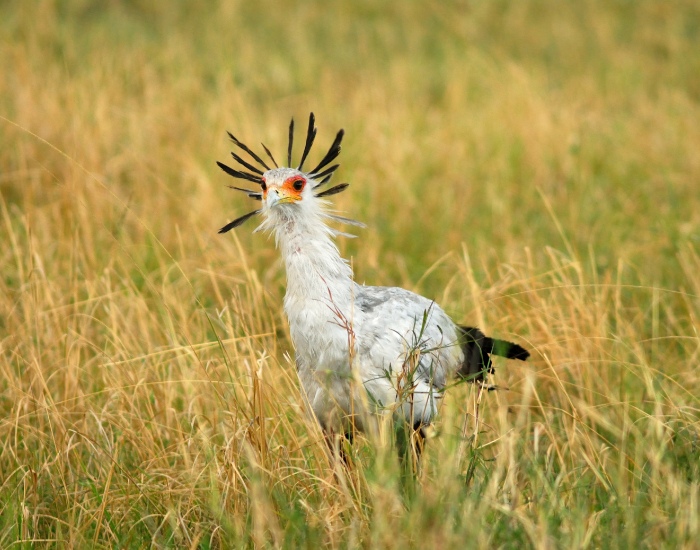
The Secretary Bird is a tall bird with long legs. It walks on the ground to catch snakes and insects. Its sharp eyes help it find prey from far away.
This bird uses its strong legs to stomp on snakes. It can run fast to chase small animals. The Secretary Bird builds its nest in trees.
Lilac-breasted Roller
The Lilac-breasted Roller has bright, colorful feathers. It is often seen flying low over the grass. This bird eats insects and small reptiles.
It likes to sit on trees or posts to watch for food. When it spots prey, it dives quickly to catch it. The bird also makes loud calls to mark its territory.
Vultures
Vultures are large birds that eat dead animals. They have strong beaks to tear meat from bones. Vultures help keep the savanna clean by eating carrion.
They fly high in the sky to find food. Their sharp eyesight helps them spot carcasses from far away. Vultures often gather in groups when feeding.
Hornbills
Hornbills have large, curved bills. They use their bills to catch fruit and insects. Some hornbills also eat small animals like lizards.
They live in trees and build nests in holes. Male hornbills bring food to the female and chicks inside the nest. Hornbills are important for spreading seeds.
Weaver Birds
Weaver birds are small and build woven nests from grass. They live in large groups called colonies. These birds eat seeds and insects found in the savanna.
Male weavers build the nests to attract females. The nests hang from tree branches or tall grass. Weaver birds help control insect populations.
Common Savanna Bird Species
The savanna is home to many unique bird species. These birds adapt well to the open grasslands and scattered trees.
Birdwatchers often spot colorful and large birds that thrive in this dry habitat. Each species has special traits that help it survive.
Secretary Bird
The Secretary Bird stands out with its long legs and tall body. It hunts snakes and small animals on the ground.
This bird uses its strong feet to kick prey. It often walks slowly through grass while searching for food.
Lilac-breasted Roller
The Lilac-breasted Roller shows bright colors like blue, green, and purple. It flies fast and catches insects in the air.
- Bright lilac breast
- Long tail feathers
- Sharp, curved beak
- Calls with a harsh, rolling sound
Ostrich
The Ostrich is the largest bird on Earth. It cannot fly but runs very fast to escape danger.
| Feature | Description |
| Height | Up to 9 feet tall |
| Weight | Up to 350 pounds |
| Speed | Can run 45 mph |
| Diet | Plants, seeds, insects |
Hornbills
Hornbills have large curved bills with a casque on top. They eat fruits and small animals.
Hornbill species differ by size and color. Some live in trees, others near water.
- Thick, strong beak for cracking food
- Nest in tree holes
- Important for seed spreading
Weaver Birds
Weaver Birds are known for their woven nests. They build these nests hanging from tree branches.
- Small, social birds
- Bright yellow or red feathers
- Use grass and twigs for nests
- Live in large colonies
Adaptations To Savanna Life
Birds living in the savanna have special traits to survive. The savanna is a hot, dry place with open grasslands and few trees.
These birds must find food, hide from predators, and build safe nests in this tough environment.
Camouflage And Coloration
Many savanna birds have colors that blend with dry grass and soil. This helps them hide from predators and sneak up on prey.
Colors like browns, tans, and yellows are common. Some birds have patterns that break up their shape.
- Brown and tan feathers match dry grass
- Striped or spotted patterns confuse predators
- Some birds change color with seasons
Feeding Habits
Savanna birds eat a variety of foods, such as insects, seeds, and small animals. They must find food in dry, open areas.
Many birds catch insects on the ground or in the air. Others eat seeds from grasses and plants.
- Insect-eating birds have sharp beaks
- Seed-eaters have strong, thick beaks
- Some birds hunt small reptiles or rodents
Nesting Techniques
Birds build nests that protect their eggs from heat and predators. Nests are often hidden in grass or bushes.
Some birds build nests on the ground, while others use trees or termite mounds for safety.
- Ground nests are low and well-hidden
- Tree nests stay safe from ground animals
- Termite mounds offer warmth and protection
Credit: www.wildlifenomads.com
Bird Behavior In The Savanna
Birds in the savanna live in a unique environment with open grasslands and scattered trees. Their behavior changes with the seasons and weather.
They adapt their habits to find food, protect themselves, and raise their young in this challenging habitat.
Migration Patterns
Many savanna birds migrate to find food and better climates. They travel long distances during dry seasons.
Some birds return to the savanna to breed when the rainy season begins. Migration helps them survive harsh conditions.
- Move to wetter areas during dry months
- Return in rainy season for nesting
- Use landmarks and the sun to navigate
Mating Rituals
Savanna birds use special behaviors to attract mates. These include colorful displays and unique dances.
Some species build nests or perform calls to show strength and attract partners. These rituals are important for survival.
- Bright feathers show health
- Dancing and flying displays attract mates
- Building nests signals readiness to breed
Territorial Calls
Birds in the savanna use calls to protect their territory. Loud sounds warn other birds to stay away.
These calls help maintain space for feeding and nesting. Each species has its own unique sound.
- Calls mark hunting and nesting areas
- Different sounds for different species
- Help avoid fights by warning rivals
Role In The Ecosystem
Birds in the savanna play important roles in nature. They help keep the ecosystem balanced and healthy. Their activities support many plants and animals.
These birds do more than just live in the savanna. They help plants grow, control pests, and assist in pollination. Each role helps the environment thrive.
Seed Dispersal
Savanna birds spread seeds from fruits they eat. This helps new plants grow far from the parent plant. Seed dispersal increases plant diversity.
Some birds swallow seeds and later drop them in new places. Others carry seeds on their feathers or feet. This moves plants to new areas.
- Fruit-eating birds drop seeds in fresh soil
- Seeds can grow into new plants
- Plants spread over large areas
Pest Control
Birds in the savanna eat many insects and small pests. This keeps pest numbers low and protects plants. Pest control helps crops and wild plants stay healthy.
Some birds catch insects from trees and grass. Others hunt on the ground. Their feeding habits reduce damage caused by pests.
- Birds eat harmful insects
- Reduced insect damage to plants
- Supports healthier plant growth
Pollination
Certain savanna birds help flowers make seeds. They carry pollen from one flower to another. This process is called pollination and it helps plants reproduce.
Birds visit flowers to drink nectar. While feeding, pollen sticks to their feathers. When they go to the next flower, pollen spreads and fertilizes it.
- Birds carry pollen between flowers
- Helps plants create seeds and fruit
- Supports plant reproduction in the savanna

Credit: travelingtulls.com
Threats To Savanna Birds
Savanna birds face many dangers that affect their survival. These threats come from changes in their environment and human actions.
Understanding these threats helps us protect these birds and their homes better.
Habitat Loss
Many savanna birds lose their homes due to habitat loss. Trees and grasslands are cut down for farming or buildings. This leaves birds with less space to live and find food.
- Deforestation reduces nesting areas
- Farming changes the natural landscape
- Urban growth fragments bird habitats
Climate Change
Climate change changes weather patterns in savannas. Rainfall becomes unpredictable. Some areas get drier, while others may flood. Birds struggle to adapt to these changes.
| Climate Effect | Impact on Birds |
| Drought | Less water and food available |
| Flooding | Nests and eggs can be destroyed |
| Temperature rise | Changes migration and breeding times |
Human Activities
Human actions directly harm savanna birds. Hunting and trapping reduce bird numbers. Pollution from chemicals affects their health. Noise and light disturb their natural behavior.
Common human threats include:
- Illegal hunting for feathers or food
- Use of pesticides that poison birds
- Construction that disturbs bird nesting sites
Conservation Efforts
Birds in the savanna face many challenges like habitat loss and hunting. Conservation helps protect these birds and their homes.
Efforts to save savanna birds focus on safe areas, local people, and science to keep bird numbers healthy.
Protected Areas
Protected areas are lands where hunting and farming are limited. These places keep bird homes safe.
Many savanna birds live in national parks and reserves. These areas help birds find food and breed safely.
- National parks prevent habitat destruction
- Wildlife reserves offer safe breeding grounds
- Protected zones limit harmful human activity
Community Involvement
Local people help protect birds by joining conservation projects. Their knowledge supports bird survival.
Communities work on planting trees and stopping illegal hunting. They also teach others why birds matter.
- Villagers monitor bird nests
- Community groups organize clean-up events
- Education programs raise awareness
Research And Monitoring
Scientists study bird numbers and habits to understand their needs. This helps improve conservation plans.
Tracking birds over time shows if populations grow or shrink. Data guides where to focus protection efforts.
- Bird banding tracks movement and lifespan
- Surveys count species and population size
- Behavior studies reveal feeding and breeding habits

Credit: www.wildlifenomads.com
Frequently Asked Questions
What Types Of Birds Live In The Savanna?
Savanna birds include species like ostriches, secretary birds, and hornbills. These birds adapt well to open grasslands and scattered trees.
How Do Savanna Birds Survive Harsh Conditions?
Savanna birds survive by finding water, eating insects and seeds, and nesting in trees or on the ground. Their behaviors help them cope with heat and predators.
Which Bird Is The Largest In The Savanna?
The ostrich is the largest bird in the savanna. It can run fast and has strong legs for defense and mobility.
Are There Any Migratory Birds In The Savanna?
Yes, many savanna birds migrate seasonally to find food and better climate. Examples include some stork and swallow species.
Conclusion
Birds in the savanna offer a rich tapestry of life. From the majestic ostrich to vibrant bee-eaters, each bird plays a role. They adapt to the harsh environment with unique skills. Their songs and colors bring the savanna to life.
Observing them can teach us much about nature. Appreciate the diversity and beauty they offer. Next time you explore, notice these feathered wonders. Each bird tells a story of survival and adaptation. The savanna’s birdlife is a treasure worth discovering.
Embrace their presence and learn from them. Nature’s lessons await in every chirp and flight.