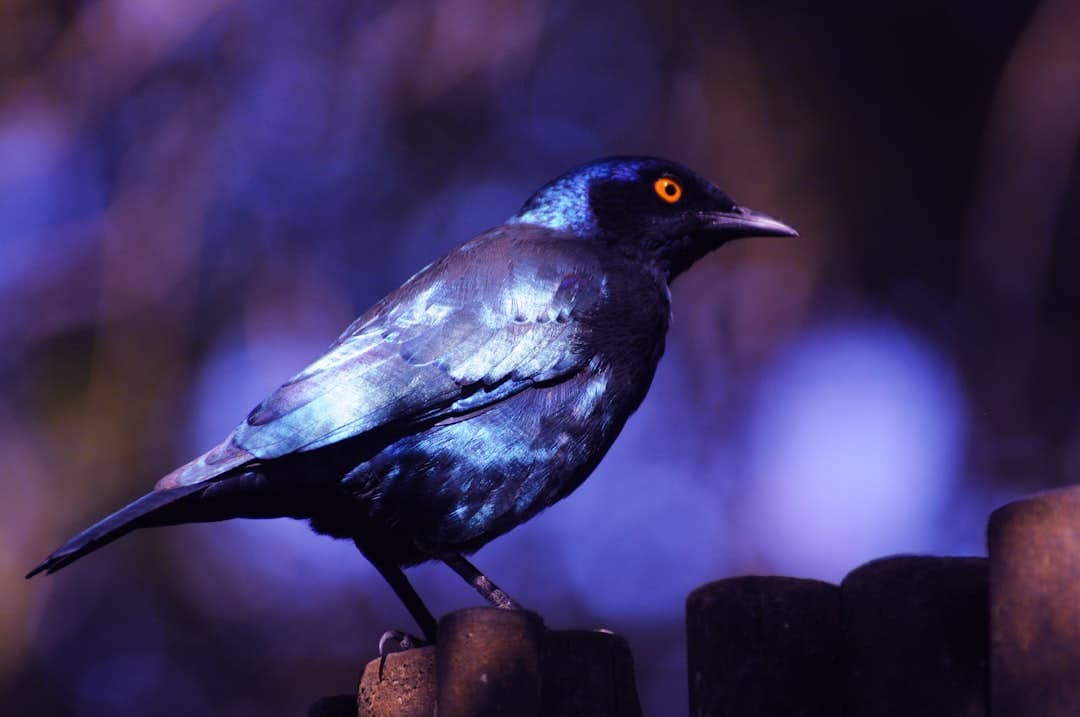
Have you ever been kept awake by mysterious bird sounds in the middle of the night? Those nighttime calls can be puzzling, even a little unsettling.
But understanding what kind of bird makes noise at night can change how you feel about those sounds. You might discover fascinating facts about nature right outside your window. Keep reading, and you’ll learn which birds are behind those nighttime songs—and why they choose the dark to sing.
This knowledge will make your nights more peaceful and your curiosity satisfied.
Credit: timesofindia.indiatimes.com
Nocturnal Bird Calls
Birds that make noise at night are often active during dark hours. These sounds help them communicate in low light.
Nocturnal bird calls can be curious and sometimes eerie. Understanding why birds call at night helps us learn about their habits.
Why Birds Call At Night
Birds call at night for many reasons. They use sounds to mark territory or find mates. Night calls can also warn others of danger.
- To claim their territory
- To attract a mate
- To communicate with their flock
- To signal danger or alert predators
- To navigate in the dark
Types Of Nighttime Sounds
Different birds make different sounds at night. These include hoots, whistles, and screeches. Each sound has a purpose.
| Bird Species | Type of Sound | Purpose |
| Owls | Hooting | Marking territory and calling mates |
| Nighthawks | Chirping and peent calls | Attracting mates and communication |
| Whip-poor-wills | Repetitive calls | Establishing territory |
| Common Poorwills | Low-pitched calls | Nighttime communication |
Owls: The Classic Night Callers
Owls are famous for their sounds at night. Their calls are unique and easy to recognize.
Many people hear owls hooting in the dark. These calls are important for their lives.
Common Owl Species And Their Calls
- Great Horned Owl:Deep hoots that sound like “hoo-hoo-hoo”.
- Barred Owl:A loud “who cooks for you” call.
- Eastern Screech Owl:Trilling or whinnying sounds.
- Barn Owl:Sharp screeches and hisses.
Purpose Of Owl Vocalizations
| Reason | Description |
| Territory | Owls call to mark their area and warn others. |
| Attracting Mates | Calls help owls find a partner during breeding. |
| Communication | Owls use sounds to talk to family or young ones. |
| Warning | Calls can scare off predators or threats. |
Nightjars And Their Unique Songs
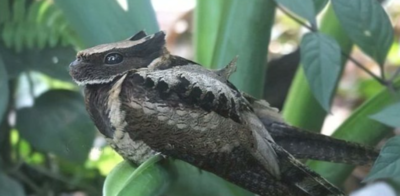
Nightjars are birds known for their quiet, camouflaged nature. They make strange sounds at night that many people find curious.
Their calls help them find mates and mark their territory in the dark. Learning about these calls can help you identify them easily.
Identifying Nightjar Calls
Nightjars produce a variety of sounds that stand out during the night. Their calls are often repetitive and have a mechanical feel.
- Churring: A continuous, low buzzing sound.
- Chips: Short, sharp notes used to communicate.
- Whistles: Clear, high-pitched sounds to attract mates.
- Clicks: Soft, quick tapping noises made with their beaks.
Behavior During Nighttime
Nightjars are mainly active after sunset. They hunt flying insects using their wide mouths and silent flight.
| Activity | Description |
| Hunting | Catch insects in flight using sharp eyesight and silent wings. |
| Calling | Make songs to communicate and defend their space. |
| Resting | Stay still on the ground during the day, blending with leaves. |
Credit: abcbirds.org
Other Nocturnal Birds
Many birds are active at night and make unique sounds. These noises help them communicate and find mates.
Besides owls, some birds like nighthawks and whip-poor-wills also call at night. Their sounds are easy to recognize.
Nighthawks And Their Sounds
Nighthawks are night birds that fly quickly and silently. They often make a sharp “peent” sound while flying.
Their calls can sound like a buzzy or nasal noise. These sounds help them find other nighthawks during the night.
- Sharp “peent” call during flight
- Buzzy or nasal sounds
- Used to communicate with other nighthawks
Whip-poor-wills And Their Calls
Whip-poor-wills make a very clear, repeating call. It sounds like they say “whip-poor-will” over and over.
Their call is loud and echoes well at night. This helps them mark their territory and attract mates.
- Repeating “whip-poor-will” sound
- Loud and clear at night
- Used to mark territory and attract mates
Factors Influencing Nighttime Bird Calls
Many birds make noise at night for different reasons. These sounds help them communicate and survive.
Understanding why birds call at night helps us learn about their behavior and environment.
Breeding And Territorial Reasons
Birds often call at night to protect their territory from other birds. The calls warn others to stay away.
Nighttime calls also help attract mates. Some birds sing to show they are healthy and ready to breed.
- Marking territory to avoid fights
- Attracting a mate with loud calls
- Communicating with a partner
Environmental Triggers
Birds respond to sounds and lights around them at night. These triggers can make them call more often.
Weather changes like wind or rain can also affect how birds call. Some calls warn about danger or bad weather.
- Noise from other animals or humans
- Artificial light from streets or houses
- Changes in weather and temperature

Credit: extension.msstate.edu
How To Identify Night Birds By Sound
Many birds sing or call at night. Their sounds help us know which birds are near.
Learning to recognize these night bird sounds takes practice. You can use tools and tips to improve.
Using Audio Guides And Apps
Audio guides play bird calls so you can listen and learn. They help you match sounds to bird types.
Apps can record bird sounds and suggest possible matches. Many apps work offline for remote places.
- Use clear, slow recordings to hear details
- Compare calls with different bird species
- Try apps that include night bird sounds
- Record sounds to study later
Tips For Nighttime Birdwatching
Go outside on quiet nights to listen carefully. Use a flashlight with a red filter to avoid startling birds.
Note the pitch, rhythm, and length of bird calls. Write down what you hear to track your progress.
- Choose calm, dark locations away from noise
- Bring binoculars for spotting birds in low light
- Stay still and be patient to hear more calls
- Learn common night bird sounds before going out
Frequently Asked Questions
What Bird Is Known For Night-time Calls?
Owls are the most common birds making noise at night. They use calls to communicate and hunt in darkness. Different species produce distinct hoots or screeches that are easily recognizable.
Why Do Some Birds Sing At Night?
Birds sing at night to attract mates or defend territory. Night singing is common during breeding season. Artificial lights can also encourage birds to vocalize after dark.
Which Birds Make Hooting Sounds At Night?
Owls primarily produce hooting sounds at night. Their calls vary by species and help locate mates or signal danger. Barn owls and great horned owls are well-known hooters.
Are Night Bird Calls Harmful Or Beneficial?
Night bird calls are generally beneficial, aiding in communication and survival. They help birds find partners and warn of predators. Nighttime sounds also enrich natural ecosystems without causing harm.
Conclusion
Birds singing at night create a magical experience. Their songs can soothe or alert us. Owls, nightingales, and mockingbirds are common nighttime singers. Each has its own unique call. Understanding these sounds connects us to nature. It helps us appreciate our surroundings.
Listening to birds at night can be relaxing. It offers a peaceful end to a busy day. So next time, listen closely. Enjoy the natural symphony outside your window. Let nature’s melody lull you to sleep. Embrace the night song and its mysterious charm.
Who knows what secrets these birds share?