If you love watching birds visit your garden, you probably wonder which seed will bring the most feathered friends to your yard. Choosing the right seed can turn your outdoor space into a lively bird paradise.
But with so many options out there, how do you know which one works best? You’ll discover the top seeds that attract the widest variety of birds. Keep reading, and you’ll learn simple tips to make your bird feeders the hottest spot in your neighborhood.
Credit: www.kaytee.com
Popular Bird Seeds
Birds are attracted to different types of seeds. Offering the right seeds helps you enjoy more visitors to your feeder.
Here are some popular seeds that attract many kinds of birds to your backyard.
Black Oil Sunflower Seeds
Black oil sunflower seeds are a favorite for many bird species. They have a thin shell that is easy for birds to crack open. These seeds provide high energy because of their fat content.
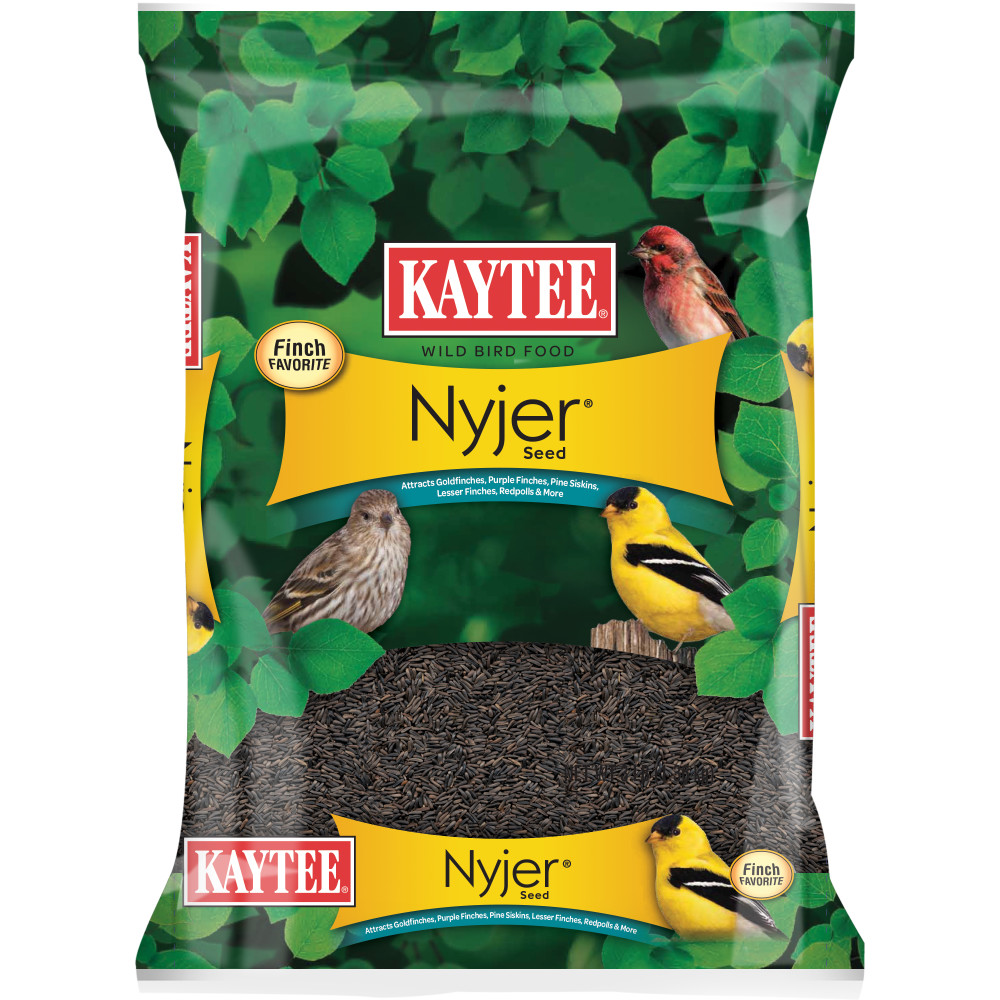
Nyjer Seeds
Nyjer seeds are tiny and black. They attract small birds like finches. Nyjer seeds are high in oil and rich in nutrients. They need special feeders with small holes to prevent spilling.
Millet Seeds
Millet seeds are small and round. Ground-feeding birds like doves and sparrows enjoy millet. It is often found in mixed birdseed blends. Millet is easy to digest and full of carbohydrates.
- White proso millet is the most popular type.
- Millet is best spread on the ground or in platform feeders.
- It helps attract a wide variety of small birds.
Safflower Seeds
Safflower seeds have a hard white shell. They attract cardinals, chickadees, and grosbeaks. Squirrels and blackbirds usually avoid safflower seeds.
| Seed Type | Best For | Birds Attracted |
|---|---|---|
| Black Oil Sunflower | All feeders | Cardinals, finches, chickadees |
| Nyjer | Special nyjer feeders | Goldfinches, siskins, redpolls |
| Millet | Ground or platform feeders | Doves, sparrows, juncos |
| Safflower | Tube and platform feeders | Cardinals, chickadees, grosbeaks |
Birds Attracted To Each Seed
Different bird seeds attract different types of birds. Choosing the right seed helps you see more birds in your yard.
Knowing which birds like each seed makes feeding easier and more fun. Let’s look at popular seeds and their fans.
Sunflower Seed Lovers
Sunflower seeds are one of the most popular bird seeds. Many birds find them tasty and easy to eat.
Black oil sunflower seeds attract many types of birds because they have thin shells and lots of oil.
- Cardinals
- Chickadees
- Finches
- Nuthatches
- Woodpeckers
- Titmice
Nyjer Seed Fans
Nyjer seed is tiny and rich in oil. It is perfect for small-beaked birds that like to feed on tiny seeds.
Special feeders are used for nyjer to keep the small seeds from spilling out.
- American goldfinches
- Pine siskins
- Redpolls
- House finches
Millet Seed Eaters
Millet is a small, round seed often found in mixed birdseed blends. It is easy for ground-feeding birds to eat.
White proso millet is the favorite type for many birds that feed on the ground or low branches.
- Juncos
- Sparrows
- Doves
- Towhees
- Bobwhite quail
Safflower Seed Followers
Safflower seeds are larger and have a hard shell. Some birds like them while others avoid them.
This seed is good to use if you want to keep squirrels or unwanted birds away.
- Cardinals
- Chickadees
- Groove-billed anis
- House finches
Seed Quality And Freshness
Birds are attracted to seeds that are fresh and of good quality. Fresh seeds provide better nutrition and taste. This encourages birds to visit your feeder more often.
Choosing the right seeds means understanding how freshness and quality affect birds. Fresh seeds keep their oils and nutrients intact. This makes them more appealing to birds.
Importance Of Fresh Seeds
Fresh seeds have a higher nutritional value. Old seeds lose oils and become dry. Birds prefer seeds that are full of flavor and energy.
- Fresh seeds attract more birds
- They provide better energy for birds
- Birds avoid moldy or stale seeds
- Fresh seeds reduce waste in feeders
Signs Of Quality Seeds
Good quality seeds look clean and plump. They should not have dust or debris. The color of the seed should be natural and bright.
| Sign | What to Look For |
|---|---|
| Appearance | Seeds are whole and bright in color |
| Smell | Seeds smell fresh, not musty |
| Texture | Seeds feel firm, not soft or shriveled |
| Packaging Date | Seeds are recently packed or harvested |

Credit: www.reddit.com
Feeding Tips For Maximum Attraction
Birds love different types of seeds, but some seeds attract more birds than others. Feeding the right seeds helps bring many birds to your yard. You can enjoy watching various bird species.
To attract the most birds, you need to feed them properly. Using the right feeder, storing seeds well, and feeding at the right times will help.
Choosing The Right Feeder
Pick feeders that suit the seed type and bird size. Tube feeders work well for small seeds like millet. Hopper feeders hold larger seeds such as sunflower seeds.
Make sure the feeder is easy to clean. Clean feeders prevent mold and disease. Place feeders where birds feel safe from predators.
- Use tube feeders for small seeds
- Use hopper feeders for large seeds
- Keep feeders clean and dry
- Place feeders in sheltered spots
Seed Storage Best Practices
Store seeds in a cool, dry place to keep them fresh. Moisture causes seeds to spoil quickly. Use airtight containers to keep out bugs and moisture.
Check seeds before use. Throw away seeds that look moldy or smell bad. Fresh seeds attract more birds and keep them healthy.
- Keep seeds in airtight containers
- Store seeds in a cool, dry place
- Check seeds for mold or bad smell
- Discard spoiled seeds promptly
Feeding Frequency And Amount
Feed birds daily or every other day. Birds need a steady food supply, especially in cold weather. Avoid overfilling feeders to reduce waste.
Remove old seeds before adding new ones. Fresh seeds attract birds better and reduce the chance of disease.
- Feed birds daily or every two days
- Do not overfill feeders
- Remove old seeds before refilling
- Keep seed fresh to attract more birds
Seasonal Seed Preferences
Birds eat different seeds depending on the season. Choosing the right seed helps attract more birds to your yard. Knowing what seeds work best in spring, summer, fall, and winter can make your bird feeding successful.
Each season offers unique seed options that appeal to various bird species. This guide explains which seeds are favorites in warmer and colder months.
Spring And Summer Favorites
During spring and summer, many birds enjoy fresh and energy-rich seeds. These seeds support birds as they build nests and raise their young.
- Millet: Small birds like sparrows and finches love millet.
- Sunflower seeds: Black oil sunflower seeds attract a wide variety of birds.
- Safflower seeds: These are favored by cardinals and chickadees.
- Nyjer seeds: Perfect for finches and smaller birds.
Fall And Winter Choices
In fall and winter, birds need seeds high in fat to stay warm. These seeds help birds survive colder temperatures and scarce food supplies.
| Seed Type | Birds Attracted | Reason |
| Black oil sunflower | Cardinals, chickadees, finches | High fat content for energy |
| Peanuts | Woodpeckers, jays, nuthatches | Rich in protein and fat |
| Cracked corn | Doves, sparrows, juncos | Easy to find under snow |
| Suet pellets | Woodpeckers, nuthatches, titmice | Provides warmth and energy |

Credit: www.reddit.com
Common Mistakes To Avoid
Feeding birds with the right seed can bring many visitors to your yard. But some common mistakes can scare birds away or harm them. Knowing what to avoid helps keep birds safe and happy.
Below are key errors to watch out for when choosing and offering seed to attract birds. Fixing these can improve your bird feeding experience.
Using Moldy Or Old Seeds
Old or moldy seeds can make birds sick. Mold grows on seeds stored too long or in damp places. Birds avoid bad seeds, so they may not visit your feeder.
- Check seed freshness before buying or using.
- Store seeds in cool, dry containers.
- Throw away any seed with visible mold or bad smell.
Ignoring Local Bird Species
Different birds like different seeds. Using the wrong seed may not attract local birds you want to see. It can also waste your money on seed birds do not eat.
| Bird Species | Seed They Prefer |
| Sparrows | Milo, cracked corn |
| Finches | Nyjer, sunflower seeds |
| Cardinals | Black oil sunflower seeds |
| Woodpeckers | Suet, peanuts |
Overfeeding And Waste
Giving too much seed can cause waste and attract pests. Wet seed left on the ground can rot and harm birds. It also leads to more cleaning and mess.
To avoid problems, follow these tips:
- Offer only as much seed as birds eat in a day.
- Use feeders that reduce seed spillage.
- Clean feeders and ground areas often.
Frequently Asked Questions
What Seed Attracts The Most Wild Birds?
Black oil sunflower seeds attract the most wild birds. They have thin shells and high oil content. These seeds appeal to many bird species, including finches, cardinals, and chickadees.
Are Sunflower Seeds Best For Feeding Backyard Birds?
Yes, sunflower seeds are excellent for backyard birds. They provide essential nutrients and energy. Birds like them due to their easy-to-crack shells and rich oil content.
Which Seed Do Finches Prefer The Most?
Finches prefer nyjer (thistle) seeds the most. These tiny seeds are high in oil and easy for finches to handle. Nyjer seeds attract goldfinches and other small birds.
Can Millet Seeds Attract Different Bird Species?
Yes, millet seeds attract ground-feeding birds like sparrows and doves. White proso millet is especially popular among these species. It is a good choice for diverse bird feeding.
Conclusion
Choosing the right seeds attracts more birds to your yard. Sunflower seeds are a favorite. Easy to find and inexpensive. Millet seeds also attract many species. Nyjer seeds are great for finches. Each seed type draws different birds. Experiment with a mix of seeds.
This way, you’ll see more variety. Remember to keep feeders clean. Fresh seeds ensure health for your feathered visitors. Enjoy watching and listening to the delightful bird songs. Nature’s beauty, right in your backyard.