Imagine transforming your bird’s habitat into a vibrant and engaging space. One of the best ways to do this is by choosing the right material for perches.
Enter Manzanita—a natural wonder that could change the way your feathered friends experience their environment. You might be wondering, what makes Manzanita such a popular choice for bird perches? You’re about to uncover the secrets behind its unique qualities that not only appeal to birds but also align with their natural instincts.
Stick around, because understanding this could be the key to enhancing your bird’s well-being and happiness.
Manzanita’s Natural Strength
Manzanita wood is a popular choice for bird perches. Its natural strength supports birds well. This wood is tough and lasts a long time outside.
Bird owners like using manzanita because it is safe and sturdy. The wood’s qualities make it ideal for perches that birds can grip comfortably.
Wood Density And Hardness
Manzanita wood has a high density, which means it is heavy and solid. This hardness helps it resist scratches and cracks from bird claws.
The firm surface gives birds a strong grip. It also prevents the wood from splintering, which keeps birds safe while they perch.
- High density makes it strong
- Hard surface resists damage
- Safe for bird feet
Resistance To Weather
Manzanita wood stands up well to rain, sun, and wind. It does not rot quickly or lose its shape outside.
The natural oils in the wood protect it from moisture. This keeps the perch firm and safe for birds in all weather.
- Resists moisture damage
- Handles sun exposure well
- Maintains shape in wind
Longevity In Outdoor Settings
Manzanita perches last a long time outside. They stay strong even after many years of use.
Because of its durability, manzanita is a cost-effective choice. It does not need frequent replacement, saving time and effort.
- Long-lasting durability
- Low maintenance needed
- Good investment for outdoor use

Credit: www.amazon.com
Appealing Texture And Shape
Manzanita wood is a popular choice for bird perches. Its texture and shape make it special. Birds enjoy resting on manzanita branches.
The natural form of manzanita offers many benefits. It suits different bird sizes and helps keep their feet healthy.
Smooth, Twisted Branches
Manzanita branches are smooth and twisted. The smooth surface is gentle on birds’ feet. Twisted shapes give birds many places to grip.
The twists create natural perching spots. Birds can choose where to sit. The texture prevents slipping and keeps birds safe.
Unique Natural Patterns
Manzanita has interesting patterns on its bark and wood. These patterns add beauty to bird cages. Birds also find the patterns natural and comforting.
Each piece of manzanita is different. This uniqueness makes every perch special. Birds enjoy the natural look and feel.
Comfort For Birds
Manzanita perches are comfortable for birds. The wood is firm but not rough. This balance helps birds rest without hurting their feet.
The size of the branches fits well in birds’ feet. It supports their natural grip and helps prevent foot problems.
Safety For Birds
Manzanita is a popular choice for bird perches. It offers a safe and comfortable place for birds to rest. Choosing safe materials helps keep birds healthy and happy.
Bird safety depends on the wood used and how the perch is made. Manzanita has qualities that make it a good option for bird perches.
Non-toxic Qualities
Manzanita wood is non-toxic to birds. It does not contain harmful chemicals or oils that can hurt birds. This makes it safe for birds to chew or peck.
Using non-toxic wood reduces the risk of poisoning or sickness. Birds often use their beaks on perches, so safe materials are important.
No Sharp Edges
Manzanita branches are naturally smooth and rounded. This means there are no sharp edges that could cut or hurt birds. Birds can grip the perch safely.
Sharp edges can cause injuries to birds’ feet or legs. Manzanita helps prevent these injuries with its smooth surface.
Stable Perch Design
Manzanita wood is strong and sturdy. It holds well when fixed in place. This stability gives birds a steady place to stand or rest.
A stable perch helps birds balance easily. It reduces stress and prevents falls or accidents.

Credit: aquariumstoredepot.com
Environmental Benefits
Manzanita wood is a great choice for bird perches. It helps the environment in many ways. Its use supports nature and local habitats.
Let’s explore how manzanita benefits the environment through sustainable harvesting, being eco-friendly, and supporting local ecosystems.
Sustainable Harvesting
Manzanita is harvested carefully to protect forests. Trees are not cut down completely, allowing them to grow back. This method keeps the forest healthy.
- Only mature branches are trimmed
- Harvesting is done in rotation to avoid damage
- No chemicals are used during collection
- Local guidelines ensure forest preservation
Eco-friendly Material
Manzanita wood is natural and biodegradable. It does not release harmful chemicals. Birds enjoy perching on a safe and natural surface.
| Feature | Benefit |
| Natural wood | Safe for birds and environment |
| Durable | Long-lasting, reduces waste |
| Non-toxic | Does not harm wildlife |
| Biodegradable | Breaks down naturally |
Supporting Local Ecosystems
Using manzanita helps local wildlife and plants. It provides homes for insects and small animals. This supports a balanced ecosystem.
Ways manzanita supports ecosystems:
- Offers shelter to birds and insects
- Helps soil retain moisture
- Reduces erosion in natural areas
- Promotes biodiversity around harvesting zones
Maintenance And Care
Manzanita makes excellent bird perches due to its durability and natural beauty. Proper maintenance helps keep the wood safe for birds. Regular care prevents damage and extends the perch’s life.
Cleaning and protecting the wood are key steps. This guide covers simple tips for cleaning, ways to increase longevity, and how to avoid mold and mildew.
Cleaning Tips
Keep your manzanita perch clean to ensure bird health. Use mild soap and warm water. Avoid harsh chemicals that can harm birds or the wood.
- Wipe the perch with a damp cloth weekly.
- Use a soft brush to remove dirt in crevices.
- Rinse thoroughly to remove any soap residue.
- Let the perch dry completely before placing it back.
Longevity Enhancements
Protecting manzanita wood increases its lifespan. Applying natural oils keeps it from drying out. Avoid placing perches where water pools.
| Care Method | Purpose |
| Apply food-grade mineral oil | Prevents cracking and drying |
| Keep perch in dry location | Reduces wood decay |
| Inspect for damage monthly | Allows early repair |
Avoiding Mold And Mildew
Mold can harm birds and ruin wood. Good airflow and dryness stop mold growth. Clean spills quickly and avoid damp spots.
- Place perches in well-ventilated areas.
- Remove moisture promptly after cleaning.
- Use a diluted vinegar solution to wipe surfaces if mold appears.
- Do not seal wood with toxic varnishes that birds may chew.
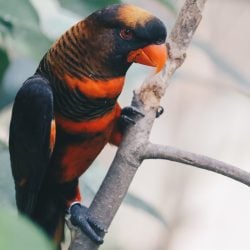
Credit: windycityparrot.com
Comparing Manzanita With Other Woods
Manzanita wood is popular for bird perches. It stands out among many types of wood. People choose wood based on strength, look, and cost.
We will compare Manzanita with other woods used for bird perches. This helps you find the right wood for birds.
Durability Comparison
Manzanita is very hard and strong. It lasts a long time without breaking. It also resists bird claws and beaks well.
Other woods like pine or cedar are softer. They can wear down faster. Some woods may crack or splinter more easily.
- Manzanita resists damage and lasts longer
- Pine and cedar wear down faster
- Hardwoods like oak are durable but heavier
Visual Appeal Differences
Manzanita has a unique look with red and brown colors. Its twisted shapes add natural beauty. Birds also like the rough texture.
Other woods can be plain or smooth. Some have light colors or simple grains. They may not look as interesting as Manzanita.
- Manzanita shows warm colors and natural curves
- Pine and cedar have lighter, simpler looks
- Oak and maple have uniform grains and smooth surfaces
Cost And Availability
Manzanita is less common and can cost more. It grows mostly in the western United States. This affects price and supply.
Other woods like pine and cedar are easier to find. They are cheaper because they grow in many places. This makes them popular for bird perches.
- Manzanita is pricier and less available
- Pine and cedar are affordable and easy to find
- Hardwoods like oak fall in between in cost and supply
Frequently Asked Questions
Why Is Manzanita Ideal For Bird Perches?
Manzanita wood is strong and durable, making it perfect for bird perches. Its natural texture provides a good grip for birds’ feet. Additionally, it is non-toxic and safe, ensuring bird health and comfort.
How Does Manzanita Benefit Bird Foot Health?
Manzanita’s uneven surface helps exercise bird feet and prevent sores. It mimics natural branches, promoting natural foot movement. This reduces the risk of pressure sores and keeps birds’ feet healthy.
Is Manzanita Safe For All Bird Species?
Yes, Manzanita is non-toxic and safe for most bird species. Its hardness and texture suit small to large birds. However, always ensure the perch size matches your bird’s needs.
Can Manzanita Perches Improve Bird Behavior?
Manzanita perches encourage natural climbing and chewing behaviors. This helps reduce boredom and stress in captive birds. The wood’s durability withstands chewing, providing long-lasting enrichment.
Conclusion
Manzanita wood offers strong, smooth perches birds enjoy. Its natural shape fits bird feet well. The wood resists moisture and decay, lasting a long time outdoors. Birds feel safe and comfortable on manzanita branches. This wood also adds a beautiful, natural look to any bird space.
Choosing manzanita means giving birds a healthy place to rest. Simple, sturdy, and natural—manzanita is a smart perch choice. It helps keep birds happy and healthy every day.