Have you ever wondered what invisible threats might be lurking in your bird’s feathers or inside its body? Parasites that infect birds can cause serious health problems, and knowing about them is the first step to keeping your feathered friends safe.
You’ll discover the most common parasites that target birds, how they affect your bird’s health, and what signs you should watch for. By understanding these tiny invaders, you can protect your birds and ensure they stay happy and healthy. Keep reading to learn how to spot and stop these hidden dangers before they take hold.

Credit: bridgemi.com
Common Bird Parasites
Birds can get sick from tiny creatures called parasites. These parasites live on or inside the bird’s body. They can cause health problems and make birds weak.
Parasites that live on birds are called external parasites. Others live inside their bodies and are called internal parasites. Both types can harm birds in different ways.
External Parasites
External parasites live on the bird’s skin or feathers. They feed on the bird’s blood or skin. These parasites can cause itching and feather damage.
Common external parasites include mites, lice, and ticks. They spread easily among birds and can cause stress and infections.
- Mites:Tiny bugs that bite and irritate the skin.
- Lice:Insects that eat feathers and skin debris.
- Ticks:Blood-sucking parasites that attach to the skin.
Internal Parasites
Internal parasites live inside the bird’s body. They often infect the digestive system or organs. These parasites can cause weight loss and poor health.
Common internal parasites include worms and protozoa. Birds get these parasites from food, water, or contact with infected birds.
- Roundworms:Worms that live in the intestines and absorb nutrients.
- Tapeworms:Flat worms that attach to the gut lining.
- Protozoa:Tiny single-celled organisms that cause diseases.
Mites And Lice
Birds can get many types of parasites. Mites and lice are common parasites that live on birds.
These parasites can cause discomfort and health problems for birds. Understanding them helps keep birds healthy.
Feather Mites
Feather mites live on bird feathers. They eat oils and dead skin on feathers. Usually, they do not harm the bird much.
Some feather mites help clean the feathers by removing dirt. But if there are too many, they may cause feather damage.
Blood-feeding Mites
Blood-feeding mites bite birds to drink their blood. These mites can cause irritation and stress to birds.
They can also spread diseases between birds. These mites hide in nests and come out at night to feed.
Lice Species
Lice are small insects that live on birds. They feed on feathers, skin, or blood depending on the species.
Lice can cause itching and feather damage. Birds with many lice may lose weight or have trouble flying.
- Chewing lice eat feathers and skin
- Sucking lice feed on blood
- Lice spread by close contact between birds
Ticks And Fleas
Birds can carry many parasites that harm their health. Two common parasites are ticks and fleas.
These parasites feed on birds’ blood and can spread diseases. Knowing about them helps protect birds.
Tick Infestations
Ticks attach to birds and suck their blood. This can cause irritation and infections.
- Ticks hide in feathers and skin folds.
- They can spread diseases like Lyme disease.
- Heavy infestations make birds weak and tired.
Fleas In Birds
Fleas are small insects that jump on birds. They bite and feed on blood, causing itching.
| Flea Species | Effects on Birds |
| Ceratophyllus gallinae | Causes skin irritation and feather damage |
| Orchopeas howardii | Leads to blood loss and anemia |
| Passeromyia longicornis | Spreads bacteria and weakens birds |
Worm Infections
Birds can get sick from many kinds of worms. These worms live inside their bodies.
Worm infections can cause health problems and affect bird behavior. Knowing the types helps with care.
Roundworms
Roundworms are common parasites in birds. They live in the intestines and take nutrients.
Birds with roundworms may lose weight and have weak feathers. The worms look like thin white threads.
Tapeworms
Tapeworms are flat and long worms. They attach to the bird’s intestines using small hooks.
- They absorb food from the bird’s gut.
- Tapeworm segments can break off and pass out with droppings.
- Infection can cause weight loss and poor growth.
Gapeworms
Gapeworms live in the bird’s windpipe. They cause breathing problems and coughing.
| Symptom | Description |
| Gasping | Bird struggles to breathe due to worm blockage |
| Coughing | Bird coughs to clear the windpipe |
| Weakness | Bird becomes less active and loses weight |
Protozoan Parasites
Protozoan parasites are tiny single-celled organisms. They can live inside birds and cause sickness.
These parasites spread through water, food, or close contact. Birds may show signs like weakness or loss of feathers.
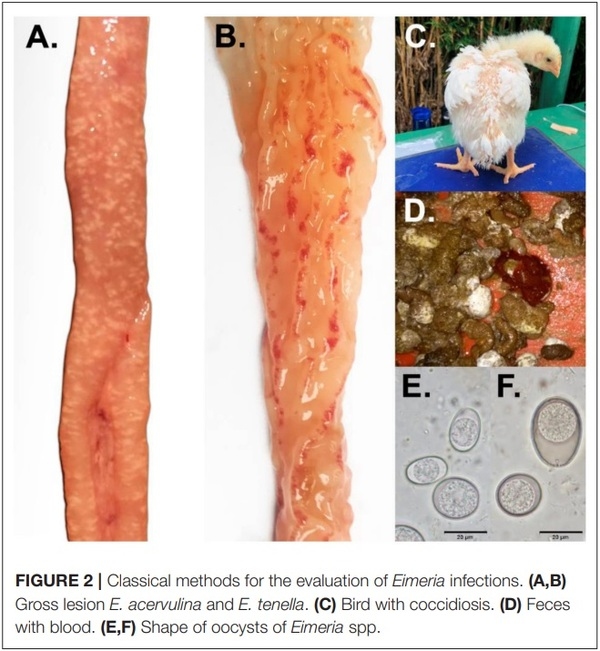
Coccidia
Coccidia are common protozoan parasites in birds. They mainly infect the bird’s intestines.
Birds get coccidia by swallowing parasite eggs from contaminated food or water. This can cause diarrhea and poor growth.
Trichomonas
Trichomonas parasites live in the bird’s mouth and throat. They spread through direct contact or shared water sources.
Infected birds may have difficulty eating or breathing. The parasite causes lesions and swelling in the throat area.
Plasmodium
Plasmodium causes avian malaria. It spreads through mosquito bites and infects the bird’s blood cells.
Infected birds can show weakness, weight loss, and sometimes death. This parasite affects many wild and captive birds.
Credit: en.engormix.com
Signs Of Parasite Infestation
Birds can get parasites that harm their health. Parasites live inside or on birds, causing many problems.
It is important to notice signs early. This helps in giving birds proper care and treatment.
Behavioral Changes
Birds with parasites often act differently. They may seem tired or less active than usual.
Some common behavior changes include:
- Restlessness and frequent scratching
- Loss of appetite or eating less
- Hiding or avoiding other birds
- Excessive preening or feather picking
- Changes in vocal sounds or silence
Physical Symptoms
Parasites cause visible signs on the bird’s body. These signs help identify the type of parasite.
Look for these physical symptoms:
- Feathers that look dull or broken
- Red or irritated skin
- Swelling or lumps on the body
- Weight loss or thin appearance
- Presence of tiny bugs or eggs on feathers
Risks And Impact On Bird Health
Birds can get many types of parasites. These parasites live on or inside birds. They cause health problems that can be serious.
Parasites harm birds by making them weak. Some parasites spread diseases too. Understanding these risks helps protect birds.
Weight Loss And Weakness
Parasites often make birds lose weight. They take nutrients from the bird’s body. This leaves birds weak and tired.
Birds with many parasites may stop eating well. They can become too weak to fly or move. This makes survival hard.
- Parasites steal food from birds
- Birds lose energy and body fat
- Weak birds face more danger from predators
- Weight loss lowers bird’s ability to reproduce
Disease Transmission
Some parasites carry germs that cause bird diseases. These diseases can spread fast among bird groups. They make birds very sick.
Parasites like mites, lice, and ticks often spread diseases. Blood parasites can pass from one bird to another. This harms bird populations.
- Mites cause skin infections and spread germs
- Lice weaken feathers and spread bacteria
- Ticks transmit serious blood diseases
- Blood parasites infect bird organs and blood

Credit: www.greenegovernment.com
Preventing Parasite Infections
Parasites can harm birds and cause many health problems. Preventing these infections keeps birds strong and healthy.
Good care and regular checks help stop parasites from spreading. Birds need clean homes and proper attention.
Habitat Management
Keeping bird habitats clean reduces parasite risks. Remove waste and old food daily to stop bugs and germs.
Use fresh bedding and change it often. Make sure water dishes are clean to prevent parasite growth.
- Clean cages and perches regularly
- Remove leftover food and droppings
- Keep nesting areas dry and fresh
- Control pests like mites and lice
- Provide fresh water daily
Regular Health Checks
Check birds often for signs of parasites. Look for feather damage, itching, or unusual behavior.
Use simple exams to find parasites early. Early treatment stops infections from getting worse.
- Inspect feathers and skin weekly
- Watch for changes in eating or activity
- Consult a vet for routine exams
- Use parasite treatments if needed
- Keep records of bird health checks
Treatment Options
Parasites can cause many health problems in birds. Treating these parasites quickly helps birds get better. There are different ways to treat birds depending on the parasite type.
Understanding treatment options helps bird owners care for their pets or wild birds. This guide covers common medications and the need for professional care.
Medications And Remedies
Medications are the main way to kill parasites in birds. These include oral drugs, topical treatments, and injections. The choice depends on the parasite and bird species.
- Anti-parasitic pills or liquids can target worms and protozoa.
- Topical sprays and powders help remove mites and lice.
- Special shampoos clean feathers and skin from external parasites.
- Natural remedies, like neem oil, may assist but should be used carefully.
Always follow dosage instructions. Overuse or wrong medicine can harm birds.
Professional Care
Sometimes, bird owners need help from vets. Professionals diagnose parasite types and recommend treatments. They may also run tests to check bird health.
| Service | What It Involves |
| Parasite Identification | Lab tests to find specific parasites |
| Prescription Medication | Safe drugs tailored for the bird |
| Follow-up Care | Monitoring bird recovery and adjusting treatment |
| Emergency Support | Treating severe infections or complications |
Frequently Asked Questions
What Are Common Parasites That Infect Birds?
Common bird parasites include mites, lice, ticks, and fleas. Internal parasites like roundworms and coccidia also affect birds. These parasites can cause discomfort, illness, or even death if untreated.
How Do Parasites Affect Bird Health?
Parasites weaken birds by draining nutrients and causing irritation. They can lead to feather damage, anemia, and weakened immunity. Severe infestations may cause lethargy, weight loss, or death.
How Can Bird Owners Prevent Parasite Infections?
Regular cleaning of bird cages and surroundings reduces parasite risks. Quarantine new birds before introduction and use vet-approved treatments. Monitoring bird health and hygiene helps prevent parasite infestations.
What Symptoms Indicate Birds Have Parasites?
Look for feather loss, itching, scaly skin, or visible bugs. Birds may also show weight loss, lethargy, or changes in droppings. Early detection is key to effective treatment.
Conclusion
Parasites pose real threats to bird health. Understanding these parasites helps in bird conservation. With proper knowledge, we can protect bird populations better. Observing symptoms early can save many birds. Regular checks and clean environments reduce parasite risks. Bird lovers should stay informed about these threats.
Knowledge is key to keeping our feathered friends safe. The health of birds impacts entire ecosystems. Keep learning and sharing to help them thrive. Healthy birds mean a balanced nature around us. Let’s protect them for future generations.