Have you ever wondered what happens to the seeds left behind after feeding birds? What if you could grow plants from that same bird seed right in your garden?
Imagine turning those tiny seeds into vibrant flowers, herbs, or even vegetables. You’ll discover exactly which plants can sprout from bird seed and how you can easily start growing them yourself. Keep reading, and you might just unlock a simple way to bring more green into your life—without spending extra money on special seeds!
Common Seeds Found In Bird Mixes
Bird seed mixes contain many types of seeds. These seeds attract different birds to your garden.
Some seeds also sprout and grow into plants. These plants can add beauty and food for wildlife.
Types Of Seeds In Bird Feed
Common seeds in bird mixes include sunflower, millet, safflower, and nyjer. Each seed appeals to different bird species.
- Black oil sunflower seeds – popular for many birds
- White proso millet – small seed for ground feeders
- Safflower seeds – preferred by cardinals and grosbeaks
- Nyjer seeds – tiny seeds for finches
- Cracked corn – attracts larger birds like doves
- Peanuts – high in fat for energy
Nutritional Value For Birds And Plants
Bird seeds provide essential nutrients like fats, proteins, and carbohydrates. These help birds stay healthy and active.
Seeds that grow into plants add benefits to gardens. They improve soil and offer shelter for insects and animals.
| Seed | Nutritional Benefit for Birds | Plant Benefit |
|---|---|---|
| Sunflower | High in fat and protein | Grows tall, provides shade and habitat |
| Millet | Good source of carbohydrates | Produces small grasses for ground cover |
| Safflower | Rich in fat and fiber | Attracts pollinators with flowers |
| Nyjer | High oil content for energy | Can sprout into small plants |
| Cracked Corn | Energy-rich carbohydrate source | Grows as tall corn plants |
Credit: dengarden.com
Plants That Sprout From Bird Seed
Many common bird seeds can grow into beautiful plants. These seeds sprout easily and add greenery to your garden.
Here are some popular plants that come from bird seed you may already have at home.
Sunflowers
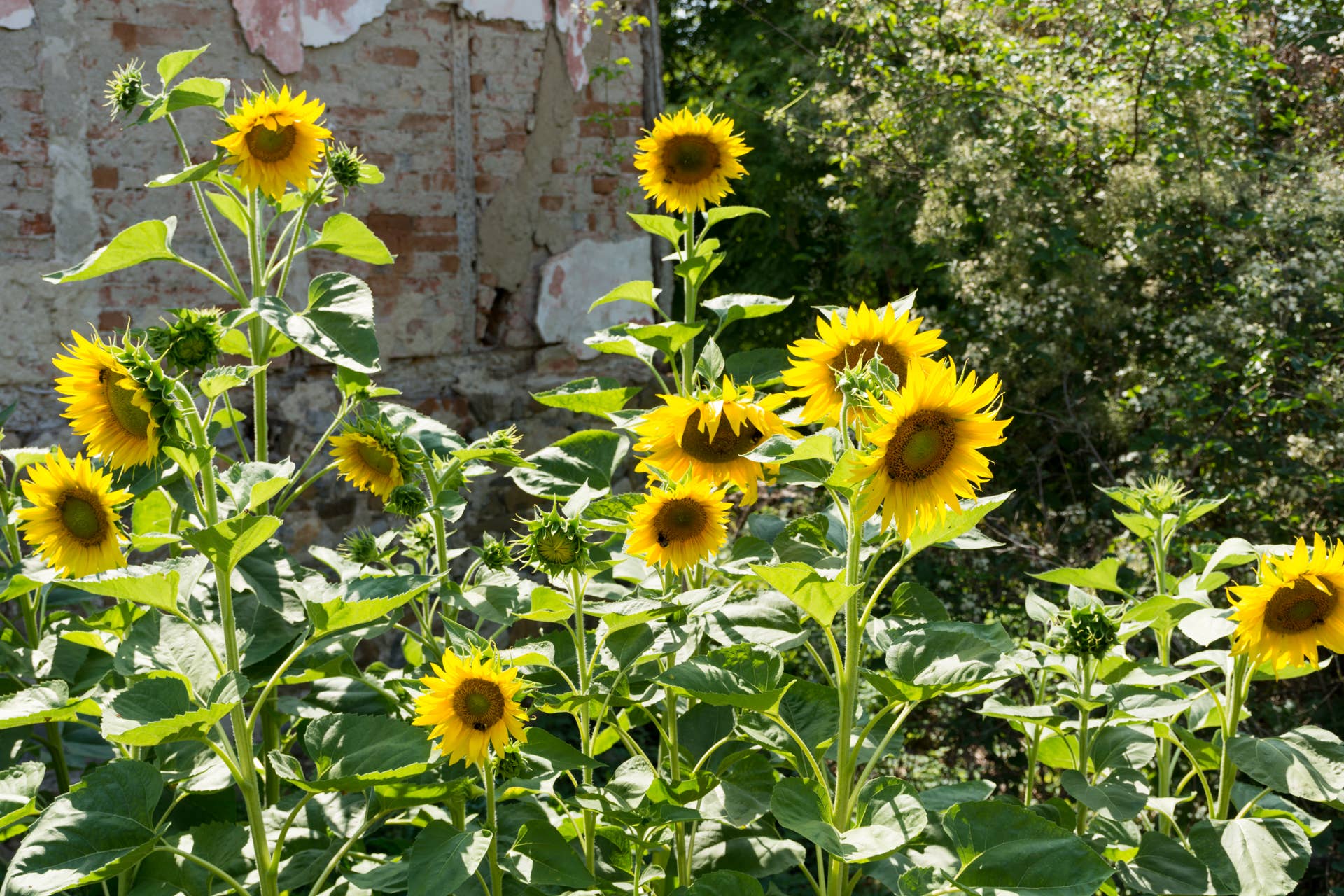
Sunflower seeds are a favorite for birds and gardeners alike. They grow tall and produce large, bright yellow flowers.
Sunflowers need full sun and well-drained soil to grow well. They also attract bees and butterflies.
Millet
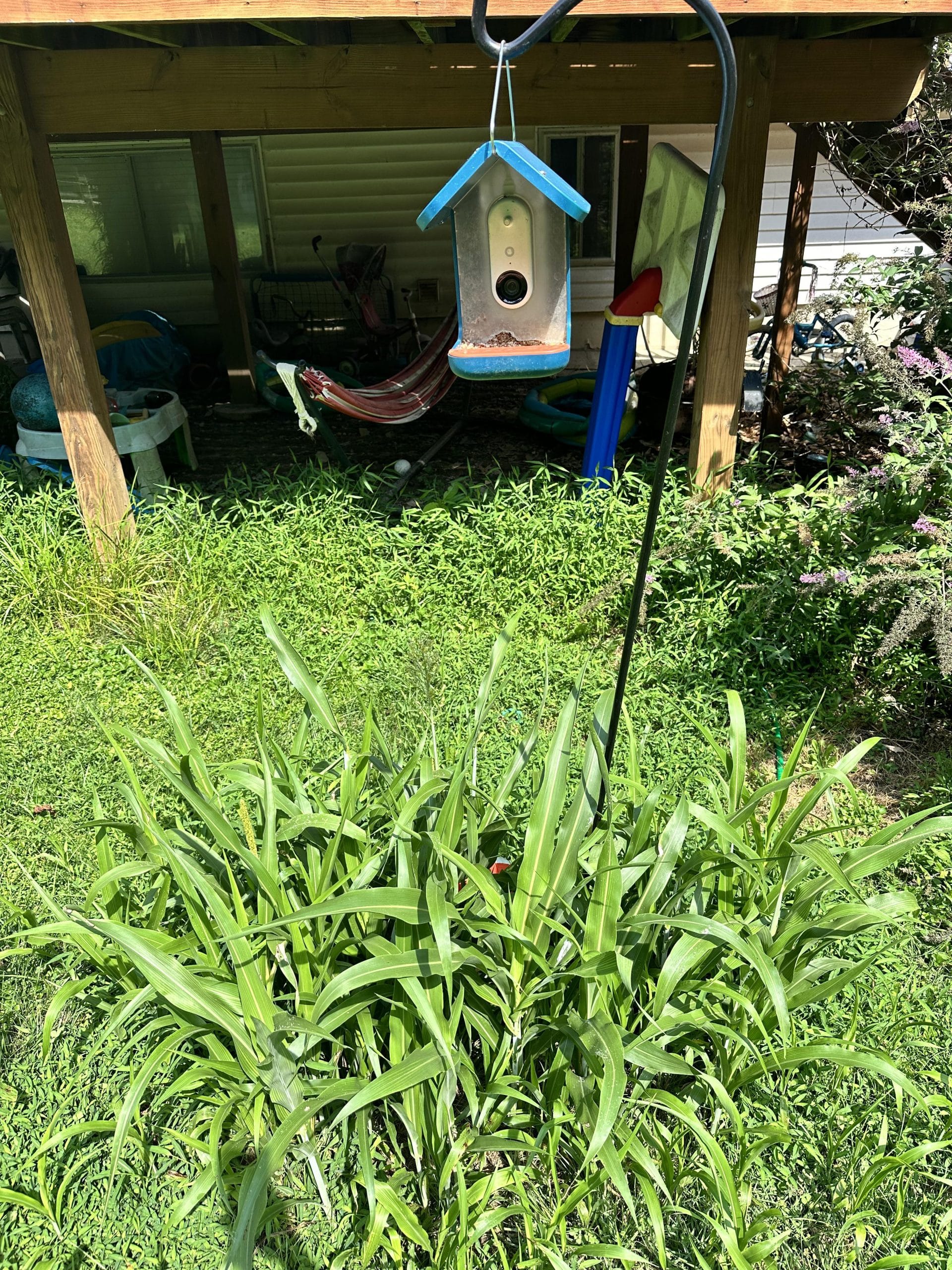
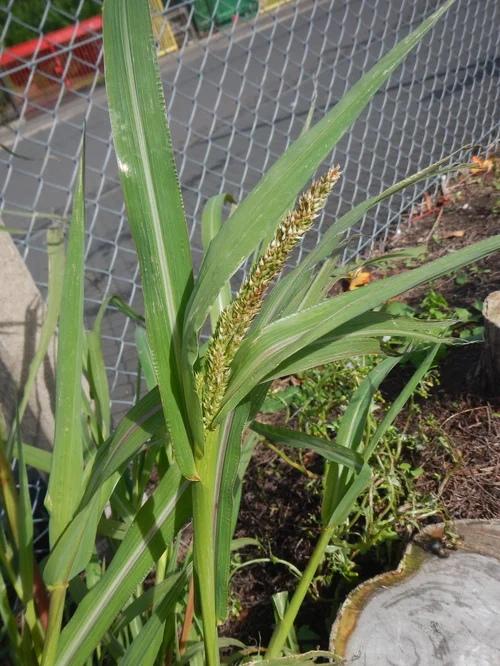
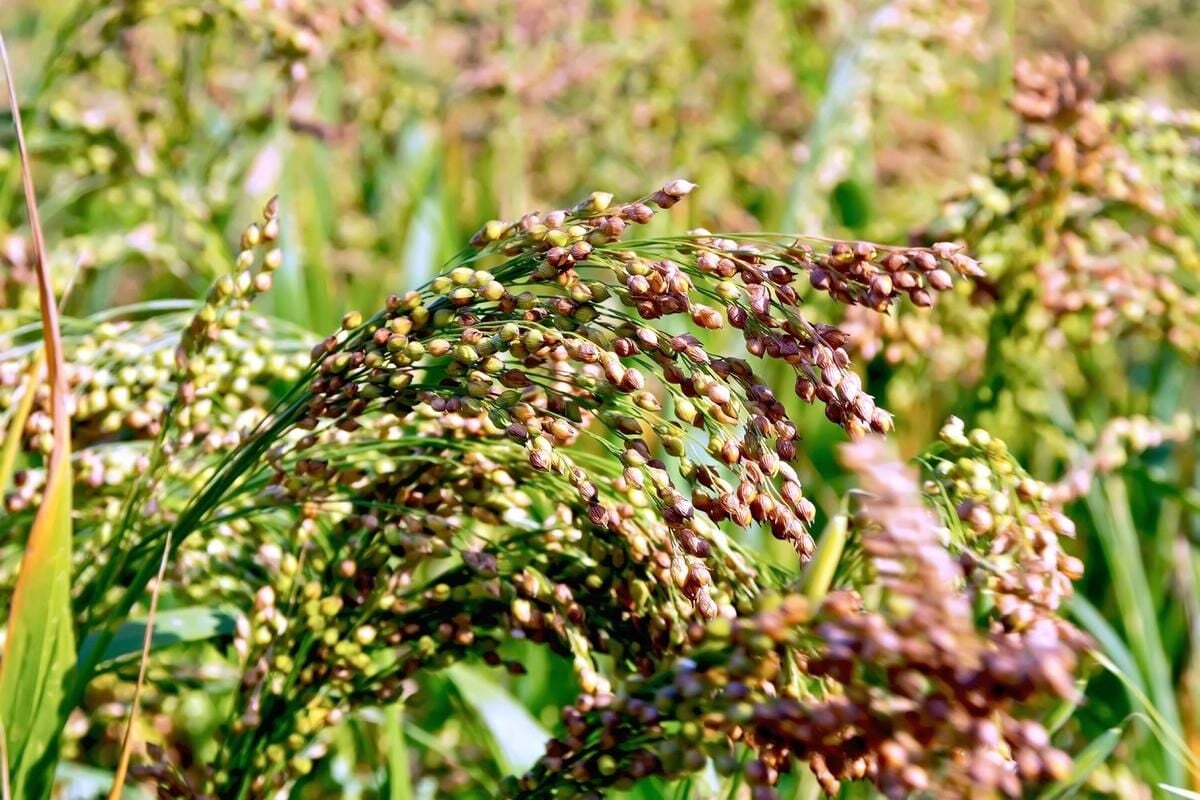
Millet is a small seed that grows into a grass-like plant. It grows quickly and can reach a height of 3 feet.
- Millet grows best in warm weather.
- It prefers sandy or loamy soil.
- The plant produces clusters of tiny seeds.
Safflower
Safflower seeds grow into spiky plants with bright orange or yellow flowers. They like dry, hot climates.
| Feature | Description |
| Flower Color | Orange or Yellow |
| Height | Up to 5 feet |
| Soil Type | Well-drained, sandy |
| Sunlight | Full sun |
Niger Seeds
Niger seeds sprout into small plants with thin leaves. They grow best in warm, moist soil.
Tips for Growing Niger Seeds:
- Start seeds indoors for better results.
- Keep soil consistently moist but not soggy.
- Plant in a sunny spot to encourage growth.
Unexpected Garden Plants From Bird Seed
Bird seed can sprout plants you might not expect in your garden. These plants come from seeds left behind by birds. Some grow into wildflowers, grasses, or even weeds.
Knowing what plants come from bird seed helps gardeners decide what to plant or remove. You might find new flowers or grasses growing in your yard.
Wildflowers
Many bird seeds grow into beautiful wildflowers. These plants add color and attract butterflies and bees. Wildflowers like sunflowers and cosmos often grow from mixed bird seed.
Wildflowers from bird seed can fill empty spaces in your garden. They may bloom in summer and fall, giving your garden a natural look.
Grasses
Grasses often appear from bird seed leftovers. Some grasses grow tall and add texture to your garden. Examples include millet and ryegrass.
Grasses can help prevent soil erosion. They may spread quickly and cover bare spots in your yard.
Weeds
Bird seed can also grow weeds that compete with your plants. Some common weeds include lamb’s quarters and pigweed. These plants grow fast and spread easily.
Weeds may crowd out flowers and vegetables. Keep an eye on your garden and remove unwanted plants early.
Tips For Growing Plants From Bird Seed
Growing plants from bird seed is a fun way to start a garden. Many bird seeds contain edible plants you can sprout at home. This guide shares tips to help you grow healthy plants from bird seed.
Knowing what seeds to pick and how to care for them is key. Follow the advice below to get the best results from your bird seed planting.
Choosing The Right Seed Mix
Not all bird seeds grow well into plants. Look for seeds like sunflower, millet, or safflower. These types often sprout easily and grow strong plants.
- Pick seeds that are untreated and not roasted.
- Avoid mixes with mostly filler seeds like red millet.
- Choose seeds labeled as raw or natural.
- Look for a variety of seeds to increase chances of growth.
Planting Techniques
Plant bird seeds in small pots or trays with good drainage. Spread seeds evenly and cover lightly with soil. Keep soil moist but not soaked.
- Fill containers with seed-starting mix or light soil.
- Place seeds on top, spacing them about an inch apart.
- Cover seeds with a thin layer of soil.
- Water gently to keep soil damp.
- Place containers in a warm, bright spot.
Soil And Water Requirements
Bird seed plants prefer loose, well-draining soil. Keep soil moist but avoid waterlogging. Too much water can cause seeds to rot.
| Soil Type | Light, well-draining potting mix |
| Watering | Keep soil evenly moist; water when top feels dry |
| Sunlight | Bright, indirect sunlight for at least 6 hours |
| Temperature | Between 65°F and 75°F (18°C – 24°C) |
Benefits Of Growing Plants From Bird Seed
Growing plants from bird seed is a fun and natural way to start a garden. Bird seed contains many types of seeds that sprout into different plants.
These plants can add beauty and life to your outdoor space. They also help the environment by supporting local wildlife.
Attracting Wildlife
Plants grown from bird seed attract birds, bees, and butterflies. These animals help pollinate your garden and keep it healthy.
Having wildlife around makes your garden lively and interesting. It also helps keep pests under control naturally.
- Birds feed on seeds and insects
- Bees pollinate flowers
- Butterflies add color and beauty
Enhancing Garden Diversity
Bird seed contains many seed types like sunflower, millet, and safflower. Growing these plants adds variety to your garden.
Diverse plants improve soil health and reduce disease risks. Different plants also provide food and shelter for many creatures.
- Sunflowers bring height and bright blooms
- Millet offers ground cover and food
- Safflower attracts pollinators and adds color
Cost-effective Gardening
Using bird seed to grow plants saves money on buying seeds or plants. Bird seed is easy to find and usually affordable.
This method lets you recycle unused bird seed and start a garden with little cost. It is perfect for beginners and budget gardeners.
- No need to buy special seeds
- Use leftover bird seed from feeders
- Start many plants from one bag of seed
Credit: www.vc77botany.org
Common Challenges And Solutions
Growing plants from bird seed can be rewarding but also tricky. Many gardeners face common problems like pests, weak seedlings, and weed growth. Knowing how to handle these issues helps plants grow strong and healthy.
This guide covers three main challenges and offers simple solutions to improve your chances of success.
Pest Control
Pests such as insects and birds can damage plants grown from bird seed. They often eat seeds or young shoots before the plants can grow.
- Use natural repellents like neem oil spray to deter insects.
- Cover seeds with a light layer of soil to hide them from birds.
- Place netting over growing areas to protect plants physically.
- Encourage beneficial insects like ladybugs that eat pests.
Seedling Survival
Young seedlings are fragile and can die due to poor care or harsh weather. Proper attention helps them grow into strong plants.
| Challenge | Solution |
| Overwatering | Water only when soil feels dry to touch |
| Underwatering | Keep soil moist but not soaked |
| Cold temperatures | Use covers or move pots indoors |
| Strong sunlight | Provide partial shade during hottest hours |
Weed Management
Weeds compete with your plants for nutrients, water, and light. Controlling weeds is important to help your plants thrive.
Effective weed management tips include:
- Remove weeds by hand regularly to avoid spreading seeds.
- Apply a thin layer of mulch around seedlings to block weeds.
- Use landscape fabric if growing in garden beds to reduce weed growth.
- Keep the growing area clean and free of debris.
Credit: www.thestar.com
Frequently Asked Questions
What Types Of Plants Grow From Bird Seed?
Common plants from bird seed include sunflowers, millet, corn, and sorghum. These seeds sprout when buried in soil and watered regularly. They grow quickly and attract more birds. Growing plants from bird seed is an easy way to start a garden with native species.
Can Bird Seed Grow Into Edible Plants?
Yes, some bird seeds like sunflower and corn can grow into edible plants. However, many bird seeds are processed or treated and may not germinate well. Always use untreated seeds if you want to grow edible plants from bird seed.
How Long Does It Take For Bird Seed Plants To Sprout?
Most bird seed plants sprout within 7 to 14 days under good conditions. Warm soil and consistent moisture speed up germination. Sunflowers often sprout faster, while millet may take longer. Proper care ensures healthy growth.
Is It Safe To Plant Bird Seed In A Home Garden?
Planting bird seed is generally safe and can enhance your garden’s biodiversity. Avoid seeds treated with chemicals or pesticides. Organic bird seed is best for growing plants. Always check seed packaging for safety information before planting.
Conclusion
Bird seed can sprout interesting plants in your garden. Sunflowers, millet, and corn are common examples. These plants attract birds and add beauty. They also provide natural food sources. You can enjoy watching wildlife. It’s a simple way to support local ecosystems.
Before planting, consider your climate. Not all seeds grow everywhere. Be mindful of unwanted plants. Regular checks and care are important. This way, your garden remains healthy. Experiment with different seeds. Discover what thrives in your area. Enjoy the process.
You might be surprised by the results. Happy gardening!