
What Seeds Are in Bird Seed: Types, Benefits, and How to Attract More Birds
Have you ever wondered what seeds are in bird seed and why certain types attract more birds to your backyard? Knowing exactly what’s inside your bird seed mix can help you choose the best option to bring colorful, lively visitors to your feeders.
Whether you want to attract finches, cardinals, or sparrows, understanding the different seeds and their benefits will make a big difference. Keep reading to discover the common seeds in bird seed blends and how they can turn your yard into a bird lover’s paradise.
Common Seeds In Bird Seed Mixes
Bird seed mixes contain different types of seeds. Each seed attracts certain birds.
Knowing what seeds are in bird seed can help you identify the best options to attract specific species.
Knowing common seeds helps you pick the right mix for your backyard birds.
Sunflower Seeds
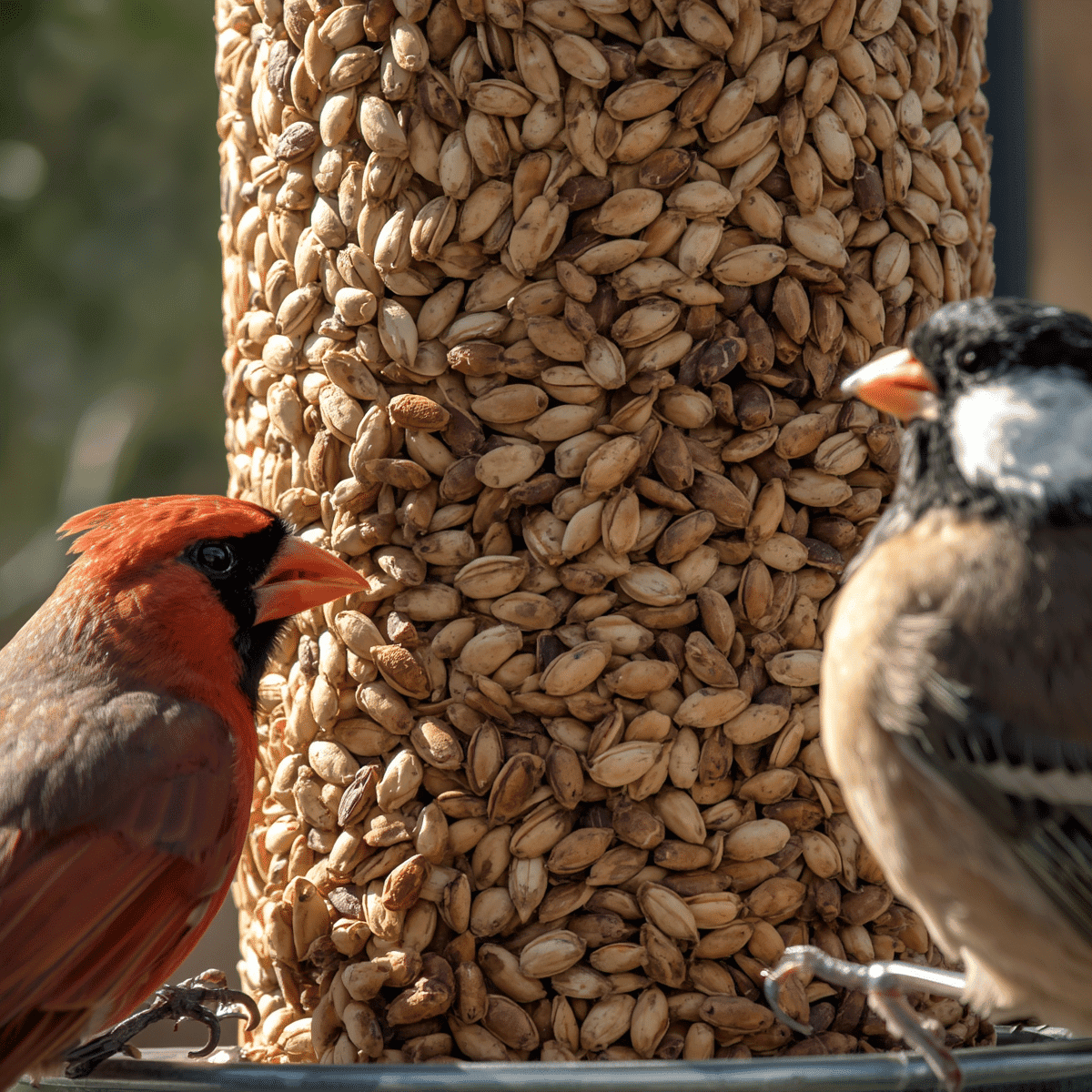
Sunflower seeds are popular in many bird seed mixes. They have a hard shell and a tasty kernel inside.
Sunflower seeds are a prominent component in many bird seed mixes, showcasing what seeds are in bird seed blends.
Birds like cardinals, chickadees, and finches enjoy sunflower seeds. They provide good energy and fat.
Millet
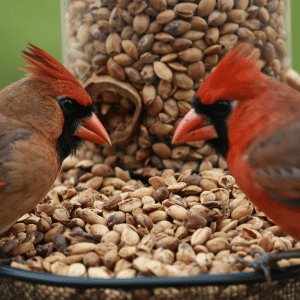
Millet is a small, round seed often found in mixes for ground-feeding birds. It is easy to eat.
Millet is another excellent choice to consider when thinking about what seeds are in bird seed mixes.
Birds such as sparrows, doves, and juncos eat millet. It is light and provides good nutrition.
Safflower Seeds
Safflower seeds have a white shell and a slightly bitter taste. Some birds like them well.
Many bird enthusiasts often ask what seeds are in bird seed mixes, and safflower seeds are a vital answer.
Cardinals and chickadees eat safflower seeds. Squirrels usually avoid them, so they help keep squirrels away.
Nyjer Seeds
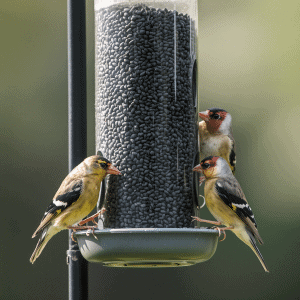
Nyjer seeds are tiny and black. They are high in oil and attract small birds.
Understanding what seeds are in bird seed, such as nyjer seeds, is crucial for attracting smaller birds.
Goldfinches and pine siskins love nyjer. These seeds need special feeders with small holes.
Cracked Corn
Cracked corn is broken pieces of dried corn. It is cheap and popular in seed mixes for big birds.
Cracked corn is often included, and knowing what seeds are in bird seed mixes helps you select effectively.
Birds like jays, doves, and pigeons eat cracked corn. It is also good for feeding on the ground.
Peanuts
Peanuts are rich in protein and fat. They are often included in mixes or offered separately.
Including peanuts in your mix answers the question of what seeds are in bird seed that many birds love.
Woodpeckers, jays, and nuthatches enjoy peanuts. Offer them shelled or in the shell for best results.
Benefits Of Each Seed Type
Bird seed mixes contain many types of seeds. Each seed offers unique benefits to birds.
Each type of seed contributes to what seeds are in bird seed mixes, offering various benefits to birds.
Knowing these benefits helps you choose the best mix for your backyard birds.
Nutrition For Birds
Different seeds provide essential nutrients like fats, proteins, and vitamins. These nutrients keep birds healthy and active.
Understanding what seeds are in bird seed can enhance the nutritional value for visiting birds.
| Seed Type | Key Nutrients | Benefits |
| Sunflower Seeds | Fat, Protein, Vitamin E | Boost energy and support feather health |
| Millet | Carbohydrates, Protein | Good for small birds and aids digestion |
| Safflower Seeds | Fat, Fiber | Helps with weight maintenance and digestion |
| Nyjer (Thistle) | Fat, Protein | Supports energy for small finches and siskins |
| Cracked Corn | Carbohydrates | Provides energy and is easy to digest |
Attracting Different Bird Species
Each bird species prefers certain seed types. Offering a variety helps attract more birds to your feeder.
To effectively attract a variety of species, knowing what seeds are in bird seed is key.
- Cardinals love sunflower and safflower seeds.
- Finches prefer nyjer and small millet seeds.
- Jays and grosbeaks enjoy cracked corn and sunflower seeds.
- Sparrows eat millet and cracked corn.
- Doves like millet and safflower seeds.
Choosing The Right Mix For Your Birds
Bird seed mixes contain various seeds to attract different birds. Choosing the right mix helps feed your local birds well.
The right mix depends on what seeds are in bird seed and the preferences of local birds.
Each bird species prefers certain seeds. Knowing these preferences makes your feeder more popular with birds.
Seed Preferences By Bird Type
Different birds like different seeds. Small songbirds often like smaller seeds. Larger birds prefer bigger seeds or nuts.
Understanding what seeds are in bird seed helps tailor your offerings to attract specific birds.
- Finches prefer nyjer and small millet seeds
- Sparrows enjoy millet and cracked corn
- Cardinals like sunflower seeds and safflower
- Woodpeckers eat suet and peanuts
- Doves prefer cracked corn and milo
Using a mix with many seed types attracts more bird species to your feeder.
Using a mix with diverse content answers the question of what seeds are in bird seed that birds prefer.
Seasonal Considerations
Bird seed needs change with the seasons. In winter, birds need high-fat seeds for energy. In spring, they eat more protein for nesting.
- Winter: sunflower seeds, peanuts, and suet for energy
- Spring and summer: millet and cracked corn for growth
- Fall: mixed seeds to prepare for migration
Adjust your seed mix to match the birds’ needs during each season.
Homemade Vs. Commercial Bird Seed Mixes
Bird seed mixes come in two main types: homemade and commercial. Each type has its own benefits and drawbacks. Knowing the differences helps you choose the best option for your feathered friends.
Choosing between homemade and commercial mixes often comes down to what seeds are in bird seed.
Homemade mixes let you pick the seeds you want. Commercial mixes are ready to use and easy to find. Let’s look at how they compare in customization and cost.
Customization Options
With homemade mixes, you control what seeds go in. You can pick seeds that attract certain birds or avoid seeds some birds do not like. Commercial mixes have a set blend made by the company.
- Homemade mixes let you add sunflower seeds, millet, or safflower.
- You can choose organic or pesticide-free seeds.
- Commercial mixes often include a variety of seeds for many bird types.
- Some commercial blends add fillers like cracked corn or wheat.
Cost And Availability
| Type | Cost | Availability | Notes |
|---|---|---|---|
| Homemade Mixes | Varies by seed type | Seeds available online or in stores | Can buy in bulk to save money |
| Commercial Mixes | Fixed price per bag | Easy to find in pet and garden shops | Convenient but may contain fillers |
Tips For Storing And Handling Bird Seeds
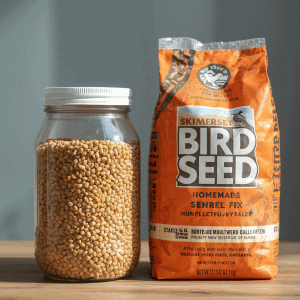
Bird seeds need careful storage to stay fresh and safe for birds. Proper handling stops mold and spoilage. This keeps the seeds tasty and healthy for birds.
Properly storing what seeds are in bird seed is essential to prevent spoilage and attract more birds.
Follow simple steps to protect your bird seeds. These tips help you keep the seeds fresh longer and avoid waste.
Preventing Mold And Spoilage
Mold grows quickly on damp seeds. Spoiled seeds lose nutrients and can harm birds. Store seeds in dry places and check for moisture often.
- Keep seeds in sealed containers to block moisture.
- Store seeds in a cool, dark area away from sunlight.
- Check seeds regularly for signs of mold or bad smell.
- Do not mix fresh seeds with old seeds.
- Use clean scoops or hands to avoid contamination.
Maintaining Freshness
Freshness is key; knowing what seeds are in bird seed allows you to maintain their quality.
Fresh seeds attract more birds and provide better nutrition. Keep seeds fresh by controlling temperature and storage time.
| Storage Tip | Reason |
| Use airtight containers | Prevents air and moisture contact |
| Keep seeds in cool places | Slows seed aging and spoilage |
| Buy seeds in small amounts | Ensures frequent turnover and freshness |
| Label containers with dates | Helps use older seeds first |
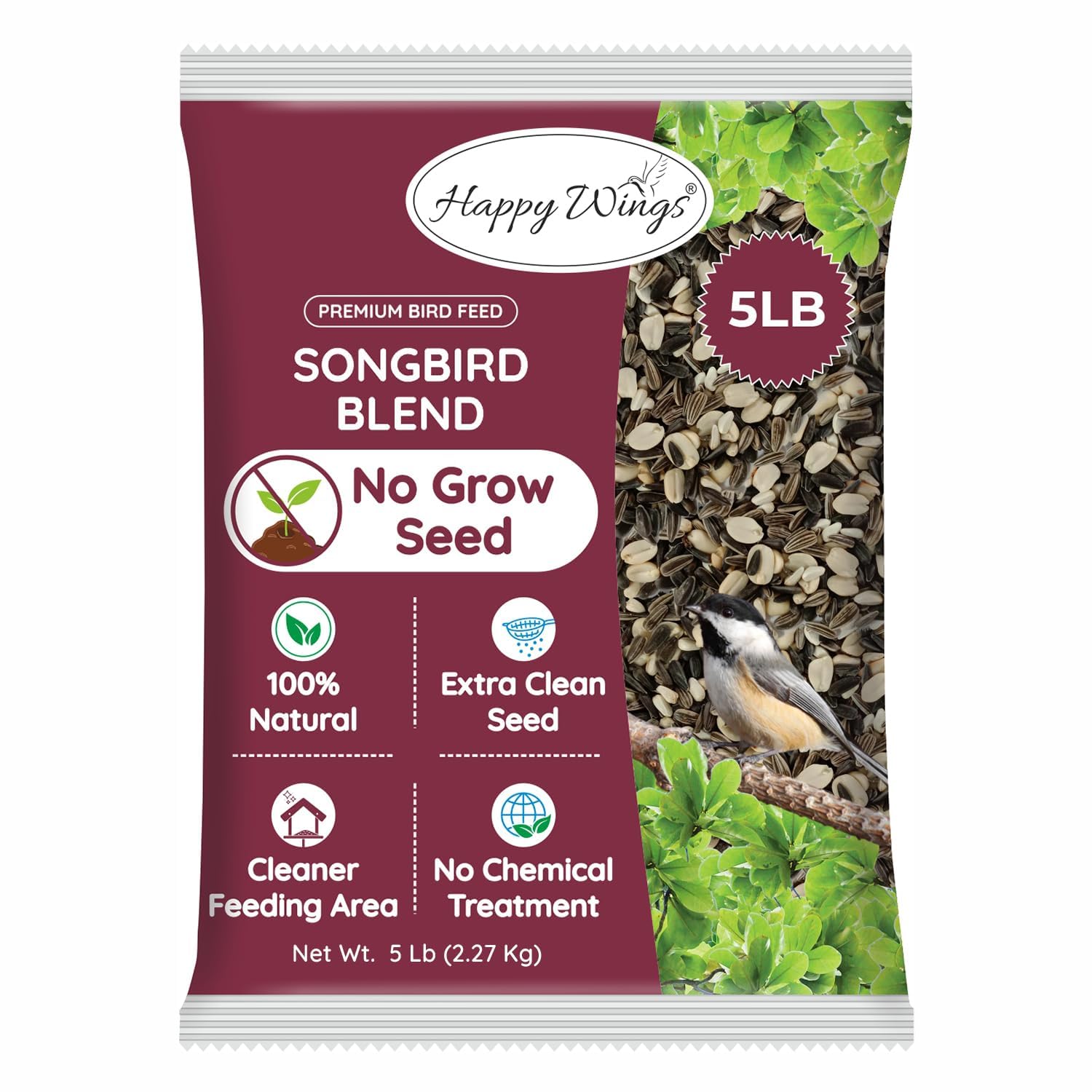
Credit: www.amazon.ca

Credit: www.countrymax.com
Frequently Asked Questions
What Seeds Are Commonly Found In Bird Seed Mixes?
Bird seed mixes often include sunflower seeds, millet, cracked corn, safflower, and nyjer seeds. These seeds attract various bird species. Each seed type provides different nutrients and appeals to specific birds, making mixes diverse and nutritious.
Why Are Sunflower Seeds Popular In Bird Seed Blends?
Sunflower seeds are rich in oil and protein, providing high energy for birds. Their hard shells protect the seed and attract many bird species, including finches and cardinals, making them a staple in bird seed mixes.
Do Different Seeds Attract Different Bird Species?
Yes, different seeds attract specific bird species. For example, nyjer seeds attract finches, while cracked corn appeals to larger birds like doves. Using a mix ensures a variety of birds visit your feeder.
Are Safflower Seeds Beneficial For Wild Birds?
Safflower seeds are high in protein and fat, beneficial for birds’ energy needs. They are less attractive to squirrels and some aggressive birds, making them a good choice for selective feeding.
For many, the question of what seeds are in bird seed blends is answered with the inclusion of safflower seeds.
Conclusion
Bird seed mixes contain diverse seeds to attract various birds. Sunflower seeds, millet, and cracked corn are popular choices. Each seed offers unique benefits for birds. They provide essential nutrients and energy. Understanding seed types helps you choose the right mix.
Ultimately, understanding what seeds are in bird seed can enhance the joy of birdwatching in your yard.
Birds benefit from a varied diet. A good mix supports their health and vitality. Watching birds enjoy your seed blend is rewarding. It creates a lively, natural environment in your yard. Take time to explore different seeds. Your local birds will appreciate it.
Enjoy the vibrant bird life that visits your garden. It’s a simple joy.
By exploring what seeds are in bird seed, you can create a delightful environment for your garden visitors.



