Have you ever wondered what exactly goes into wild bird seed? If you’re feeding birds in your backyard, knowing what seeds are in the mix can help you attract the right feathered friends.
Whether you want colorful songbirds, sturdy finches, or playful sparrows, the seeds you choose make all the difference. You’ll discover the common seeds found in wild bird seed blends and how each one attracts different types of birds. Keep reading to find out how to make your bird feeder the most popular spot in your neighborhood!
Common Seeds In Wild Bird Mixes
Wild bird seed mixes contain many types of seeds. These seeds attract different kinds of birds.
Each seed offers food for certain bird species. Knowing the seeds helps you choose the right mix.
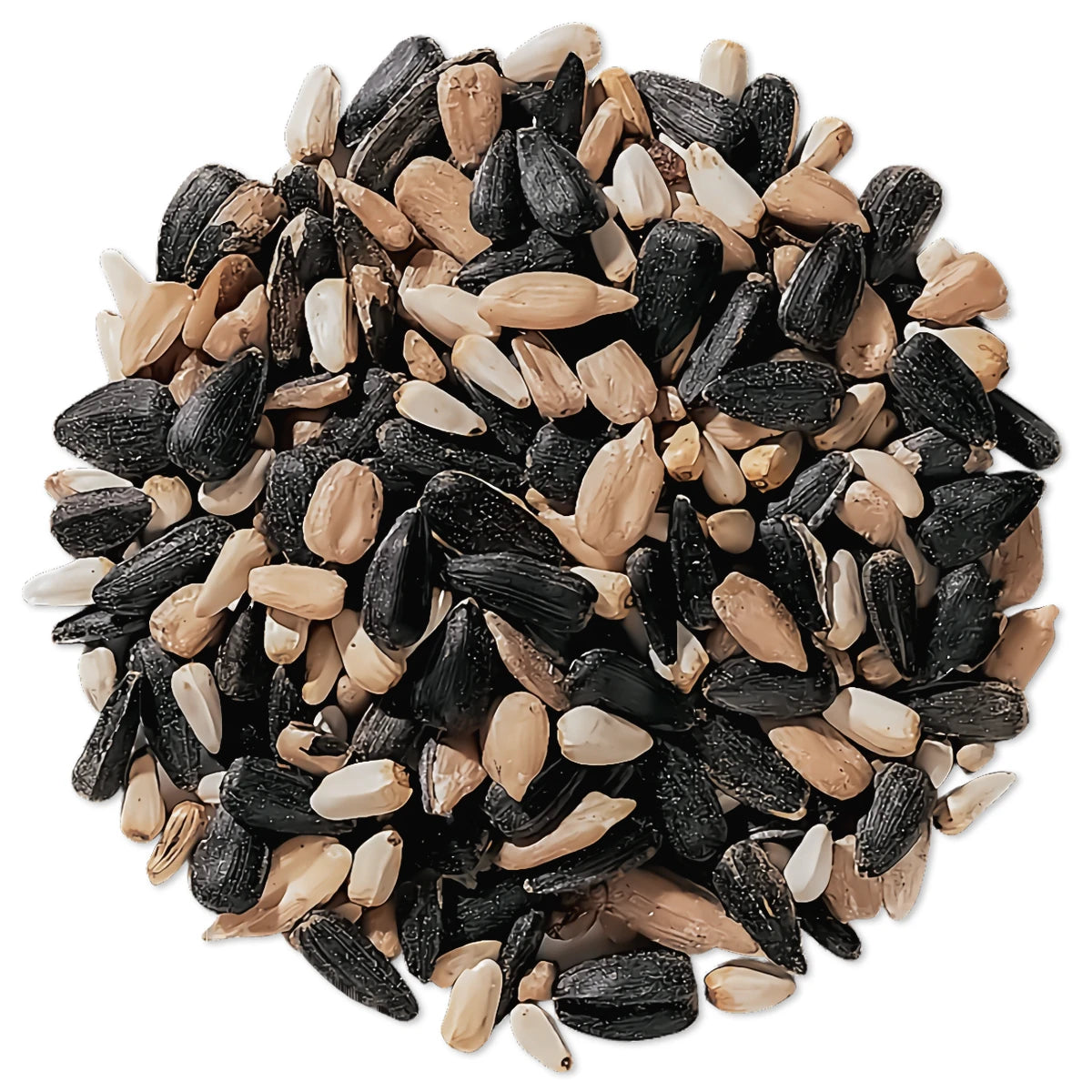
Sunflower Seeds
Sunflower seeds are very popular in bird mixes. Birds like their high oil content and easy shell removal.
Black oil sunflower seeds are common. They attract cardinals, chickadees, and finches.
Millet
Millet is a small, round seed often found in mixes. It is easy for small birds to eat.
White proso millet is popular. Sparrows and doves enjoy this seed the most.
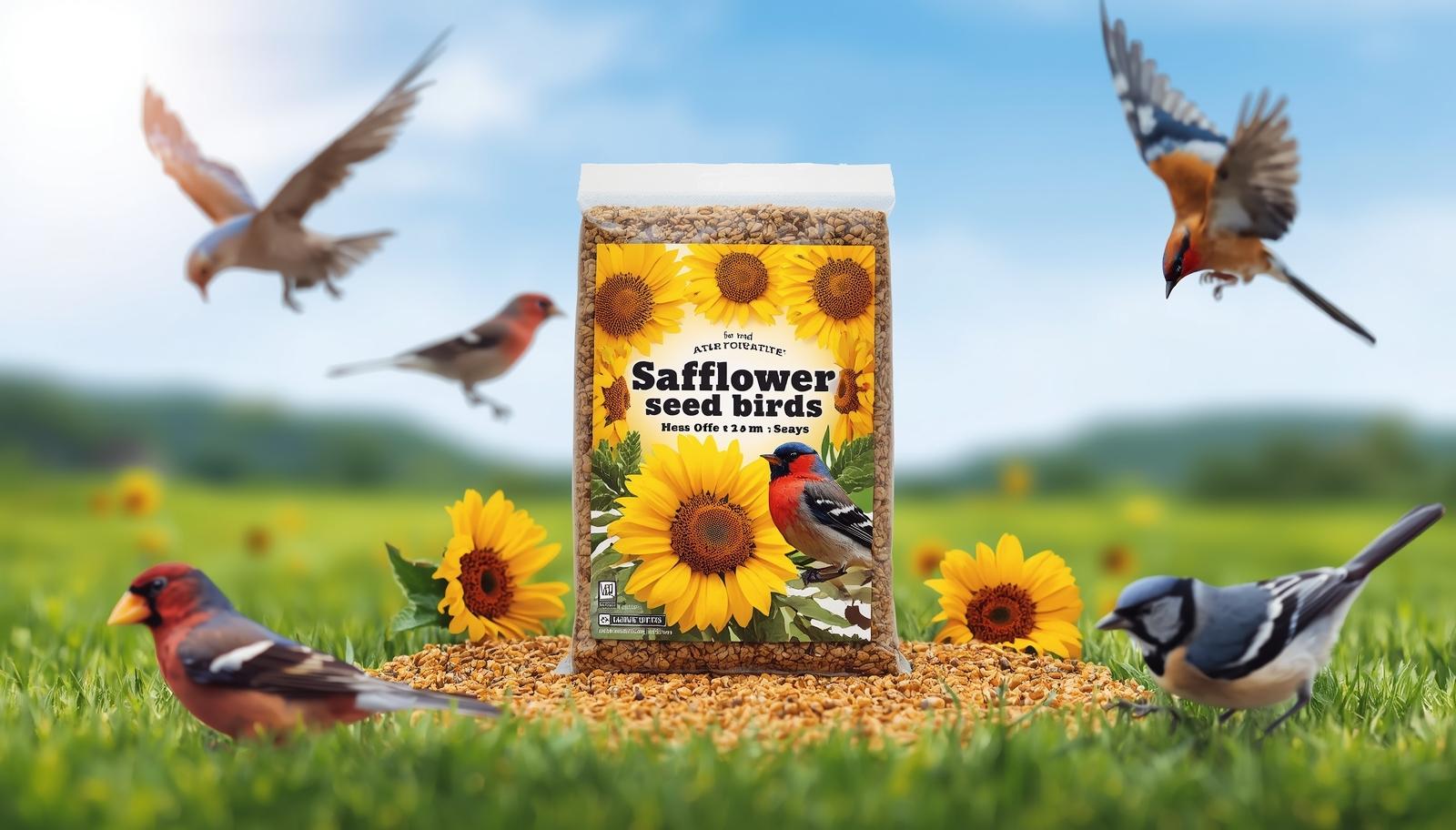
Safflower Seeds
Safflower seeds have a tough shell and a white kernel inside. They are rich in fats.
These seeds attract cardinals and grosbeaks. Squirrels usually avoid safflower seeds.
Nyjer Seeds
Nyjer seeds are tiny and black. They are high in oil and great for small birds.
Finches, especially goldfinches, like nyjer seeds a lot. Special feeders are used for these seeds.
Cracked Corn
Cracked corn is broken pieces of dried corn. It is a good energy source for bigger birds.
Doves, jays, and pigeons enjoy cracked corn. It can attract ground-feeding birds too.
Peanuts
Peanuts are rich in protein and fat. They come shelled or in the shell in bird mixes.
Woodpeckers, jays, and titmice like peanuts. Peanuts can be a good treat for many birds.
Nutritional Benefits Of Each Seed
Wild bird seed mixes contain different types of seeds. Each seed offers unique nutrients. These nutrients help birds stay healthy and active.
Understanding the benefits of each seed helps you choose the best mix. Birds need a balanced diet with proteins, fats, vitamins, and fiber.
Protein Content
Protein is important for bird growth and repair. Many seeds in wild bird mixes have good protein levels. Sunflower seeds and millet are top protein sources.
Protein helps birds build feathers and muscles. It also supports their immune system to fight diseases.
- Sunflower seeds contain about 20% protein
- Millet offers around 11% protein
- Safflower seeds have close to 12% protein
Fat And Energy Sources
Fats provide birds with energy. Seeds like sunflower and safflower are high in healthy fats. These fats keep birds warm and active.
Energy from fats helps birds during cold seasons and long flights. Fat also supports brain and cell functions.
- Sunflower seeds have about 51% fat
- Safflower seeds contain nearly 40% fat
- Nyjer seeds offer around 35% fat
Vitamins And Minerals
Seeds provide essential vitamins and minerals. These nutrients help birds stay strong and healthy. For example, calcium helps build strong bones.
Vitamin E and B-complex vitamins support the bird’s immune system and energy use. Minerals like magnesium and potassium help with muscle function.
| Seed | Key Vitamins | Key Minerals |
|---|---|---|
| Sunflower | Vitamin E, B1, B6 | Magnesium, Selenium |
| Millet | Vitamin B3, B6 | Phosphorus, Iron |
| Safflower | Vitamin E | Calcium, Potassium |
Fiber And Digestive Health
Fiber helps birds digest food well. It keeps their intestines healthy and aids in nutrient absorption. Many seeds have fiber to support digestion.
Seeds like millet and cracked corn add fiber. Good digestion helps birds get energy and nutrients from their food.
- Millet contains about 8% fiber
- Cracked corn offers 7-8% fiber
- Sunflower seeds provide 12% fiber
Seed Preferences By Bird Species
Wild bird seed mixes contain many types of seeds. Different birds like different seeds. Knowing what seeds attract certain birds helps you choose the right mix.
Seed preferences depend on the bird’s size, beak shape, and feeding habits. Some birds prefer small seeds, while others like larger or softer seeds.
Finches And Small Songbirds
Finches and small songbirds enjoy tiny seeds. They have small, sharp beaks made for cracking thin shells. These birds like seeds that are easy to handle and digest.
- Nyjer (thistle) seeds
- Small sunflower chips
- Millet
- Canary seed
Woodpeckers And Jays
Woodpeckers and jays have strong beaks for breaking hard shells. They prefer larger, tougher seeds. These birds often eat nuts and sunflower seeds.
| Bird Type | Preferred Seeds |
| Woodpeckers | Sunflower seeds, peanuts, safflower |
| Jays | Peanuts, sunflower seeds, cracked corn |
Doves And Ground Feeders
Doves and ground feeders like to eat seeds from the ground. They prefer soft seeds that are easy to swallow and digest. These birds avoid very hard or spiky seeds.
- White proso millet
- Cracked corn
- Safflower seeds
- Sunflower chips
Hummingbirds And Specialty Feeders
Hummingbirds do not eat seeds. They prefer nectar and tiny insects. Specialty feeders for hummingbirds use sugar water, not seed mixes. Other specialty feeders may offer nuts or fruit pieces for certain birds.
Note:To attract hummingbirds, use feeders with fresh nectar. For specialty birds like orioles, offer orange halves or jelly.
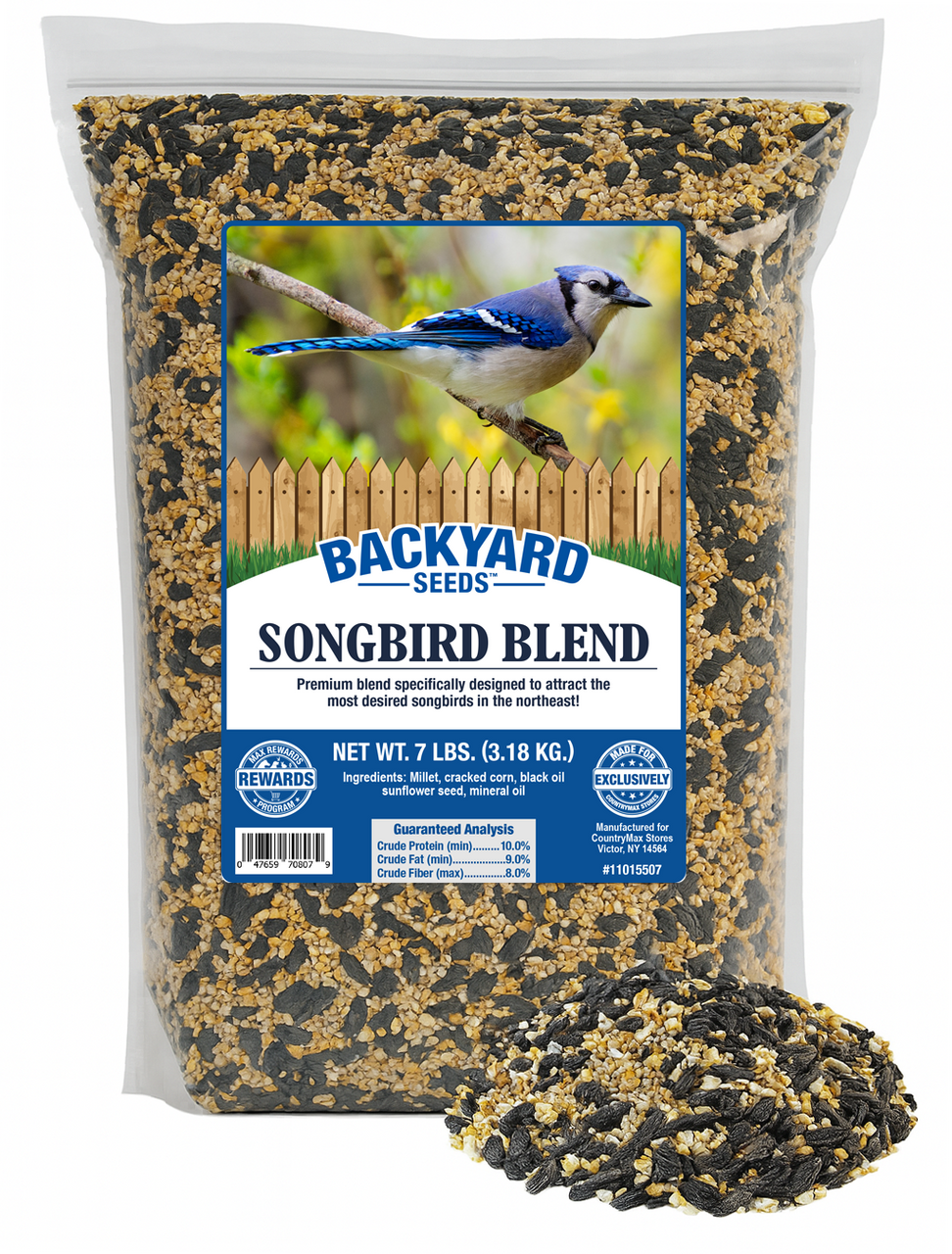
Credit: www.countrymax.com
Choosing The Right Seed Mix
Choosing the right wild bird seed mix helps attract birds to your yard. Different seeds bring different bird species. Selecting a good mix keeps birds healthy and happy.
It is important to know what seeds to use based on the season and bird types. Avoiding low-quality seeds also protects your feathered visitors.
Seasonal Considerations
Birds eat different seeds in each season. In winter, high-fat seeds help birds stay warm. In summer, birds prefer lighter seeds and fresh food.
- Sunflower seeds are good all year round.
- Millet is popular in spring and summer.
- Safflower attracts birds in colder months.
- Nyjer seed is best for small finches in fall and winter.
Attracting Specific Birds
Different seeds attract specific birds. Knowing which birds visit your area helps you choose the right mix.
| Bird Species | Preferred Seeds |
| Cardinals | Sunflower, safflower |
| Finches | Nyjer, millet |
| Woodpeckers | Sunflower, peanuts |
| Blue Jays | Peanuts, sunflower |
| Chickadees | Sunflower, peanuts |
Avoiding Fillers And Low-quality Seeds
Some seed mixes contain fillers. These seeds do not attract birds and waste your money. Avoid mixes with a lot of milo, wheat, or red millet.
Look for seed mixes that list high-quality seeds first, such as:
- Black oil sunflower
- Nyjer
- Safflower
- Peanuts (unsalted)
Fillers to avoid include:
- Milo
- Red millet
- Wheat
Storage And Handling Tips
Wild bird seed contains many types of seeds. Proper storage keeps seeds fresh and safe for birds.
Good handling stops mold and spoilage. It also keeps seeds from losing nutrition.
Preventing Mold And Spoilage
Mold grows when seeds get wet or stay damp. Spoiled seeds can harm birds.
Keep seeds dry and check them often for signs of mold or bad smell.
- Store seeds in a dry place away from rain or humidity
- Use clean scoops to avoid adding moisture
- Spread out seeds if they are wet to dry before storing
- Discard any seeds that show mold or smell bad
Proper Storage Containers
Choose containers that keep out air and moisture. This helps keep seeds fresh longer.
Clear containers let you see the seed level and check for mold or pests.
- Use airtight plastic or metal containers
- Glass jars with tight lids work well
- Keep containers clean and dry before adding seeds
- Label containers with the seed type and date of storage
Shelf Life Of Different Seeds
Different seeds last different times when stored properly. Knowing shelf life helps avoid spoilage.
| Seed Type | Typical Shelf Life |
|---|---|
| Sunflower Seeds | 6 to 12 months |
| Millet | 6 to 12 months |
| Safflower | 6 to 12 months |
| Cracked Corn | 3 to 6 months |
| Nyjer (Thistle) | 6 to 12 months |
Use older seeds first. Check seeds often and replace if they look or smell bad.
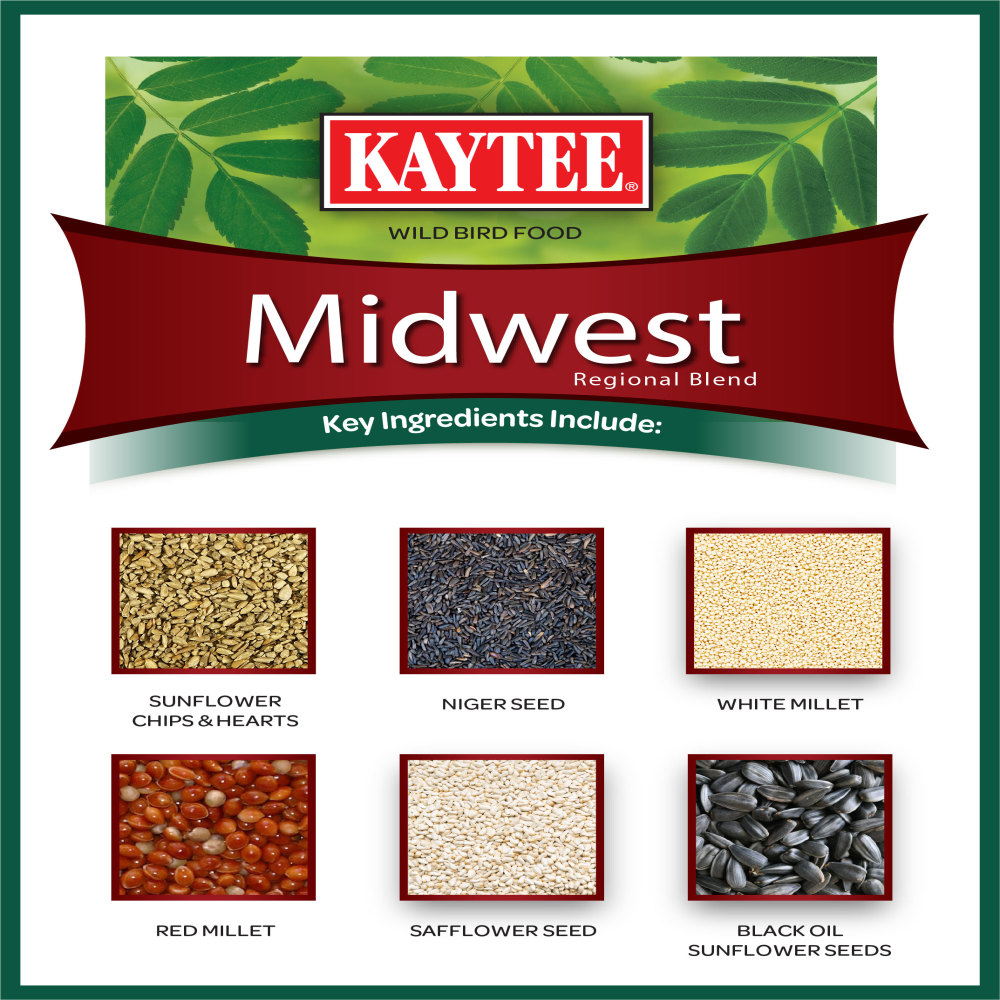
Credit: www.kaytee.com
Diy Wild Bird Seed Mixes
Making your own wild bird seed mix lets you control what birds eat. It can save money and attract more birds.
You can mix seeds based on the birds in your area and their needs. This guide helps you make simple and healthy mixes.
Basic Mix Recipes
Start with a few common seeds that most birds like. These seeds are easy to find and attract many species.
- Black oil sunflower seeds - high in fat and energy
- Millet - favorite of small birds like sparrows
- Cracked corn - attracts ground feeders like doves
- Safflower seeds - good for cardinals and grosbeaks
- Nyjer (thistle) seeds - loved by finches
Mix these seeds in equal parts for a balanced blend. Adjust amounts based on what birds visit your yard.
Customizing For Local Birds
Learn which birds live near you. Use seeds that match their preferences to attract them better.
- If you see many finches, add more nyjer seeds.
- For woodpeckers, add peanuts or suet chunks.
- Sparrows prefer millet and cracked corn.
- Cardinals like sunflower and safflower seeds.
- Doves enjoy cracked corn and milo.
Check local bird guides or websites to find common species. Change your mix seasonally for best results.
Balancing Nutrition And Cost
Seeds differ in price and nutrition. Use a mix that gives good energy but does not cost too much.
| Seed Type | Nutrition | Cost |
|---|---|---|
| Black oil sunflower | High fat, high energy | Moderate |
| Millet | Good carbs | Low |
| Cracked corn | Good carbs | Low |
| Safflower | Moderate fat | High |
| Nyjer (thistle) | High fat | High |
Mix cheaper seeds with some high-energy ones. This keeps birds healthy and your budget safe.

Credit: www.amazon.com
Frequently Asked Questions
What Types Of Seeds Are In Wild Bird Seed Mixes?
Wild bird seed mixes often contain sunflower seeds, millet, cracked corn, safflower, and nyjer seeds. These attract a variety of birds like finches, sparrows, and cardinals.
Why Are Sunflower Seeds Common In Bird Seed Blends?
Sunflower seeds are high in fat and nutrients, making them a favorite for many wild birds. They provide essential energy, especially during colder months.
How Does Millet Benefit Wild Birds?
Millet is a small, easy-to-eat seed favored by ground-feeding birds like sparrows and doves. It is rich in carbohydrates, supporting their energy needs.
Can Wild Bird Seed Attract Different Bird Species?
Yes, mixed seeds attract a diverse range of birds. Different seeds cater to various bird species’ preferences and feeding habits.
Conclusion
Wild bird seed blends vary with different seeds. Each seed attracts specific birds. Sunflower seeds are popular for many birds. Millet suits sparrows and doves. Thistle seed attracts finches. Cracked corn is loved by pigeons and larger birds. Peanuts provide high energy.
Knowing seed types helps attract desired birds. A diverse mix brings variety to your backyard. Enjoy the chirps and flutters of happy birds. The right seeds create a lively bird haven. Keep feeders clean and fresh. Watch as your garden becomes a bird paradise.
Small efforts lead to big rewards. Happy bird watching!