
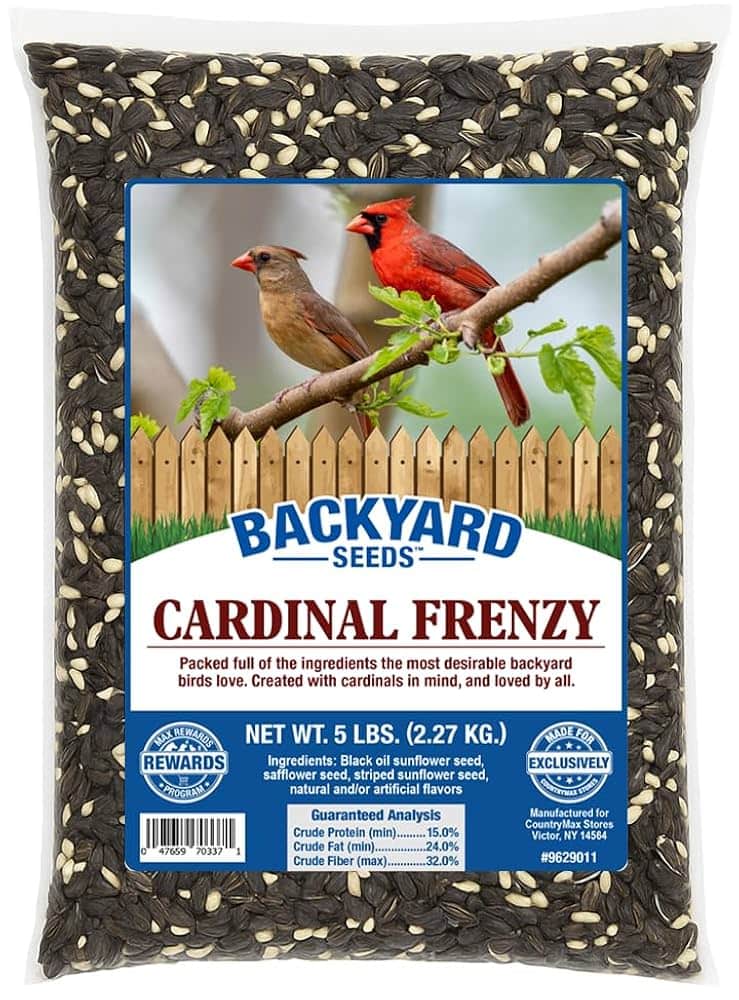
Have you ever wondered what makes wild bird seed mix so special? If you feed birds or want to attract them to your yard, knowing what seeds are inside can help you choose the best mix.
Different seeds attract different birds, so understanding the ingredients can make your birdwatching more exciting and rewarding. You’ll discover the common seeds found in wild bird seed mixes and how each one plays a role in inviting a variety of feathered friends to your space.
Keep reading to find out which seeds you should look for to create the perfect bird buffet!
Credit: www.kaytee.com
Common Seeds In Wild Bird Mixes
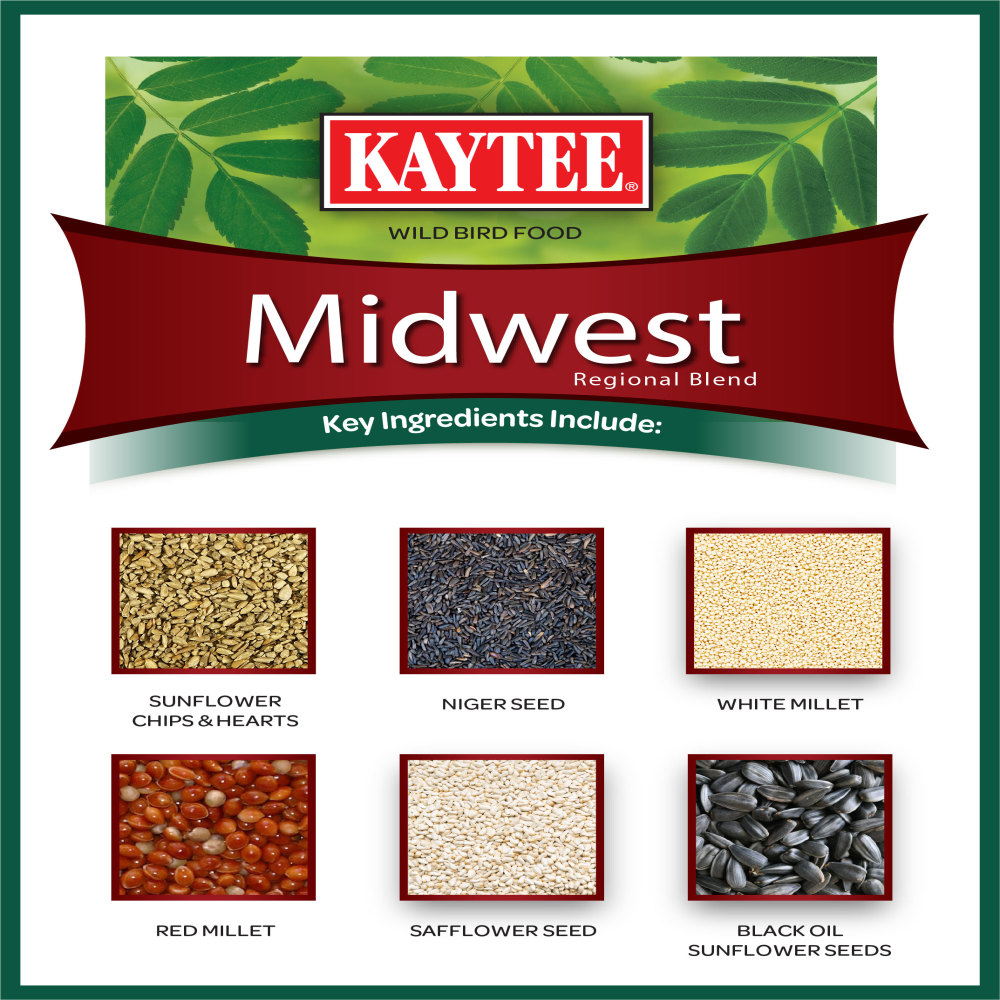
Wild bird seed mixes contain a variety of seeds to attract different bird species. These mixes offer food that suits many birds’ tastes and nutritional needs.
Knowing the common seeds helps you choose the right mix to feed wild birds in your area. Each seed type supports certain birds and offers unique benefits.
Sunflower Seeds
Sunflower seeds are popular in wild bird mixes. They have a high oil content that gives birds energy. Both black oil and striped sunflower seeds are common.
Many birds like sunflower seeds, including finches, cardinals, and chickadees. These seeds are easy to crack and offer good nutrition.
Millet Varieties
Millet is a small, round seed often found in mixes. White proso millet is the most common type. It is preferred by ground-feeding birds.
- Sparrows
- Juncos
- Doves
- Towhees
Millet is easy to digest and provides energy. It is especially good for smaller birds that feed on the ground.
Safflower Seeds
Safflower seeds are white and have a hard shell. They appeal to cardinals, grosbeaks, and some finches. Safflower seeds deter squirrels and larger birds.
These seeds are rich in fat and protein. Birds enjoy them as a high-energy snack, especially in cold weather.
Cracked Corn
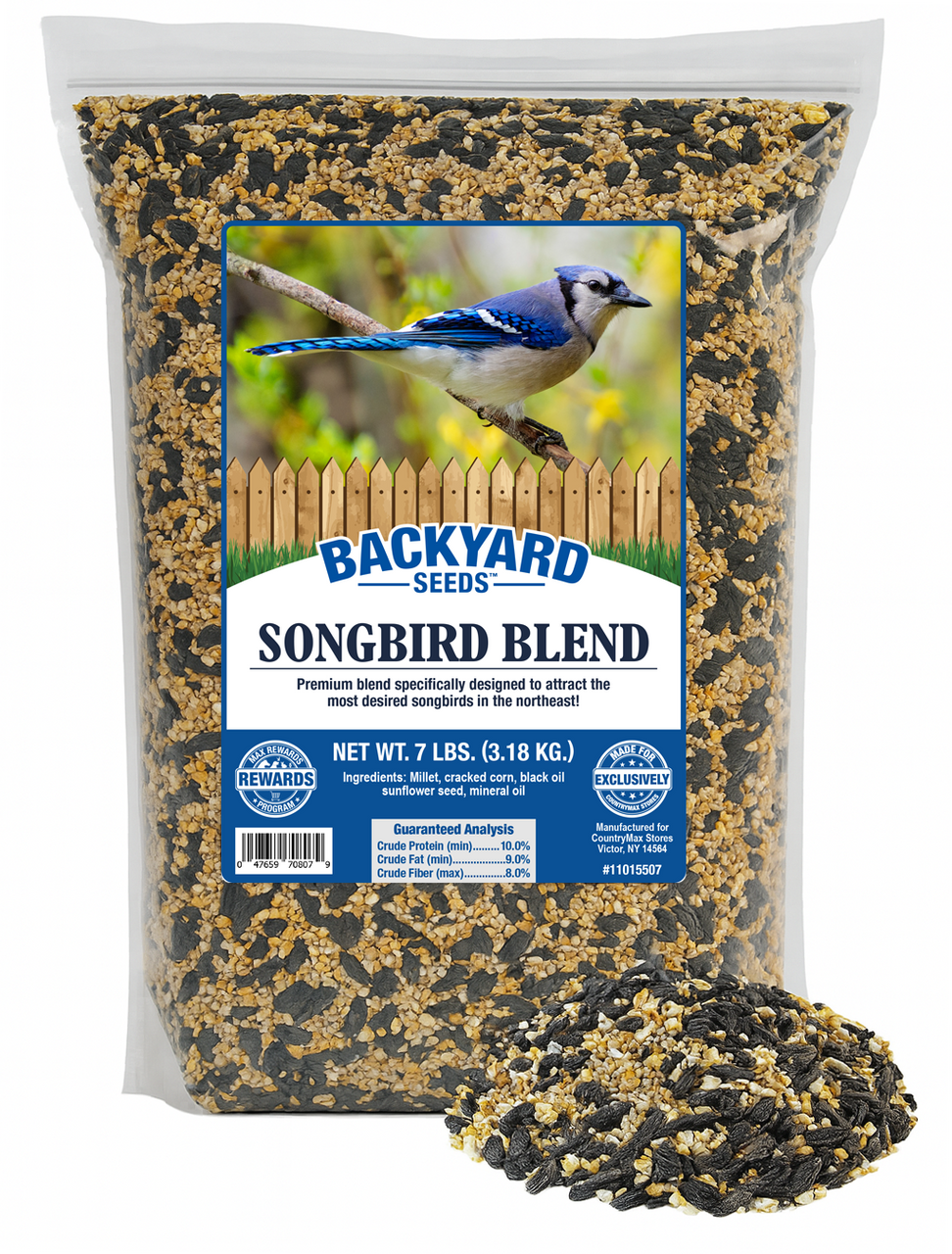
Cracked corn is broken pieces of dried corn kernels. It attracts larger birds like ducks, pigeons, and jays. It also feeds ground-feeding birds.
Though less nutritious than seeds, cracked corn provides carbohydrates for energy. It is often added to mixes for variety and to feed bigger birds.
Nyjer Seeds
Nyjer seeds are tiny and black. They are a favorite of finches like goldfinches and siskins. Nyjer seeds require special feeders to prevent spillage.
| Seed Type | Birds Attracted | Key Benefits |
| Sunflower Seeds | Finches, Cardinals, Chickadees | High energy, easy to crack |
| Millet Varieties | Sparrows, Juncos, Doves | Good for small ground feeders |
| Safflower Seeds | Cardinals, Grosbeaks | Deters squirrels, high fat |
| Cracked Corn | Ducks, Pigeons, Jays | Energy source for large birds |
| Nyjer Seeds | Goldfinches, Siskins | Small seed for specialized feeders |
Specialty Seeds For Unique Birds
Wild bird seed mixes often include specialty seeds. These seeds attract unique bird species. Feeding these seeds helps bird watchers enjoy a variety of birds.
Each type of seed suits different birds. Knowing what seeds are in the mix can help you choose the right one. This guide covers thistle seeds, canary seeds, and peanuts and kernels.
Thistle Seeds
Thistle seeds are small and oily. They are loved by finches and siskins. These birds need high-energy food during cold months. Thistle seeds are often sold as Nyjer or Niger seed.
These seeds are best offered in special feeders. Their tiny size can fall through regular feeders. Many bird lovers use mesh feeders to hold thistle seeds.
Canary Seeds
Canary seeds are smooth and pale. They attract small birds like canaries and some sparrows. These seeds provide good nutrition and are easy to digest.
- Rich in carbohydrates for energy
- Light and easy for small birds to eat
- Usually mixed with other seeds for variety
- Helps keep birds active and healthy
Peanuts And Kernels
Peanuts and kernels attract larger birds. Jays, woodpeckers, and some finches enjoy these high-protein snacks. Peanuts should be unsalted and raw for safety.
| Type | Birds Attracted | Benefits |
| Peanuts | Jays, Woodpeckers | High protein and fat |
| Sunflower Kernels | Finches, Cardinals | Rich in oil and energy |
| Striped Corn Kernels | Doves, Pigeons | Good carbohydrate source |
Nutritional Benefits Of Different Seeds
Wild bird seed mix contains many types of seeds. Each seed offers unique nutrition. These nutrients help birds stay healthy and active.
We will explore three key nutrition groups. They are energy sources, protein content, and fat and oil content.
Energy Sources
Seeds provide energy mainly through carbohydrates. Birds need energy to fly, find food, and keep warm. Sunflower seeds and millet are good energy sources. They have carbohydrates that release energy slowly.
Protein Content
Protein helps birds build muscles and repair tissues. Many seeds in wild bird mixes contain protein. For example, safflower seeds and peanuts are rich in protein. Protein is vital for growth and feather health.
- Sunflower seeds: Moderate protein
- Safflower seeds: High protein
- Peanuts: Very high protein
- Millet: Low protein
Fat And Oil Content
Fats and oils give birds concentrated energy. They also help keep feathers shiny and skin healthy. Seeds like black oil sunflower and nyjer are rich in fats. These seeds help birds survive cold weather.
| Seed Type | Fat Content (%) | Main Benefit |
| Black Oil Sunflower | 40-50 | High energy and healthy feathers |
| Nyjer (Thistle) | 30-35 | Energy and skin health |
| Millet | 4-6 | Low fat, mainly carbs |
| Safflower | 20-25 | Protein and moderate fat |

Credit: duncraft.com
How Seed Mixes Attract Various Bird Species
Wild bird seed mixes contain different types of seeds. These seeds attract many bird species to your yard or garden.
Birds choose seeds based on size, taste, and nutrition. A good mix offers options for many birds.
Seed Preferences By Bird Type
Different birds prefer different seeds. Small birds like finches enjoy tiny seeds. Larger birds choose bigger seeds.
- Finches and chickadees like nyjer and millet seeds
- Sparrows and doves prefer millet and cracked corn
- Cardinals and grosbeaks enjoy sunflower seeds
- Woodpeckers and jays eat peanuts and safflower seeds
Seasonal Feeding Habits
Bird feeding changes with the seasons. In winter, birds need high-energy seeds. In spring, they prefer fresh seeds for nesting.
Seed mixes may vary seasonally to meet bird needs. High-fat seeds help birds stay warm in cold months.
- Winter: sunflower seeds and peanuts for energy
- Spring: millet and cracked corn for young birds
- Summer: light seeds for less fat intake
- Fall: mixed seeds to prepare for migration
Feeding Behaviors And Seed Choice
Birds have different feeding styles. Some eat on the ground, others on feeders. This affects the seed types they choose.
Seed mixes include both hull-free and hulled seeds. Hull-free seeds reduce waste and attract ground feeders.
- Ground feeders prefer millet and cracked corn
- Feeder perch birds like sunflower and safflower seeds
- Birds that cling choose smaller seeds like nyjer
- Some birds crack shells to get to the seed inside
Selecting The Right Mix For Your Garden
Choosing the right wild bird seed mix helps attract local birds to your garden. Different seeds suit different bird species and climates.
Understanding the seeds in your mix can improve bird feeding success and keep your garden lively.
Local Bird Species Considerations
Each bird species prefers certain seeds. Knowing which birds live nearby helps pick the right mix.
- Sparrows like millet and cracked corn.
- Finches enjoy nyjer and sunflower seeds.
- Doves prefer white proso millet and safflower.
- Woodpeckers eat peanuts and sunflower seeds.
- Chickadees choose sunflower seeds and suet.
Climate And Seasonal Factors
Weather affects seed choice. Some seeds stay fresh longer in wet climates.
| Season | Recommended Seeds | Notes |
|---|---|---|
| Spring | Millet, sunflower | Attracts nesting birds |
| Summer | Nyjer, cracked corn | Seeds resist mold in heat |
| Fall | Safflower, peanuts | High energy for migration |
| Winter | Sunflower, suet pellets | Helps birds stay warm |
Seed Quality And Freshness
Fresh seeds attract more birds. Old or moldy seeds can harm them.
Tips for checking seed quality:
- Look for bright, clean seeds without dust
- Smell seeds to ensure no musty odor
- Store seeds in a cool, dry place
- Buy from trusted suppliers with high turnover
Credit: www.countrymax.com
Tips For Storing And Handling Bird Seed
Wild bird seed mixes contain many types of seeds like millet, sunflower, and cracked corn. Proper storage keeps the seeds fresh and safe for birds.
Handling bird seed the right way stops waste and protects birds from bad seeds or pests.
Preventing Mold And Spoilage
Mold grows when bird seed gets wet or stays damp for a long time. Moldy seeds can harm birds and waste your money.
Keep seeds dry and check them often to avoid spoilage.
- Store seeds in a cool, dry place
- Avoid exposure to rain or snow
- Use seed feeders that drain water well
- Throw away seeds that look clumped or smell bad
Avoiding Pest Contamination
Pests like rodents and insects are attracted to bird seed. They can eat or spoil the seed and spread disease.
Stop pests by keeping seed storage clean and sealed.
- Store seeds off the ground
- Use pest-proof containers with tight lids
- Clean up spilled seed around feeders quickly
- Check stored seed regularly for signs of pests
Proper Storage Containers
Good containers protect bird seed from moisture, pests, and air. Use containers that are strong and seal tightly.
Choose containers that are easy to open and clean.
- Plastic bins with locking lids
- Metal containers with tight seals
- Food-grade buckets with gasket lids
- Clear containers to see the seed condition
Frequently Asked Questions
What Seeds Are Commonly Found In Wild Bird Seed Mix?
Wild bird seed mixes usually contain sunflower seeds, millet, cracked corn, safflower, and nyjer seeds. These seeds attract various bird species. Each seed type appeals to different birds, ensuring a diverse birdwatching experience.
Why Include Sunflower Seeds In Wild Bird Mix?
Sunflower seeds are high in fat and energy. They attract many birds like cardinals, chickadees, and finches. Their shells provide added calcium, benefiting birds’ health. Sunflower seeds are a popular ingredient in most wild bird seed mixes.
How Does Millet Benefit Wild Birds In Seed Mixes?
Millet is a small, nutritious seed favored by ground-feeding birds like sparrows and doves. It is easy to digest and provides essential nutrients. Millet’s inclusion supports a wide variety of wild birds, making it a key seed in mixes.
Are Cracked Corn Seeds Good For Wild Bird Mixes?
Yes, cracked corn is an affordable energy source for larger birds. It attracts species such as pigeons, jays, and ducks. Cracked corn helps diversify the mix and supports birds needing higher carbohydrate intake.
Conclusion
Wild bird seed mixes contain many types of seeds. Sunflower seeds attract most birds with their high energy. Millet is small but loved by ground-feeding birds. Safflower seeds suit picky eaters and help keep squirrels away. Cracked corn is cheap and fills many bird bellies.
Each seed serves a purpose in feeding different birds. Knowing these seeds helps you choose the best mix. Enjoy watching many bird species visit your feeder. Nature’s variety keeps your backyard lively and fun.



