
Have you ever wondered why certain sounds seem to bring birds right to your backyard? If you want to attract more birds and enjoy their beauty and songs, understanding what sounds catch their attention is key.
Whether you’re a birdwatcher, gardener, or just someone who loves nature, knowing which sounds work can make a big difference. Keep reading, and you’ll discover simple sounds that invite birds closer, turning your outdoor space into a lively haven. Your next feathered visitor might be just a sound away!
Bird Calls That Draw Attention
Birds use sounds to communicate with each other. Some calls attract attention and help birds find mates or warn of danger.
Understanding these sounds helps us learn how birds behave and interact in nature.
Common Bird Calls And Their Effects
Bird calls vary by species and purpose. Some sounds invite other birds, while others warn them to stay away.
- Song Calls:Used to attract mates and show territory.
- Alarm Calls:Warn others about predators nearby.
- Contact Calls:Help birds stay in groups while flying.
- Begging Calls:Young birds use these to ask for food.
Each call has a different effect, like bringing birds closer or making them more alert.
How Birds Respond To Calls
Birds listen carefully to calls. They use the sounds to decide what to do next.
For example, a song call can make a bird approach, while an alarm call can cause it to hide.
- Birds may fly toward a song to find a mate.
- Alarm calls cause birds to look for danger or fly away.
- Contact calls help keep flocks together during flights.
- Begging calls prompt parents to feed their chicks.

Credit: www.youtube.com
Top Calls For Different Bird Species
Bird sounds can help attract different types of birds to your area. Each species responds to specific calls and songs.
Using the right bird calls can improve your chances of seeing more birds close by. Let’s explore the best sounds for various bird groups.
Songs For Songbirds
Songbirds use melodies to communicate and attract mates. Playing their songs can draw them near. Common songbird calls are often clear and musical.
- American Robin: Soft whistles and melodious phrases
- Northern Cardinal: Clear, whistled "cheer" or "birdie" calls
- Song Sparrow: Repetitive, sweet trills and buzzes
- Eastern Bluebird: Soft, warbling tunes
Calls For Waterfowl
Waterfowl use harsh, short calls to communicate. Playing these calls near water can attract ducks and geese. These sounds are often loud and sharp.
- Mallard Duck: Quacking sounds with a short "quack"
- Canada Goose: Loud honks and cackling calls
- Wood Duck: High-pitched whistling notes
- American Coot: Sharp "kerr" and "cuk" calls
Sounds To Attract Raptors
Raptors respond to calls that mimic their prey or other raptors. Using these sounds can help spot hawks, owls, and eagles. Their calls are strong and often piercing.
- Red-tailed Hawk: Sharp, descending "kee-eeeee-arr" scream
- Great Horned Owl: Deep, hooting notes in a series
- Bald Eagle: High-pitched, chattering calls
- Cooper’s Hawk: Rapid, sharp "kik-kik-kik" calls
Calls That Bring Backyard Birds
Backyard birds respond well to friendly and simple calls. These sounds mimic feeding or alarm calls to draw birds closer.
- House Finch: Soft chirps and warbling whistles
- Chickadee: Clear "chick-a-dee-dee" calls
- Blue Jay: Loud “jay jay” or “queedle” calls
- Tufted Titmouse: Whistled "peter-peter" song
Creating Effective Bird Call Recordings
Bird calls can attract birds if recorded and played well. Good recordings help you connect with birds in nature.
Clear sounds bring birds closer. Poor sounds may scare them away or confuse them.
Choosing Quality Recordings
Use recordings with clear, natural bird calls. Avoid noisy or distorted sounds.
Record in quiet places to catch true bird sounds. Background noise lowers quality and scares birds.
- Record near birds without disturbing them
- Use directional microphones for better sound
- Choose recordings with authentic calls, not repeats
- Edit out unwanted noise carefully
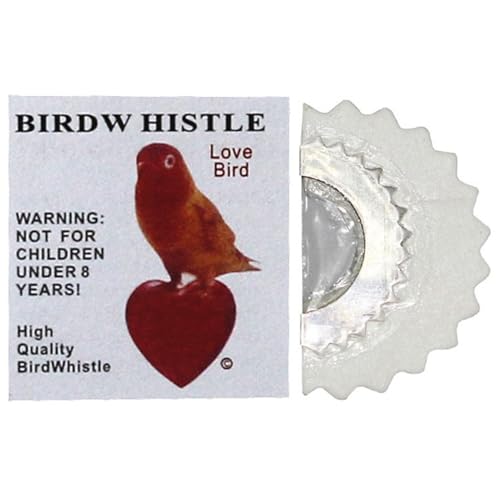
Tips For Playback Devices
Use devices that play sounds clearly and at correct volume. Too loud or too soft sounds will not work.
Small speakers work well outside. Keep devices safe from weather and animals.
- Test volume before playing near birds
- Use rechargeable batteries for long use
- Place speakers near natural bird spots
- Avoid echo by choosing open spaces
Credit: shop.nebosoft.net
Using Bird Calls Ethically
Bird calls can attract many birds for watching or study. Using calls the right way helps protect birds and their homes.
It is important to use bird calls with care. This helps keep birds safe and reduces stress on them.
Avoiding Disturbance
Do not use bird calls too often or for long time. Birds can get scared or confused by loud or repeated sounds.
Keep a safe distance from birds when you use calls. This stops you from making them fly away or stop feeding.
- Play calls at low volume
- Limit call use to short periods
- Stop using calls if birds show signs of stress
- Use calls only in safe weather and light conditions
Respecting Bird Habitats
Use bird calls only in places where birds live naturally. Avoid fragile or protected areas to keep habitats safe.
Do not enter nests or places where birds raise their young. Disturbing these areas can harm bird populations.
- Stay on trails and paths
- Do not remove plants or objects from habitat
- Observe birds quietly without touching
- Follow local rules about wildlife and nature reserves
Diy Bird Call Devices
Bird sounds attract birds by mimicking their calls. Making your own bird call devices can help you draw birds closer.
These devices are simple to build and use. They produce sounds that birds recognize and respond to.
Simple Homemade Call Makers
You can create bird call devices with items from home. These tools imitate bird sounds and attract them nearby.
Examples include whistles, reed instruments, and hollow tubes. Adjusting how you blow or tap changes the sound.
- Use a whistle to mimic bird chirps
- Make a reed call with a small piece of grass or plastic
- Create a tube call from a hollow stick or straw
- Tapping or rubbing can imitate drumming sounds
Apps And Digital Tools
Smartphone apps play bird calls to attract birds. They have many recorded sounds to try out.
Some apps let you control volume and repeat sounds. This helps in drawing birds without scaring them.
- Play calls of local bird species
- Use loops to repeat sounds softly
- Adjust sound timing to match natural calls
- Some apps offer visual guides to bird calls

Credit: www.youtube.com
Frequently Asked Questions
What Bird Sounds Attract The Most Species?
Bird songs and calls with clear, melodious tones attract diverse species. Songs mimicking natural calls often draw birds effectively.
How Do Bird Calls Influence Bird Behavior?
Bird calls signal territory, mating readiness, and danger. These sounds encourage birds to respond, approach, or communicate with others.
Can Recorded Bird Sounds Attract Wild Birds?
Yes, recorded calls can lure birds for observation. Using natural, species-specific sounds yields the best results.
Which Sounds Repel Birds Instead Of Attracting Them?
Loud, harsh noises and predator calls typically repel birds. Avoid using distress signals unless necessary for bird control.
Conclusion
Birds are naturally drawn to certain sounds. Gentle music and soft whistles create a welcoming space for them. Nature sounds like flowing water can attract them too. Birdcalls and chirping sounds play a big role in inviting them. Always ensure your environment is calm and safe for birds.
They appreciate peaceful spaces. Providing food and shelter enhances their visit. Observing birds in your yard can be a joyful experience. Understanding their preferences enriches our connection with nature. Happy birdwatching!


