If you want to enjoy watching birds up close, it’s important to know what can scare them away or keep them from visiting your space. You might think any food or decoration will do, but some common mistakes can actually harm your chances of attracting these beautiful creatures.
You’ll discover the key things to avoid so your garden or backyard becomes a safe and welcoming haven for birds. Keep reading, and you’ll learn simple but powerful tips that make all the difference.
Choosing The Wrong Feeders
Picking the right feeder is key to attract birds safely. The wrong feeder can scare birds away or harm them.
Learn what to avoid when selecting feeders to make your yard a bird-friendly place.
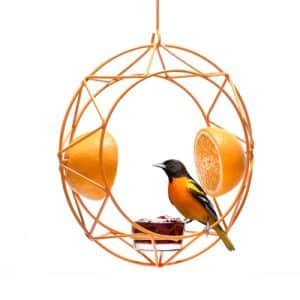
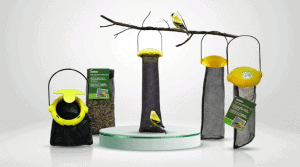
Using Inappropriate Feeder Types
Different birds prefer different feeders. Using the wrong type keeps birds from visiting.
- Tube feeders are good for small songbirds but not for large birds.
- Platform feeders attract many birds but can also bring pests.
- Nectar feeders suit hummingbirds but need frequent cleaning.
- Suet feeders are best for woodpeckers and insect eaters.
Ignoring Feeder Placement
Where you put your feeder affects bird visits. Poor placement can cause stress or danger.
| Placement Area | Why Avoid |
| Too close to windows | Birds may hit glass and get hurt |
| Open areas without cover | Birds feel exposed to predators |
| Near feeders with strong wind | Birds struggle to feed and may leave |
| Too close to pets | Pets may scare or harm birds |
Neglecting Feeder Maintenance
Dirty feeders spread disease and repel birds. Cleaning is a must.
Tips for feeder care:
- Wash feeders every two weeks with warm soapy water.
- Rinse well to remove soap residue.
- Remove old or moldy seeds daily.
- Check for damage and fix or replace feeders promptly.

Credit: www.devonlive.com
Selecting Unsuitable Food
Choosing the right food is key to attracting birds safely. Feeding birds the wrong food can harm them.
This guide covers common mistakes to avoid when selecting bird food.
Offering Processed Human Foods
Many processed human foods contain salt, sugar, or chemicals. These ingredients can hurt birds’ health.
- Do not feed birds bread, chips, or candy.
- Avoid salty snacks like pretzels or crackers.
- Skip sugary treats such as cookies or pastries.
- Never offer foods with artificial flavors or preservatives.
Providing Spoiled Or Moldy Seeds
Spoiled seeds can cause serious illness in birds. Moldy seeds release toxins that harm their digestive system.
| Seed Condition | Risk to Birds |
| Fresh and clean | Safe and nutritious |
| Old but dry | Low risk but less tasty |
| Moldy or damp | High risk of illness |
| Discolored or smelly | Dangerous, avoid feeding |
Ignoring Native Bird Diets
Different birds eat different foods. Ignoring native diets can cause malnutrition.
Here are some examples of native bird diets:
- Finches:Prefer small seeds like millet and nyjer.
- Woodpeckers:Eat insects and suet.
- Hummingbirds:Feed on nectar and tiny insects.
- Sparrows:Enjoy grains and seeds.
Check local bird guides to learn what your native birds eat.
Poor Habitat Setup
Creating a good habitat is key to attracting birds. Poor habitat setup can scare birds away.
Birds need safe places to stay and find food. Avoid mistakes that make your yard less friendly.
Lack Of Shelter And Cover
Birds need places to hide from predators and bad weather. Without shelter, they feel unsafe.
Leaving your yard open with no shrubs or trees stops birds from visiting. Provide thick bushes or trees.
- Plant dense shrubs or trees for hiding spots
- Keep some tall grasses or natural brush piles
- Use birdhouses or nesting boxes for extra cover
Planting Non-native Vegetation
Non-native plants may not offer good food or shelter. Birds prefer plants they know well.
Native plants support local insects and seeds. These help birds find natural food easily.
- Choose native trees, shrubs, and flowers
- Avoid plants that need many chemicals or water
- Native plants attract more insects for bird food
Failing To Provide Water Sources
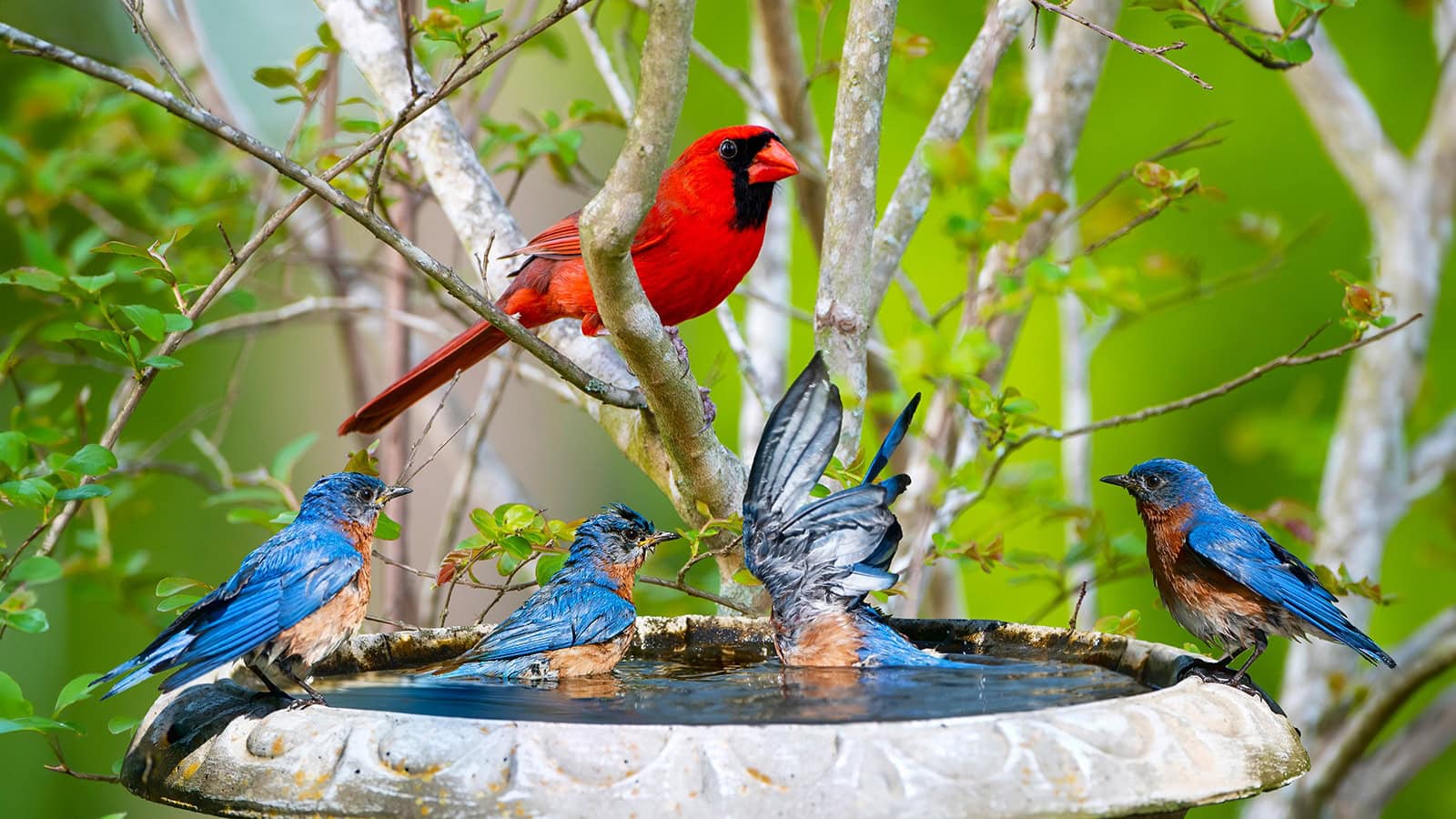
Birds need water for drinking and bathing. Without water, birds will not stay long.
Simply having a birdbath or small pond helps attract birds. Keep water clean and fresh.
- Place a birdbath at ground level or higher
- Change water often to prevent mosquitoes
- Use shallow water for easy access

Credit: lawnlove.com
Disturbing Bird Activity
Attracting birds to your yard or garden is a rewarding experience. Birds bring life and beauty to outdoor spaces. It is important to avoid actions that disturb their natural behavior.
Disturbing bird activity can scare birds away and make your efforts fail. Understanding what to avoid helps create a safe place for birds to visit and feed.
Frequent Human Interference
Many people get excited and try to get too close to birds. This constant presence can stress birds and stop them from feeding or nesting. It is best to watch from a distance and move slowly.
Allowing Pets Near Feeding Areas
Pets, especially cats and dogs, can frighten birds. They may chase or harm birds near feeding spots. Keep pets away to protect birds and reduce stress.
- Keep pets indoors during peak bird feeding times.
- Use barriers or fences to block pet access to feeders.
- Train pets to stay away from bird activity areas.
Creating Excessive Noise
Loud sounds can scare birds and stop them from visiting. Noise from music, machines, or shouting is harmful. Quiet surroundings help birds feel safe and comfortable.
| Noise Source | Effect on Birds | How to Avoid |
| Loud Music | Startles birds, stops feeding | Play music at low volume or off |
| Power Tools | Causes birds to flee the area | Use tools when birds are less active |
| Shouting or Loud Talking | Creates stress and fear in birds | Keep voices low near bird areas |
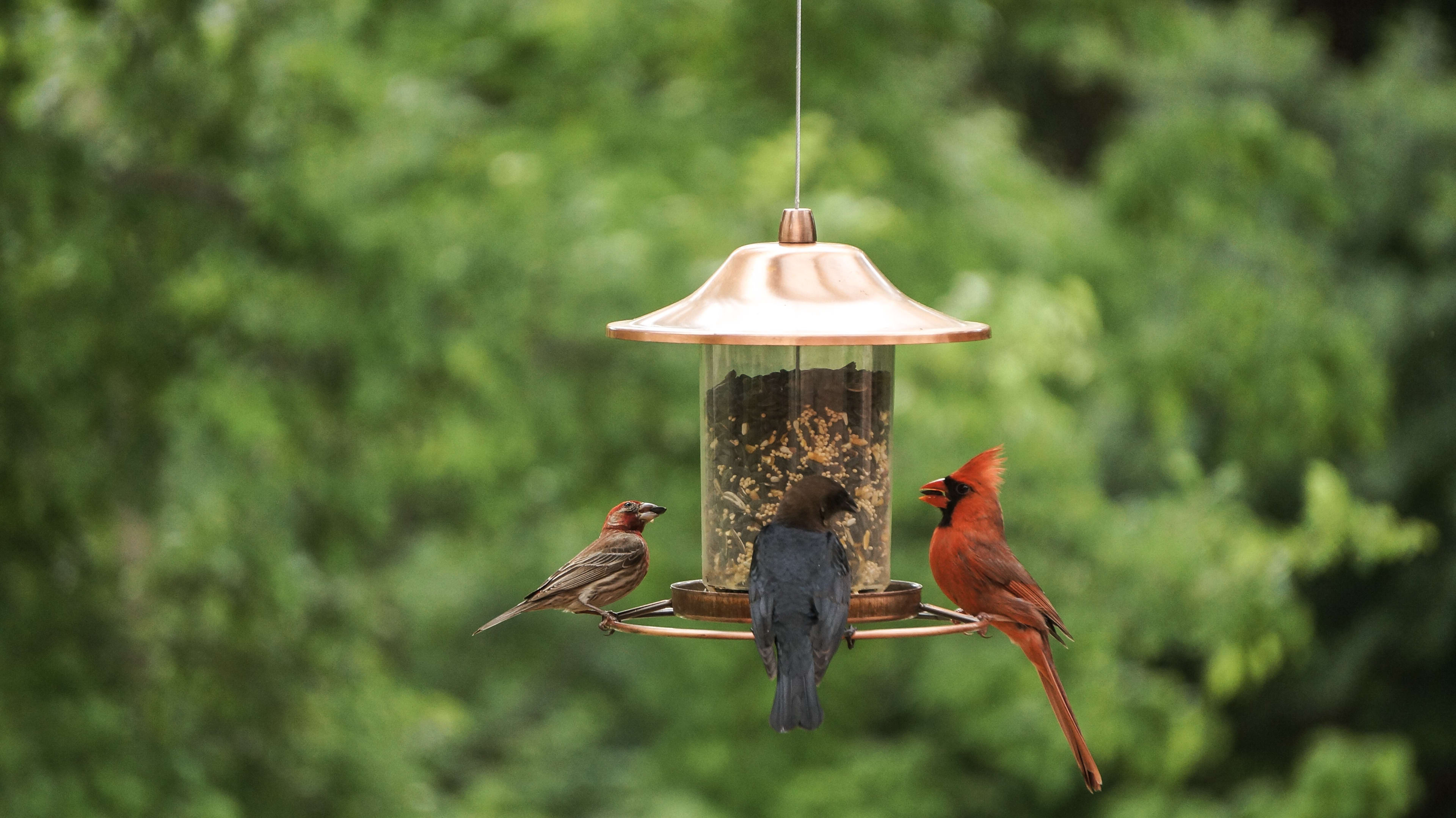
Overfeeding And Crowding
Attracting birds to your yard is fun and rewarding. But giving too much food or having many birds close together can cause problems.
Overfeeding can harm birds and make your feeder area crowded. It is important to feed birds the right way to keep them safe and happy.
Feeding Too Much Food
Giving birds too much food can cause waste and spoilage. Leftover food attracts pests like rats and insects.
Overfeeding also makes birds eat more than they need. This can lead to health issues for the birds.
- Fill feeders with only enough food for a day or two
- Clean feeders regularly to remove old food
- Use feeders with small openings to limit food spillage
Attracting Aggressive Bird Species
Too much food can attract aggressive birds like starlings or crows. These birds can scare away smaller, gentle species.
Crowded feeding areas cause fights and stress among birds. Aggressive birds may push others away from food.
- Limit food to avoid large flocks of aggressive birds
- Use feeders designed to keep out larger birds
- Place multiple feeders far apart to reduce crowding
Encouraging Dependency On Feeders
Feeding birds too often can make them rely on humans for food. This can reduce their natural foraging skills.
Birds may struggle to find food if feeders are suddenly removed. It is better to feed birds in moderation.
- Feed birds during cold months when food is scarce
- Offer natural foods like seeds and berries in your yard
- Avoid feeding birds every day year-round
Credit: dengarden.com
Ignoring Seasonal Changes
Birds change their habits as the seasons pass. Ignoring these changes can reduce your chances of attracting them.
Understanding seasonal needs helps you provide the right food and care at the right time.
Failing To Adjust Feeding Strategies
Birds eat different foods during different seasons. In spring and summer, they need more protein. In fall and winter, they look for high-fat seeds to stay warm.
- Offer mealworms or insects in warmer months
- Provide sunflower seeds and suet in colder months
- Switch foods based on local bird species
- Keep water fresh year-round
Not Cleaning Feeders Regularly
Dirty feeders can spread disease. Birds may stop visiting if feeders are not clean. Clean feeders at least once every two weeks. In wet seasons, clean more often.
| Season | Cleaning Frequency |
| Spring | Every 2 weeks |
| Summer | Every 1-2 weeks |
| Fall | Every 2 weeks |
| Winter | Every 3 weeks |
Overlooking Migratory Patterns
Birds travel during certain seasons. Knowing when and where they move helps you prepare your yard. Offer food and shelter before they arrive and after they leave.
Tips for tracking migratory birds:
- Check local birdwatching websites
- Join community bird groups
- Use apps to track bird movements
- Note first and last sightings each year
Frequently Asked Questions
What Common Mistakes Repel Birds From Feeders?
Using dirty feeders, offering inappropriate food, and sudden loud noises repel birds. Avoid chemicals and pet presence near feeding areas to keep birds comfortable and visiting regularly.
Why Avoid Processed Foods When Attracting Birds?
Processed foods lack natural nutrients and can harm birds. Stick to seeds, nuts, and fresh fruits to provide healthy, safe nourishment that attracts a variety of bird species effectively.
How Does Loud Noise Affect Bird Attraction?
Loud noise frightens birds and disrupts their natural behavior. Maintaining a quiet, peaceful environment near feeders encourages birds to visit and stay longer without stress or fear.
Can Harmful Chemicals Deter Birds From Gardens?
Yes, pesticides and herbicides can poison birds and damage habitats. Use organic, bird-safe gardening products to protect birds and create a welcoming environment for them to thrive.
Conclusion
Attracting birds requires thoughtful planning and care. Avoid loud noises; they scare birds away. Keep harmful chemicals out of your garden. Birds dislike strong scents. Ensure feeders are clean and safe. Dirty feeders can harm birds. Provide fresh water for drinking and bathing.
Avoid overcrowding with too many feeders. Birds need space to feel safe. Choose native plants to attract local species. These simple steps help create a welcoming habitat. Enjoy the beauty and joy birds bring to your garden. With the right approach, your backyard becomes a bird haven.