
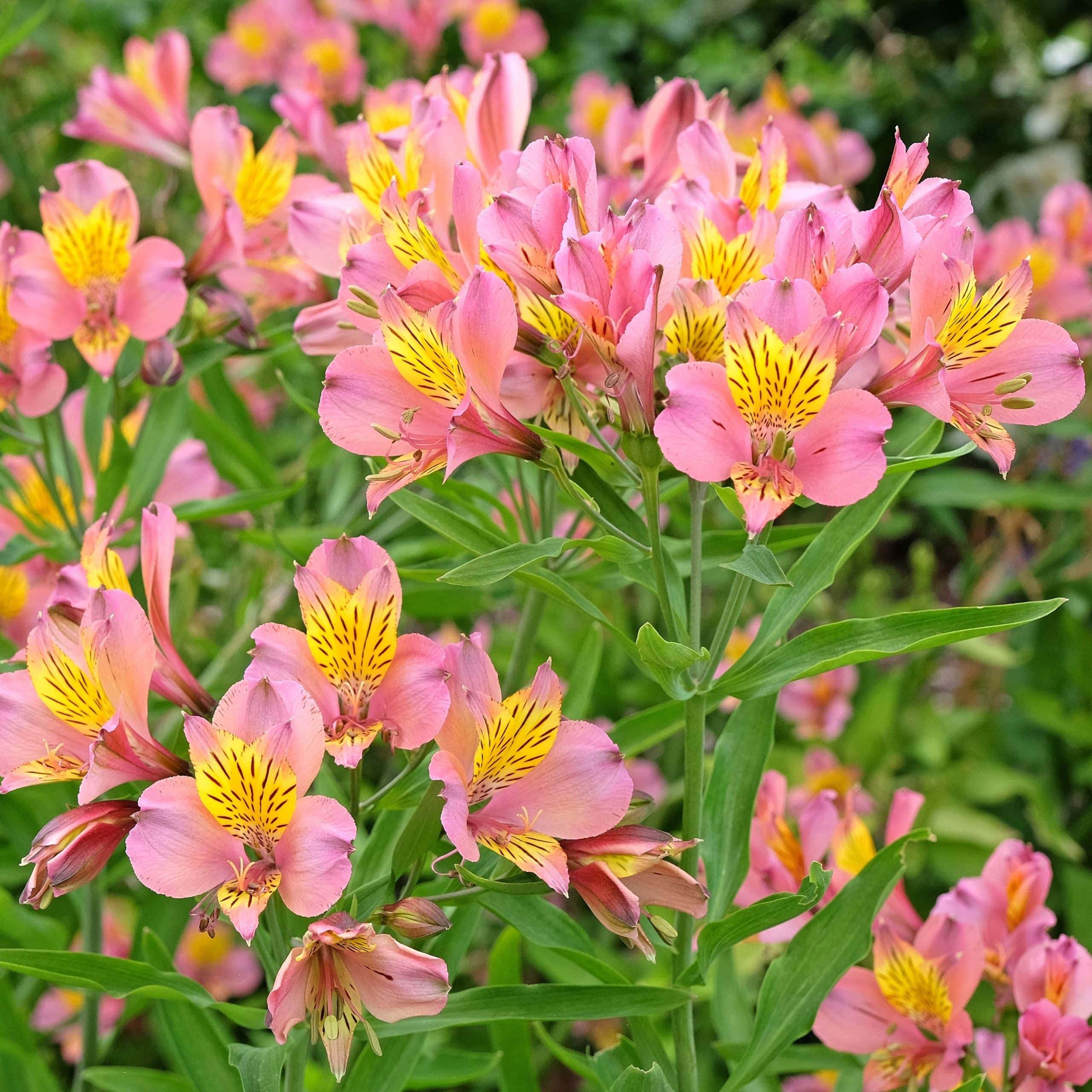
Have you ever wondered what to do with dead Bird of Paradise flowers in your garden or home? Those stunning blooms bring vibrant color and tropical vibes, but once they start to fade, you might feel unsure about the next step.
Should you just toss them away, or is there a better way to handle them? You’ll discover simple, effective tips to care for your Bird of Paradise plants after the flowers die. Keep reading to learn how to keep your garden looking fresh and healthy, and even how to make the most out of those spent blooms.
Signs Of Dying Bird Of Paradise
The Bird of Paradise is a stunning plant that adds beauty to any garden. It needs care to stay healthy and vibrant.
Sometimes, the plant shows signs of dying. Watch for color changes, wilting leaves, and weak stems.
Color Changes
Leaves and flowers lose their bright colors when the plant is not well. They may turn yellow, brown, or pale.
- Yellowing leaves mean lack of nutrients or water.
- Brown spots show sunburn or disease.
- Faded flowers indicate the end of their life cycle.
Wilting Leaves
Wilting leaves droop and feel soft. This happens when the plant loses too much water or has root problems.
| Cause | Effect on Leaves |
|---|---|
| Underwatering | Leaves curl and droop |
| Overwatering | Leaves turn limp and yellow |
| Root damage | Leaves wilt and dry out |
Stem Weakness
Stems become soft or bend easily when the plant is weak. This can cause flowers to fall off or break.
- Soft stems may be caused by rot or pests.
- Bending stems show lack of support or nutrients.
- Broken stems stop water and food flow to the leaves.

Credit: www.reddit.com
Safe Removal Techniques
Removing dead Bird of Paradise flowers keeps your plant healthy. It also helps your garden look neat and fresh.
Use safe techniques to avoid hurting the plant or yourself. Follow simple steps to remove dead parts carefully.
Tools To Use
Choose the right tools to cut dead flowers safely. Sharp tools make clean cuts without damaging the plant.
Use clean and sturdy tools to prevent infections. Wipe blades with rubbing alcohol before and after use.
- Sharp garden scissors or pruning shears
- Gloves to protect your hands
- Rubbing alcohol for cleaning tools
- Small bucket or bag for debris
Cutting At The Right Spot
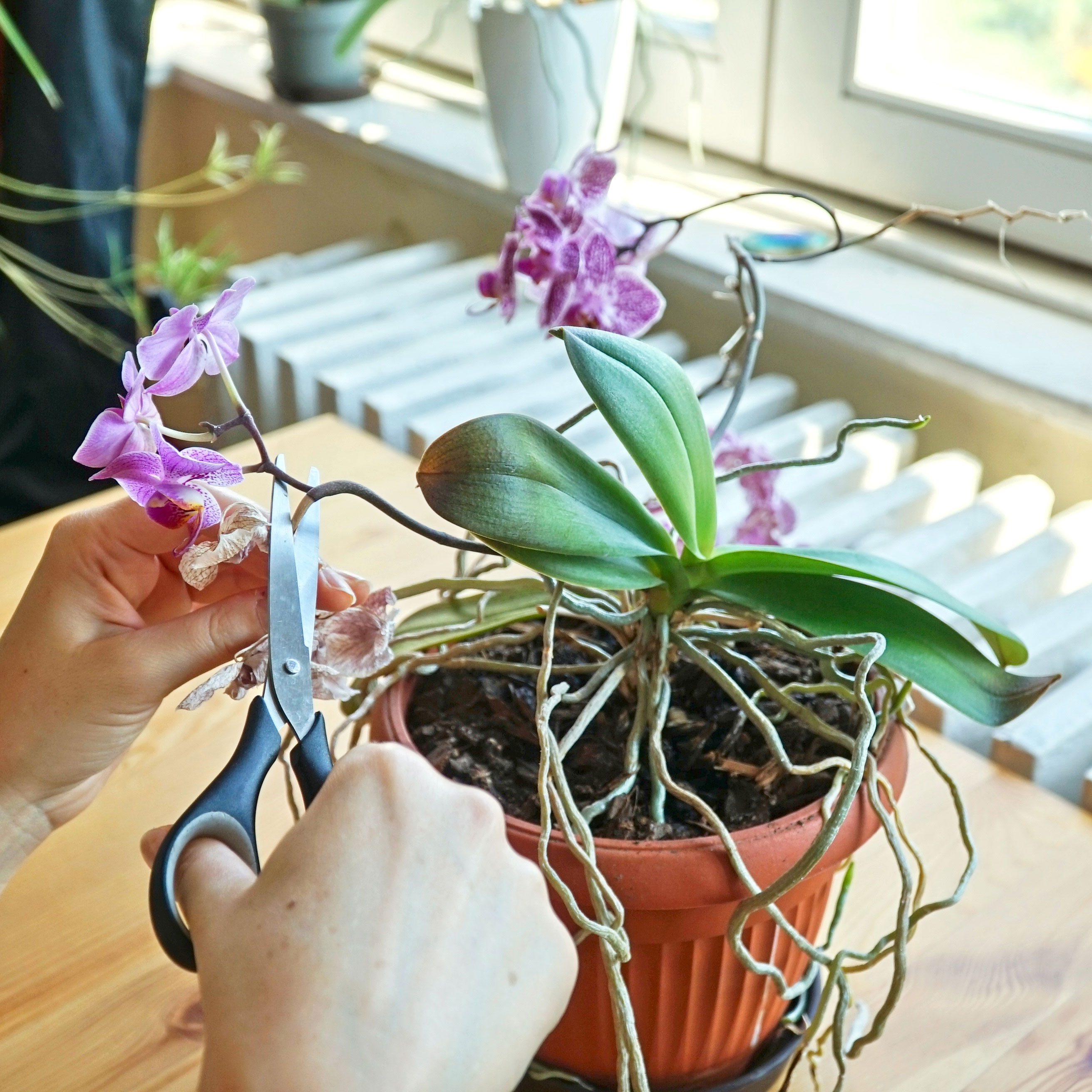
Cut dead flowers at the base of the stem. Leave healthy leaves and stems to help the plant grow.
Make clean cuts at a slight angle. This helps water run off and stops rot from forming.
- Look for brown or dry petals and stems
- Cut just above a healthy leaf or stem joint
- Avoid cutting into green, healthy parts
- Use sharp tools for smooth cuts
Disposing Dead Parts
Remove dead flower parts from your garden to stop pests and diseases. Dispose of them safely.
Do not leave dead flowers near the plant. Use garden waste bins or compost if allowed.
- Collect dead flowers in a bag or bucket
- Dispose in green waste or compost bin
- Burn or discard if composting is not possible
- Wash your hands after handling dead parts
Reviving Tips
Dead Bird of Paradise flowers can make your plant look sad. Reviving them helps the whole plant stay healthy. You need to care for the plant carefully to bring it back.
This guide covers the key areas to focus on: watering, lighting, and feeding. Follow these tips to help your Bird of Paradise recover well.
Proper Watering
Water the plant deeply but not too often. Overwatering can cause root rot. Let the top inch of soil dry before watering again.
- Check soil moisture with your finger.
- Water only when the soil feels dry on top.
- Use room temperature water for best results.
- Drain excess water to avoid soggy soil.
Ideal Lighting Conditions
Bird of Paradise plants need bright light to thrive. Direct sunlight for a few hours helps flowers grow strong. Avoid dark or shady spots.
| Light Condition | Effect on Plant |
| Full Sun (4-6 hours) | Best for flower growth |
| Bright Indirect Light | Good for leaf health |
| Low Light | Slows growth, weak flowers |
Fertilizing Schedule
Feed your Bird of Paradise regularly during growing months. Use a balanced fertilizer to provide essential nutrients. Avoid feeding in winter.
Follow this simple feeding plan:
- Apply fertilizer every 4 weeks from spring to summer.
- Use a balanced fertilizer with equal N-P-K values.
- Water the plant before fertilizing to prevent root burn.
- Stop fertilizing in fall and winter to let the plant rest.

Credit: plantologyusa.com
Preventing Future Damage
Dead Bird of Paradise flowers can hurt your plant’s health if not removed properly. Taking care of your plant stops future damage. This guide helps keep your Bird of Paradise strong and healthy.
Proper care reduces the chance of pests, dryness, and temperature stress. These factors often cause flowers to die early. Follow these tips to protect your plant.
Pest Control
Pests can harm your Bird of Paradise by feeding on its leaves and flowers. They cause damage that makes flowers die faster. Check your plant regularly for bugs.
Use natural pest control methods to keep bugs away. Clean the leaves and remove any dead parts. This reduces places where pests can live.
- Wipe leaves with a damp cloth weekly
- Use insecticidal soap if pests appear
- Keep the area around the plant clean
- Remove dead flowers and leaves promptly
Humidity Management
Bird of Paradise plants like moderate humidity. Too little humidity can dry out flowers and leaves. Too much humidity can cause mold or rot.
Keep humidity around 50%. Use a humidifier or place a water tray nearby if air is dry. Avoid wetting leaves too much to stop fungus growth.
- Measure humidity with a meter
- Use a humidifier in dry rooms
- Place the plant away from drafty windows
- Water the plant only at the base
Temperature Care
Bird of Paradise plants grow best in warm temperatures. Cold air or sudden temperature changes can harm flowers. Keep your plant in a stable, warm spot.
Avoid placing the plant near air conditioners or heaters. Ideal temperature is between 65°F and 75°F (18°C to 24°C). Watch for signs of stress, like drooping leaves.
- Keep plant away from cold drafts
- Do not place near heating vents
- Maintain steady room temperature
- Move plant indoors if temperatures drop below 50°F (10°C)
Using Dead Flowers Creatively
Dead Bird of Paradise flowers can still add beauty and value after they fade. Instead of throwing them away, you can use them in creative ways. This helps reduce waste and brings a new life to the flowers.
Here are some ideas to make the most of your dead Bird of Paradise flowers through crafts, composting, and floral designs.
Craft Ideas
Use dead Bird of Paradise flowers to create unique crafts. Their bright colors and shapes work well in many projects. You can dry and press the petals or use the sturdy parts for decorations.
- Make bookmarks by pressing petals between paper.
- Create framed art using dried flower shapes.
- Glue petals onto cards for special occasions.
- Use petals in homemade candles or soaps.
- Decorate gift wraps with dried flower pieces.
Composting Benefits
Dead Bird of Paradise flowers are great for composting. They break down easily and add nutrients to the soil. Composting helps reduce garden waste and improves plant growth.
| Benefit | Description |
| Soil Enrichment | Returns valuable nutrients to the ground |
| Waste Reduction | Decreases the amount of trash sent to landfills |
| Plant Health | Improves soil structure and moisture retention |
Floral Arrangements
Dead Bird of Paradise flowers can add texture and color to floral arrangements. Use them as dried elements with fresh flowers or in all-dried bouquets.
Try this simple arrangement idea:
- Gather dried Bird of Paradise flowers and branches.
- Mix with fresh green leaves for contrast.
- Place in a tall clear vase for a modern look.
- Add small lights for a warm, glowing effect.
Credit: www.gardeningknowhow.com
Frequently Asked Questions
How To Properly Dispose Of Dead Bird Of Paradise Flowers?
Dead Bird of Paradise flowers should be composted or placed in green waste bins. Avoid throwing them in regular trash to reduce landfill waste and promote eco-friendly disposal.
Can Dead Bird Of Paradise Flowers Be Used For Compost?
Yes, they break down well in compost. Their organic matter enriches soil with nutrients, improving garden health and plant growth.
Should Dead Bird Of Paradise Flowers Be Pruned Regularly?
Pruning dead flowers encourages new growth and maintains plant health. Remove spent blooms promptly to keep your plant vibrant and thriving.
Are Dead Bird Of Paradise Flowers Safe For Pets?
Dead flowers are generally less toxic but still avoid ingestion. Keep all plant debris away from pets to prevent potential health issues.
Conclusion
Dead Bird of Paradise flowers need proper handling. Remove them to keep plants healthy. Compost the dead flowers if possible. This enriches the soil and reduces waste. Consider using them for art projects. They add a unique touch. Enjoy the beauty they bring in new ways.
Caring for your plants extends their life. It also enhances your garden’s appearance. Simple steps make a big difference. Keep your garden vibrant and welcoming. Embrace creativity with what nature offers. Small actions lead to healthier plants.



