Have you ever opened your bird feeder only to find the bird seed soaked and clumped together? It’s frustrating because you want to feed the birds, but wet seed can be messy and might even spoil.
You’re probably wondering what to do next—can you still use it, or should you throw it away? Keep reading, because you’ll discover simple, practical tips to save your wet bird seed and keep your feathered friends happy. Don’t let a little rain ruin your bird feeding plans!
Credit: debraleebaldwin.com
Causes Of Wet Bird Seed
Bird seed can get wet for several reasons. Wet seed can spoil quickly and is less healthy for birds.
Knowing why bird seed gets wet helps keep it dry and fresh for birds to eat.
Weather Factors
Rain and snow are common causes of wet bird seed. Seed left outside can soak up water easily.
High humidity also adds moisture to the seed, making it damp even without rain.
- Rainfall directly wets the seed
- Snow melts and soaks into seed
- Humidity causes seed to absorb moisture
Storage Issues
Storing bird seed in damp places makes it wet over time. Seed should be kept dry and sealed.
Using containers that do not protect from moisture can cause seed to clump and spoil.
- Storage in unsealed bags lets moisture in
- Basements and garages can be too humid
- Plastic bins without tight lids allow dampness
Feeding Station Problems
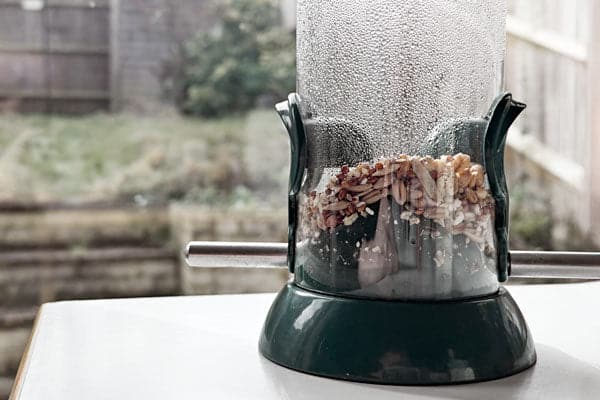
Bird feeders placed in bad spots collect water from rain or dew. This wets the seed inside.
Broken or poorly designed feeders let water enter and soak the seed.
- Feeders under trees drip water onto seed
- Cracks in feeders let rain in
- Feeders without covers expose seed to wet weather
Risks Of Using Wet Bird Seed
Wet bird seed can cause several problems for wild birds. Moisture makes the seed spoil faster. This creates health risks for birds that eat it.
Understanding the risks helps you protect the birds you feed. It also keeps your feeders clean and safe.
Mold And Bacteria Growth
Wet seed encourages mold and bacteria to grow quickly. These harmful organisms can spread in your bird feeder.
- Mold spores can float in the air and infect other seeds.
- Bacteria multiply in damp environments and cause seed decay.
- Mold may produce toxins that are dangerous for birds.
- Wet seed creates a breeding ground for fungi and germs.
Health Impact On Birds
Eating wet and moldy seed can harm birds’ health. Birds may get sick or avoid feeders with spoiled seed.
| Health Issue | Cause | Effect on Birds |
| Respiratory Problems | Inhaling mold spores | Difficulty breathing |
| Digestive Issues | Eating spoiled seed | Stomach pain, diarrhea |
| Weakened Immune System | Exposure to toxins | More infections |
| Loss of Appetite | Bad taste or smell | Weight loss |
Seed Spoilage Signs
It is important to spot spoiled seed early. This prevents feeding birds bad food.
- Seed clumps together or feels damp.
- Seed has a sour or musty smell.
- Visible mold spots or discoloration on seed.
- Birds avoid the feeder or refuse the seed.
- Seed looks shriveled or damaged.
Drying Wet Bird Seed
Wet bird seed can spoil quickly if not dried properly. Drying helps keep the seed fresh and safe for birds. It is important to dry the seed before storing or feeding it to birds.
This guide explains different ways to dry wet bird seed. You can choose a method that fits your tools and space.
Air Drying Techniques
Air drying is a simple way to remove moisture from wet bird seed. Spread the seed in a thin layer on a clean surface. Use a tray or a large baking sheet for best results.
- Place the seed in a warm, dry area with good airflow.
- Stir the seed every few hours to help even drying.
- Protect the seed from insects and pets while drying.
- Drying time can take 1 to 3 days depending on humidity.
Using Oven Or Dehydrator
You can dry bird seed faster using an oven or a food dehydrator. Set the oven to a low temperature to avoid burning the seed. Spread the seed evenly on a baking sheet.
- Preheat the oven to 150°F (65°C) or use the lowest setting.
- Place the seed on a baking sheet in a single layer.
- Put the tray in the oven and keep the door slightly open.
- Check and stir the seed every 15 minutes.
- Drying takes about 1 to 2 hours depending on moisture.
- Turn off the oven and let the seed cool before storing.
Sun Drying Tips
Sun drying is a natural option that uses sunlight and warm air. It works best on dry, sunny days with a light breeze. Protect the seed from animals and dirt.
| Tip | Details |
|---|---|
| Spread Thinly | Use a clean, flat surface like a tray or screen. |
| Cover Loosely | Use a fine mesh or net to keep bugs away. |
| Turn Often | Stir the seed every few hours for even drying. |
| Dry Time | Usually 1 to 2 days depending on weather. |
Safe Storage Practices
Wet bird seed can spoil quickly if not stored safely. Proper storage helps keep seed fresh and safe for birds.
Learn how to store wet bird seed to avoid mold and pests. Good habits protect seed quality and bird health.
Choosing The Right Container
Select containers that keep moisture out and air flowing. Use containers with tight lids to block pests.
- Plastic bins with snap-on lids work well
- Metal containers prevent rodent damage
- Glass jars with rubber seals keep air dry
- Containers should be clean and dry before use
- Avoid cardboard bags or paper sacks for wet seed
Ideal Storage Locations
Store bird seed in cool, dry places away from sunlight. Avoid damp basements or unventilated garages.
| Location | Why It Works |
| Pantry shelf | Cool and dry with steady temperature |
| Closet in living area | Protected from moisture and pests |
| Sealed storage room | Controls humidity and temperature |
| Outdoor shed | Not recommended unless fully sealed |
Preventing Moisture Build-up
Keep seed dry by controlling moisture inside containers. Use simple tools and checks to stop dampness.
- Place silica gel packs or moisture absorbers inside containers
- Store small amounts to use quickly before moisture returns
- Open containers in dry weather to air out seed
- Check seed regularly for clumps or mold
- Dry seed before storing if it is still wet
Creative Uses For Wet Bird Seed
Wet bird seed can be a challenge to store or use. Instead of throwing it away, try creative ways to reuse it. These ideas help reduce waste and support nature.
Below are some practical and fun ways to handle wet bird seed safely and effectively.
Making Bird Seed Ornaments
Wet bird seed can be shaped into ornaments for birds or decorations. Mix the seed with a binding ingredient like gelatin or corn syrup. Press the mixture into molds or shape by hand.
- Use cookie cutters or silicone molds for shapes
- Insert a string for hanging before it dries
- Let ornaments dry completely in a cool place
- Hang outdoors for birds to enjoy
Composting Wet Seed
Wet bird seed breaks down well in compost piles. It adds nutrients and helps attract beneficial insects. Avoid adding large amounts at once to keep compost balanced.
| Compost Ingredient | Effect |
| Wet Bird Seed | Rich in nutrients, attracts insects |
| Brown Leaves | Provides carbon, balances nitrogen |
| Vegetable Scraps | Adds moisture and nitrogen |
Feeding Waterfowl Safely
Wet bird seed can be fed to waterfowl like ducks and geese. Make sure it is not moldy or spoiled. Offer the seed in small amounts to avoid waste and pollution.
Tips for feeding waterfowl safely:
- Check seed for freshness before feeding
- Feed in open water or clean areas
- Avoid overfeeding to prevent water contamination
- Remove leftover seed to stop mold growth

Credit: www.arkwildlife.co.uk
Preventing Future Wet Seed Issues
Wet bird seed can spoil quickly and harm birds. Keeping seed dry is important for feeding success. You can take simple steps to prevent seed from getting wet again.
Protecting your bird feeders and doing regular care helps keep seed fresh. Adjusting feeding habits with seasons also reduces wet seed problems.
Weatherproof Feeding Stations
Use feeding stations that keep rain and snow away from the seed. Covered feeders or ones with roofs work best. Place feeders under trees or awnings to add extra protection.
- Choose feeders with built-in covers
- Hang feeders under branches or patios
- Use squirrel baffles to avoid damage
- Place feeders where water drains quickly
Regular Maintenance Tips
Check feeders often to remove wet or moldy seed. Clean feeders regularly to stop mold growth. Replace seed with fresh, dry seed to keep birds healthy.
- Empty old seed weekly
- Wash feeders with warm soapy water
- Dry feeders completely before refilling
- Inspect feeders for leaks or cracks
Seasonal Feeding Adjustments
Change feeding routines based on weather. Use different feeders or seed types in wet seasons. Reduce feeding during heavy rain or snow to avoid waste.
- Switch to larger seed that resists moisture
- Feed more during dry, cold days
- Bring feeders indoors if storms are expected
- Adjust feeding frequency to prevent buildup

Credit: www.arkwildlife.co.uk
Frequently Asked Questions
What Happens If Bird Seed Gets Wet?
Wet bird seed can mold quickly, making it unsafe for birds. Moisture promotes fungal growth, which can harm birds if ingested. Always dry or discard wet seed to prevent health risks and keep feeders clean and safe for wildlife.
Can You Dry And Reuse Wet Bird Seed?
Yes, you can dry wet bird seed by spreading it out in the sun. Ensure it is completely dry before storing to avoid mold. However, if the seed smells off or shows mold, it's best to discard it.
How To Prevent Bird Seed From Getting Wet?
Use waterproof feeders or place feeders under shelter to protect seeds from rain. Regularly check and clean feeders to prevent moisture buildup. Proper storage in airtight containers also helps keep bird seed dry and fresh.
Is Moldy Bird Seed Harmful To Birds?
Yes, moldy bird seed contains toxins that can cause illness or death in birds. Moldy seeds should never be fed to birds. Dispose of any moldy seed immediately and clean feeders thoroughly.
Conclusion
Wet bird seed can become a problem if not handled properly. Dry it out quickly to avoid mold. Use it as compost if it's too wet. Composting turns waste into valuable soil. Consider spreading it for wildlife if safe. Always store bird seed in a dry place.
This prevents future issues. Keep your feathered friends happy and healthy. Simple steps make a big difference. Enjoy watching birds thrive in your garden.