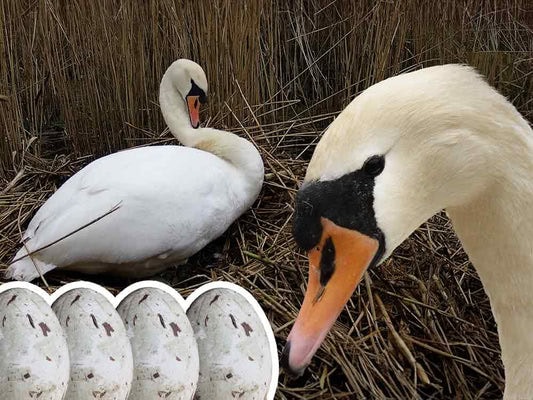
Have you ever wondered what happens to bird eggs in the harsh tundra environment? If you’re curious about the animals that sneakily feed on these fragile treasures, you’re in the right place.
Understanding which tundra creatures eat bird eggs can reveal surprising facts about survival and the delicate balance of nature. Keep reading, and you’ll discover the unexpected predators that play a crucial role in this icy wilderness. Your curiosity is about to be rewarded with fascinating insights!

Credit: nomenugget.com
Tundra Ecosystem And Its Wildlife
The tundra is a cold, dry biome found in the Arctic and on mountain tops. It has a short growing season and frozen soil called permafrost.
Many animals live in the tundra, adapting to the cold and harsh environment. Some of these animals eat bird eggs to survive.
Characteristics Of The Tundra
The tundra has low temperatures and little rain. Winters are long and dark, while summers are short and cool.
Plants grow close to the ground to avoid cold winds. The soil stays frozen except for a thin top layer that thaws in summer.
- Cold and dry climate
- Permafrost soil
- Short growing season
- Low plant diversity
- Strong winds
Common Tundra Animals
Many animals live in the tundra, such as caribou, arctic foxes, and snowy owls. Some animals eat bird eggs as part of their diet.
Arctic foxes and ravens are known for eating bird eggs. They find nests on the ground or in low bushes.
- Arctic fox:hunts bird eggs and small animals
- Ravens:smart birds that steal eggs from nests
- Brown bears:sometimes eat eggs during summer
- Wolves:may eat eggs if other food is scarce

Credit: www.eastsideaudubon.org
Bird Species Nesting In The Tundra
The tundra is a cold and harsh environment where many bird species come to nest. These birds lay their eggs on the ground or in low shrubs. The eggs face risks from predators like foxes and birds that eat eggs.
Understanding which birds nest in the tundra helps us know what animals might eat their eggs. Many birds have special ways to protect their eggs from predators.
Types Of Birds Laying Eggs
Several bird species lay eggs in the tundra. These include geese, shorebirds, and seabirds. Each species lays eggs that vary in size and color.
- Snow Geese
- Arctic Terns
- Long-tailed Ducks
- Lapland Longspurs
- Common Eiders
These birds choose places that give some cover. They often nest near water or in grassy areas.
Nesting Habits And Vulnerabilities
Tundra birds usually build simple nests on the ground. They use grass, moss, and feathers to make nests. The open environment makes nests easy to find by predators.
Many animals in the tundra eat bird eggs. Foxes, jaegers, and gulls are common egg predators. Birds try to protect eggs by hiding nests or being very watchful.
- Ground nests face risk from foxes and wolves
- Birds may use distraction displays to protect eggs
- Nests near water attract gulls and jaegers
- Eggs have camouflage coloring to avoid detection
Predators Targeting Bird Eggs
Bird eggs in the tundra face many threats from different animals. These predators eat eggs to survive in the harsh environment.
Understanding which animals target bird eggs helps us learn about tundra ecosystems and predator behaviors.
Mammalian Egg Predators
Mammals in the tundra often raid bird nests to find eggs. They use their strong sense of smell to locate them under snow or vegetation.
- Arctic foxes are skilled hunters of bird eggs.
- Weasels and ermine also prey on eggs when other food is scarce.
- Brown bears sometimes eat eggs during spring.
Avian Egg Predators
Some bird species eat the eggs of other birds. They often watch nests from a distance before striking.
| Bird Predator | Egg Prey | Hunting Method |
| Jaegers | Seabird eggs | Steal from nests |
| Ravens | Various ground-nesting birds | Break eggs with beaks |
| Gulls | Smaller bird eggs | Snatch eggs quickly |
Reptilian And Other Uncommon Predators
Few reptiles live in the tundra, but some unusual predators target bird eggs too. These include insects and rodents.
Examples of uncommon tundra egg predators:
- Leeches that feed on egg contents in wet areas
- Rodents like lemmings that may eat eggs when plants are scarce
- Occasional snakes in warmer tundra zones

Credit: www.akwildlife.org
Behavior Of Tundra Predators
Tundra predators show unique behaviors to survive harsh environments. They adapt hunting and feeding habits to cold and scarce resources.
One common food source for some tundra animals is bird eggs. These predators use different methods to find and eat eggs from nests.
Hunting Strategies
Tundra predators use many ways to hunt bird eggs. They rely on keen senses and clever tactics to locate nests.
- Some predators quietly search the ground for hidden nests.
- Others watch bird behavior to spot where eggs are kept.
- Many use their sharp claws or beaks to break eggs open.
- Some predators work alone, while others may hunt in pairs or small groups.
- Timing attacks when birds are away from nests increases success.
Seasonal Variations In Predation
Predation on bird eggs changes with the seasons in the tundra. Different times of year affect predator behavior and egg availability.
| Season | Predator Activity | Egg Availability |
|---|---|---|
| Spring | High hunting activity as predators seek food after winter. | Many eggs laid, nests fresh and plentiful. |
| Summer | Moderate hunting; predators balance feeding and raising young. | Eggs hatch, fewer new eggs available. |
| Fall | Lower egg predation; predators switch to other food sources. | Eggs mostly hatched or gone. |
| Winter | Minimal predation on eggs; predators rely on stored food. | No new eggs; nests empty. |
Impact Of Egg Predation On Bird Populations
Egg predation by tundra animals can change bird numbers. Many bird species rely on eggs to keep their population steady.
When predators eat eggs, fewer chicks grow up. This affects the bird community in the tundra environment.
Effects On Breeding Success
Egg loss reduces the number of young birds that survive. This can lower the total birds in the next generation.
- Parents lose their chance to raise chicks.
- Birds may need to lay more eggs to replace lost ones.
- Repeated losses can lead to fewer birds over time.
- Some bird species may stop nesting in high-risk areas.
Adaptations To Reduce Egg Loss
Birds use different ways to protect eggs from predators. These help increase the chances of eggs hatching.
| Adaptation | Description |
| Camouflaged Nests | Nests blend with the tundra ground to hide eggs. |
| Egg Coloration | Eggs have colors that look like the surrounding environment. |
| Active Defense | Parent birds guard eggs and scare away predators. |
| Nest Location | Nests built in hard-to-reach places like rocky areas. |
Conservation Efforts And Challenges
The tundra is home to many bird species that face threats from predators. Some tundra animals eat bird eggs, which can reduce bird populations. Conservation efforts aim to protect these vulnerable birds and manage predator numbers carefully.
Efforts must balance protecting birds while keeping the tundra ecosystem healthy. This is not easy because many predators are native to the area and play important roles.
Protecting Vulnerable Bird Species
Birds in the tundra lay eggs in open nests. These nests are easy targets for animals that eat eggs. Protecting these birds requires special actions to keep their eggs safe.
- Creating safe nesting areas with barriers
- Monitoring nests to spot threats early
- Educating people about the importance of bird protection
- Restricting human activities near nesting sites during breeding season
Managing Predator Populations
Some tundra animals like foxes and jaegers eat bird eggs. Managing these predators helps keep a balance in the ecosystem. This can include controlled measures to limit predator numbers.
| Predator | Impact on Bird Eggs | Management Method |
| Arctic Fox | High | Population control and habitat management |
| Pomarine Jaeger | Moderate | Monitoring and nest protection |
| Snowy Owl | Low | Protection of nesting sites |
Frequently Asked Questions
Which Tundra Animals Eat Bird Eggs Regularly?
Foxes, especially Arctic foxes, are common tundra animals that eat bird eggs. They actively hunt nests during breeding seasons. Other predators include gulls and ravens, which also scavenge eggs in the tundra environment.
How Do Tundra Predators Find Bird Eggs?
Tundra predators use keen eyesight and smell to locate nests. They often search near bird colonies or nesting grounds. Timing is crucial, as predators target eggs when birds are away or during egg-laying periods.
Why Do Tundra Animals Eat Bird Eggs?
Bird eggs provide high-energy food essential for survival in harsh tundra climates. Eggs are rich in nutrients and easier to find than other prey. This helps predators sustain themselves during scarce food availability.
Are All Tundra Birds Vulnerable To Egg Predation?
Most ground-nesting tundra birds face egg predation risks, especially species like geese and shorebirds. Birds with well-hidden nests or strong defenses have better protection. However, egg predation remains a significant threat in tundra ecosystems.
Conclusion
Tundra animals have diverse diets, including bird eggs. Arctic foxes, gulls, and jaegers often eat them. These creatures adapt to harsh conditions. Their survival depends on varied food sources. Bird eggs provide essential nutrients. This diet supports their energy needs.
It ensures their survival in the cold. Understanding these habits offers insights into tundra ecosystems. Protecting these habitats is crucial. It helps maintain ecological balance. Observing these animals helps us learn. It fosters appreciation for nature’s wonders. Respecting their role in the ecosystem is vital.
Let’s continue exploring and preserving tundra wildlife.