Have you ever wondered what kind of beak a bird that eats worms would have? If you’re curious about how nature designs tools for survival, this question will grab your attention.
Your mind might picture sharp, strong beaks or maybe something soft and delicate. But the answer is more fascinating than you think. Understanding this can change the way you see birds and their amazing adaptations. Keep reading, and you’ll discover how a worm-eating bird’s beak is perfectly made for its diet—and why it matters to you.
Credit: stock.adobe.com
Beak Shapes And Functions
Birds have different beak shapes. Each shape helps them eat specific foods.
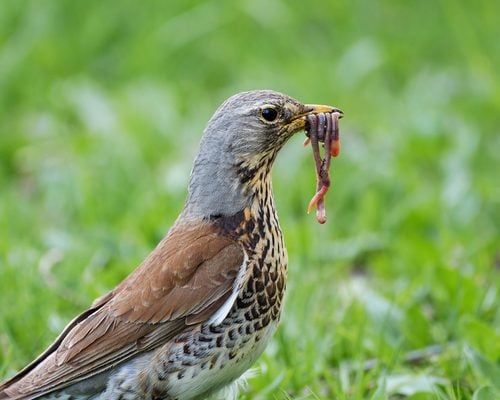
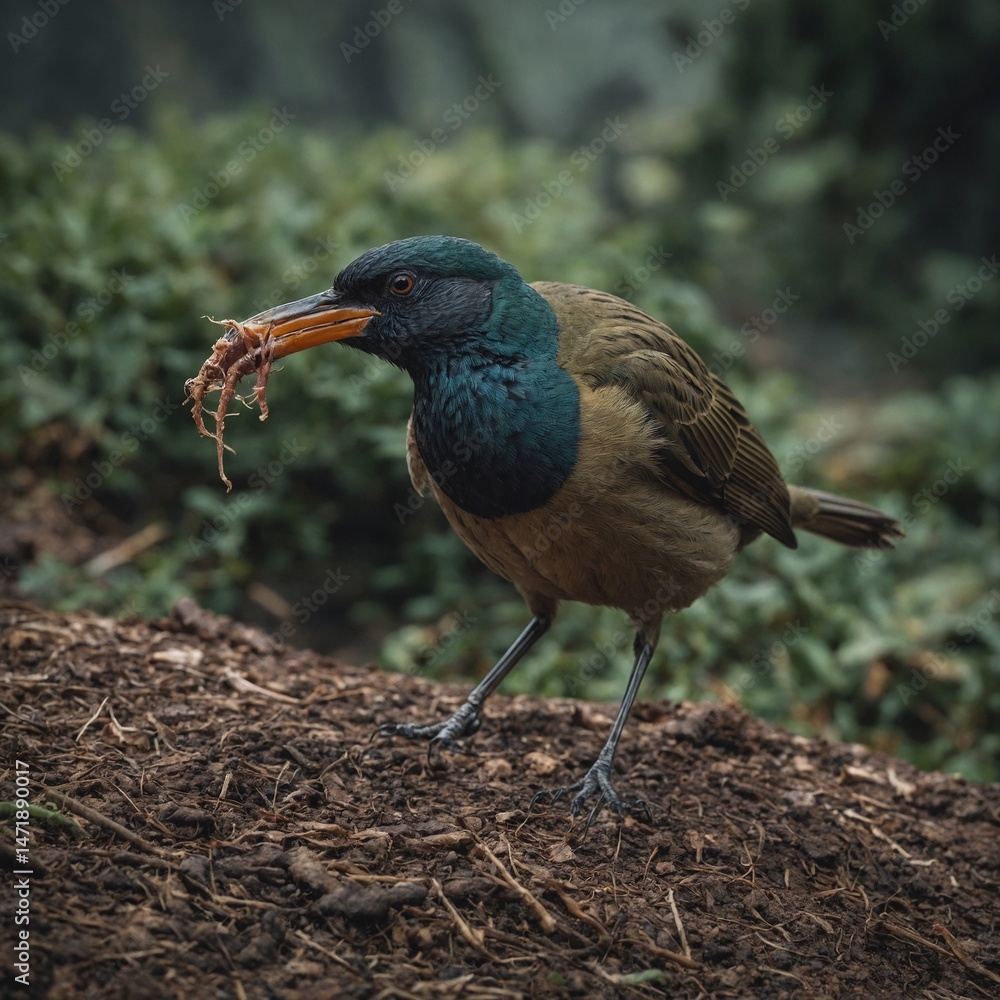
A worm-eating bird needs a beak that can catch and hold slippery worms.
Common Beak Types
Birds have many beak types. Each type suits their food and habitat.
- Pointed Beak:Sharp and thin, good for catching insects and worms.
- Hooked Beak:Curved tip, used to tear meat.
- Flat Beak:Wide and flat, best for filtering food from water.
- Strong, Thick Beak:Used to crack seeds and nuts.
Adaptations For Feeding
Worm-eating birds have special beaks. Their beaks help them find and grab worms easily.
| Beak Feature | Function |
|---|---|
| Long and thin | Reaches deep into soil or leaf litter |
| Pointed tip | Pierces and holds slippery worms |
| Slight curve | Helps grip and pull worms out |
| Lightweight | Allows quick and precise movements |
Worm Eating Birds
Birds that eat worms have special beaks. Their beaks help them catch worms easily. These birds live where worms are common.
The shape and size of the beak show what the bird eats. Worm-eating birds have beaks made for digging and grabbing worms.
Typical Diet And Feeding Habits
Worm eating birds mainly eat earthworms and other soft insects. They look for worms in soil or leaf litter. Their beaks are long and thin to reach inside the ground.
These birds often feed early in the morning when worms come to the surface. They use their beaks to probe the soil and pull out worms. Their sharp beaks help grab slippery prey quickly.
- Eat earthworms and soft insects
- Search in soil or leaf litter
- Feed mostly in early morning
- Use long, thin beaks for digging
Species Known For Worm Diets
Many bird species eat worms. Some have special beaks to find worms underground. These birds are common in gardens and forests.
Examples include robins, thrushes, and starlings. They use their pointed beaks to dig and catch worms easily. These birds help control worm populations in soil.
- American Robin
- Song Thrush
- European Starling
- Woodcock
Beak Characteristics For Worm Eating
Birds that eat worms have special beaks. Their beaks help them find and catch worms easily.
These birds use their beaks to dig into soil and grab worms quickly.
Shape And Size Adaptations
Worm-eating birds usually have long, thin beaks. The shape helps them reach deep into the ground.
The size is not too big or heavy. It must be easy to move in soft soil without breaking.
- Long and slender for digging
- Pointed tip to pierce soil
- Lightweight for quick movement
Texture And Sensory Features
The beak surface is smooth but strong. It can push through dirt without damage.
Sensory nerves in the beak help detect worms underground. Birds feel tiny movements and vibrations.
- Smooth, hard surface for digging
- Sensory cells detect worm movement
- Helps locate worms under soil

Credit: www.shutterstock.com
Examples Of Worm Eating Birds
Birds that eat worms usually have special beaks. These beaks help them find and catch worms easily. Many birds use their beaks to dig in soil or grass.
Below are some examples of birds known for eating worms. Each bird has a unique beak shape that fits its feeding habits.
American Robin
The American Robin has a thin, pointed beak. This shape helps it catch worms by probing soft ground. The beak is strong but delicate enough to grab small prey without hurting it.
European Starling
European Starlings have long, slender beaks. Their beaks open slightly at the tip. This helps them catch worms and insects hiding in the soil or grass. Their beaks can also open wide to grab larger prey.
- Long and pointed beak
- Can open slightly at the tip
- Good for probing soil
- Strong enough for larger prey
Other Notable Species
| Bird Species | Beak Type | Feeding Style |
|---|---|---|
| Woodcock | Long and flexible | Probes soft soil for worms |
| Thrush | Medium-length, pointed | Gleans worms from grass |
| Song Thrush | Sharp and narrow | Extracts worms from leaf litter |
Evolutionary Advantages
A worm-eating bird has a special beak shaped for its food. This beak helps the bird find and catch worms easily. It gives the bird a better chance to survive and grow.
Over many years, the bird’s beak changed to fit its needs. This change is called evolution. The right beak shape helps the bird get food faster and stay safe.
Survival And Efficiency
The bird’s beak is thin and pointed. This shape helps it dig in soft soil where worms live. It can pick worms without hurting them or wasting time.
With a sharp beak, the bird can catch many worms quickly. This means it spends less energy looking for food. It can eat more and stay strong.
- Thin, pointed beak for digging
- Quick worm catching
- Less energy spent on hunting
- More food eaten for strength
Environmental Influences
The soil type and worm size affect the beak shape. Birds in soft soil have thinner beaks. Birds in hard soil have stronger beaks to dig better.
Birds living in places with many small worms have smaller beaks. Birds in areas with big worms have larger beaks. The environment shapes the beak over time.
- Soft soil leads to thin beaks
- Hard soil needs stronger beaks
- Small worms mean smaller beaks
- Big worms require larger beaks

Credit: www.britannica.com
Comparisons With Other Diets
Birds have different beak shapes depending on their diets. Worm-eating birds have special beaks that help them catch and eat worms. This article compares their beaks to those of other birds with different diets.
Understanding these differences helps us see how birds adapt to their food sources. Let’s look at insectivorous birds, seed eaters, and carnivorous birds.
Insectivorous Birds
Insect-eating birds usually have thin, pointed beaks. These help them pick insects from leaves or bark. Their beaks are often sharp to catch fast-moving prey.
- Thin and pointed beak
- Sharp tip for catching insects
- Some have long beaks to reach inside flowers or bark
- Beak size varies based on insect type
Seed Eaters
Seed-eating birds have strong, thick beaks. These beaks crack open hard shells of seeds. They are usually short and conical.
| Beak Feature | Purpose |
| Short and thick | Cracking seeds |
| Strong muscles | Applying force |
| Conical shape | Easy to handle seeds |
Carnivorous Birds
Carnivorous birds have hooked beaks. These beaks tear flesh from their prey. They are sharp and strong to cut meat easily.
- Hooked tip for tearing meat
- Sharp edges to slice flesh
- Strong beak to hold prey
- Curved shape for better grip
Frequently Asked Questions
What Type Of Beak Do Worm-eating Birds Have?
Worm-eating birds have slender, pointed beaks. This shape helps them probe soil and leaf litter. It’s ideal for catching worms and insects hidden underground.
How Does The Beak Shape Help In Worm Feeding?
The pointed beak easily penetrates soft soil and leaf layers. It allows birds to grasp slippery worms quickly. This shape improves feeding efficiency in their natural habitat.
Are Worm-eating Birds’ Beaks Different From Seed Eaters?
Yes, worm-eating birds have thinner, sharper beaks. Seed eaters usually have short, thick beaks to crack hard shells. The difference reflects their distinct diets and feeding methods.
Do All Worm-eating Birds Share Similar Beak Features?
Most worm-eating birds share slender, pointed beaks. However, size and length can vary by species. These adaptations suit their specific environments and feeding habits.
Conclusion
Birds that eat worms have specific beak shapes. These beaks are long and slender. Perfect for digging into the soil. They can easily catch worms with precision. Beak shape aids their survival and feeding habits. Nature designs these beaks for efficiency.
Each bird species has unique adaptations. Their beaks show how they live and eat. Understanding these beaks helps us learn about bird diets. Observing them is fascinating and educational. Next time you see a bird, notice its beak. It tells a story of nature’s design and purpose.