If you love watching birds visit your garden, you know how exciting it is to see different species up close. Mealworms are a favorite treat for many birds, but not every bird feeder works well for them.
Choosing the right feeder can make all the difference in attracting more birds and keeping the mealworms fresh and easy to access. You’ll discover the best types of bird feeders designed specifically for mealworms. By the end, you’ll know exactly what to pick to turn your backyard into a buzzing bird haven.
Ready to find out which feeder suits your feathered friends best? Let’s dive in!
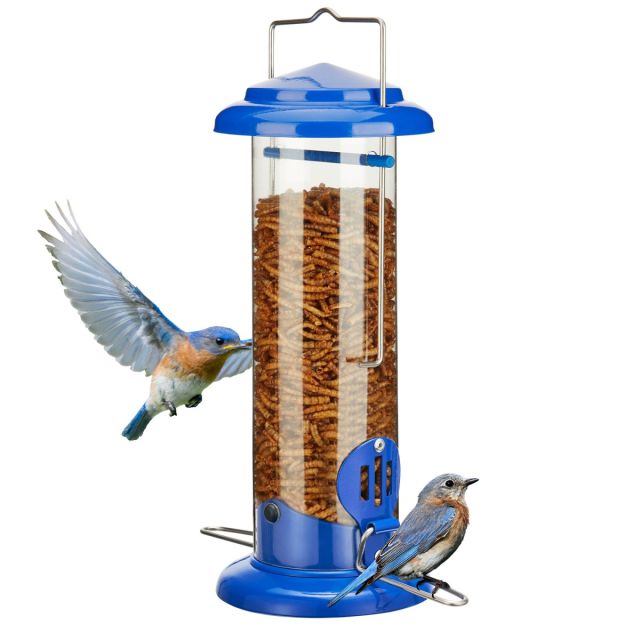
Credit: www.kingsyard.com
Why Meal Worms Attract Birds
Meal worms are a popular food choice for many birds. They provide a rich source of energy and nutrients. Birds find them easy to catch and eat.
Using meal worms in your bird feeder can bring more birds to your garden. Different species are drawn to meal worms for their taste and benefits.
Nutritional Benefits
Meal worms offer many nutrients that help birds stay healthy. They are high in protein and fat, which are important for growth and energy.
- Protein supports muscle development.
- Fat provides energy for daily activities.
- Vitamins and minerals boost immune systems.
- Easy to digest for most bird species.
Bird Species That Prefer Meal Worms
Many common birds enjoy meal worms. Offering meal worms can attract a variety of species to your feeder.
| Bird Species | Feeding Habit |
| Bluebirds | Often hunt for insects and larvae |
| Wrens | Prefer live or dried meal worms |
| Chickadees | Eat meal worms especially in winter |
| Robins | Feed on worms and insects |
| Nuthatches | Enjoy meal worms for protein |
Types Of Bird Feeders For Meal Worms
Meal worms are a favorite treat for many wild birds. Choosing the right feeder helps keep them safe while eating.
Different feeders work better for different birds and settings. Let’s explore common types for meal worms.
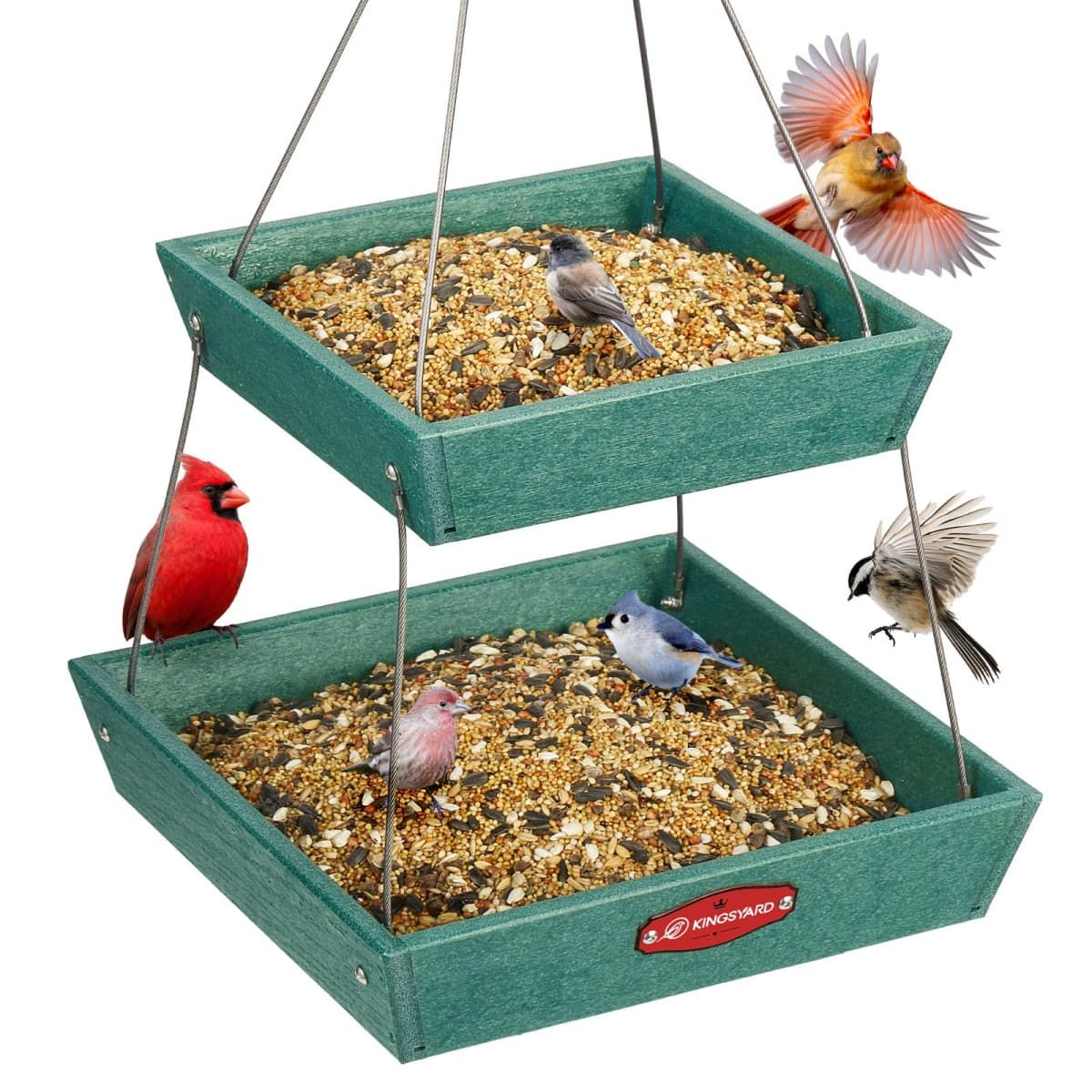
Tray Feeders
Tray feeders are flat and open. They hold meal worms where birds can easily reach them.
These feeders are good for ground-feeding birds and those that prefer space when eating.
Mesh Feeders
Mesh feeders have small holes or netting. They let birds cling while pulling out meal worms.
- Good for woodpeckers and nuthatches
- Keep meal worms contained
- Offer easy access for small birds
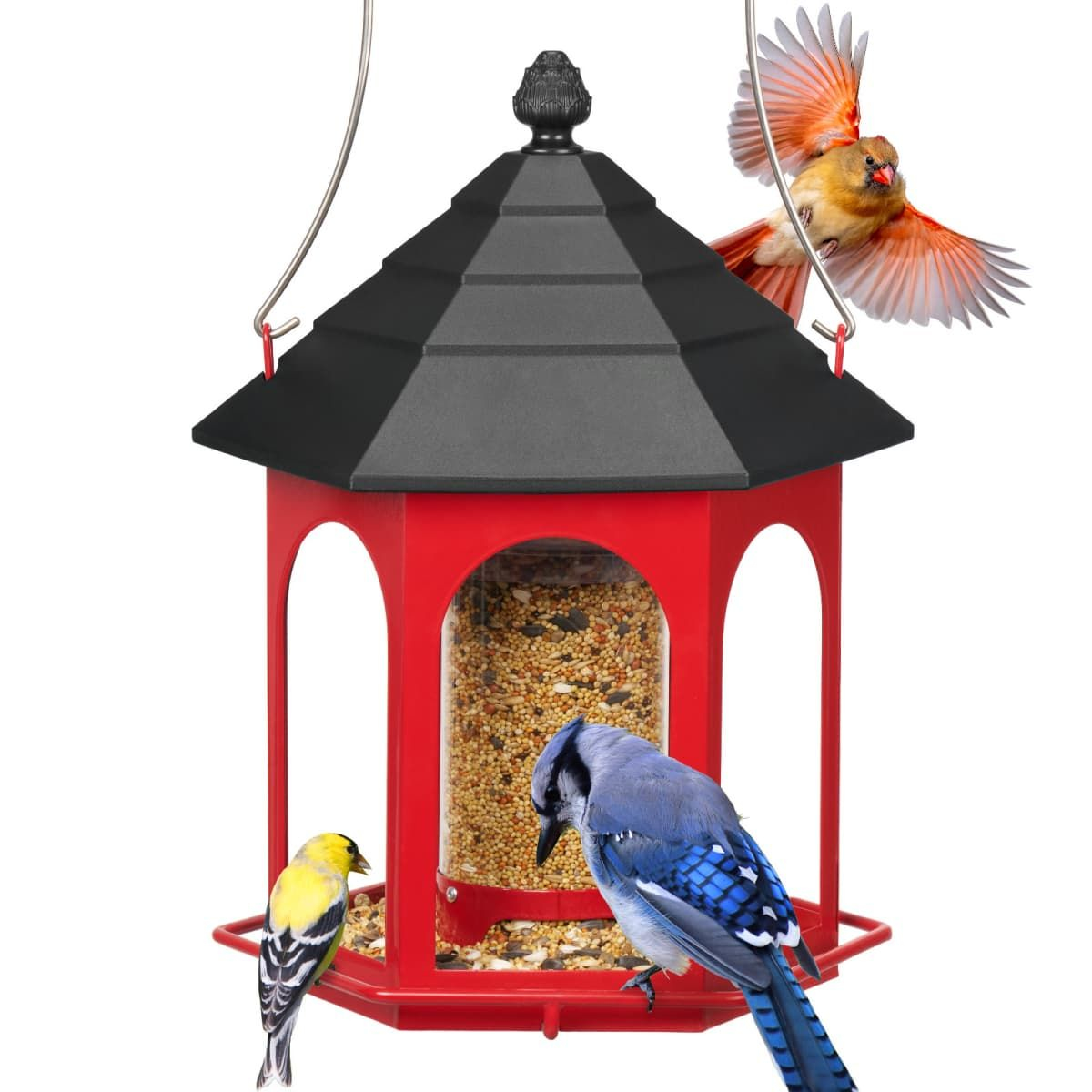
Hopper Feeders
Hopper feeders store meal worms inside a covered container. Birds eat through small openings.
| Feature | Benefit |
| Covered design | Protects meal worms from weather |
| Small openings | Controls portion size |
| Large capacity | Less frequent refilling |
Platform Feeders
Platform feeders are flat surfaces raised above ground. They hold meal worms in an open area.
- Place in a safe spot away from predators
- Keep clean to avoid mold
- Use a tray with sides to stop meal worms from falling
Choosing The Right Feeder Material
Choosing the correct feeder material helps keep meal worms fresh and safe for birds. Different materials offer different benefits and challenges.
Here are some common feeder materials to consider for meal worms.
Plastic Options
Plastic feeders are lightweight and easy to clean. They often come in many shapes and colors. Plastic can be clear, so you can see when food runs low.
Some plastic feeders may crack in cold weather. Choose sturdy plastic to avoid damage.
Metal Feeders
Metal feeders last a long time and resist weather well. They do not absorb moisture or odors. Metal keeps meal worms fresh.
- Stainless steel does not rust easily.
- Aluminum is lightweight but may dent.
- Metal feeders can be harder to clean if food sticks.
Wooden Feeders
Wood feeders look natural and blend into gardens. Wood breathes, which helps keep food dry. But wood can absorb moisture and smell over time.
| Material | Pros | Cons |
| Plastic | Lightweight, clear, easy to clean | May crack in cold weather |
| Metal | Durable, weather-resistant, no odor absorption | Can dent, sometimes harder to clean |
| Wood | Natural look, breathable | Can absorb moisture, may smell over time |
Credit: www.kingsyard.com
Features To Look For In A Meal Worm Feeder
Choosing the right feeder for meal worms helps keep birds safe and healthy. A good feeder holds the meal worms securely and stays clean. It also protects food from weather and pests.
Knowing the key features to look for makes feeding easier and more effective. Focus on feeders that are simple to clean, protect against rain, and keep squirrels away.
Ease Of Cleaning
Bird feeders for meal worms need regular cleaning. Dirt and old food can cause mold and bacteria. Choose feeders that open easily and have smooth surfaces.
Materials like plastic or metal are good because they do not absorb moisture. Avoid feeders with many small parts, as they are harder to clean.
Weather Protection
Meal worms must stay dry to stay fresh. Pick feeders with covers or roofs that shield food from rain and snow. Good ventilation helps keep meal worms alive longer.
Check that the feeder drains water well. Avoid designs where water can collect and soak the meal worms.
Squirrel Resistance
Squirrels often try to steal meal worms. A feeder with squirrel-proof features helps keep food for the birds. Look for feeders with weight-activated doors or cages.
Heavy or slippery materials can also stop squirrels from climbing. Secure feeders firmly to prevent squirrels from tipping them over.
Top Meal Worm Feeders On The Market
Choosing the right bird feeder for meal worms is key to attracting birds. Different feeders suit different bird sizes and feeding habits.
This guide highlights the best feeders available. Each type fits specific needs and budgets.
Best Overall Feeder
The best overall meal worm feeder offers durability and ease of use. It keeps the worms fresh and safe from rain.
This feeder is easy to clean and refills quickly. It works well for most backyard birds.
Best Budget Option
A budget-friendly feeder can still be effective. Look for simple designs that protect meal worms from pests.
- Made of plastic or lightweight metal
- Easy to hang on trees or poles
- Includes drainage holes to keep worms dry
- Small size to reduce waste
Best For Small Birds
Feeders for small birds have narrow openings. This keeps larger birds from taking all the meal worms.
| Feature | Benefit |
| Narrow feeding ports | Allows access for small birds only |
| Lightweight design | Easy for small birds to perch |
| Clear container | Monitors worm supply easily |
Best For Large Birds
Feeders for large birds are sturdy and spacious. They hold more meal worms and support heavier birds.
- Strong metal or heavy plastic construction
- Wide perches for bigger feet
- Large capacity to reduce refilling
- Good ventilation to keep worms fresh
Placement Tips For Meal Worm Feeders
Choosing the right spot for your meal worm feeder helps attract birds safely. Placement affects bird visits and feeder cleanliness.
Use these tips to place your feeder where birds feel safe and can easily find the food.
Ideal Locations
Place meal worm feeders near natural cover like trees or shrubs. This gives birds quick shelter from predators.
- Keep feeders close to bushes or low branches
- Avoid open areas with no protection
- Choose spots visible to birds flying by
- Place feeders where you can watch birds easily
Height And Safety Considerations
Set feeders at a safe height to protect birds from cats and other animals. Use poles or hang feeders from sturdy branches.
| Height | Safety Tip |
| 5 to 6 feet | Safe from most ground predators |
| Above 7 feet | Harder for squirrels to reach |
| Near windows | Use decals to prevent bird collisions |
| Open areas | Less protection, watch for predators |
Maintaining Your Meal Worm Feeder
Keeping your meal worm feeder clean and refilled is key to feeding birds safely. Proper care helps prevent mold and pests.
Regular maintenance ensures meal worms stay fresh and birds stay healthy. Follow simple steps for best results.
Cleaning Schedule
Clean your meal worm feeder at least once a week. This prevents bacteria and mold from building up.
- Remove all meal worms before cleaning.
- Use warm, soapy water to wash the feeder.
- Rinse thoroughly to remove soap residue.
- Dry the feeder completely before refilling.
- Check for cracks or damage and replace if needed.
Refilling Tips
Refill the feeder with fresh meal worms regularly. Avoid overfilling to keep worms healthy.
| Time | Refill Amount | Reason |
| Every 3 days | Small handful | Prevents waste and spoilage |
| Once a week | Medium amount | For low bird activity |
| Twice a week | Large amount | For high bird activity |
Credit: www.kingsyard.com
Frequently Asked Questions
What Type Of Feeder Works Best For Mealworms?
A tray or platform feeder is ideal for mealworms. It provides easy access and prevents worms from falling out. These feeders keep mealworms visible and dry, attracting birds effectively.
Can I Use Tube Feeders For Mealworms?
Tube feeders are not recommended for mealworms. Mealworms can get stuck or escape through small openings. Open or tray feeders are better to ensure birds access the mealworms easily.
How To Keep Mealworms Fresh In Feeders?
Keep mealworms fresh by placing them in a shaded, cool area. Use feeders with good ventilation to avoid moisture buildup. Replace mealworms regularly to maintain freshness and attract more birds.
Are Heated Bird Feeders Good For Mealworms?
Heated feeders are unnecessary for mealworms. Mealworms thrive at room temperature and can die if overheated. A simple, dry feeder is sufficient for serving mealworms to birds.
Conclusion
Choosing the right bird feeder for mealworms is essential. It attracts the right birds to your garden. Dish feeders are simple and effective. They allow easy access for birds. Hanging feeders keep mealworms safe from ground pests. Mesh feeders work well for clinging birds.
Consider your local bird species. Select a feeder that suits them best. Regularly clean and refill your feeder. It keeps the birds healthy and happy. Experiment with different types to see what works. Enjoy the variety of birds that visit.
Your efforts will bring delightful visitors to your yard.