Have you ever spotted a bright blue bird perched high on a mountain and wondered what it might be? The Mountain Bluebird is a stunning sight that captures the attention of many nature lovers like you.
But what exactly makes this bird unique? Understanding the Mountain Bluebird will not only satisfy your curiosity but also deepen your connection with the wild places you enjoy. Keep reading, and you’ll discover fascinating facts about this beautiful bird that you won’t want to miss.

Credit: www.reddit.com
Mountain Bluebird Species
The Mountain Bluebird is a small bird known for its bright blue color. It lives in open mountain areas and fields in western North America. This bird is easy to spot because of its vibrant blue feathers and clear songs.
Many people enjoy watching Mountain Bluebirds during spring and summer. They build nests in holes and eat insects and berries. Learning about their type helps us understand their role in nature.
Taxonomy And Classification
The Mountain Bluebird belongs to the family Turdidae. Its scientific name is Sialia currucoides. It is one of three species in the Sialia genus, all called bluebirds.
This bird is part of the order Passeriformes, which includes perching birds. It is closely related to the Eastern and Western Bluebirds. The Mountain Bluebird lives in mountainous and open areas.
Physical Features
The Mountain Bluebird is about 7 inches long. It has a slim body and a short tail. Its wings are rounded and help it fly fast in open spaces.
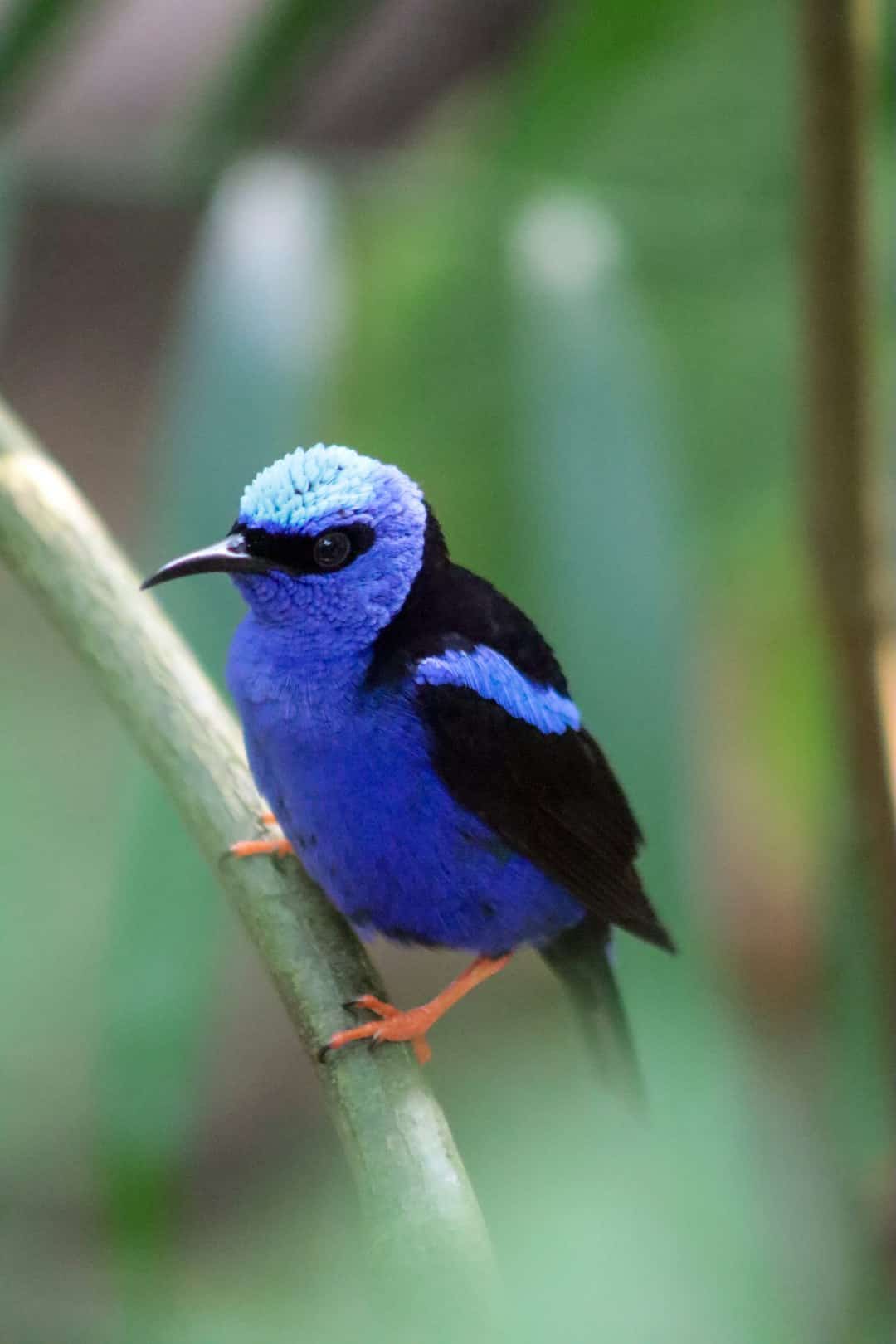
This bird has bright blue feathers on its back and head. Its belly is lighter, often white or pale blue. The beak is thin and black, good for catching insects.
- Length: 6.5 to 7.5 inches
- Wingspan: 12 to 15 inches
- Weight: 27 to 32 grams
- Color: Bright blue and white
- Beak: Small and black
Male Vs Female Appearance
Male Mountain Bluebirds have bright blue feathers all over their body. Their colors are more vivid and shiny. This helps them attract mates during breeding season.
Female Mountain Bluebirds are duller in color. Their blue is softer and mixed with gray or brown. This helps them stay hidden while nesting.
- Male:Bright blue head, back, and wings
- Female:Pale blue with grayish tones
- Both:White or light belly
Habitat And Range
The Mountain Bluebird is a small bird known for its bright blue color. It lives in specific areas where it can find food and shelter.
This bird’s habitat and range help it survive through different seasons and climates.
Preferred Environments
The Mountain Bluebird prefers open spaces with few trees. It likes to live in areas such as meadows, grasslands, and mountain valleys.
- Open fields and grassy plains
- High mountain meadows
- Shrubby areas with scattered trees
- Near water sources like streams and ponds
Geographic Distribution
This bird lives mostly in western parts of North America. Its range covers many states and provinces.
| Region | Countries |
| Western United States | USA |
| Western Canada | Canada |
| Northern Mexico | Mexico |
Migration Patterns
The Mountain Bluebird changes location with the seasons. It moves to find better weather and food.
- In spring and summer, it breeds in mountains and open areas.
- In fall, it flies to lower lands or valleys.
- In winter, it stays in warmer regions with food available.
Behavior And Diet
The Mountain Bluebird is a small bird known for its bright blue color. It lives in open areas like fields and mountains.
This bird is active during the day and spends much time looking for food. It has unique behaviors and eating habits.
Feeding Habits
Mountain Bluebirds eat mostly insects and small fruits. They hunt by flying low and catching insects on the ground or in the air.
In winter, they eat berries and seeds when insects are scarce. Their diet changes with the seasons to match food availability.
- Insects like beetles, grasshoppers, and caterpillars
- Small fruits and berries in cold months
- Hunts by perching and flying short distances
Breeding And Nesting
Mountain Bluebirds build nests in tree holes or old woodpecker holes. They also use nest boxes if available.
The female lays 4 to 6 eggs. Both parents help feed the chicks after they hatch. They raise one or two broods each year.
- Nests in cavities or nest boxes
- Eggs: 4 to 6 per clutch
- Both parents feed the young birds
- One or two broods per year
Song And Communication
The Mountain Bluebird sings soft, melodious songs. Males use songs to attract mates and mark territory.
They also use calls to warn of danger or to keep in contact with other birds. Their sounds are simple but clear.
- Males sing to attract females
- Calls warn of predators
- Sounds help birds stay in contact
Conservation Status
The mountain bluebird is a small bird known for its bright blue color. It lives mostly in western North America. Understanding its conservation status helps protect it from harm.
This bird faces challenges in the wild. People watch its numbers and threats closely to keep the population healthy.
Population Trends
The mountain bluebird population has changed over the years. Some areas see fewer birds, while others have stable numbers. The population depends on habitat quality and food availability.
Conservation groups track these trends to understand where the bird needs help. They use surveys and counts during breeding seasons.
Threats To Survival
Mountain bluebirds face many threats. Loss of habitat from farming and building reduces their homes. Pesticides can lower the number of insects they eat.
Other dangers include predators like cats and competition for nesting sites from other birds. Climate change also affects their food and habitat.
- Habitat loss due to human activities
- Use of pesticides reducing food supply
- Predators such as domestic cats
- Competition for nesting cavities
- Effects of climate change on environment
Protection Efforts
People work to protect the mountain bluebird. They build and place nest boxes to help with breeding. Some areas limit pesticide use to keep insects safe.
Organizations also protect natural habitats. Education programs teach about the bird’s needs. These efforts help keep the mountain bluebird population strong.
- Installing nest boxes for safe breeding
- Reducing pesticide use in key areas
- Protecting natural habitats from development
- Public education about mountain bluebirds
Interesting Facts
The Mountain Bluebird is a small bird known for its bright blue color. It lives in open areas like mountains and fields. People love watching this bird because of its beautiful feathers and cheerful songs.
This bird is part of the thrush family. It feeds mainly on insects and berries. The Mountain Bluebird changes its location with the seasons to find food and good weather.
Cultural Significance
The Mountain Bluebird is a symbol of happiness and hope in many cultures. Native American tribes often see it as a sign of good luck. The bird’s bright color is linked to the sky and freedom.
In some places, the Mountain Bluebird is the state bird. People celebrate it in art, stories, and festivals. Its presence reminds people to enjoy nature and stay positive.
Unique Adaptations
The Mountain Bluebird has special features to survive in cold mountain areas. Its feathers keep it warm during cold nights. It can fly long distances to find food and shelter.
This bird nests in tree cavities or old woodpecker holes. It also uses man-made nest boxes. Its sharp eyes help it spot insects from far away.
- Bright blue feathers for camouflage in the sky
- Strong wings for long flights
- Sharp vision to catch insects
- Ability to live in high altitudes
Record Sightings
Mountain Bluebirds are mostly found in western North America. Some have been seen as far east as the Great Plains. Bird watchers often report sightings during spring and summer.
Rare sightings outside their usual range excite bird lovers. These records help scientists learn about changes in the bird’s habitat and migration.
- Common in Rocky Mountains and western Canada
- Seen migrating to southern US in winter
- Occasional sightings in eastern states
- Population counts help track bird health

Credit: boisedev.com

Credit: www.reddit.com
Frequently Asked Questions
What Type Of Bird Is A Mountain Bluebird?
The Mountain Bluebird is a small migratory thrush known for its vibrant blue color. It belongs to the Turdidae family and thrives in open habitats like meadows and mountains.
Where Do Mountain Bluebirds Typically Live?
Mountain Bluebirds prefer open spaces such as grasslands, high plains, and alpine meadows. They are commonly found in western North America, especially in mountainous and open country regions.
What Does A Mountain Bluebird Eat?
Mountain Bluebirds mainly eat insects and berries. Their diet includes grasshoppers, beetles, and caterpillars, supplemented by fruits during colder months for energy.
How Can You Identify A Mountain Bluebird?
Male Mountain Bluebirds have bright sky-blue feathers, while females show duller blue with grayish tones. Both have slender bodies and thin bills suited for insect hunting.
Conclusion
The mountain bluebird is a stunning creature. Its vibrant blue feathers captivate many bird enthusiasts. Found in open landscapes, this bird thrives in meadows and grasslands. Its diet mainly consists of insects and berries, providing essential nutrients. Watching a mountain bluebird in flight is a mesmerizing experience.
Their beauty adds charm to the natural world. Observing them can bring peace and joy to your day. Respect their habitats and enjoy their presence responsibly. Learning about these birds enhances our appreciation for wildlife. Keep exploring and discovering the wonders of nature.