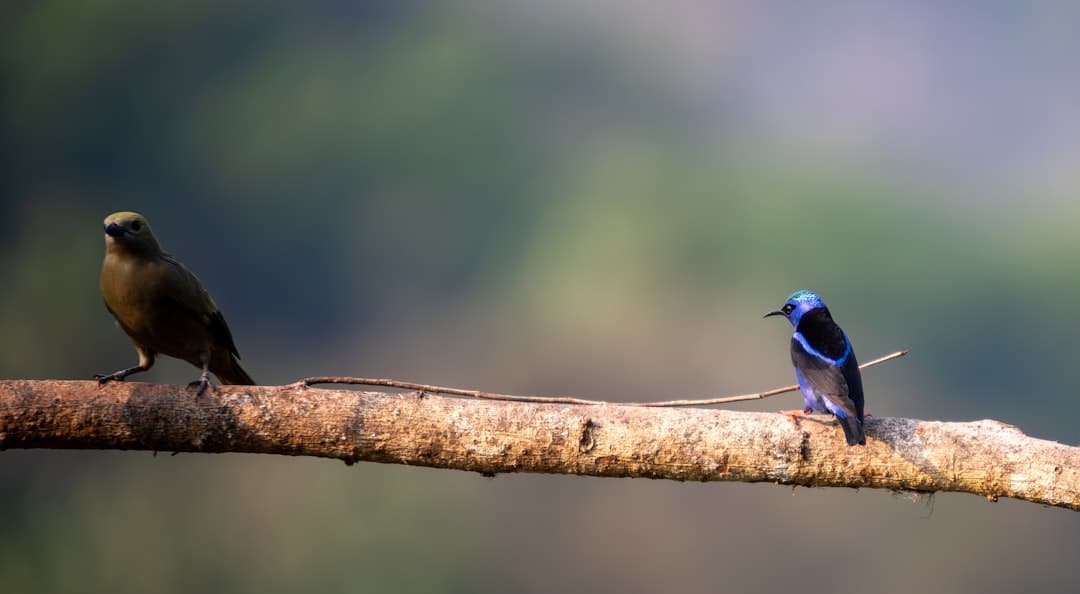
Have you ever spotted a bright splash of blue against a mountain backdrop and wondered what kind of bird it was? That striking color might belong to the Mountain Bluebird.
But what makes this bird so special? If you’re curious about its unique features, habits, and where you can find it, you’re in the right place. Keep reading, and you’ll discover fascinating facts that will change the way you see this beautiful bird forever.
Mountain Bluebird Basics
The Mountain Bluebird is a small bird known for its bright blue feathers. It lives mostly in western North America.
This bird is loved for its beauty and gentle behavior. It often appears in open fields and mountain areas.
Physical Features
Male Mountain Bluebirds have bright blue feathers on their heads and backs. Their bellies are lighter blue or white. Females are duller with grayish-blue tones.
- Length: about 7 to 8 inches
- Wingspan: around 12 inches
- Weight: 1.5 to 2 ounces
- Thin, pointed bill for catching insects
- Strong legs for perching
Habitat Range
The Mountain Bluebird lives in open country with few trees. It prefers mountain meadows, grasslands, and high plains.
| Region | Habitat Type |
| Western United States | Mountain meadows and grasslands |
| Canada (southwest) | Open forests and plains |
| Mexico (northern parts) | Dry open areas |
Diet And Feeding Habits
The Mountain Bluebird eats mostly insects during the summer. It hunts by flying low and catching prey on the ground.
Its diet includes:
- Beetles
- Grasshoppers
- Spiders
- Ants
- Sometimes berries in winter

Credit: www.reddit.com
Behavior And Lifestyle
The Mountain Bluebird is a small bird known for its bright blue color. It lives in open areas like mountains and grasslands. Its behavior is adapted to these environments.
This bird is active during the day. It spends much time searching for insects and berries to eat. It often perches on low branches or fences to watch for prey.
Mating And Nesting
Mountain Bluebirds choose mates in early spring. Males show off by singing and fluttering their wings. They look for open cavities to build nests.
- The male finds a cavity or old woodpecker hole.
- The female builds the nest inside with grass and feathers.
- They lay 4 to 6 pale blue eggs.
- Both parents take turns feeding the chicks.
Migration Patterns
Mountain Bluebirds migrate to find food and better weather. They travel south in fall and return north in spring. Migration distances vary by region and weather.
| Season | Location | Behavior |
| Spring | Mountain regions, north | Breeding and nesting |
| Fall | Lower elevations, south | Searching for food |
| Winter | Open fields and valleys | Living in flocks |
Vocalizations And Communication
Mountain Bluebirds use sounds to talk. Males sing to attract females and mark territory. Calls warn of danger or keep the flock together.
- Soft warbling songs by males
- Short chip notes for alerts
- Whistled calls during flight
Distinctive Traits
The Mountain Bluebird is a small bird known for its bright colors and unique features. It lives in open areas like mountains and fields. This bird stands out because of its vivid appearance and special body traits.
Understanding the Mountain Bluebird’s traits helps us learn how it survives and thrives in its home. Two main features to explore are its coloration and its adaptations to the environment.
Coloration And Plumage
Mountain Bluebirds have bright blue feathers that cover most of their body. Males are especially bright, while females have lighter blue and gray tones. This color helps them blend with the sky and avoid predators.
- Male Mountain Bluebirds have vivid sky-blue feathers.
- Females show softer blue mixed with gray and white.
- Both have thin, pointed beaks to catch insects.
- Bright coloration helps in mating displays and recognition.
Adaptations To Environment
This bird has several physical and behavioral traits that help it live in open mountain areas. Its strong wings allow it to fly long distances while searching for food. It also uses natural cavities for nesting to stay safe.
| Adaptation | Function |
| Strong wings | Fly long distances and hover while hunting |
| Sharp beak | Catch insects and small prey easily |
| Blue coloration | Camouflage against the sky |
| Nesting in cavities | Protect young from predators and weather |

Credit: www.onthewingphotography.com
Ecological Role
The Mountain Bluebird plays an important role in mountain and open grassland ecosystems. It helps keep insect populations under control.
This bird also supports plant growth by spreading seeds. Its presence indicates a healthy environment.
Impact On Ecosystem
Mountain Bluebirds mainly eat insects and berries. They reduce pests that damage plants. This helps crops and wild plants grow well.
- Control harmful insect numbers
- Spread seeds from the fruits they eat
- Provide food for larger animals
- Help maintain balanced ecosystems
Predators And Threats
Mountain Bluebirds face threats from predators and habitat loss. They nest in tree cavities or nest boxes, which can be taken over by other animals.
| Threat | Description | Effect on Mountain Bluebird |
| Predators | Snakes, cats, and hawks | Eat eggs, chicks, or adults |
| Competition | Starlings and sparrows | Take over nesting sites |
| Habitat Loss | Farming and urban growth | Reduce nesting and feeding areas |
Conservation Status
The Mountain Bluebird is a small bird known for its bright blue color. It lives mainly in western North America. Protecting this bird is important for keeping nature healthy.
This bird is not currently in danger, but some changes in its habitat can cause problems. Learning about its population and protection helps us keep it safe.
Current Population Trends
The Mountain Bluebird population is mostly stable. Some areas show a small increase, while others show a slight decline. Changes in land use affect their numbers.
Loss of open fields and nesting sites can reduce their population. Conservation groups watch these trends closely to act when needed.
- Population stable in protected regions
- Declines noticed where habitat is lost
- Some areas see small growth in numbers
Conservation Efforts
Efforts to protect the Mountain Bluebird focus on keeping its habitat safe. People build nest boxes to help the birds find homes. This increases their chances to raise young.
Groups work to keep open fields and reduce pesticide use. Education programs teach communities how to help the Mountain Bluebird thrive.
- Providing nest boxes in many areas
- Preserving open grasslands and meadows
- Reducing harmful chemicals in the environment
- Community education and involvement
Interesting Facts
The Mountain Bluebird is a small bird known for its bright blue color. It lives in open areas like mountains and fields. People love watching this bird because it is beautiful and easy to spot.
This bird plays a special role in nature and culture. It has some unique behaviors that make it stand out from other birds.
Cultural Significance
The Mountain Bluebird is a symbol of happiness and good luck in many cultures. It often appears in stories, art, and songs.
- Native American tribes see it as a messenger of hope.
- It is the state bird of Idaho and Nevada.
- Artists use its image to represent freedom and joy.
Records And Unique Behaviors
The Mountain Bluebird has some interesting habits. It can fly fast and catch insects in mid-air. It also nests in cavities made by other animals or humans.
| Behavior | Description |
| Flight Speed | Up to 30 miles per hour |
| Nesting | Uses old woodpecker holes or nest boxes |
| Diet | Mostly insects and berries |
| Migration | Moves to lower elevations in winter |

Credit: boisedev.com
Frequently Asked Questions
What Type Of Bird Is The Mountain Bluebird?
The Mountain Bluebird is a small migratory thrush. It belongs to the Turdidae family. It is known for its vibrant blue color and melodic song.
Where Does The Mountain Bluebird Commonly Live?
Mountain Bluebirds inhabit open areas like meadows and mountain valleys. They are found mostly in western North America, especially in high-altitude regions.
What Does The Mountain Bluebird Eat?
Mountain Bluebirds primarily eat insects and berries. They catch flying insects in mid-air and also forage on the ground for larvae and small fruits.
How Can You Identify A Mountain Bluebird?
Mountain Bluebirds are bright sky-blue with a lighter belly. Males are more vivid blue, while females have a duller, grayish-blue tone.
Conclusion
The mountain bluebird is truly a fascinating creature. Its vibrant blue color catches the eye. It thrives in open areas like meadows and prairies. These birds are often seen perched on fences or shrubs. They feed mainly on insects, making them vital for ecosystems.
Observing them offers a glimpse into nature's beauty. Their presence brings joy to birdwatchers and nature lovers. Understanding their habitat helps in conservation efforts. So, next time you spot one, take a moment to appreciate its charm. The mountain bluebird is more than just a bird; it's a symbol of the wild.