Determining what wood is safe for bird perches is more important than you might think.
The wrong type of wood can harm your feathered friend, while the right one keeps them safe and happy. If you want to create a comfortable and healthy environment for your bird, understanding which woods are safe is key. Keep reading to discover exactly what wood you should use—and why it matters for your bird’s well-being. Your bird’s safety depends on it!

Credit: aquariumstoredepot.com
Criteria For Safe Bird Perch Wood
Choosing the right wood for bird perches is important for your pet’s health. Some woods are safe, while others can harm birds. We look at key factors to help you pick non toxic wood for bird perches that is safe and comfortable.
Non-toxic Properties
Birds chew on their perches, so the wood must be free from harmful chemicals. Avoid wood treated with pesticides or varnishes.
- Choose woods naturally safe for birds, like apple or maple.
- Avoid woods with oils or resins that can be toxic, such as cedar or pine.
- Use untreated and chemical-free wood only.
Durability And Hardness
Wood must be hard enough to last but not so hard that it hurts your bird’s feet or beak.
| Wood Type | Durability | Hardness Level |
| Apple | High | Medium |
| Maple | High | Medium-High |
| Birch | Medium | Medium |
| Cherry | Medium | Medium |
Texture And Comfort
The wood surface should be smooth but not slippery. Birds need a good grip to rest comfortably.
- Look for wood with natural bumps and knots.
- Avoid overly polished or shiny wood.
- Sand rough edges to prevent splinters.
Resistance To Moisture And Mold
Bird perches can get wet. Bird perch wood that resists moisture and mold stays safer and lasts longer.
| Wood Type | Moisture Resistance | Mold Risk |
|---|---|---|
| Apple | Good | Low |
| Maple | Good | Low |
| Birch | Moderate | Moderate |
| Cherry | Moderate | Moderate |
Credit: www.reddit.com
Popular Safe Wood Types
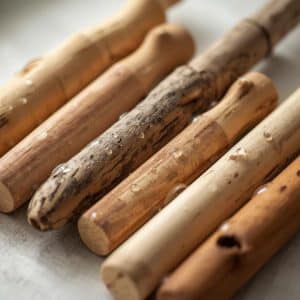
Choosing the right wood for bird perches is very important. Safe woods keep birds healthy and happy. Some woods are better than others. Below are the best wood for bird perches available today. Each wood has unique benefits for your bird’s comfort and safety.
Maple
Maple is a strong, hard wood. It has a smooth surface that is gentle on birds’ feet. It does not have toxins, so it is safe for chewing and perching.
Birch
Birch wood is light in color and weight. It is free from harmful chemicals. Birds enjoy climbing on birch branches because they are sturdy and safe.
Apple
Apple wood is popular for bird toys and perches. It has a pleasant smell and is non-toxic. The wood is hard and durable for bird use.
Manzanita
Manzanita wood is very strong and long-lasting. It has many natural curves and shapes, making it fun for birds to climb. It is safe and chemical-free.
Eucalyptus
Eucalyptus wood comes from a tree with natural oils. These oils can be harmful if fresh. It is safe only when the wood is fully dried and cleaned. Always check before use.
- Maple: strong, smooth, non-toxic
- Birch: light, sturdy, chemical-free
- Apple: fragrant, hard, durable
- Manzanita: strong, curved, safe
- Eucalyptus: needs drying, natural oils
Woods To Avoid For Bird Perches
Knowing what wood is safe for bird perches also means knowing exactly what to avoid. Some woods can harm your birds. This guide explains which types of wood to avoid when making bird perches. Keeping birds safe is the top priority.
Toxic Woods
Some woods contain natural toxins that can hurt birds. These woods should never be used for perches or toys.
- Red cedar
- Black walnut
- Oleander
- Yew
- Cherry wood (in large amounts)
Soft Woods That Splinter Easily
Soft woods can break or splinter. Sharp splinters can hurt birds’ feet and beaks.
| Soft Wood Type | Risk Level |
| Pine | High splinter risk |
| Fir | Moderate splinter risk |
| Cedar (not red) | Moderate splinter risk |
Treated Or Painted Woods
Wood treated with chemicals or covered in paint is unsafe. Birds can chew off toxic parts and get sick.
- Avoid pressure-treated wood
- Stay away from painted or stained wood
- Do not use wood with varnish or sealants
- Choose natural, untreated wood only
Natural Vs. Processed Wood Perches
Bird perch wood comes in many varieties. Choosing the right wood keeps birds safe and healthy. Natural wood perches are made from untreated branches. Processed wood perches are cut, sanded, or treated.
Benefits Of Natural Wood
Natural wood perches provide a more comfortable grip for birds. They help keep birds’ nails and beaks trimmed.
Natural wood often has uneven surfaces. This texture is good for birds’ feet and prevents sores.
- Non-toxic and safe for chewing
- Supports natural foot movement
- Varied shapes and sizes
- Contains natural oils that protect wood
Risks Of Processed Wood
Processed wood may contain harmful chemicals or glue. These chemicals can hurt birds if chewed or ingested.
Sanded wood can become too smooth. Smooth surfaces do not help keep bird feet healthy or nails trimmed.
- Possible exposure to toxins or paint
- Less natural texture for feet
- May splinter or crack easily
- Glue or treatments might be unsafe
Cleaning And Maintenance
Regular cleaning keeps wood perches safe for birds. Natural wood needs gentle cleaning to avoid damage.
Use warm water and mild soap. Avoid harsh chemicals that can soak into wood and harm birds.
- Clean perches weekly or when dirty
- Scrub gently with a soft brush
- Rinse well and dry completely
- Replace perches if cracked or worn
Customizing Wood Perches For Birds
Birds need safe and comfortable perches for their feet. Choosing the right wood is important. Customizing perches can help keep birds healthy and happy.
Wood perches come in many shapes and sizes. You can add texture and use safe finishes to make them better for birds.
Shaping And Sizing
Pick a size that fits your bird’s feet well. Perches should not be too big or too small. Use different shapes to help foot health.
Round or natural branches work well. Avoid very smooth or slippery shapes. Vary perch sizes to exercise different muscles.
- Small birds need thinner perches
- Larger birds need thicker perches
- Use natural branch shapes when possible
- Offer multiple perch sizes for variety
Adding Texture For Grip
Birds need a good grip to feel safe. Adding texture helps them hold on without slipping. Rough surfaces are best for claws.
Use natural bark or gently sand the wood to add grip. Avoid sharp edges or splinters. Texture helps keep nails healthy too.
- Keep bark intact if safe and clean
- Lightly sand smooth wood for better grip
- Remove any splinters or sharp bits
- Use a variety of textures for foot exercise
Safe Finishes And Treatments
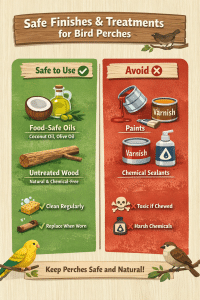
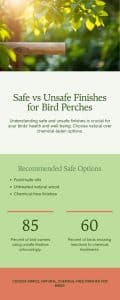
Only use non-toxic finishes on bird perches. Birds may chew on the wood, so avoid harmful chemicals. Natural oils are good choices.
Do not use paint, varnish, or sealants with toxins. Clean perches regularly to keep them safe. Untreated wood can also be safe if replaced often.
- Use food-safe oils like coconut or olive oil
- Avoid paints, varnishes, and chemical sealants
- Regularly clean and replace worn perches
- Test wood for allergies before use
Credit: www.reddit.com
Signs Of Wear And When To Replace
Bird perches made from wood need regular checks. Wood can wear down over time. This can make the perch unsafe for birds.
It is important to spot signs of damage early. Replace the perch if needed to keep birds safe and healthy.
Checking For Splinters
Splinters can hurt a bird’s feet or be swallowed. Look carefully for small cracks or rough edges on the wood surface.
- Run your fingers gently over the perch to feel for splinters.
- Look for any sharp points or broken wood pieces.
- Smooth or replace the perch if you find splinters.
Monitoring For Mold
Mold grows easily on wet or damp wood. Mold can harm birds if they breathe it in or touch it.
| Sign | What to Do |
| Green or black patches | Clean with bird-safe cleaner or replace perch |
| Musty smell | Check moisture levels and dry perch well |
| Soft or rotten wood | Replace the perch immediately |
Ensuring Structural Integrity
Wood can weaken after long use. Weak wood might break under the bird’s weight.
- Check if the perch feels loose or wobbly.
- Look for cracks or deep splits in the wood.
- Test the perch by pressing gently to see if it bends easily.
- Replace the perch if it shows any signs of weakness.
Frequently Asked Questions
What Types Of Wood Are Safe For Bird Perches?
Safe woods include untreated hardwoods like maple, oak, and manzanita. These woods are non-toxic and durable, providing a healthy grip for birds.
Why Avoid Soft Or Treated Wood For Bird Perches?
Soft or treated wood can splinter or contain harmful chemicals. This poses health risks and can injure a bird’s feet.
How To Clean Wooden Bird Perches Safely?
Use mild soap and warm water to clean perches. Avoid harsh chemicals to keep the wood safe and non-toxic for birds.
Can Birds Chew On Wooden Perches Safely?
Yes, birds naturally chew wood. Safe hardwood perches satisfy this need without exposing birds to toxins or splinters.
Conclusion
Choosing safe wood for bird perches is crucial. Birds need non-toxic, sturdy options. Avoid woods treated with chemicals. Opt for natural, untreated branches. Popular safe bird perch wood types include apple, birch, and maple. These woods are generally safe and bird-friendly. Always clean and sanitize the wood before use. Ensure the perch size fits your bird’s feet. This prevents discomfort and injury. Regularly check for damage or wear. Replace the perches if needed. Providing safe perches ensures a healthy environment. Your bird will enjoy a comfortable and happy life. Keep their habitat safe and natural.