Have you ever wondered what’s really inside the bird seed mix you scatter in your backyard? If you want to attract colorful, lively birds and keep them coming back, knowing what’s in your mix is key.
The right ingredients can make all the difference for your feathered friends’ health and happiness. You’ll discover exactly what bird seed mixes contain and how each component helps create a bird-friendly feast you’ll love to watch. Keep reading to unlock the secrets that will transform your bird feeding experience!

Credit: www.amazon.com
Common Seeds In Mixes
Bird seed mixes contain a variety of seeds to attract many bird species. Each seed type offers different nutrients and tastes. Understanding these seeds helps you choose the right mix for your backyard birds.
Below are some common seeds found in bird seed mixes and their benefits for wild birds.
Sunflower Seeds
Sunflower seeds are popular in bird mixes. They come in two main types: black oil and striped. Black oil sunflower seeds have thin shells and high oil content. Birds like finches, cardinals, and chickadees enjoy them. Striped sunflower seeds have thicker shells and attract larger birds like grosbeaks and jays.
Millet Varieties
Millet is a small round seed that is easy for many birds to eat. White proso millet is the most common type in mixes. It attracts ground-feeding birds like sparrows, doves, and juncos. Red millet is less common but also included sometimes.
- White proso millet: favorite of small ground birds
- Red millet: less common, adds variety
- Foxtail millet: sometimes found in mixed blends
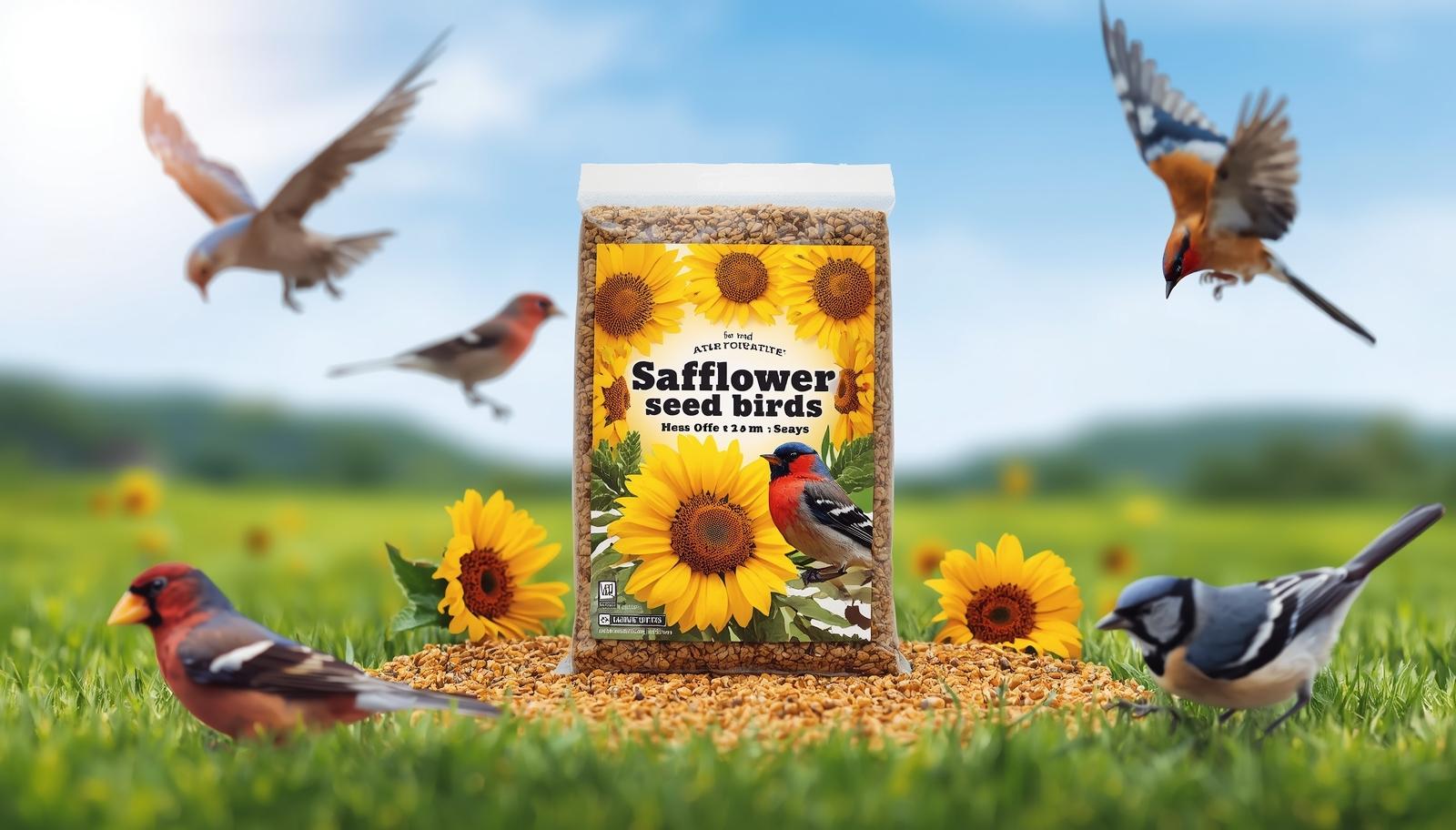
Safflower Seeds
Safflower seeds are white and have a hard shell. They are rich in fat and protein. Cardinals, chickadees, and grosbeaks like safflower seeds. Squirrels and blackbirds tend to avoid them, which helps reduce unwanted visitors at feeders.
Nyjer Seeds
Nyjer seeds are tiny, black, and thin. They are high in oil and attract finches like goldfinches, siskins, and redpolls. Nyjer seeds are often sold separately or in special mixes. A fine mesh feeder is needed to hold these small seeds.
| Seed Type | Birds Attracted | Seed Characteristics |
| Sunflower (Black Oil) | Finches, Cardinals, Chickadees | Thin shell, high oil content |
| Millet (White Proso) | Sparrows, Doves, Juncos | Small, round, easy to eat |
| Safflower | Cardinals, Grosbeaks, Chickadees | Hard shell, rich in fat |
| Nyjer | Goldfinches, Siskins, Redpolls | Very small, high oil, needs special feeder |
Credit: purityfeed.ca
Nuts And Grains
Bird seed mixes often contain a variety of nuts and grains. These ingredients provide energy and nutrients for wild birds. They help birds stay healthy and active.
Nuts and grains vary in size, taste, and nutritional value. Different birds prefer different types. This guide covers some common nuts and grains found in bird seed mixes.
Peanuts And Almonds
Peanuts and almonds are popular nuts in bird seed mixes. They offer high protein and fat, which are good for birds during cold weather. Many birds, like woodpeckers and jays, enjoy these nuts.
- Peanuts provide energy and are easy for many birds to crack open.
- Almonds have a harder shell but are nutritious and tasty to larger birds.
- Both nuts support feather growth and overall health.
Cracked Corn
Cracked corn is a common grain in bird seed mixes. It is made by breaking dried corn kernels into smaller pieces. Many ground-feeding birds, such as doves and sparrows, like cracked corn.
| Bird Type | Preference for Cracked Corn |
| Doves | High |
| Sparrows | Medium |
| Woodpeckers | Low |
Oats And Wheat
Oats and wheat are grains that add fiber and carbohydrates to bird seed mixes. Birds like finches and buntings enjoy these grains. They help birds maintain energy for flying and foraging.
Common uses of oats and wheat in bird seed mixes:
- Oats are often rolled or whole, easy to digest for many bird species.
- Wheat provides slow-release energy and supports muscle function.
- Both grains attract a wide variety of wild birds.
Fruits And Vegetables
Bird seed mixes often include fruits and vegetables to add nutrition and flavor. These ingredients help keep birds healthy and active.
Dried fruits and vegetables also add variety to the diet. They provide vitamins and minerals that seeds alone may lack.
Dried Berries
Dried berries in bird seed mixes are small and sweet. They attract birds with natural sugars and bright colors.
- Cranberries provide antioxidants.
- Blueberries offer vitamins C and K.
- Raisins add energy and fiber.
- Currants help improve digestion.
Dehydrated Vegetables
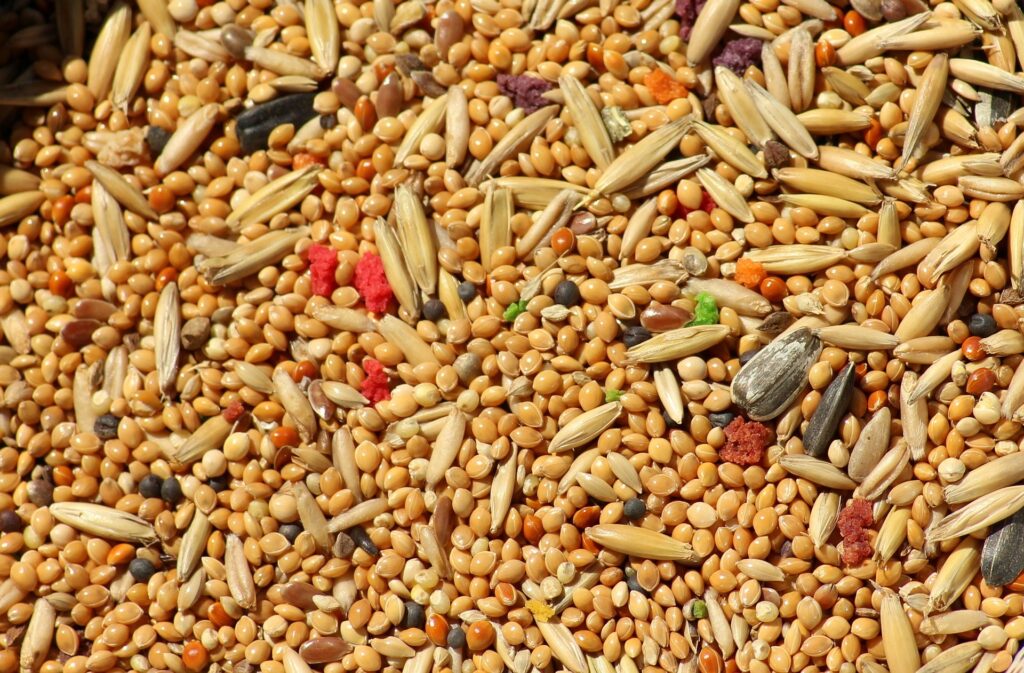
Dehydrated vegetables add crunch and nutrients to bird seed mixes. They keep well without spoiling.
| Vegetable | Key Nutrients | Benefits |
|---|---|---|
| Carrots | Vitamin A, Beta-carotene | Supports vision and immune health |
| Peas | Protein, Fiber | Boosts energy and digestion |
| Spinach | Iron, Vitamin C | Helps blood health and immunity |
Credit: localgardener.net
Special Additives
Bird seed mixes often include special additives to improve bird health and enjoyment. These additives provide extra nutrients and make the mix more attractive to birds.
Special additives help birds get the vitamins and minerals they need. They also add flavors that encourage birds to eat more.
Calcium Sources
Calcium is important for strong bones and healthy eggshells in birds. Many bird seed mixes add calcium sources to support these needs.
Common calcium sources include crushed oyster shells and ground limestone. These materials are easy for birds to digest.
- Crushed oyster shells
- Ground limestone
- Calcium carbonate
Vitamins And Minerals
Bird seed mixes often contain added vitamins and minerals. These help birds stay healthy and active.
Common vitamins include A, D, and E. Important minerals include zinc, iron, and magnesium.
- Vitamin A for vision and skin
- Vitamin D for bone health
- Vitamin E for immune support
- Zinc for growth and repair
- Iron for blood health
- Magnesium for muscle function
Natural Flavor Enhancers
Natural flavor enhancers make bird seed mixes taste better. Birds find these flavors appealing and eat more.
Examples include dried fruits, herbs, and seeds with strong natural scents. These ingredients attract different types of birds.
- Dried berries like blueberries and cranberries
- Herbs such as mint and oregano
- Sunflower seeds for a nutty flavor
Seed Mixes For Different Birds
Bird seed mixes vary based on the type of bird you want to feed. Different birds prefer different seeds and nutrients. Choosing the right mix helps keep your birds healthy and happy.
Here, we look at seed mixes for small songbirds, parrots and larger birds, and finches. Each group has special needs and favorite seeds.
Seeds For Small Songbirds
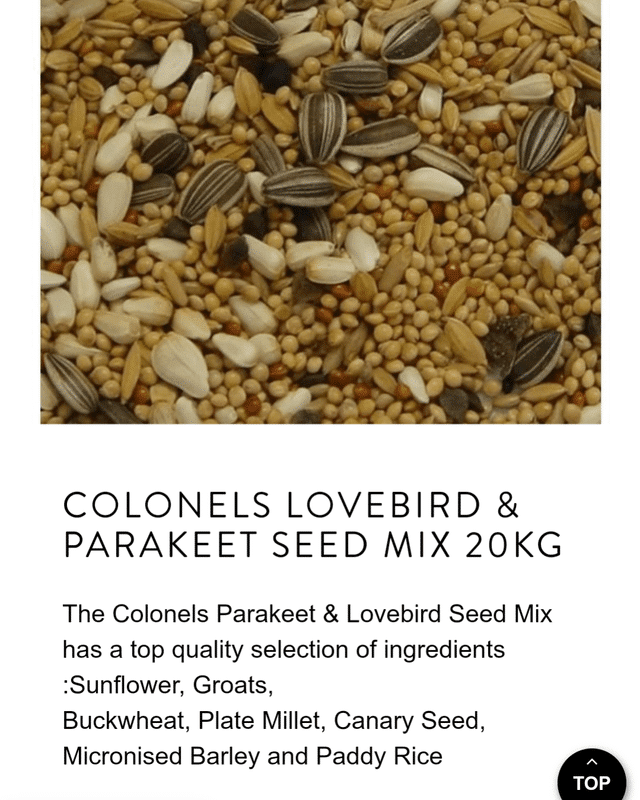
Small songbirds like chickadees, sparrows, and warblers enjoy a mix of small seeds. These seeds are easy for their tiny beaks to handle. Common seeds include millet, sunflower chips, and nyjer.
- White proso millet for energy
- Black oil sunflower seeds for fat and protein
- Nyjer seeds for finches and siskins
- Cracked corn for variety
Mixes For Parrots And Larger Birds
Parrots and larger birds need bigger seeds and nuts. These birds require more protein and fat. Their mixes often include sunflower seeds, peanuts, and dried fruits.
| Seed Type | Benefit | Examples |
|---|---|---|
| Sunflower seeds | High energy and fat | Black oil, striped |
| Peanuts | Rich in protein | Whole, shelled |
| Dried fruits | Vitamins and taste | Raisins, apricots |
| Millet | Carbohydrates | White proso, red |
Formulated Blends For Finches
Finches like small, fine seeds. Their mixes focus on nyjer and millet. These blends support their fast metabolism and small size.
Typical finch seed mix includes:
- Nyjer seeds for oil and flavor
- White proso millet for carbs
- Canary seed for fiber
- Hulled oats for extra nutrition
Choosing Quality Bird Seed
Choosing the right bird seed is important for feeding wild birds. Quality seed helps keep birds healthy and happy. It also attracts more birds to your feeder.
Look closely at the seed mix before buying. Some seed mixes have fillers or old seeds that birds may avoid.
Freshness Indicators
Fresh bird seed has a bright color and smells natural. Old seed looks faded or dusty. Check the package date or best-by label. Avoid seed that feels damp or clumps together.
Avoiding Fillers And Harmful Additives
Some seed mixes have fillers that birds do not eat. These fillers waste money and may attract pests. Harmful additives can hurt birds’ health.
- Skip seed mixes with red or pink dyed seeds.
- Avoid seed with lots of cracked corn or wheat.
- Choose mixes with natural seeds like sunflower or millet.
- Check that no chemicals or pesticides are listed.
Packaging And Storage Tips
Good packaging keeps seed fresh and dry. Bags with resealable tops help keep out moisture. Store seed in a cool, dry place away from direct sunlight.
| Storage Tip | Benefit |
| Use airtight containers | Keeps seed dry and fresh longer |
| Store away from heat | Prevents seed spoilage |
| Keep off the ground | Protects from pests and moisture |
| Use seed quickly after opening | Ensures freshness for birds |
Frequently Asked Questions
What Ingredients Are Commonly Found In Bird Seed Mix?
Bird seed mixes usually include sunflower seeds, millet, cracked corn, and safflower seeds. These provide balanced nutrition for various bird species. Some mixes may also contain peanuts, nyjer, or dried fruit for added diversity and attraction.
How Does Bird Seed Mix Benefit Wild Birds?
Bird seed mix offers essential nutrients like proteins, fats, and carbohydrates. It supports birds’ energy needs, especially in colder months. Feeding birds helps maintain local bird populations and promotes biodiversity in your garden or backyard.
Can I Customize Bird Seed Mix For Specific Birds?
Yes, you can tailor bird seed mixes to attract certain species. For example, nyjer seed attracts finches, while safflower seeds appeal to cardinals. Understanding birds’ preferences helps create an effective and targeted feeding mix.
Is Bird Seed Mix Safe For All Bird Species?
Most bird seed mixes are safe for common wild birds. However, avoid mixes with additives or moldy seeds. Always provide fresh water nearby and clean feeders regularly to ensure bird health and safety.
Conclusion
Bird seed mixes are vital for attracting diverse bird species. They offer essential nutrients and energy. Sunflower seeds, millet, and cracked corn are popular choices. Each component serves a unique purpose. Birds love variety, so a balanced mix is key.
Quality ingredients ensure better health and satisfaction for birds. Observing different birds enjoy your mix is rewarding. Selecting the right bird seed mix creates a lively backyard. It also supports local wildlife. Choose wisely for a thriving bird community. Remember, happy birds mean a vibrant garden.
Enjoy the sights and sounds of nature's visitors.