Have you ever wondered when your Bird of Paradise plant will burst into those stunning, colorful flowers? You’re not alone.
Many plant lovers get excited about this unique bloom but aren’t sure when to expect it. Knowing exactly when your Bird of Paradise produces flowers can help you care for it better and enjoy its beauty at the right time.
Keep reading, and you’ll discover the key signs and conditions that make your plant bloom, so you never miss a moment of its vibrant show.
Bird Of Paradise Basics
The Bird of Paradise is a bright and exotic plant. It is known for its unique flowers that look like a bird in flight. Understanding its basics helps gardeners grow it well.
This plant adds color and life to gardens and indoor spaces. Knowing when it flowers can help you enjoy its beauty at the right time.
Plant Origins
The Bird of Paradise comes from South Africa. It grows in warm, tropical climates. The plant is part of the Strelitzia family. It was named after a queen from England.
- Native to South Africa
- Thrives in warm, tropical areas
- Belongs to the Strelitzia genus
- Named after Queen Charlotte
Growth Habits
The Bird of Paradise grows as a shrub or small tree. It can reach up to 5 feet tall indoors. Outdoors, it may grow taller. The plant has large, banana-like leaves.
| Growth Feature | Details |
| Height Indoors | Up to 5 feet |
| Height Outdoors | Up to 20 feet |
| Leaf Type | Large, shaped like banana leaves |
| Flowering Time | Usually 3 to 5 years after planting |
Blooming Season
The Bird of Paradise plant is famous for its bright and unique flowers. Knowing when it blooms helps gardeners care for it well.
This plant’s blooming season depends on several factors like time of year and climate. Let’s explore the usual flowering times.
Typical Flowering Time
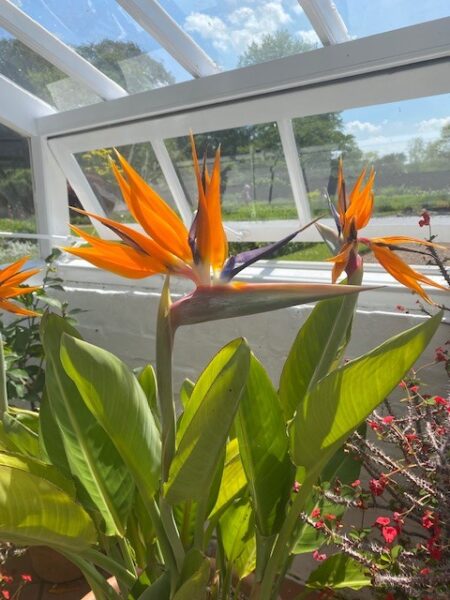
Bird of Paradise usually flowers in late winter through spring. The peak bloom time is often from March to May.
The flowers appear after the plant grows strong leaves for several months. It may take a few years for young plants to bloom.
- Starts blooming: Late winter
- Peak flowers: Early to mid-spring
- Ends blooming: Early summer
Climate Influence
Warm climates help Bird of Paradise bloom longer and more often. Mild winters encourage earlier flowering.
In cooler or dry climates, the plant may bloom less or later. It needs enough sunlight and warmth for good flower growth.
- Tropical climate: Blooms almost year-round
- Subtropical climate: Flowers in late winter to spring
- Cool climates: Blooming may be short or delayed
Factors Affecting Flowering
Bird of Paradise plants produce flowers under the right conditions. Several factors influence when and how well they bloom. Understanding these factors helps you care for your plant better.
Flowering depends on light, water, soil, and temperature. Each factor plays a key role in the plant’s growth and bloom cycle.
Light Requirements
Bird of Paradise needs plenty of bright light to flower. It does best with direct sunlight for several hours daily. Too little light can delay or stop blooming.
Indoor plants should be placed near a sunny window. Outdoors, they thrive in full sun or partial shade.
- At least 4 to 6 hours of direct sunlight daily
- Bright indirect light can work but slows flowering
- Avoid deep shade or very low light conditions
Watering Needs
Watering affects the plant’s ability to bloom. Bird of Paradise prefers moist soil but not soggy. Overwatering can cause root problems and reduce flowers.
Let the top soil dry slightly between waterings. In winter, reduce watering to avoid stress.
- Keep soil evenly moist during growing season
- Allow soil to dry a little before watering again
- Reduce watering in cooler months
Soil Conditions
Good soil helps Bird of Paradise produce flowers. The soil should drain well to stop water from pooling. Heavy, compact soil can harm roots and prevent blooming.
Use a rich, well-draining mix with organic matter for best results.
- Use sandy or loamy soil with good drainage
- Add compost or peat moss for nutrients
- Avoid clay soils that hold too much water
Temperature Effects
Bird of Paradise flowers best in warm temperatures. It prefers daytime temperatures between 70°F and 85°F (21°C to 29°C). Cold temperatures can slow or stop flowering.
Protect the plant from frost and cold drafts. Night temperatures below 50°F (10°C) can stress the plant.
- Ideal day temperature: 70°F to 85°F (21°C to 29°C)
- Keep night temperatures above 50°F (10°C)
- Protect from frost and cold winds
Credit: www.winterbourne.org.uk
Signs Of Imminent Bloom
Bird of Paradise plants show clear signs before they start to flower. Watching these signs helps you know when blooms will appear.
Two main signs to watch for are bud formation and leaf changes. These signals tell you the plant is ready to bloom soon.
Bud Formation
The first sign of blooming is when buds start to form. These buds grow at the base of the plant’s leaves.
Buds look like small, pointed green pods. They slowly grow bigger and change color as the flower prepares to open.
- Buds appear thick and firm
- They grow upright from the stem
- The color changes to orange or blue before opening
Leaf Changes
Leaves also change when the plant is about to bloom. They may grow larger and become more vibrant green.
Sometimes, leaves near the buds curl slightly or open wider. These changes support the flower’s growth.
- Leaves become glossy and bright green
- New leaves may grow quickly
- Leaves near buds may curl or spread out
Encouraging More Blooms
Bird of Paradise plants produce their stunning flowers under the right care. Knowing how to encourage more blooms helps your plant look its best.
Simple actions like pruning, fertilizing, and repotting make a big difference in flower production.
Pruning Tips
Pruning helps your Bird of Paradise grow strong and healthy. Remove old or dead leaves to let energy focus on new growth.
Cutting back flower stalks after blooming encourages the plant to produce new buds.
- Use clean, sharp scissors or pruning shears
- Cut near the base of the flower stalk
- Remove any damaged or yellow leaves
- Prune in early spring for best results
Fertilization Strategies
Feeding your Bird of Paradise with the right fertilizer encourages more blooms. Use a balanced fertilizer with equal parts nitrogen, phosphorus, and potassium.
Apply fertilizer every 4 to 6 weeks during the growing season. Avoid over-fertilizing, which can harm the plant.
- Choose a water-soluble fertilizer with NPK 10-10-10 or 20-20-20
- Follow package instructions for the right amount
- Stop fertilizing in winter when growth slows
- Consider adding a phosphorus boost to promote flowers
Repotting Advice
Repotting your Bird of Paradise every 2 to 3 years helps it bloom more. Use a pot slightly larger than the current one.
Fresh soil provides nutrients and better drainage. Avoid pots that are too big, which can cause root problems.
- Choose a pot with drainage holes
- Use well-draining potting mix with peat and sand
- Gently loosen roots before repotting
- Water well after repotting but do not overwater

Credit: www.reddit.com
Common Flowering Issues
Bird of Paradise plants are known for their bright flowers. Sometimes, they do not bloom as expected. Knowing common issues can help fix this problem.
Many factors affect flower production. These include care, pests, and diseases that stop blooms from appearing.
Delayed Blooming Causes
Bird of Paradise plants may delay blooming if they lack sunlight. They need bright light to produce flowers well.
Too much nitrogen fertilizer can cause leafy growth but fewer flowers. The plant uses energy to grow leaves instead of blooms.
- Insufficient sunlight reduces flower production
- Excess nitrogen fertilizer delays blooming
- Incorrect watering can stress the plant
- Young plants may take years to bloom
Pests And Diseases
Pests like spider mites and aphids can harm Bird of Paradise leaves. Damaged leaves weaken the plant and reduce flowers.
Fungal diseases such as root rot affect the plant’s health. Poor drainage or overwatering often causes these problems.
- Spider mites cause leaf discoloration and damage
- Aphids suck sap and weaken the plant
- Root rot kills roots and stops flowering
- Good air flow helps prevent fungal diseases
Flower Lifespan And Care
Bird of Paradise plants produce stunning flowers that last for several weeks. Knowing how long the blooms last helps you enjoy their beauty longer.
Proper care after flowering keeps the plant healthy. It also encourages new blooms in the future.
Duration Of Blooms
Bird of Paradise flowers usually last between two to three weeks. The bright orange and blue petals stay vibrant during this time.
| Flower Stage | Duration |
| Fresh Bloom | 14 to 21 days |
| Fading Bloom | 3 to 5 days |
| Wilting Bloom | 2 to 3 days |
Post-bloom Maintenance
After flowers fade, remove the old blooms to keep the plant tidy. This prevents disease and helps the plant focus energy on new growth.
- Cut spent flower stems close to the base
- Trim any yellow or dead leaves
- Water regularly but avoid overwatering
- Feed with balanced fertilizer monthly during growing season
- Place the plant in bright, indirect sunlight
Tip:Use clean, sharp scissors for pruning to avoid damage. Keep the soil moist but not soggy.

Credit: www.reddit.com
Frequently Asked Questions
When Do Bird Of Paradise Plants Typically Bloom?
Bird of Paradise plants usually bloom in late winter to early spring. Optimal sunlight and warmth encourage flower production. Indoor plants may flower later with proper care. Bloom time can vary depending on climate and plant maturity.
How Long Does Bird Of Paradise Flower Last?
Each Bird of Paradise flower typically lasts about one to two weeks. Proper watering and sunlight can extend bloom life. Removing spent flowers encourages new growth. The plant produces multiple blooms over several months in ideal conditions.
What Conditions Promote Bird Of Paradise Flowering?
Bright, indirect sunlight and warm temperatures promote flowering. Well-drained soil and regular watering help sustain growth. Fertilizing during growing season boosts bloom production. Avoid cold drafts and sudden temperature drops to prevent flower loss.
Can Bird Of Paradise Flower Indoors?
Yes, Bird of Paradise can flower indoors with enough light. Place near a south-facing window for best results. Maintain consistent warmth and humidity. Indoor plants may take longer to bloom than outdoor ones.
Conclusion
Bird of Paradise blooms bring joy and beauty to any garden. They flower when conditions are just right. Warm temperatures and bright sunlight boost their chances. Consistent watering and well-drained soil help too. Patience is key; they may take years to bloom.
But the wait is worth it. Those vibrant flowers are truly stunning. Regular care and attention make a difference. Enjoy the journey of watching them grow. Appreciate nature’s wonders in your own backyard. Happy gardening!