Have you ever watched a baby bird pecking around and wondered when it’s ready to start eating worms on its own? If you’re curious about your feathered friend’s growth or simply want to understand nature better, knowing the right time is important.
This isn’t just about feeding—it’s about helping your bird thrive and stay healthy. Keep reading, and you’ll discover exactly when a bird is old enough to enjoy its first worm, plus tips to support its journey from nestling to independent eater.
Your bird’s next big step is closer than you think!
Credit: irishwildlifematters.ie
Bird Development Stages
Birds grow through several stages before they can eat worms on their own. Each stage shows important changes in their body and behavior.
Understanding these stages helps us know when a bird is ready to start eating solid food like worms.
From Hatchling To Fledgling
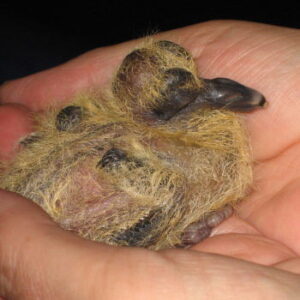
Birds start as hatchlings. They are small, weak, and depend on their parents for food and warmth.
As they grow, they become fledglings. This is when they begin to learn how to fly and eat by themselves.
- Hatchlings are born blind and featherless
- Fledglings have feathers and can flutter
- Parents feed them until they are independent
Growth Milestones
Birds reach certain milestones as they develop. These milestones show when they can start eating worms.
They must open their eyes, grow feathers, and gain strength to catch and eat worms.
- Eyes open around 5 to 14 days old
- Feathers grow fully by 2 to 3 weeks
- Flight muscles strengthen by 3 to 4 weeks
- Birds start eating solid food after 2 weeks
Feather Development
Feathers help birds fly and keep warm. Feather growth is a key sign of maturity.
Young birds grow down feathers first, then adult feathers for flying and protection.
- Down feathers appear at birth for warmth
- Adult feathers grow after 1 week
- Feathers are ready by fledgling stage
- Strong feathers allow birds to catch worms
Diet Transition In Young Birds
Young birds start life eating only what their parents give them. Their diet changes as they grow. This change is important for their health and growth.
One key change is when birds begin to eat solid foods like worms. This shift happens gradually over time. Understanding this helps us care for young birds better.
Feeding By Parents
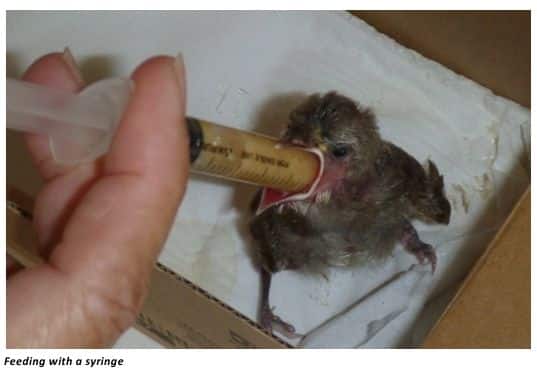
At first, parent birds feed their chicks soft, easy-to-digest food. This includes regurgitated insects or partially digested food. It provides the nutrients chicks need in early days.
Parents keep feeding their young often. This helps the chicks grow strong. They watch the chicks closely to know when to change the food type.
Introduction To Solid Food
Young birds start trying solid food after a few days or weeks. This food is usually soft and small, like tiny worms or insects. The new food helps their beaks and digestive systems grow.
The transition to solid food is slow. Birds try solid foods while still eating from their parents. This mix helps them learn to eat on their own.
- Starts with soft, small pieces
- Parents often bring worms or insects
- Chicks practice pecking and swallowing
Signs Of Readiness For Worms
Birds show they are ready to eat worms by their behavior. They open their mouths wide and try to peck at food. Their beaks get stronger for grabbing worms.
Parents notice these signs and start offering real worms. The chicks eat more solid food each day. This change helps them prepare for life outside the nest.
- Active pecking at food
- Strong, open beak movements
- Less reliance on parent feeding
Age Benchmarks For Eating Worms
Birds start eating worms at different ages depending on their species and environment. Eating worms is an important skill for many young birds. It helps them get the nutrients they need to grow strong.
This guide explains when birds usually begin eating worms. It covers species differences, typical ages, and how the environment changes these times.
Species Variations
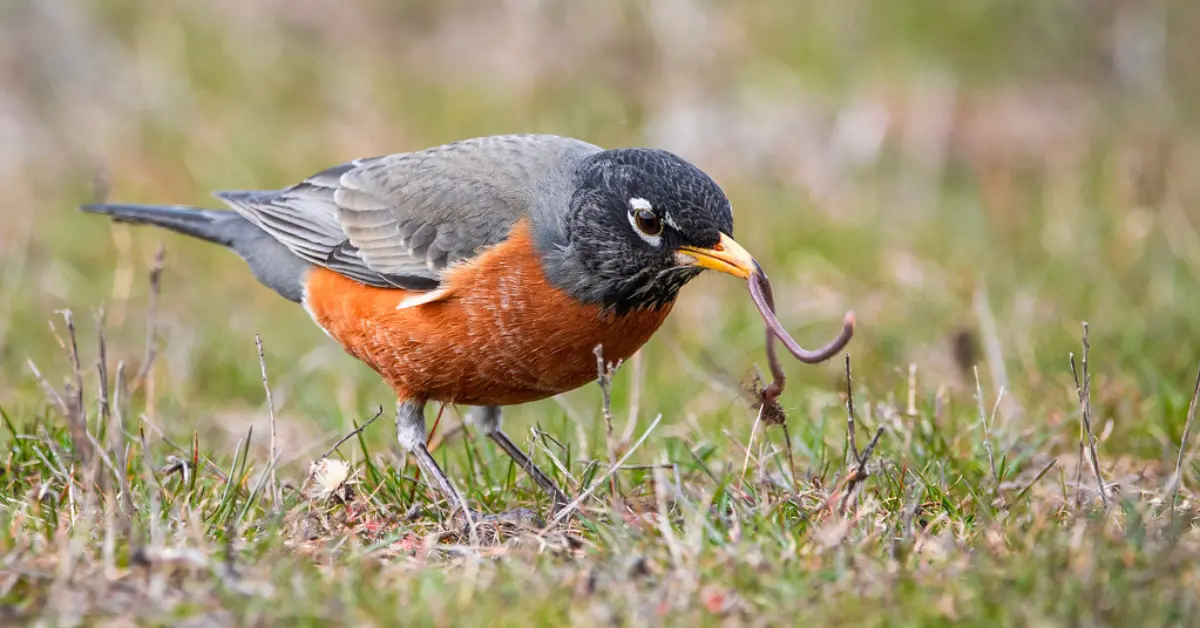
Different bird species start eating worms at different ages. Some learn very early, while others take more time. For example, robins eat worms soon after they leave the nest. Bluebirds wait a bit longer before they try worms.
- Robins: Eat worms at about 10 days old
- Bluebirds: Begin eating worms around 14 days old
- Thrushes: Start eating worms near 12 days old
- Wrens: Usually eat worms after 15 days
Typical Age Ranges
| Age (Days) | Bird Species |
| 8-10 | Robins |
| 10-12 | Thrushes |
| 12-14 | Bluebirds |
| 14-16 | Wrens |
Most songbirds start eating worms between 8 and 16 days old. The exact age depends on how fast the chicks grow and their species traits.
Environmental Influences
Environment plays a big role in when birds eat worms. Temperature, weather, and worm availability matter. Birds in warm places may eat worms earlier. Cold weather can delay feeding on worms.
- Warm climates speed up worm eating
- Cold or wet weather slows it down
- More worms available means earlier feeding
- Scarce worms delay the start

Credit: www.livingwithbirds.com
Benefits Of Eating Worms Early
Young birds start eating worms soon after they can feed themselves. Worms offer many health benefits for growing birds. Eating worms early helps birds get strong and stay healthy.
Understanding these benefits shows why worms are important food for young birds. They provide key nutrients and support overall growth.
Nutritional Advantages
Worms are rich in protein, which young birds need to build muscles and feathers. They also contain fats that give birds energy to stay active.
- High protein content for muscle growth
- Essential fats for energy
- Vitamins like B12 and minerals such as iron
- Easy to digest for young birds
Boosting Immune System
Eating worms early helps young birds strengthen their immune system. The nutrients in worms support the body’s defense against diseases.
| Immune Benefit | Source in Worms |
| Antibacterial properties | Protein and enzymes |
| Improved disease resistance | Vitamins and minerals |
| Better wound healing | Essential nutrients |
Supporting Growth
Worms provide nutrients that help young birds grow strong bones and feathers. Early eating of worms supports faster development and better health.
Benefits of worms for growth include:
- Calcium and phosphorus for strong bones
- Protein for muscle and feather formation
- Energy to support daily activities
- Improved overall health and vitality
Risks Of Premature Worm Feeding
Feeding worms to young birds too early can cause serious problems. Their bodies are not ready to handle solid food.
Birds need time to grow before eating worms. This helps them stay healthy and safe.
Digestive Issues
Young birds have fragile digestive systems. Worms can be hard to digest and cause stomach pain.
- Worms may upset the bird’s stomach.
- Birds can get diarrhea or constipation.
- Digestive problems slow down growth.
- Young birds may refuse food if they feel sick.
Choking Hazards
Worms can be slippery and large for young birds. This raises the risk of choking or gagging.
| Risk | Explanation |
| Choking | Worm size may block the airway. |
| Gagging | Birds may struggle to swallow. |
| Breathing Trouble | Worms stuck in throat can cause harm. |
Parental Care Considerations
Parent birds know when their chicks are ready to eat worms. They watch for signs before feeding.
Signs parents look for include:
- Birds opening their mouths wide.
- Showing interest in solid food.
- Being able to swallow properly.
How To Safely Introduce Worms
Young birds need proper care when starting solid food. Worms are a natural food source for many birds. Introducing worms safely helps birds grow strong and healthy.
This guide explains how to choose the right worms, prepare them safely, and watch your bird’s reaction.
Choosing The Right Worms
Use fresh, live worms that are safe for birds. Avoid worms from unknown sources or treated soil. Earthworms and mealworms are good choices.
Pick worms that are small enough for your bird to eat easily. Large worms can be hard to swallow and may cause choking.
- Choose earthworms or mealworms
- Buy worms from pet stores or trusted suppliers
- Avoid wild-caught worms from polluted areas
- Pick worms small enough for your bird’s size
Preparation Tips
Wash the worms gently with clean water before feeding. This removes dirt and bacteria. Do not use soap or chemicals.
Cut large worms into smaller pieces for young birds. Serve worms at room temperature. Cold worms might upset the bird’s stomach.
- Rinse worms with fresh water
- Cut large worms into bite-size pieces
- Serve worms at room temperature
- Feed worms soon after preparation
Monitoring Bird’s Response
Watch your bird closely after feeding worms for the first time. Check if the bird eats well and shows no discomfort.
If your bird refuses worms or shows signs of illness, stop feeding worms and try again later. Consult a vet if needed.
- Observe eating behavior carefully
- Look for signs of choking or distress
- Stop feeding if bird acts sick
- Contact a vet if problems continue
Wild Vs. Captive Birds Feeding Habits
Birds start eating worms at different ages depending on their environment. Wild birds learn to find food by themselves. Captive birds rely more on humans for feeding.
Understanding these differences helps us care for birds properly. Feeding habits affect their growth and health.
Natural Foraging Behavior
Wild birds begin to eat worms when they can catch them. This usually happens a few days after they leave the nest. They learn by watching their parents and practicing.
Worms are a good food source rich in protein. Young birds slowly develop skills to find and catch worms on their own.
- Young birds watch adults hunt for worms
- Practice helps improve their hunting skills
- Eating worms supports strong growth
Human Intervention Impact
Captive birds often start eating worms earlier with human help. Caretakers provide food before birds learn to hunt. This changes how birds develop natural skills.
Too much help can make birds dependent on humans. They may struggle to find food if released in the wild. Feeding habits in captivity must balance care and independence.
- Humans feed worms to young birds early
- Birds may lose natural hunting skills
- Careful feeding helps birds grow strong
Adapting Feeding Practices
Feeding captive birds should support natural behavior. Gradually reducing hand-feeding encourages hunting skills. Provide live worms so birds learn to catch food.
Observe birds to see when they can eat alone. Adjust feeding to help them grow confident. This helps birds stay healthy and ready for the wild.
- Start with hand-feeding worms to young birds
- Introduce live worms to encourage hunting
- Reduce hand-feeding as birds improve skills
- Watch for signs of independence in feeding
Credit: nestboxlive.com
Frequently Asked Questions
When Do Baby Birds Start Eating Worms?
Baby birds typically start eating worms around 7 to 10 days old. At this stage, they develop the strength and coordination to handle solid food like worms.
Why Do Birds Eat Worms Early In Life?
Birds eat worms early because worms are rich in protein. This helps baby birds grow strong and develop feathers quickly.
How Do Parent Birds Teach Chicks To Eat Worms?
Parent birds bring worms to their chicks and feed them directly. This teaches chicks the taste and texture of worms gradually.
Can Young Birds Digest Worms Properly?
Yes, young birds can digest worms once their digestive system matures around one week old. Worms provide essential nutrients for growth.
Conclusion
Birds need time to grow before eating worms. Baby birds rely on parents for food. Their diet starts with soft, easy-to-digest meals. As they mature, worms become part of their menu. It’s important to know when a bird is ready.
This ensures they get the nutrients they need. Observing their growth helps determine readiness. Each bird is different, so timing varies. Patience and attention are key. Understanding their needs ensures healthy development. Always watch for changes in their diet habits.
This knowledge supports their growth into strong, healthy birds.