Have you ever wondered when bird nesting season happens and why it matters to you? Knowing the timing of this special period can change how you enjoy the outdoors and protect nature.
Whether you're a bird lover, a gardener, or just curious, understanding when birds build their nests helps you avoid disturbing them and lets you witness amazing natural moments. Keep reading to discover the key signs of bird nesting season and how you can make a difference during this delicate time.
Credit: wdfw.medium.com
Bird Nesting Basics
Bird nesting season is the time when birds build nests and lay eggs. It is a crucial part of their life cycle. This season varies depending on the bird species and environment.
Understanding when birds start nesting helps protect their homes. It also allows people to observe birds without disturbing them.
What Triggers Nesting
Birds start nesting because of several natural signals. These triggers tell birds that it is time to prepare for raising their young.
- Daylight length increases in spring
- Warmer temperatures signal the change of seasons
- Availability of food grows in the environment
- Hormonal changes in birds drive nesting behavior
- Safe and suitable nesting sites become available
Common Nesting Species
Many bird species nest in different places and times. Some are common in backyards, while others prefer wild areas.
| Species | Typical Nesting Time | Nesting Location |
| American Robin | March to July | Trees and shrubs |
| House Sparrow | April to August | Buildings and nest boxes |
| Blue Jay | April to June | Tree branches |
| Eastern Bluebird | April to July | Tree cavities and nest boxes |
| Mourning Dove | April to September | Tree branches and ledges |
Timing Of Nesting Season
Bird nesting season is the time when birds build nests and lay eggs. This season is important for bird reproduction.
The timing of nesting season changes based on many factors. Birds start nesting when conditions are right.
Seasonal Variations
Nesting season usually happens in spring and early summer. This is when food is more available for baby birds.
Some birds begin nesting earlier or later depending on the season length and temperature. Shorter winters bring earlier nesting.
- Spring: Most common time for nesting
- Summer: Some species nest late in the season
- Fall and Winter: Few birds nest during cold months
Regional Differences
Nesting season varies by region because of climate and daylight hours. Birds in warmer places nest earlier.
In northern regions, nesting starts later because spring arrives slowly. Tropical birds may nest all year.
- North: Late spring to summer nesting
- South: Early spring nesting
- Tropics: Possible year-round nesting
Impact Of Climate
Climate changes can shift when birds start nesting. Warmer temperatures may cause earlier nesting.
Extreme weather like storms can stop birds from nesting or damage nests. Climate affects food availability too.
- Warmer springs lead to earlier nesting
- Storms may destroy nests or delay nesting
- Food supply changes affect nesting success
Signs Of Nesting Activity
Bird nesting season is a busy time for many birds. They prepare nests, lay eggs, and care for their young.
Watching signs of nesting helps you understand bird behavior and protect their homes.
Nest Building
Birds start nesting by gathering materials like twigs and leaves. They build nests in trees, bushes, or other safe spots.
You may see birds carrying small sticks or grass. They often return to the same place to build or fix their nests.
- Birds collect soft materials for lining nests
- They shape nests carefully to hold eggs
- Frequent flying to and from the nest area
Egg Laying And Incubation
After the nest is ready, birds lay their eggs. The number of eggs varies by species.
Birds sit on the eggs to keep them warm. This is called incubation and can last days or weeks.
- Birds sit quietly on nests for long periods
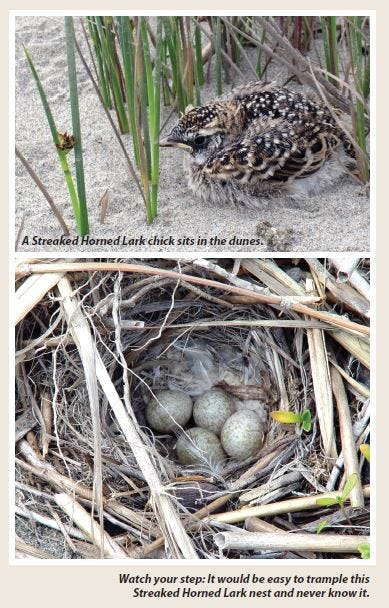
- Eggs are often hidden to avoid predators
- Parents take turns keeping eggs warm
Feeding Chicks
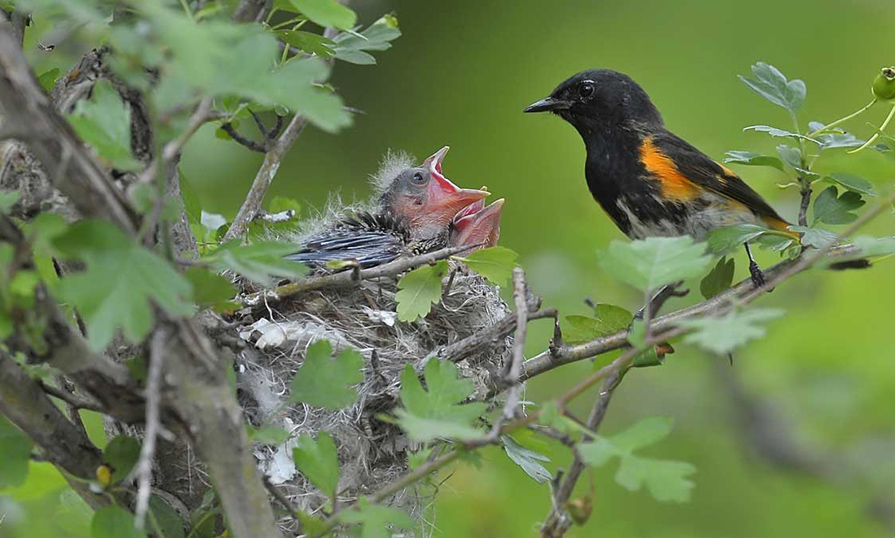
Once eggs hatch, parents feed the chicks many times a day. They bring insects, worms, or seeds to the nest.
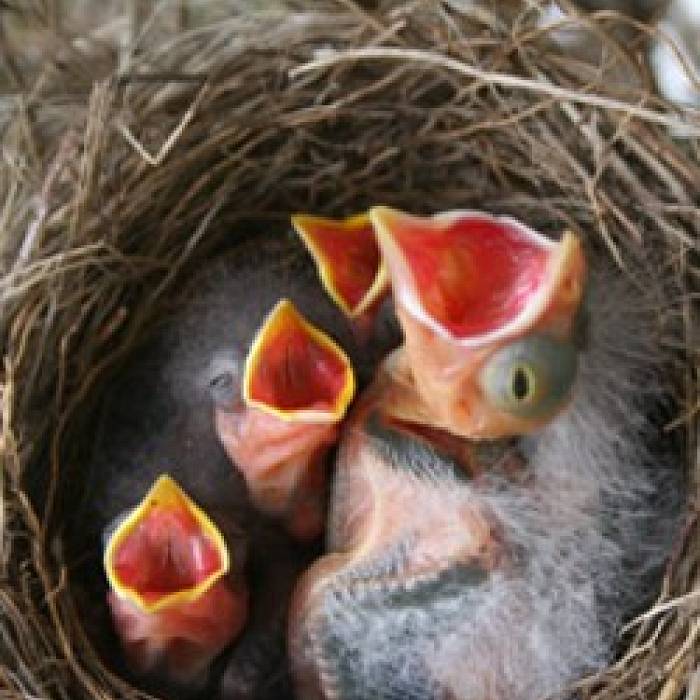
Chicks make loud begging calls. Parents respond by bringing food quickly to the nest.
- Frequent trips to and from the nest with food
- Chicks open their mouths wide to ask for food
- Parents protect the chicks from danger
Credit: www.nscc.ca
Protecting Nesting Birds
Bird nesting season is the time when birds build nests and raise their young. It usually happens in spring and early summer. Protecting birds during this time helps keep bird populations healthy.
Many birds are sensitive to noise and movement near their nests. People can help by learning how to avoid disturbing nesting birds and creating safe places for them to nest.
Avoiding Disturbance
Do not go near nests or bird families during nesting season. Loud noises and sudden movements can scare birds. This can cause them to leave their nests, which may harm their eggs or chicks.
Keep pets, especially cats and dogs, away from nesting areas. Stay on marked paths when hiking to avoid stepping on nests. Watch birds quietly from a distance to protect their space.
Safe Nesting Sites
Birds need safe places to build nests. Plant native trees and shrubs in your yard. These provide shelter and food for birds. Avoid cutting down trees or trimming bushes during nesting season.
- Keep bird feeders filled to support parents
- Install birdhouses suitable for local species
- Leave dead trees if they do not cause danger
- Remove invasive plants that harm native habitats
Legal Protections
Many laws protect nesting birds and their habitats. These laws make it illegal to harm birds or destroy nests. Follow local rules about cutting trees and land use during nesting season.
Report any illegal activity that threatens birds to wildlife authorities. Learning about these laws helps communities keep birds safe. Respecting these rules supports bird conservation efforts.
Tips For Birdwatchers
Bird nesting season is a special time to watch birds closely. Knowing when to observe helps you see more activity. It also protects the birds and their young.
Follow simple tips to enjoy birdwatching safely. Respect nature and use your tools well for the best experience.
Best Observation Times
Bird nesting season usually starts in spring and lasts through summer. Early morning is the best time to watch birds. They are more active and easier to spot.
- Visit at dawn or early morning hours
- Watch on clear days with little wind
- Spend time quietly near nests without disturbing them
Ethical Birdwatching
Always keep a safe distance from bird nests. Do not touch eggs or chicks. Avoid loud noises that scare birds away. Your actions should not harm or stress them.
- Use binoculars to observe nests from afar
- Stay on marked trails to protect habitats
- Do not feed wild birds during nesting
- Leave no trash behind
Using Binoculars And Cameras
Choose binoculars with good zoom and clear lenses. Cameras help record your sightings but avoid flash. Use a tripod or steady your hands to get clear shots.
| Equipment | Tip |
| Binoculars | Use 8x or 10x zoom for clear views |
| Camera | Turn off flash to avoid disturbing birds |
| Tripod | Stabilize your camera for sharp pictures |
Supporting Nesting Birds
Bird nesting season is the time when birds build nests and raise their young. It usually happens in spring and early summer. Supporting birds during this time helps them survive and thrive.
Simple actions like providing food, water, and shelter can make a big difference. Everyone can help create a safe space for nesting birds in their own yards.
Providing Food And Water
Birds need extra food and clean water while nesting. Offer seeds, fruits, and insects to feed them. Fresh water helps birds stay hydrated and care for their chicks.
- Use bird feeders with mixed seeds
- Place shallow water dishes or birdbaths
- Keep water fresh and clean daily
- Plant native fruit-bearing shrubs
- Avoid pesticides that harm insects
Building Birdhouses
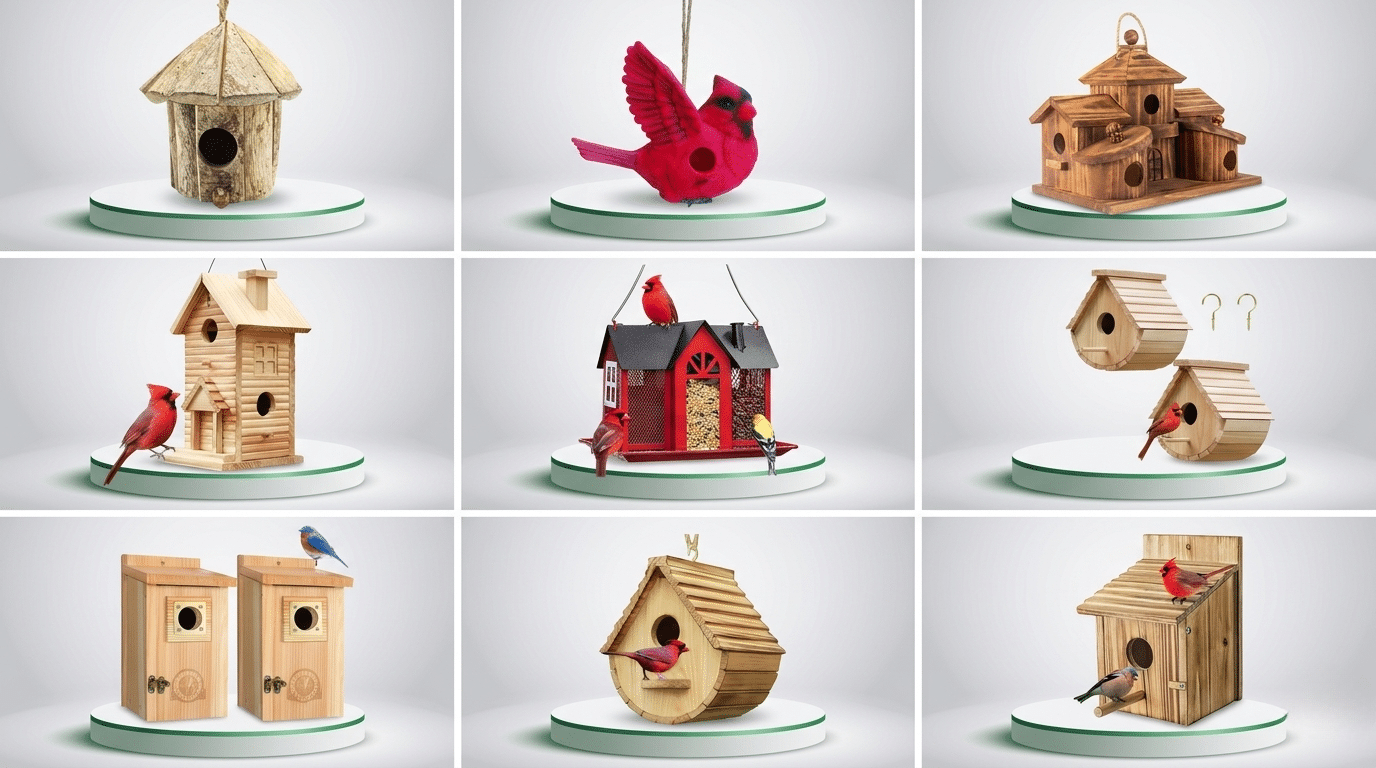
Birdhouses offer safe nesting spots. Different birds prefer different sizes and shapes. Place birdhouses in quiet areas away from predators.
| Bird Species | Preferred Birdhouse Size | Entrance Hole Diameter |
| Chickadee | 5 x 5 x 10 inches | 1 1/8 inches |
| Bluebird | 6 x 6 x 12 inches | 1 1/2 inches |
| Wrens | 4 x 4 x 8 inches | 1 inch |
Creating Bird-friendly Gardens
Gardens with native plants give birds food and cover. Dense shrubs and trees protect nests from predators and weather. Avoid using chemicals that can harm birds.
To make your garden bird-friendly, consider these tips:
- Plant native trees and bushes
- Provide layers of plants for shelter
- Leave some leaf litter and dead wood
- Avoid trimming during nesting season
- Keep cats indoors to protect birds
Credit: northhouse.org
Frequently Asked Questions
When Does Bird Nesting Season Usually Start?
Bird nesting season typically begins in early spring. This is when temperatures rise and food becomes abundant. Timing varies by region and bird species but generally spans from March to June in many areas.
How Long Does Bird Nesting Season Last?
Bird nesting season usually lasts about three to four months. It depends on the species and local climate. Most birds finish nesting by late summer, preparing for migration or raising their young.
Why Is Bird Nesting Season Important?
Bird nesting season is crucial for species survival. It ensures successful reproduction and population growth. During this time, birds build nests, lay eggs, and care for their chicks until they can fly.
Can Human Activities Affect Bird Nesting Season?
Yes, human activities like construction and deforestation can disrupt nesting. Noise and habitat loss stress birds and reduce nesting success. Protecting nesting areas helps preserve bird populations and biodiversity.
Conclusion
Bird nesting season marks a beautiful time of renewal in nature. Birds build nests, lay eggs, and nurture their young. Different species nest at different times. Understanding these patterns helps in bird conservation. Protecting habitats ensures birds thrive during this crucial period.
Observing nesting birds can be a joyful experience. It connects us with nature and its wonders. Always respect birds and their space during nesting. Small efforts can make a big difference. Appreciate the beauty and life of bird nesting season.
Engage with nature and enjoy the sights and sounds of these amazing creatures.