When to Put Bird Netting on Fruit Trees 2026 Guide
Are you tired of birds stealing the delicious fruits from your trees just before harvest? You’re not alone.
Knowing exactly when to put bird netting on your fruit trees can make all the difference between a bountiful harvest and a disappointing loss. If you act too early, you might harm the tree’s growth; too late, and the birds have already feasted.
You’ll discover the perfect timing to protect your fruit trees effectively, ensuring you enjoy every juicy bite. Keep reading to find out how to safeguard your harvest without any guesswork.
Why Use Bird Netting
Bird netting helps keep fruit safe from birds. It covers trees and stops birds from eating the fruit.
Using netting means more fruit for you. It also protects the health of your fruit trees.
Protecting Fruit From Birds
Birds can eat many fruits before they ripen. Netting acts as a barrier. It stops birds from reaching the fruit.
- Prevents fruit loss and damage
- Reduces waste from bird pecking
- Helps fruit ripen fully on the tree
- Protects fruit color and quality
Benefits For Tree Health
Bird netting does more than protect fruit. It also helps keep trees healthy. Birds can damage branches and leaves when they try to get fruit.
Netting lowers tree stress. Healthy trees grow better fruit and live longer. Netting also reduces the chance of disease from bird droppings.
Types Of Bird Netting
| Type | Description | Use |
| Knotted Netting | Strong and durable | Long-term use on large trees |
| Knotted-Less Netting | Lightweight and soft | Short-term use on small trees |
| Plastic Mesh | Inexpensive but less durable | Temporary protection |
| Polyethylene Netting | UV-resistant and flexible | All-season use |
Signs Birds Are Targeting Your Trees
Birds can cause serious damage to fruit trees by eating the fruit and harming the branches. Knowing when birds are active helps you protect your trees on time.
Look for clear signs that birds are feeding on your fruit. This guide covers common bird species, damage patterns, and times when birds are most active.
Common Bird Species That Damage Fruit
Several types of birds often feed on fruit trees. Some are more harmful than others. Watch out for these common species:
- Starlings – They peck at ripe fruits and leave holes.
- American Robins – They eat cherries, berries, and soft fruits.
- Blackbirds – These birds strip fruit quickly in large flocks.
- Cedar Waxwings – They prefer berries and small fruits.
- Mockingbirds – Known to pick at grapes and plums.
Damage Patterns To Watch For
Bird damage shows in specific ways on fruit trees. Spot these signs early to protect your harvest:
| Damage Type | Description |
| Pecked Fruit | Small holes or torn skin on the fruit surface |
| Partially Eaten Fruit | Fruit with chunks missing, often hanging on the tree |
| Fruit Drop | Ripe fruit falling prematurely due to bird pecking |
| Feather or Droppings | Bird feathers or droppings near the fruit clusters |
| Branch Damage | Broken or scratched branches from bird activity |
Timing Of Bird Activity
Birds are most active around fruit trees during certain times. Knowing this helps decide when to use bird netting.
- Early Morning – Birds search for food just after sunrise.
- Late Afternoon – Birds feed before settling down for the night.
- Fruit Ripening Season – Birds target trees when fruits are soft and sweet.
- Migration Periods – Some birds increase feeding during migration.
Best Time To Install Bird Netting
Bird netting protects fruit trees from birds that eat the fruit. Installing netting at the right time helps keep fruit safe.
Choosing the best time to put up netting depends on the tree’s growth and local bird habits. Timing is key for good results.
Before Fruit Ripening
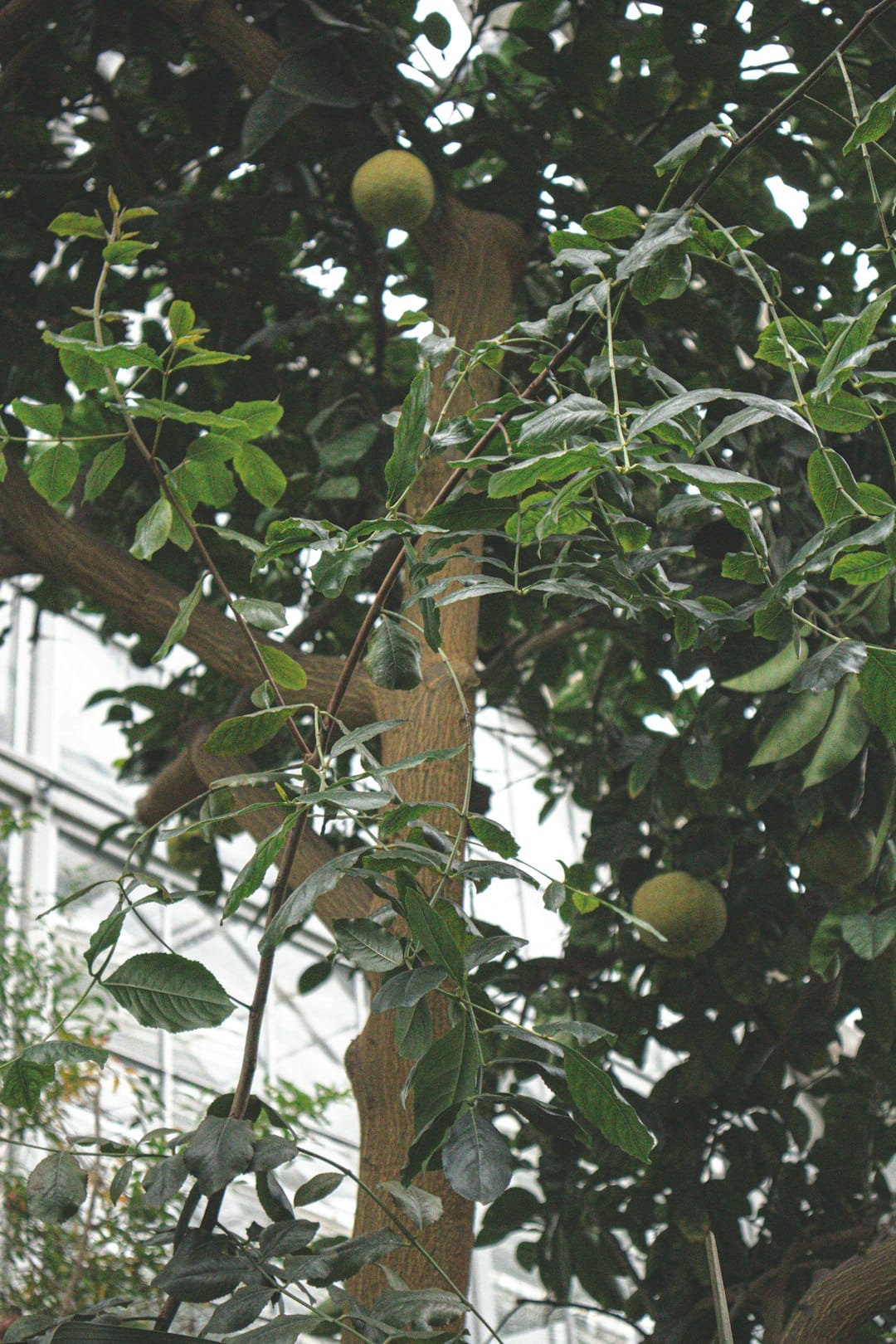
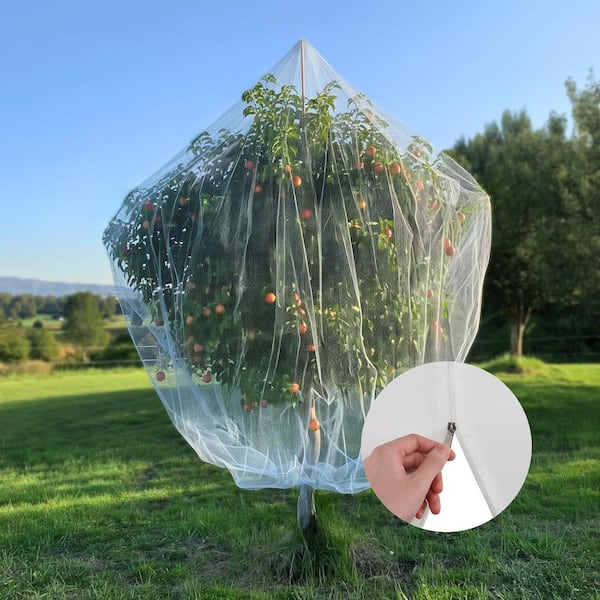
Put bird netting on before the fruit starts to ripen. Birds are most interested in fruit when it is ripe and colorful.
Installing netting early stops birds from getting used to feeding on your fruit. It also protects the fruit as it changes color.
During Early Growth Stages
Netting can also go on during early fruit growth. At this stage, fruit is small but vulnerable to birds.
Covering trees early helps prevent bird damage before fruit becomes attractive. It also keeps fruit safe as it grows larger.
- Protect young fruit from pecking
- Prevent early bird feeding habits
- Reduce fruit loss before ripening
Considering Local Bird Behavior
Understand when local birds are most active around your trees. Some birds visit early in the season, others later.
Watch bird patterns to choose the best time to install netting. This helps you protect your fruit without wasting effort.
- Observe bird feeding times in your area
- Note which birds eat your fruit
- Adjust netting timing based on bird activity
Credit: www.homedepot.com
How To Install Bird Netting Effectively
Protecting fruit trees with bird netting keeps birds from eating your fruit. Proper installation helps the netting last longer and avoid damage to the tree.
Follow clear steps to prepare the tree, secure the netting, and protect the branches. This guide shows how to do it well.
Preparing The Tree
Check the tree before putting on netting. Remove any dead branches or twigs. Clear space around the tree so the netting can cover it fully without gaps.
- Trim dead or weak branches
- Clear weeds or plants near the trunk
- Make sure the tree is dry to avoid mold
- Measure the height and width of the tree
Securing The Netting
Place the netting over the tree carefully. Use ties or clips to hold the netting in place. Make sure the netting reaches the ground or the root area to keep birds out.
| Material | Purpose | Tip |
| Plastic clips | Hold netting to branches | Use soft clips to avoid damage |
| Twine or rope | Secure netting at base | Tie firmly but not too tight |
| Stakes | Keep netting off the ground | Place evenly around tree |
Avoiding Damage To Branches
Do not pull the netting too tight. Let the branches move freely under the netting. Use soft ties or padding where netting touches branches to stop rubbing and breaking.
Tips to avoid damage:
- Leave some slack in the netting
- Use foam or cloth padding on sharp branch points
- Check netting regularly for wear and tear
- Adjust netting as tree grows
Maintaining Bird Netting Throughout The Season
Bird netting protects fruit trees from birds that eat the fruit. To keep it effective, you must maintain it well. This means checking the netting often and fixing any damage.
Good care of bird netting helps your fruit grow safe and healthy. Here are important tips for keeping your netting in good shape all season.
Regular Inspections
Look at the bird netting at least once a week. Check for holes, loose edges, or places where birds can get in. Also, watch for weather damage like wind tears or rain wear.
- Check netting after strong winds or storms
- Look under the netting for trapped leaves or debris
- Make sure the netting stays tight over branches
- Look for signs of birds getting inside the net
Repairing Tears And Holes
Fix small holes and tears as soon as you find them. This stops birds from entering and damaging fruit. Use strong thread or zip ties to patch holes.
| Damage Type | Repair Method |
| Small holes (under 2 inches) | Sew with strong nylon thread |
| Medium tears (2 to 6 inches) | Patch with extra netting and zip ties |
| Large tears (over 6 inches) | Replace netting section |
| Loose edges | Secure with garden staples or ties |
When To Remove Netting
Take off the bird netting after the fruit harvest is done. Leaving netting on too long can harm tree growth and trap animals. Remove netting before new flower buds form in spring.
- Remove netting once all ripe fruit is picked
- Store netting in a dry, cool place to reuse next year
- Clean netting to remove dirt and debris before storage
- Inspect netting again before next use for damage
Alternative Bird Deterrent Methods
Birds can damage fruit trees by eating the fruit before harvest. Using bird netting is common, but other ways can help keep birds away.
These alternative methods can reduce bird problems without covering your trees all the time.
Visual Deterrents
Visual deterrents scare birds by creating movement or bright reflections. These tricks make birds feel unsafe near your trees.
- Hanging shiny tapes or aluminum foil strips
- Placing fake owls or hawk decoys
- Using reflective bird scare balls or CDs
- Moving pinwheels or flags in the wind
Change the position of these items often. Birds get used to static objects and ignore them after a while.
Sound Devices
Sound devices create noises that birds dislike. These sounds can keep birds away from your fruit trees.
- Ultrasonic bird repellers that emit high-frequency sounds
- Recorded predator calls played near trees
- Wind chimes that produce random sounds
- Noise makers that create sudden loud sounds
Use sounds carefully to avoid bothering neighbors or pets. Rotate sounds or devices to keep birds alert.
Natural Predators
Encouraging natural predators can control bird populations around fruit trees. Predators scare birds away without harming them.
- Attracting birds of prey like hawks and owls
- Providing perches for predatory birds to watch over your trees
- Creating habitats for predatory insects
- Keeping cats nearby to deter small birds
Natural predators balance the bird population and protect your fruit trees over time.
Common Mistakes To Avoid
Using bird netting on fruit trees helps protect your harvest. Avoid mistakes that reduce its effectiveness.
These common errors can let birds get through or harm your trees.
Installing Netting Too Late
Putting netting on after birds start eating fruit is too late. Birds learn where food is fast.
Install netting early in the season before fruit ripens. This stops birds from getting used to the trees.
Improper Netting Size
Using netting that is too small will not cover the whole tree. Birds can find open spots to enter.
Too large netting can sag and trap birds or damage branches. Choose netting size that fits the tree well.
- Measure tree height and width before buying netting
- Allow extra length to secure the net at the ground
- Avoid loose netting that can catch birds or animals
Neglecting Maintenance
Netting can tear or come loose over time. Ignoring repairs lets birds enter and eat fruit.
Check netting regularly for holes and weak spots. Fix or replace damaged netting quickly.
- Inspect netting after storms or strong winds
- Remove debris caught in netting to prevent damage
- Tighten netting ties or anchors as needed

Credit: fairfaxgardening.org

Credit: www.amazon.com
Frequently Asked Questions
When Is The Best Time To Put Bird Netting On Fruit Trees?
The best time to install bird netting is when fruit begins to ripen. This timing protects the fruit from birds while allowing growth. Early netting ensures maximum fruit safety and reduces damage before harvesting starts.
How Long Should Bird Netting Stay On Fruit Trees?
Keep bird netting on fruit trees until after harvest. Removing netting too early exposes fruit to birds. Leaving it on too long can affect tree health by limiting sunlight and air circulation.
Can Bird Netting Harm Fruit Trees Or Wildlife?
Properly installed bird netting does not harm trees or wildlife. Avoid tight netting to prevent trapping birds. Use bird-safe materials and check regularly to ensure no animals are caught or injured.
What Type Of Bird Netting Is Best For Fruit Trees?
Choose lightweight, durable, UV-resistant netting with small mesh size. This type keeps birds out while allowing air and sunlight through. Quality netting lasts multiple seasons and protects fruit effectively.
Conclusion
Choosing the right time for bird netting is crucial. Protect your fruit trees early. Begin just before fruits start ripening. Birds love ripe fruits. Timing is everything to save your harvest. Check trees regularly for fruit development. Early action can prevent loss.
Remember, each tree may vary. Observe your trees closely. Every garden has its unique needs. Bird netting ensures a healthy, fruitful garden. It keeps pesky birds away. A simple step for a bountiful yield. Enjoy fresh, untouched fruits from your garden.
Your efforts will surely pay off.