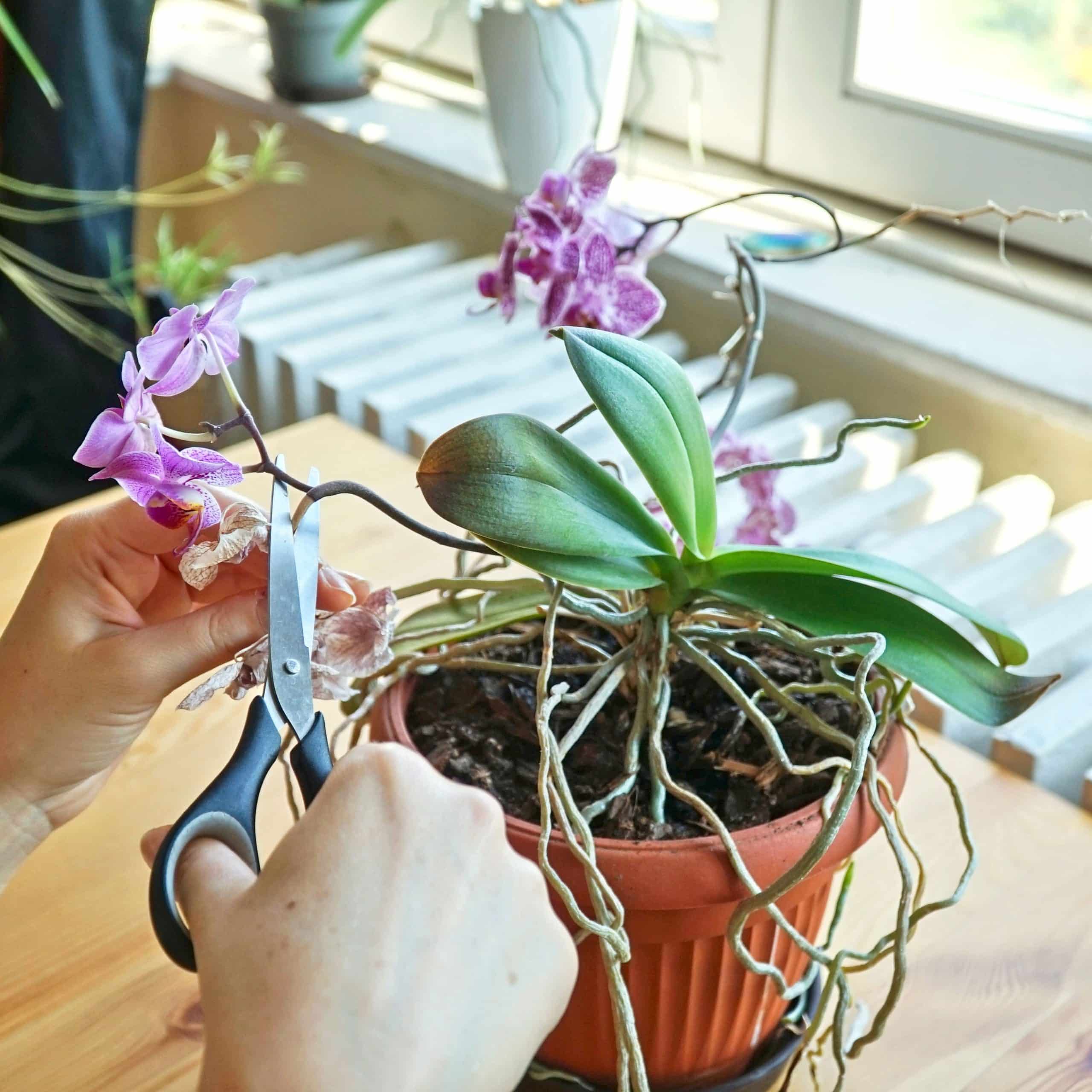
Are you wondering when to trim your Desert Bird of Paradise to keep it healthy and looking its best? Knowing the right time to prune can make all the difference in how your plant grows and blooms.
If you trim too early or too late, you might stunt its growth or miss out on those stunning flowers. You’ll discover exactly when and how to trim your Desert Bird of Paradise so it stays vibrant year-round. Keep reading to unlock the secrets to a thriving, beautiful plant that will impress everyone who sees it.
Credit: nativegardeners.com
Desert Bird Of Paradise Basics
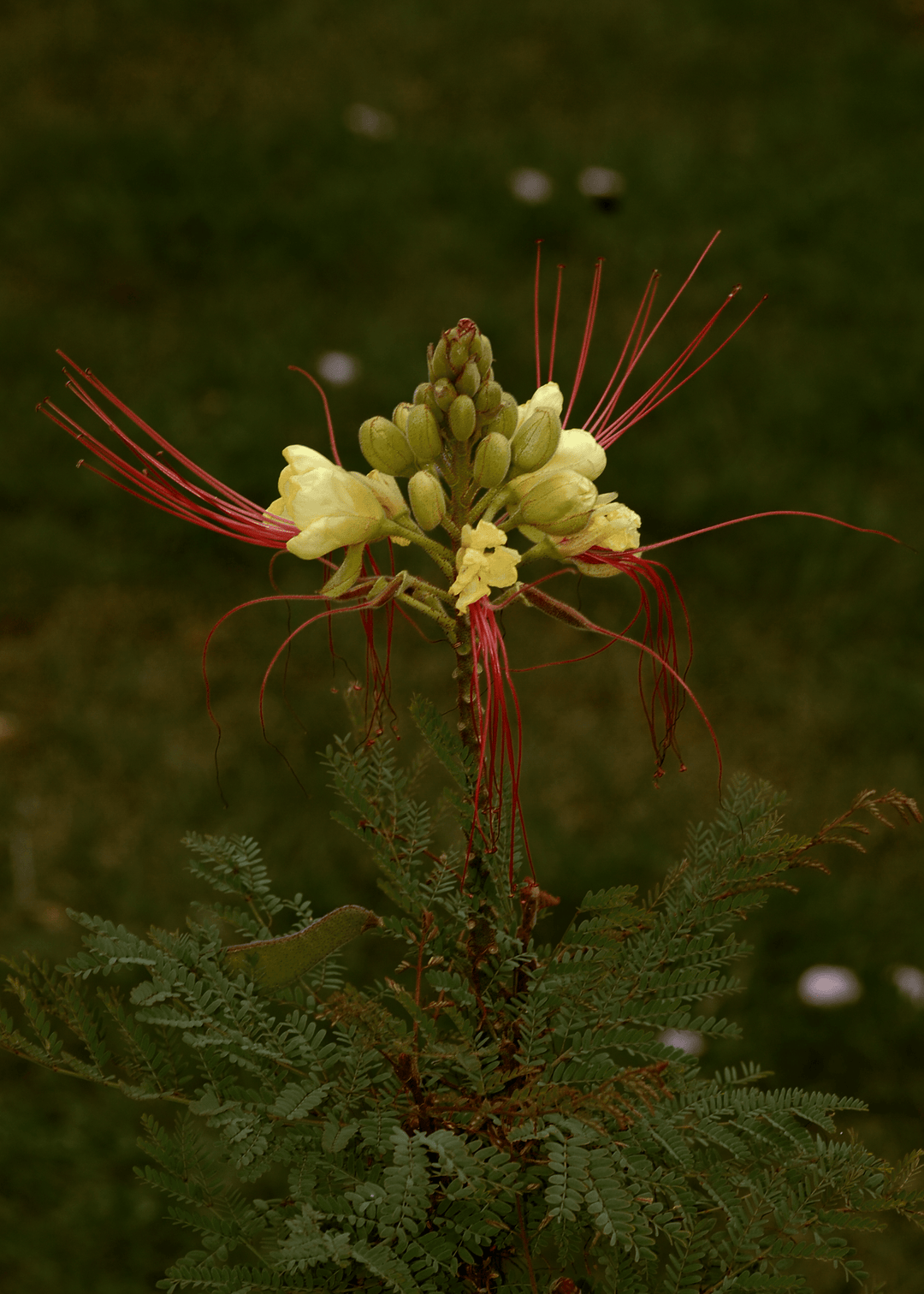
The Desert Bird of Paradise is a beautiful desert plant. It is well known for its colorful flowers and unique shape.
Knowing when to trim this plant helps it stay healthy and grow well. Proper trimming also keeps the plant looking neat.
Plant Characteristics
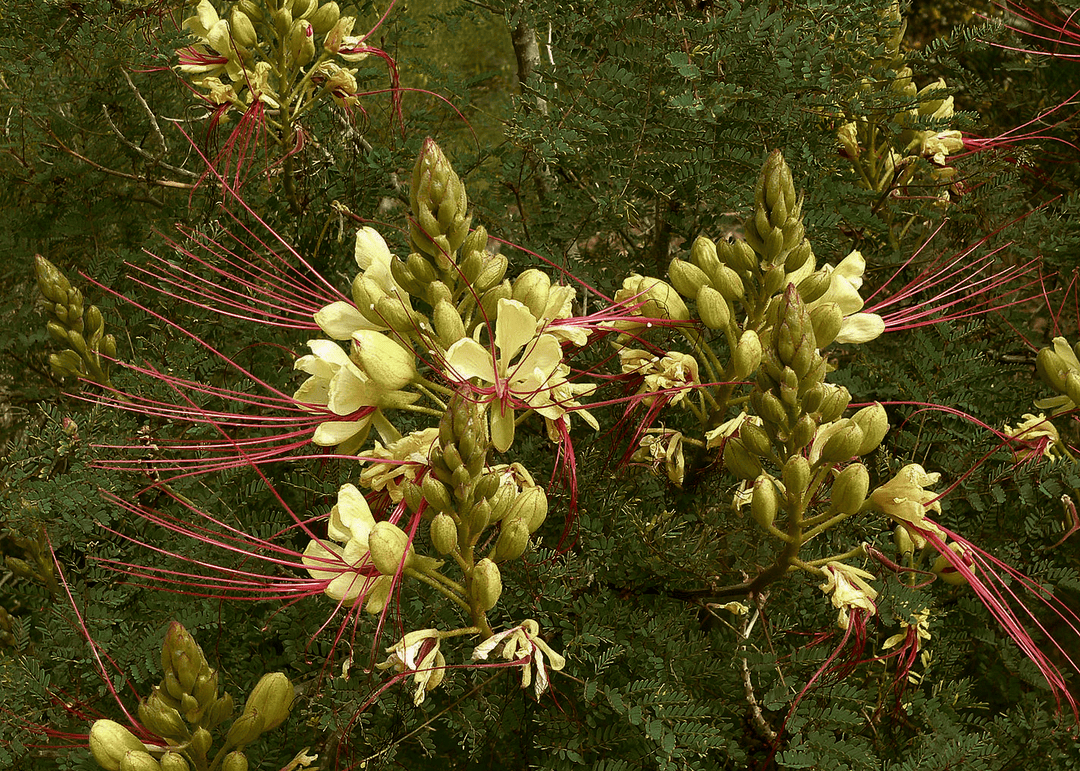
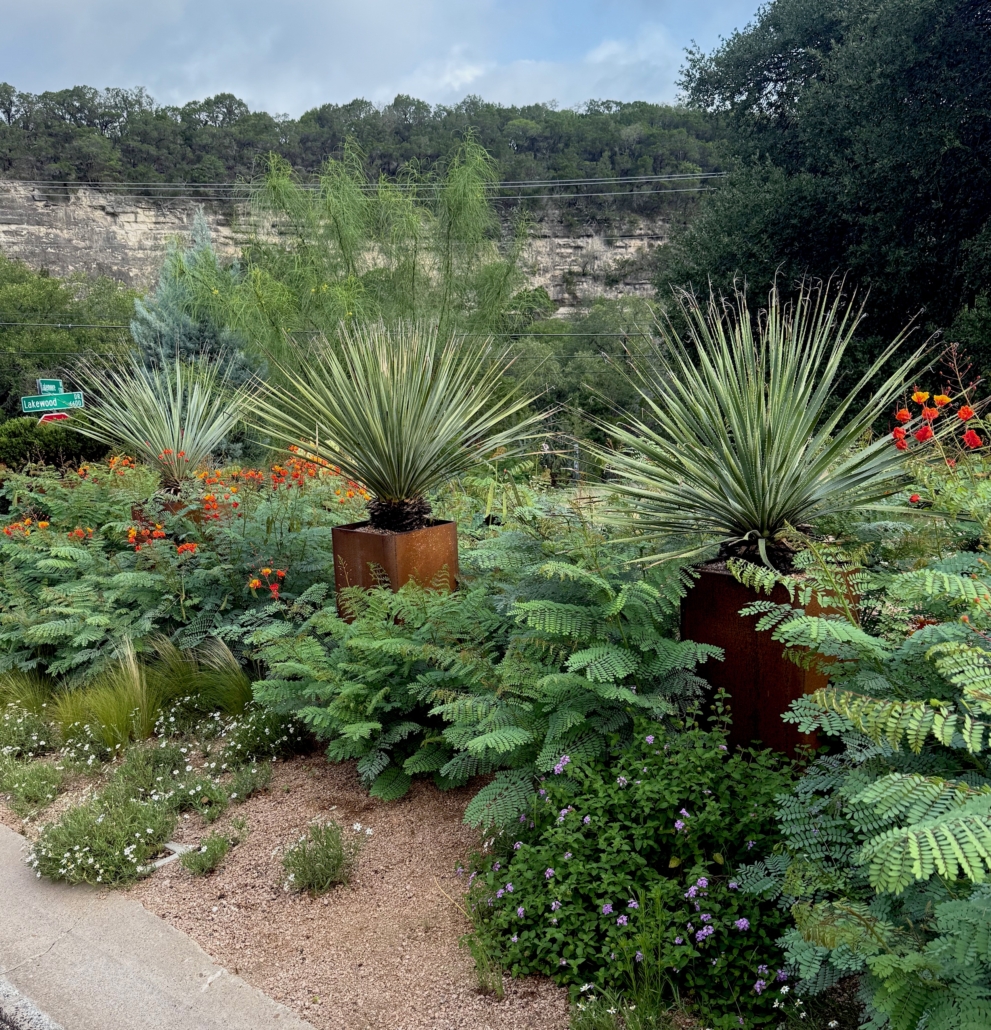
This plant has long, thin leaves that look like feathers. Its flowers are bright orange and yellow, shaped like a bird in flight.
The Desert Bird of Paradise grows in dry, hot climates. It can survive with little water and prefers full sun.
- Leaf shape: slender and feather-like
- Flower colors: orange and yellow
- Sunlight needs: full sun
- Water needs: low
Growth Cycle
The plant grows fastest in spring and summer. It produces flowers during these warmer months.
In fall and winter, the growth slows down. The plant may lose some leaves but will stay alive with proper care.
- Spring-Summer: active growth and flowering
- Fall-Winter: slower growth, some leaf loss
Signs It Needs Trimming
Knowing when to trim your Desert Bird of Paradise helps keep it healthy. Signs on the plant show when trimming is needed.
Look for changes in leaves and branches. These signs tell you the plant needs care soon.
Yellowing Leaves
Leaves turning yellow can mean the plant needs trimming. It may be due to old leaves dying off or stress.
- Yellow leaves at the base signal old growth
- Leaves with yellow edges may show nutrient issues
- Yellowing leaves reduce the plant’s look and health
Overgrown Branches
Branches grow long and wide without trimming. This can make the plant look untidy and crowded.
Check for these overgrown signs:
- Branches blocking sunlight to inner leaves
- Branches crossing or growing in odd directions
- Plant shape becoming unbalanced
Dead Or Damaged Parts
Dead or damaged parts harm the plant and invite pests. Remove these parts quickly to keep the plant strong.
| Type of Damage | What to Look For | Why Trim |
| Dead Leaves | Brown, dry, and brittle leaves | Prevents disease and cleans the plant |
| Broken Branches | Snapped or cracked branches | Stops rot and helps new growth |
| Diseased Parts | Spots, mold, or unusual color | Stops spread of disease |
Best Time To Trim
Trimming your Desert Bird of Paradise at the right time keeps it healthy and beautiful. Proper timing helps the plant grow strong and bloom well.
This guide explains when to trim your plant for the best results. Follow these tips to keep your garden looking great.
Seasonal Timing
Trim your Desert Bird of Paradise during the cooler months. Avoid cutting the plant in extreme heat or cold. Late winter to early spring is ideal for most areas.
- Trim in late winter before new growth starts
- Avoid trimming in summer to prevent stress
- Light pruning can be done in fall if needed
After Blooming Period
After the Desert Bird of Paradise finishes blooming, it is the best time to trim. This helps remove old flowers and encourages new growth.
| Action | Reason |
| Cut spent flowers | Prevents disease and keeps plant tidy |
| Remove dead or damaged leaves | Improves air circulation |
| Shape the plant | Maintains size and appearance |
Tools For Trimming
Trimming a Desert Bird of Paradise helps keep it healthy and neat. Using the right tools makes the job easier and safer.
Good tools also protect the plant from damage during trimming. Learn what tools you need before starting.
Essential Equipment
Sharp tools cut cleanly and prevent disease in your plant. Use tools designed for outdoor gardening.
- Pruning shears – for small branches and leaves
- Loppers – for thicker stems and branches
- Gloves – protect your hands from sharp edges
- Disinfectant – clean tools before and after use
- Safety goggles – protect eyes from debris
Safety Tips
Trimming can be risky without safety steps. Protect yourself to avoid injuries.
Keep tools sharp and clean to reduce accidents. Always wear gloves and goggles.
- Wear thick gloves to avoid cuts
- Use safety goggles to protect eyes
- Cut away from your body
- Clean tools with disinfectant to stop infections
- Work in a well-lit area for better visibility
Step-by-step Trimming Guide
Trimming your Desert Bird of Paradise helps keep it healthy and attractive. Proper pruning encourages new growth and prevents damage.
This guide walks you through the main steps to trim your plant carefully and safely.
Preparing The Plant
Start by choosing a dry, mild day for trimming. Avoid trimming in extreme heat or cold. Wear gloves to protect your hands from sharp edges.
- Clear the area around the plant to have enough space.
- Gather sharp pruning shears or garden scissors.
- Remove any dead or damaged leaves first.
- Check for pests or diseases before cutting.
Making The Cuts
Cut back old stems and leaves to improve airflow. Trim stems close to the base but avoid cutting into the main stalk.
- Identify stems that are brown or broken.
- Cut these stems at a 45-degree angle.
- Remove crowded stems to open up the plant.
- Trim any seed pods or spent flowers.
Post-trimming Care
After trimming, water the plant well to reduce stress. Keep it in partial shade for a few days.
| Care Task | Details |
| Watering | Deep water immediately after trimming |
| Sunlight | Keep in partial shade for 3-5 days |
| Fertilizing | Apply balanced fertilizer after 1 week |
| Monitor | Check for pests or diseases regularly |
Credit: nativegardeners.com
Common Mistakes To Avoid
Trimming your Desert Bird of Paradise helps keep it healthy and looking good. It is important to trim it correctly. Avoid mistakes that can harm the plant or slow its growth.
This guide explains common errors people make when trimming this plant. Learn how to avoid over-trimming, trimming at the wrong time, and ignoring the plant’s health.
Over-trimming
Cutting too much of the plant at once can weaken it. The Desert Bird of Paradise needs its leaves to make food. Removing too many leaves stops this process.
Over-trimming can cause slow growth and fewer flowers. Only remove dead or damaged parts. Keep most of the healthy leaves intact to help the plant thrive.
Wrong Timing
Trimming at the wrong time can harm your Desert Bird of Paradise. Avoid pruning during cold or very hot weather. The plant is more sensitive during these times.
The best time to trim is in early spring or late summer. This timing helps the plant heal faster and grow new leaves and flowers properly.
Ignoring Plant Health
Do not trim without checking the plant’s health first. If the plant is weak or sick, trimming can stress it more. Always look for signs of disease or pests before pruning.
Water and feed the plant well before trimming. A healthy plant recovers faster and grows better after pruning.
Benefits Of Proper Trimming
Trimming the Desert Bird of Paradise helps keep the plant healthy and beautiful. Proper trimming encourages new growth and stops problems early.
Knowing when and how to trim this plant ensures it grows strong and looks its best all year.
Enhanced Growth
Trimming removes old and dead parts. This lets the plant use its energy to grow new leaves and flowers. Proper trimming also improves air flow around the plant.
- Cut away dry or damaged leaves.
- Trim back overgrown branches.
- Remove old flower stalks to boost new blooms.
Improved Appearance
Regular trimming keeps the plant neat and attractive. It helps the Bird of Paradise show its bright flowers and healthy leaves. A trimmed plant fits well in any garden or yard.
| Before Trimming | After Trimming |
| Overgrown branches | Clean and shaped |
| Dead leaves visible | Fresh green leaves |
| Few flowers | More vibrant blooms |
Disease Prevention
Trimming stops diseases from spreading. Removing weak or sick parts keeps bugs and fungus away. It also helps the plant heal faster.
Signs to trim for disease prevention:
- Yellow or spotted leaves
- Soft or rotting stems
- Unusual spots on flowers
Credit: www.azplantlady.com
Frequently Asked Questions
When Is The Best Time To Trim Desert Bird Of Paradise?
The best time to trim Desert Bird of Paradise is late winter or early spring. This timing encourages healthy growth and vibrant blooms during the growing season. Avoid trimming in late summer or fall to prevent damage before winter dormancy.
How Often Should I Prune My Desert Bird Of Paradise?
Prune your Desert Bird of Paradise once or twice a year. Regular pruning removes dead leaves and promotes bushier growth. Light trimming after flowering helps maintain shape and encourages new blooms.
Can Trimming Desert Bird Of Paradise Improve Flowering?
Yes, trimming helps improve flowering by removing old, dead stems. This stimulates new growth and more vibrant blossoms. Regular pruning also prevents the plant from becoming leggy or overgrown.
What Tools Are Best For Trimming This Plant?
Use sharp, clean pruning shears or garden scissors to trim Desert Bird of Paradise. Clean cuts reduce plant stress and prevent disease. Sterilize tools before and after use for the best results.
Conclusion
Trimming your Desert Bird of Paradise ensures healthy and vibrant growth. Prune in late winter for best results. This timing encourages new blooms in spring. Always use clean, sharp tools to avoid damage. Remove dead or damaged branches first. Keep your plant tidy and well-shaped.
Consistent care leads to a stunning garden display. Remember, patience and regular maintenance are key. Enjoy the beauty and charm this plant brings. Happy gardening!