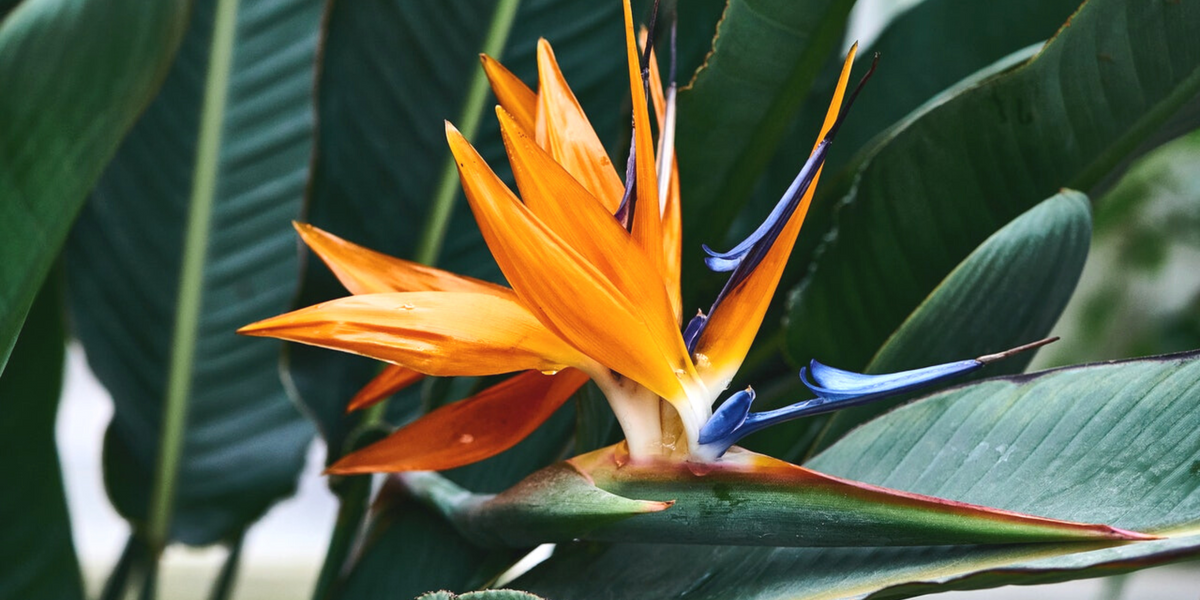
Have you ever wondered where Bird of Paradise flowers grow? These stunning blooms, with their bright colors and unique shape, catch the eye like no other flower.
If you want to know the best places to find them and how they thrive, you’re in the right place. Understanding where these flowers grow will help you decide if you can grow them yourself or simply enjoy their beauty in nature.
Keep reading to discover the secrets behind the perfect home for Bird of Paradise flowers.
Native Habitat
Bird of Paradise flowers are known for their bright colors and unique shape. They grow naturally in certain parts of the world. Understanding their native habitat helps in growing them well.
These flowers are mostly found in warm places where the climate suits their needs. Their natural environment gives clues about how to care for them.
Origins In South Africa
Bird of Paradise plants come from South Africa. They grow wild in coastal areas and riverbanks. The region has rich soil and plenty of sunlight.
These flowers are part of the Strelitzia genus. They have adapted to the South African climate over many years.
Climate Preferences
Bird of Paradise flowers like warm temperatures. They grow best where it is not too cold. Frost can harm these plants badly.
They need full sun or partial shade to bloom well. These plants also prefer well-drained soil. Too much water can cause root problems.
- Temperature: 50°F to 72°F (10°C to 22°C)
- Sunlight: Full sun or light shade
- Soil: Well-drained, rich in organic matter
- Water: Moderate, avoid waterlogging
Ideal Growing Conditions
Bird of Paradise flowers grow best in warm and sunny places. They need specific conditions to bloom well.
Understanding these conditions helps you grow healthy plants with bright flowers.
Temperature Range
Bird of Paradise plants prefer temperatures between 65°F and 70°F (18°C to 21°C). They can survive warmer temperatures but do not like cold.
Temperatures below 50°F (10°C) can harm the plant. Keep them indoors or in a greenhouse if it gets too cold.
Sunlight Requirements
These flowers need full sun to grow well. At least 4 to 6 hours of direct sunlight helps them bloom.
In very hot climates, some afternoon shade protects the plant from sunburn.
- Full sun: 4 to 6 hours daily
- Partial shade in hot areas
- Avoid deep shade
Soil Types
Bird of Paradise plants grow best in well-draining soil. They like soil that holds moisture but does not stay soggy.
Loamy soil mixed with sand or perlite works well. Good drainage stops root rot and helps roots breathe.
- Well-draining soil
- Loamy or sandy soil mix
- Avoid heavy clay soil
Global Cultivation
Bird of Paradise flowers are known for their bright colors and unique shape. They grow in different parts of the world. Their cultivation depends on climate and care.
This plant is popular in many regions because it adds beauty and interest to gardens. Understanding where they grow best helps gardeners succeed.
Growing In Tropical Regions
Tropical regions provide the warm, humid climate that Bird of Paradise flowers need. They thrive in places where temperatures rarely drop below 50°F (10°C). These areas have plenty of sunshine and rainfall.
- Found in countries like Brazil, Costa Rica, and parts of Southeast Asia
- Grow outdoors year-round without protection
- Require well-drained soil and moderate watering
- Benefit from partial shade in very hot climates
Adaptation To Subtropical Zones
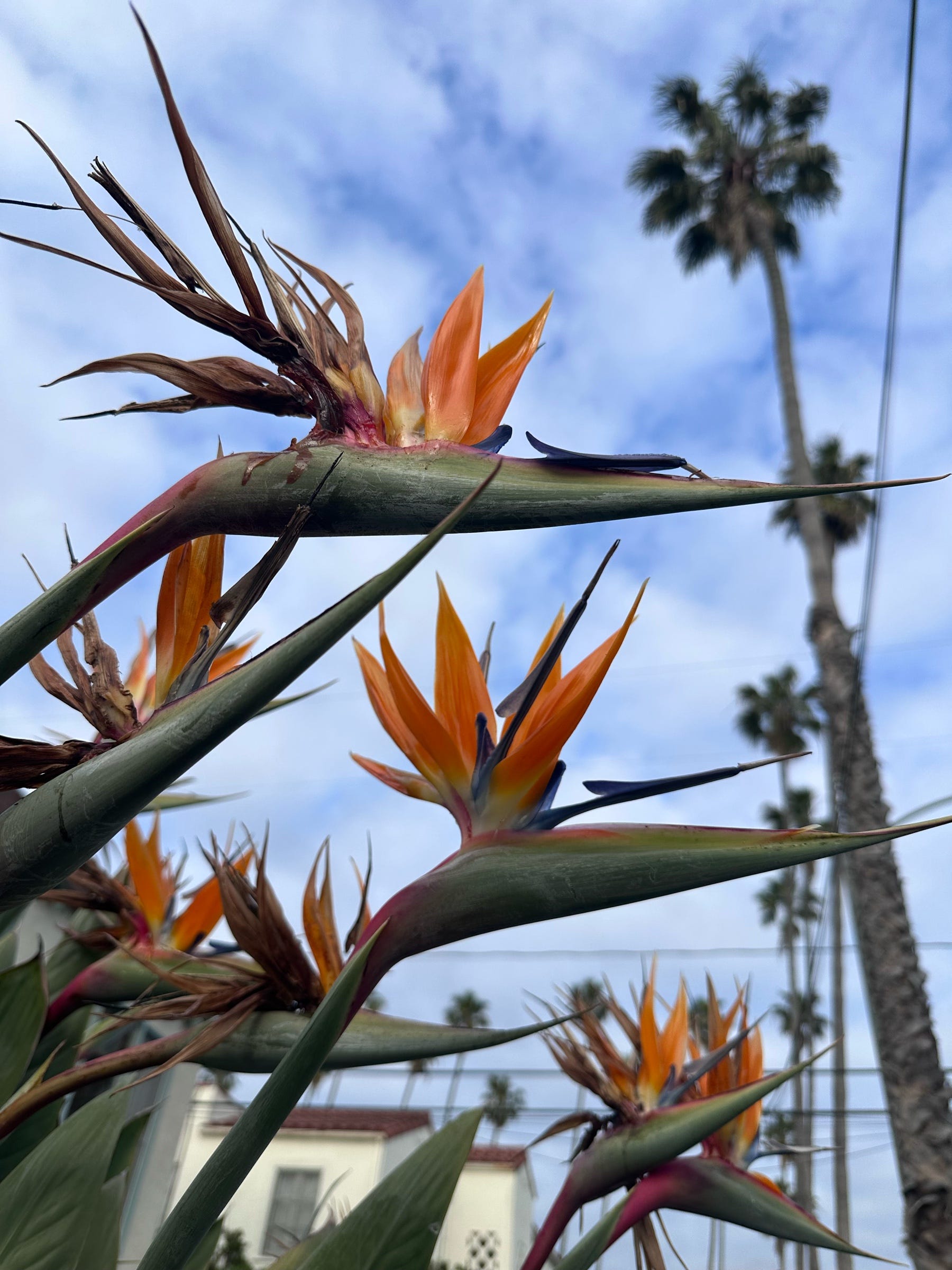
Bird of Paradise plants can live in subtropical zones with some care. These zones have mild winters and hot summers. Frost can harm the plants, so protection may be needed in winter.
| Climate Feature | Effect on Plant |
| Winter temperatures near freezing | Require frost protection |
| Summer heat | Encourages blooming |
| Moderate rainfall | Needs watering during dry spells |
| Good sunlight | Supports healthy growth |
Indoor Growth Possibilities
Bird of Paradise can grow indoors in cooler climates. Indoor growth lets people enjoy the flower’s beauty year-round. These plants need bright light and enough space to grow tall.
Tips for indoor care:
- Place near a sunny window
- Use a large pot with good drainage
- Water when the top soil feels dry
- Keep humidity moderate
- Fertilize monthly during growing season
Credit: orchidrepublic.com
Planting And Care Tips
Bird of Paradise flowers are tropical plants that bring beauty to gardens. They need the right care to grow well.
Understanding where to plant and how to care for them helps the plants thrive and bloom beautifully.
Choosing The Right Location
Bird of Paradise plants grow best in warm places with plenty of sunlight. They like a spot that gets full sun or partial shade.
Make sure the location has well-drained soil. Avoid places where water stays for a long time after rain.
- Choose a sunny or partly shaded spot
- Ensure soil drains well
- Avoid areas with strong wind
- Keep them away from frost-prone spots
Watering Practices
Water Bird of Paradise plants regularly to keep the soil moist but not wet. Too much water can cause root rot.
Water less often in winter. Check the soil before watering to avoid overwatering.
- Water deeply once or twice a week in summer
- Reduce watering in cooler months
- Let the top soil dry before watering again
- Use mulch to keep soil moist
Fertilizing Schedule
Feed the Bird of Paradise with a balanced fertilizer during the growing season. This helps the plant make strong leaves and bright flowers.
Apply fertilizer every two to three months. Avoid over-fertilizing, which can harm the plant.
- Use a balanced 10-10-10 fertilizer
- Fertilize every 8 to 12 weeks in spring and summer
- Stop fertilizing in fall and winter
- Follow package instructions for best results
Common Challenges
Bird of Paradise flowers grow in warm climates but face several challenges. Growing them successfully means managing pests, cold, and soil issues. These problems can affect their health and blooms.
Understanding common threats helps gardeners keep these plants healthy. This guide covers three main challenges and how to handle them.
Pests And Diseases
Bird of Paradise plants can attract pests like spider mites and scale insects. These pests suck sap and weaken the plant. Diseases such as leaf spot and fungal infections also occur.
- Spider mites cause yellow spots on leaves.
- Scale insects create small bumps and sticky residue.
- Leaf spot disease shows as dark spots on leaves.
- Fungal infections thrive in wet, humid conditions.
Regular inspection and early treatment with insecticidal soap or fungicides help control these problems.
Dealing With Cold Weather
Bird of Paradise plants do not tolerate frost or cold temperatures well. Cold weather can cause leaf damage and stunt growth. Protecting plants during cold snaps is important.
- Move potted plants indoors or to a sheltered place.
- Cover outdoor plants with frost cloth or blankets.
- Use mulch around the base to keep roots warm.
- Water plants before a cold night to prevent frost damage.
Taking these steps can reduce cold stress and keep your Bird of Paradise healthy.
Preventing Root Rot
Root rot is a serious problem caused by overwatering and poor drainage. It leads to soft, brown roots and plant decline. Preventing root rot means careful watering and soil care.
| Cause | Effect | Prevention |
|---|---|---|
| Overwatering | Roots stay wet and start to rot | Water only when topsoil is dry |
| Poor Drainage | Water pools around roots | Use well-draining soil and pots with holes |
| Compacted Soil | Limits oxygen to roots | Loosen soil regularly and add organic matter |
Check soil moisture and ensure good drainage to keep roots healthy and prevent rot.
Credit: medium.com
Propagation Methods
Bird of Paradise flowers can grow in many ways. Knowing how to propagate them helps you grow healthy plants.
This guide explains three main methods to grow Bird of Paradise plants: from seeds, division, and cuttings.
Growing From Seeds
Growing Bird of Paradise from seeds takes time but is rewarding. Seeds need soaking before planting to soften their hard shell.
- Soak seeds in warm water for 24 to 48 hours.
- Plant seeds in well-draining soil about 1 inch deep.
- Keep the soil moist and warm, around 70-75°F (21-24°C).
- Germination can take 1 to 3 months.
Division Techniques
Division is a quick way to grow new plants from mature Bird of Paradise clumps. This method keeps the new plant healthy and strong.
| Step | Action |
| 1 | Dig up the whole plant carefully. |
| 2 | Use a sharp knife to split the rhizomes. |
| 3 | Make sure each division has roots and stems. |
| 4 | Plant the divisions in fresh soil at the same depth. |
| 5 | Water well and keep in shade until new growth appears. |
Using Cuttings
Using cuttings is less common but possible. Choose healthy stems for the best results.
Follow these tips for cuttings:
- Cut a healthy stem about 6 inches long.
- Remove lower leaves and dip the cut end in rooting hormone.
- Plant the cutting in moist, sandy soil.
- Cover with plastic to keep humidity high.
- Place in indirect light and keep soil moist.
- Roots should form in 4 to 6 weeks.
Credit: www.monstera-app.com
Frequently Asked Questions
Where Do Bird Of Paradise Flowers Naturally Grow?
Bird of Paradise flowers naturally grow in South Africa’s subtropical regions. They thrive in warm, coastal climates with well-drained soil. These plants prefer full sun and mild winters, making them popular in gardens and landscapes in similar climates worldwide.
Can Bird Of Paradise Grow Indoors Successfully?
Yes, Bird of Paradise can grow indoors with proper care. They need bright, indirect light and consistent moisture. Indoor plants require good drainage and occasional fertilizing. With the right environment, they can bloom beautifully inside homes or offices.
What Climates Support Bird Of Paradise Growth Best?
Bird of Paradise grows best in USDA zones 9-11. These zones offer warm temperatures, minimal frost, and high humidity. The plant prefers coastal or subtropical climates, ideal for its vibrant flowers and lush foliage.
How Fast Do Bird Of Paradise Plants Grow?
Bird of Paradise plants grow moderately fast, reaching maturity in 3 to 5 years. Growth speed depends on climate, light, and soil quality. Warmer, sunnier conditions accelerate growth and encourage more frequent blooming.
Conclusion
Bird of Paradise flowers thrive in warm, tropical regions. You often find them in South Africa and parts of California. They need sunlight, well-drained soil, and consistent watering. These vibrant flowers add beauty to any garden or landscape. Their unique shape resembles a bird in flight.
Perfect for those seeking exotic flair. Understanding their needs helps them flourish. Ensure you provide the right conditions. They reward you with stunning, colorful blooms. A true delight for garden enthusiasts. Their presence transforms ordinary spaces into tropical paradises. Explore their beauty and enjoy nature’s vibrant masterpiece.