Have you ever found yourself gazing at the sky, marveling at the grace and freedom of birds in flight, only to wonder where these magnificent creatures go when their time comes to an end? It’s a question that sparks curiosity and tugs at the heartstrings.
You might be surprised to discover that the answer is more complex and fascinating than you’d imagine. Understanding where birds die not only unravels the mysteries of their life cycles but also connects you deeper with the natural world around you.
Let’s dive into this intriguing topic and uncover the secrets of where birds meet their final resting places. You’ll find that this journey is filled with unexpected discoveries that will keep you captivated from start to finish.
Natural Bird Habitats
Birds live in many natural places. These places provide food, shelter, and safety. Birds often die in the same places where they live.
Knowing where birds die helps us understand their life and protect their homes. Here are three common natural habitats where birds spend their lives.
Forests And Woodlands
Forests and woodlands are full of trees and plants. Many birds live and die here. They find food and build nests in the trees.
When birds die in forests, their bodies help feed other animals. Their remains also return nutrients to the soil.
- Birds rest and live in tree branches
- Fallen leaves and ground cover hide bird nests
- Dead birds provide food for insects and small mammals
Wetlands And Marshes
Wetlands and marshes are wet areas with many plants. Birds like these places for water and food. They often die near water in these habitats.
Birds that live here may die on soft mud or in tall plants. Their bodies support the wetland’s ecosystem by feeding fish and insects.
- Water birds rest on reeds and mud flats
- Fish and insects feed on bird remains
- Wet soil helps break down dead birds quickly
Urban Environments
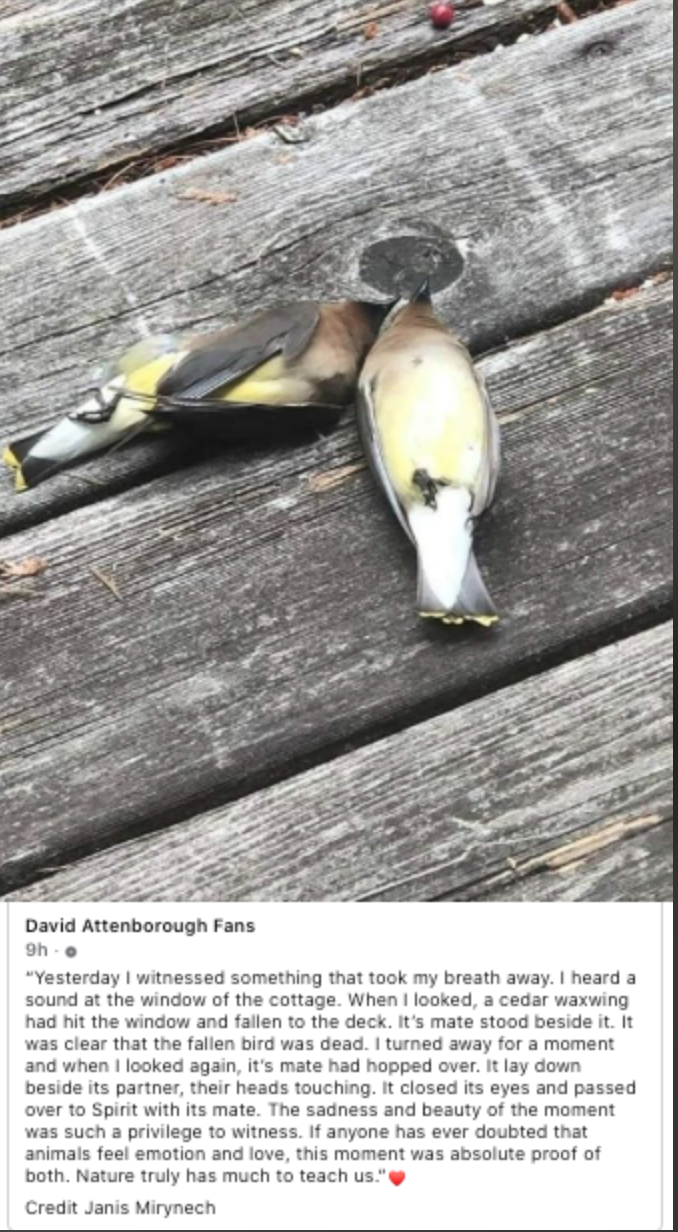
Birds also live in cities and towns. They find food near buildings and parks. Birds may die on streets, rooftops, or green spaces.
Dead birds in cities are often found near windows or roads. Urban scavengers like rats and crows help clean up the remains.
- Birds nest in trees, buildings, and parks
- Many die from collisions with windows
- Urban animals help remove dead birds
Credit: www.snopes.com
Common Causes Of Bird Death
Birds can die in many places, from forests to cities. Understanding why birds die helps us protect them better.
Some causes are natural, while others come from human actions. This article looks at the main reasons birds lose their lives.
Predation And Natural Threats
Many birds die because of other animals hunting them. Predators include bigger birds, mammals, and reptiles.
Natural threats also include diseases and harsh weather. These dangers can weaken birds and lead to death.
- Owls and hawks catch smaller birds
- Foxes and cats prey on ground birds
- Cold winters can cause hypothermia
- Illnesses spread quickly in bird groups
Environmental Hazards
Birds face dangers from their environment. Natural disasters and habitat loss affect where birds live and die.
Pollution and toxic plants also harm birds. These hazards can poison birds or reduce their food supply.
- Storms and floods destroy nests
- Deforestation removes homes and food
- Polluted water can poison birds
- Plastic waste causes injuries and death
Human Impact
Human actions cause many bird deaths. Buildings, vehicles, and hunting are common dangers.
Birds often die near cities and roads. Collisions and pollution are major problems caused by people.
- Window collisions cause many deaths
- Cars hit birds on roads
- Hunting reduces some bird populations
- Light pollution disrupts bird navigation
Birds’ Final Resting Spots
Birds live in many places and their bodies rest in different spots after they die. Nature takes care of their remains in simple ways.
Some birds fall to the ground while others stay in trees or water. Each place tells a story about the bird’s last moments.
Ground And Nest Sites
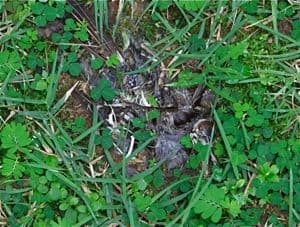
Many birds die on the ground or inside their nests. The ground is a common place when birds fall from the sky or lose strength.
Nests often hold the remains of baby birds or adult birds that die quietly while resting. These spots protect their bodies for some time.
Tree Perches And Branches
Birds sometimes die while sitting on tree branches or perches. These spots are high and safe but not always final resting places.
When a bird dies here, its body may fall later or stay caught in the branches. Nature slowly breaks down the remains.
Water Bodies
Some birds die near or in water like lakes, rivers, or oceans. Water can carry their bodies away from the place they died.
Birds that die in water may float for a while before sinking. Water helps clean the remains and returns them to nature.

Credit: medium.com
Role Of Scavengers And Decomposition
When birds die, their bodies start to break down quickly. This process helps return nutrients to the soil.
Scavengers and decomposers play a key role in cleaning up dead birds. They help keep nature balanced.
Insect Activity
Insects are among the first to arrive at a dead bird. Flies lay eggs that hatch into larvae.
These larvae eat soft tissues and speed up decomposition. Beetles also help by eating dried remains.
- Flies lay eggs on the bird
- Larvae consume soft parts
- Beetles eat tougher tissues
- Insect activity reduces the body quickly
Fungi And Microbial Breakdown
Fungi grow on the bird’s body as it decays. They break down hard tissues like feathers and bones.
Microbes such as bacteria also help by digesting tissues. They turn the bird’s body into simple nutrients.
- Fungi decompose feathers and bones
- Bacteria digest soft tissues
- Microbes recycle nutrients to soil
Scavenger Species
Scavengers like vultures and crows feed on dead birds. They remove large parts of the body fast.
Other animals such as raccoons and foxes also help. They eat leftover pieces and clean the area.
- Vultures consume soft tissues quickly
- Crows pick apart the carcass
- Raccoons and foxes eat scraps
- Scavengers keep the environment clean
Impact On Ecosystems
Birds play an important role in many ecosystems. When birds die, their bodies affect the environment around them.
The place where birds die can influence how their remains help nature recover and grow.
Nutrient Recycling
Dead birds return nutrients to the soil and water. These nutrients help plants and small animals grow.
Bacteria and fungi break down bird bodies. This process releases important minerals like nitrogen and phosphorus.
- Nitrogen helps plants build leaves and stems
- Phosphorus supports root and flower growth
- Other minerals keep soil healthy and rich
Food Chain Contributions
Dead birds provide food for many animals. Scavengers like vultures and insects eat the bird remains.
This helps keep the ecosystem balanced. The energy from dead birds moves up the food chain.
- Scavengers clean the environment by eating dead animals
- Small insects feed on bird remains and become food for bigger animals
- Decomposers break down bird bodies, supporting soil health
Human Efforts In Bird Conservation
Birds face many dangers in the wild. People work hard to help protect them. Conservation helps birds live longer and safer lives.
Human actions can improve bird survival. This includes protecting nature, reducing risks, and helping injured birds.
Protecting Habitats
Birds need safe places to live, eat, and raise their young. Protecting forests, wetlands, and grasslands is very important. These areas give birds food and shelter.
Many groups work to save bird habitats. They stop cutting trees and keep water clean. This helps birds keep their homes safe.
- Creating protected parks and reserves
- Restoring damaged wetlands and forests
- Limiting building in key bird areas
Reducing Hazards
Birds face many dangers from human activities. Collisions with windows and cars can hurt or kill birds. Pollution and chemicals also harm them.
People try to reduce these dangers. They make buildings bird-friendly and use safer products. This helps birds avoid accidents and sickness.
- Using bird-safe glass on windows
- Installing signs to slow down drivers
- Reducing pesticide use near bird areas
Wildlife Rescue And Rehabilitation
Injured or sick birds sometimes need human help. Wildlife rescue groups find these birds and give care. They help birds heal and return to nature.
Rehabilitation centers feed, treat, and protect birds. They also teach people how to avoid harming birds in the future.
- Providing medical care to injured birds
- Feeding and sheltering sick birds
- Releasing healthy birds back to the wild

Credit: www.reddit.com
Frequently Asked Questions
Where Do Most Birds Die In The Wild?
Most birds die in natural habitats like forests, wetlands, or oceans. Predators, disease, and accidents are common causes. Birds often seek safe, secluded spots when dying.
Do Birds Die Near Their Nests Or Migration Sites?
Birds may die near nests due to old age or predators. During migration, exhaustion or harsh weather can cause death along routes. Both locations see natural bird mortality.
How Do Environmental Factors Affect Where Birds Die?
Pollution, habitat loss, and climate change increase bird deaths in certain areas. Birds may die in contaminated water, deforested zones, or urban regions. Environmental stressors impact bird survival locations.
Can Bird Deaths Indicate Ecosystem Health?
Yes, bird deaths can signal ecosystem issues. High mortality may reflect pollution, disease outbreaks, or habitat destruction. Monitoring bird deaths helps assess environmental conditions.
Conclusion
Birds die in many places, from forests to cities. Nature guides where they rest their last. Some fall in nests, others on the ground. Predators and accidents also cause their end. Understanding this helps us protect bird life better. Every bird’s journey is unique and important.
We all share the world with these creatures. Care and respect make a safer place for birds. Their final spots remind us of life’s cycle. Keep watching, learning, and helping birds every day.