
Imagine stepping into your garden and being greeted by the vibrant, exotic allure of Bird of Paradise flowers. Their striking colors and unique shape can transform any outdoor space into a tropical paradise.
But here’s the catch: planting them in the right spot is key to ensuring they thrive and bloom beautifully. Are you curious about where to plant Bird of Paradise flowers to make the most of their stunning appeal? You’re not alone.
Many gardeners, like you, are eager to unlock the secrets to these magnificent blooms. By choosing the perfect location, you’ll not only enhance your garden’s aesthetic but also ensure that your Bird of Paradise flowers flourish. Ready to discover the best spots to plant these beauties? Let’s dive in and explore how you can create your very own paradise right at home.
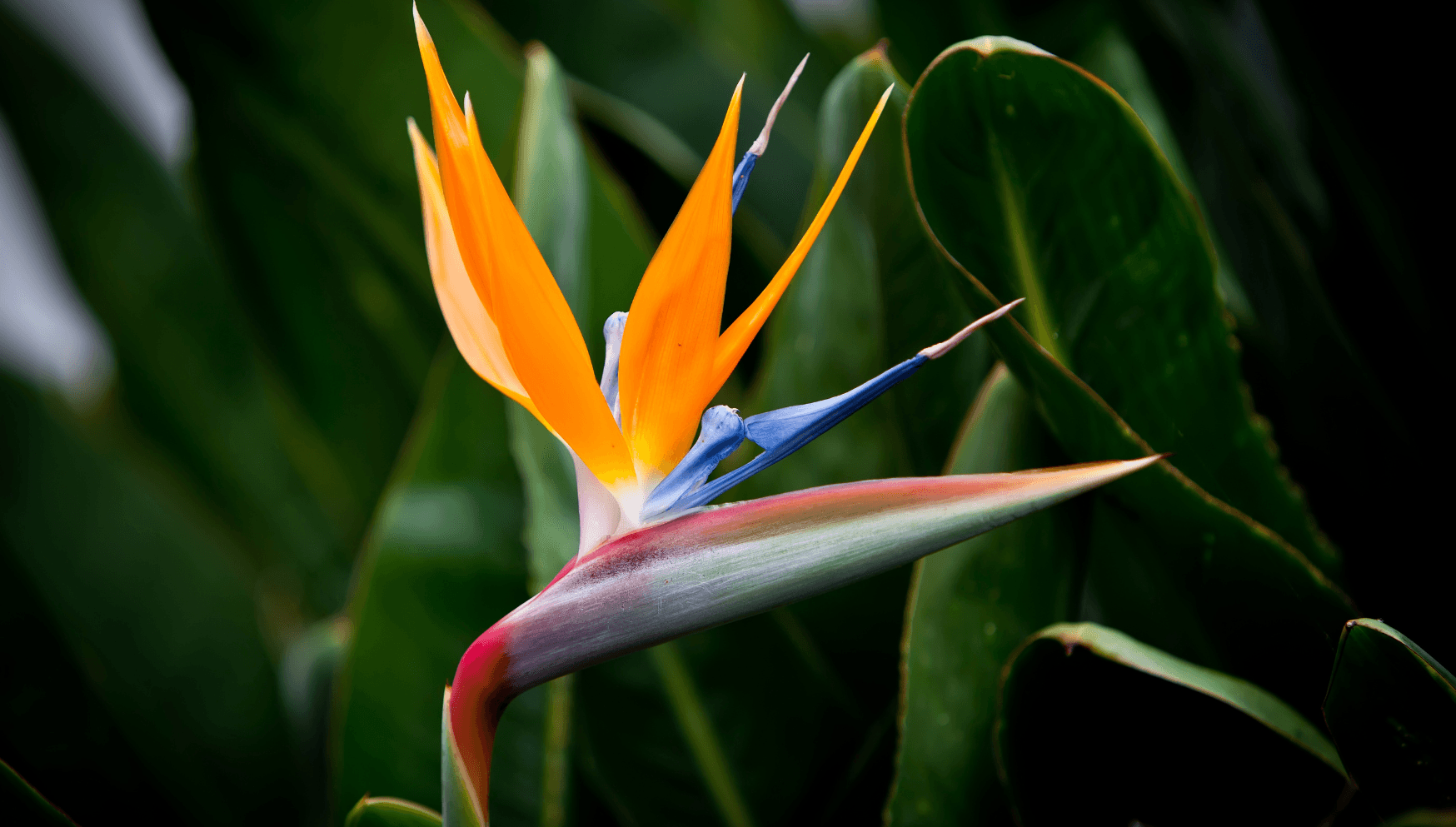
Credit: plnts.com
Choosing The Right Climate
Bird of Paradise flowers thrive best when planted in suitable climates. Choosing the right environment helps these plants grow strong and bloom beautifully.
This guide explains the ideal temperature, humidity, and frost sensitivity for planting Bird of Paradise flowers.
Ideal Temperature Ranges
Bird of Paradise plants prefer warm temperatures. They grow well in areas where the temperature stays between 65°F and 70°F during the day.
- Daytime: 65°F to 70°F (18°C to 21°C)
- Nighttime: Not lower than 50°F (10°C)
- Avoid temperatures below 45°F (7°C)
Humidity Preferences
These flowers enjoy moderate to high humidity. Dry air can cause leaves to brown and affect growth.
| Humidity Level | Effect on Plant |
|---|---|
| 40% – 60% | Optimal for healthy growth |
| Below 30% | Leaves may dry and brown |
| Above 70% | Risk of fungal diseases |
Frost Sensitivity
Bird of Paradise plants are sensitive to frost. Even light frost can damage leaves and flowers.
Protect plants by following these tips:
- Do not plant outdoors if frost occurs in your area.
- Use frost cloths or covers when cold weather is expected.
- Bring potted plants indoors during freezing temperatures.
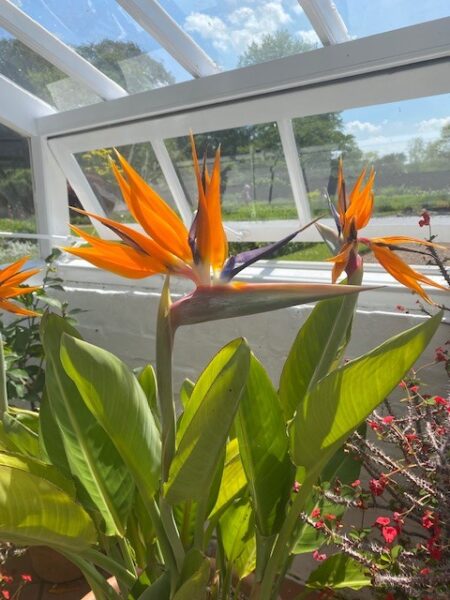
Credit: www.winterbourne.org.uk
Selecting The Best Location
Bird of Paradise flowers need the right place to grow well. Choosing the best spot helps them bloom beautifully.
Think about sunlight, wind protection, and space before planting. Each factor helps the plant stay healthy.
Sunlight Requirements
These flowers love bright light. They do best in full sun or light shade.
- Place them where they get at least 4-6 hours of sun daily.
- Avoid deep shade as it slows flower growth.
- Morning sun is better than harsh afternoon sun.
Shelter From Wind
Strong winds can damage the leaves and flowers. Choose a spot with some wind protection.
| Wind Condition | Effect on Plant |
| Strong Wind | Damages leaves and flowers |
| Light Breeze | Helps air circulation |
| Sheltered Spot | Protects from harm |
Space For Growth
Bird of Paradise plants grow wide and tall. Give them plenty of room to spread out.
- Plant at least 3 to 5 feet away from other plants.
- Make sure roots have space to grow deep.
- Avoid crowded areas to prevent disease.
Soil Conditions
Bird of Paradise flowers need the right soil to grow well. Good soil helps the plant get water and nutrients.
Understanding soil conditions helps you choose the best spot to plant these flowers.
Soil Type And Drainage
Bird of Paradise plants prefer sandy or loamy soil. These soil types drain water well and do not stay soggy.
- Use soil that feels loose and crumbly.
- Avoid heavy clay soil that holds water.
- Good drainage prevents root rot.
- Adding organic matter improves soil texture.
Ph Levels
These flowers grow best in soil with a pH between 6.0 and 7.5. This range is slightly acidic to neutral.
| pH Range | Soil Type | Effect on Plant |
| Below 6.0 | Acidic | May slow growth |
| 6.0 – 7.5 | Ideal | Best nutrient uptake |
| Above 7.5 | Alkaline | Can cause nutrient issues |
Nutrient Needs
Bird of Paradise plants need key nutrients to thrive. These include nitrogen, phosphorus, and potassium.
- Nitrogen helps leaves grow green and healthy.
- Phosphorus supports strong roots and flowers.
- Potassium strengthens the whole plant.
- Use balanced fertilizer every few months.
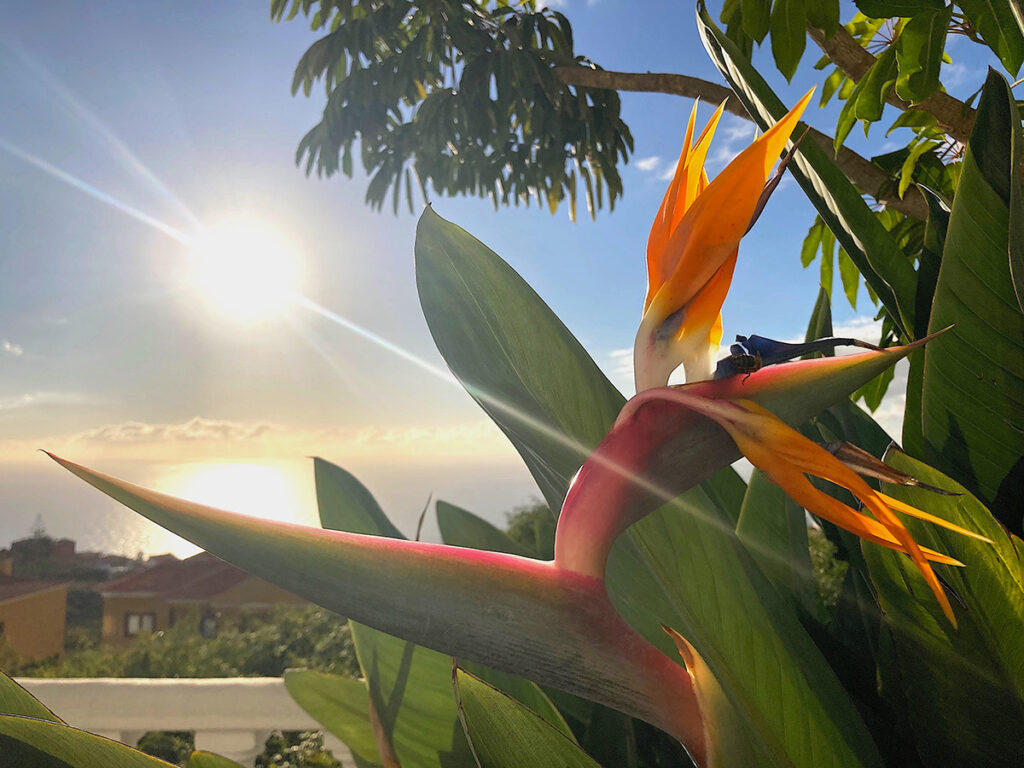
Credit: plantsmith.co.uk
Planting In Containers Vs Ground
Bird of Paradise flowers can grow in containers or in the ground. Each way has unique benefits for your garden.
Choosing the right planting method helps your flowers thrive and look their best.
Benefits Of Container Planting
Containers let you move the plants easily. This helps protect them from cold or too much sun. Containers also control soil quality better.
- Easy to move for sunlight or shade
- Better control over soil type and nutrients
- Good for small spaces or patios
- Less risk of pests and diseases from ground soil
- Helps prevent root spread in unwanted areas
Preparing Garden Beds
Planting Bird of Paradise in the ground needs good soil preparation. Clear weeds and add compost to enrich the soil. Loosen the soil so roots grow well.
| Preparation Task | Reason |
| Clear weeds | Reduces competition for nutrients |
| Add compost | Improves soil fertility and texture |
| Loosen soil | Helps roots spread easily |
| Choose sunny spot | Bird of Paradise needs full sun |
Drainage Solutions
Good drainage is key for healthy Bird of Paradise plants. Poor drainage causes root rot and weak growth. Containers and garden beds need ways to drain water well.
Use these drainage tips:
- Choose pots with drainage holes
- Add gravel or small stones at the bottom of containers
- Mix sand or perlite into garden soil
- Raise garden beds if soil stays wet too long
- Check that water flows away from plant roots
Watering And Maintenance
Bird of Paradise flowers need the right care to grow well. Proper watering and maintenance help them stay healthy and vibrant.
Understanding their needs makes it easier to keep these plants strong and beautiful in your garden.
Watering Frequency
Water Bird of Paradise plants regularly to keep the soil moist but not soggy. They like water but do not do well in standing water.
During hot months, water them more often. In cooler months, reduce watering to avoid root rot.
- Water deeply once or twice a week in summer
- Check soil moisture before watering
- Reduce watering to every two weeks in winter
Mulching Tips
Mulching helps keep the soil moist and controls weeds around Bird of Paradise plants. Use organic mulch like bark or straw.
Apply a 2 to 3-inch layer of mulch around the plant base, keeping it away from the stem to prevent rot.
- Use bark chips, straw, or compost as mulch
- Keep mulch 2-3 inches thick
- Leave a small gap around the stem
- Refresh mulch each spring for best results
Fertilizing Schedule
Feed Bird of Paradise plants with a balanced fertilizer to support growth and flowering. Use fertilizer with equal parts nitrogen, phosphorus, and potassium.
Fertilize every 6 weeks during the growing season. Avoid fertilizing in winter when the plant rests.
- Use a 10-10-10 or 20-20-20 fertilizer
- Apply fertilizer every 6 weeks in spring and summer
- Do not fertilize in fall and winter
- Water after fertilizing to help nutrient absorption
Common Challenges And Solutions
Bird of Paradise flowers are beautiful but can face some problems when planted. Knowing how to handle these issues helps your plants grow well.
This guide covers common challenges like pests, root rot, and overgrowth. You will find easy solutions to keep your plants healthy.
Dealing With Pests
Bird of Paradise plants attract pests such as aphids, spider mites, and scale insects. These pests can damage leaves and stop growth.
Check your plants often. Use water spray to remove small pests. In severe cases, use insecticidal soap made for garden plants.
- Inspect leaves weekly for pests
- Spray with water to wash off bugs
- Apply insecticidal soap if pests stay
- Keep plants clean and dry to prevent insects
Preventing Root Rot
Root rot happens when the soil stays too wet. It causes roots to die and the plant to weaken.
Plant Bird of Paradise in soil that drains well. Water the plant only when the top soil feels dry. Avoid water pooling around roots.
- Use sandy or loamy soil
- Plant in raised beds or pots with drainage holes
- Water only when soil is dry 1-2 inches deep
- Remove dead leaves to keep soil healthy
Managing Overgrowth
Bird of Paradise plants can grow very big and crowd nearby plants. Overgrowth can reduce air flow and sunlight.
Trim the plants regularly to keep shape and size. Cut dead or crowded leaves. This helps the plant stay strong and healthy.
- Prune in early spring or after blooming
- Remove old or damaged leaves
- Cut back crowded stems to improve air flow
- Use sharp, clean tools to avoid plant damage
Frequently Asked Questions
Where Is The Best Place To Plant Bird Of Paradise?
Plant Bird of Paradise in a sunny spot with well-drained soil. They thrive in full sun but tolerate partial shade. Choose a location sheltered from strong winds for optimal growth and vibrant flowers.
Can Bird Of Paradise Grow Indoors Successfully?
Yes, Bird of Paradise can grow indoors if placed near a bright window. They need plenty of indirect sunlight and regular watering. Indoor humidity should be moderate to high for healthy foliage and flowering.
How Far Apart Should Bird Of Paradise Plants Be Spaced?
Space Bird of Paradise plants 5 to 6 feet apart. This spacing allows adequate air circulation and room for growth. Proper spacing prevents overcrowding and promotes healthy, lush plants with beautiful blooms.
What Soil Type Is Ideal For Bird Of Paradise?
Bird of Paradise prefers rich, well-draining soil with organic matter. A sandy loam mix works well to avoid waterlogging. Good drainage prevents root rot and supports vigorous plant growth.
Conclusion
Plant Bird of Paradise flowers where they get full sun daily. Choose well-drained soil for healthy growth. These plants love warm weather and space to spread. Avoid spots with strong winds or heavy shade. Water them regularly but do not let roots stay wet.
With the right place, your Bird of Paradise will bloom beautifully. Enjoy their bright, tropical look all year long. Simple care makes a big difference. Start planting and watch your garden come alive!



