Have you ever wondered which bird has the amazing ability to drink nectar straight from flowers? It’s a fascinating skill that not many birds have, and it plays a special role in nature.
If you’re curious about these incredible creatures and want to know how they feed and survive, you’re in the right place. Keep reading, and you’ll discover the surprising bird that thrives on flower nectar—and why it matters to your garden and the environment.

Credit: www.shutterstock.com
Birds That Sip Nectar
Many birds drink nectar from flowers. Nectar is a sweet liquid made by plants. It gives energy to these birds.
These birds have special beaks and tongues. They use them to reach nectar deep inside flowers.
Hummingbirds
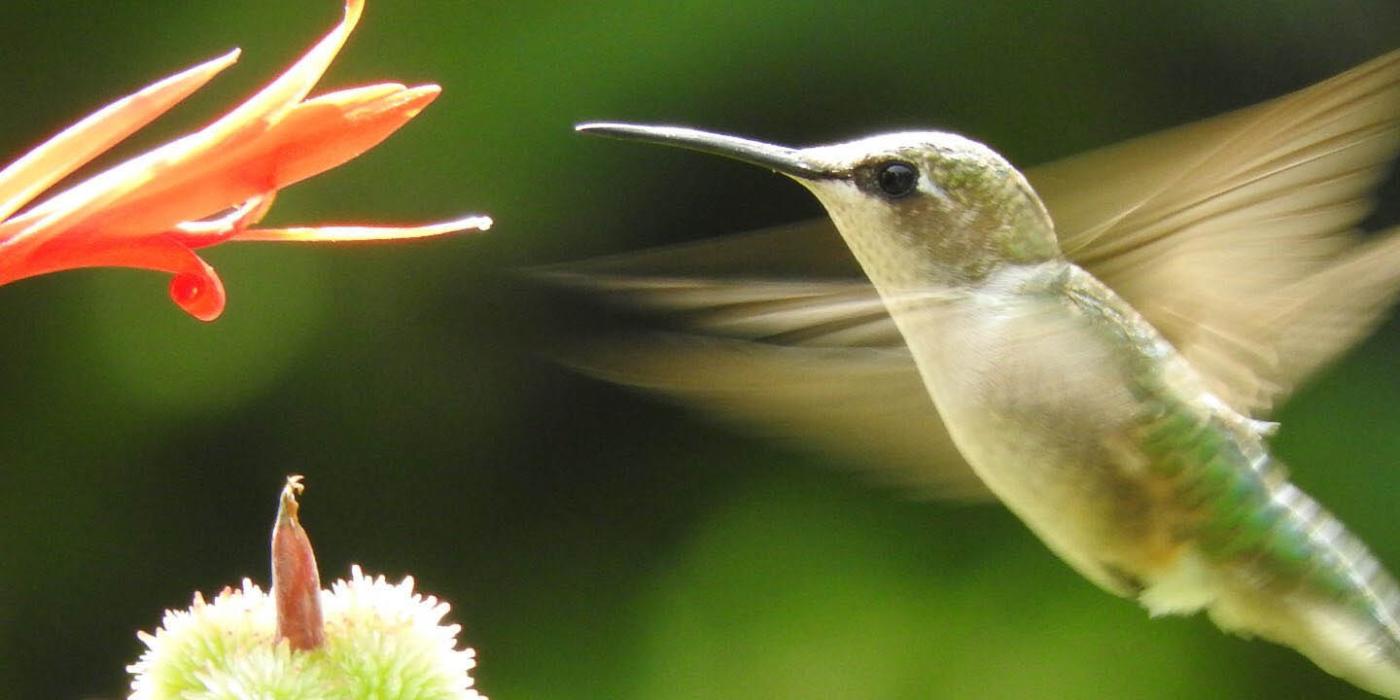
Hummingbirds are small birds with fast wings. They can hover in the air while drinking nectar.
Their long, thin beaks fit well into tubular flowers. Their tongues have tiny hairs to soak up nectar.
Sunbirds
Sunbirds are colorful birds found mostly in Africa and Asia. They feed mainly on nectar but eat insects too.
Sunbirds have curved beaks to reach nectar deep inside flowers. They often perch while feeding.
Honeycreepers
Honeycreepers live in tropical forests, especially in Central and South America. They drink nectar and sometimes eat fruit.
Their slender beaks help them reach nectar. Some honeycreepers have bright feathers that attract mates.
Honeyeaters
Honeyeaters are native to Australia and nearby islands. They get most of their food from nectar.
They have brush-tipped tongues to gather nectar quickly. Honeyeaters also eat insects to get protein.
Credit: nationalzoo.si.edu
Adaptations For Nectar Feeding
Some birds have special features that help them drink nectar from flowers. These features allow them to reach nectar deep inside blooms. They also help birds get nectar quickly and efficiently.
These adaptations include changes in beak shape, tongue design, and feeding habits. Each helps the bird survive on nectar as a main food source.
Beak Shapes
Birds that feed on nectar often have long, thin beaks. These beaks fit well into flowers to reach the nectar inside. Some beaks are curved to match the flower shape.
- Long and slender beaks for deep flowers
- Curved beaks to follow flower curves
- Sharp tips to open tough flower parts
- Lightweight beaks for easy movement
Tongue Structures
These birds have special tongues to help suck nectar. Their tongues are often long and tube-like. Some tongues have brushy tips to soak up nectar.
| Bird Type | Tongue Feature | Function |
|---|---|---|
| Hummingbirds | Grooved, tube-shaped | Draws nectar by capillary action |
| Sunbirds | Brush-tipped | Soaks nectar like a sponge |
| Honeycreepers | Elongated, flexible | Reaches deep nectar pockets |
Feeding Techniques
Birds use different ways to get nectar from flowers. Some hover near blooms without landing. Others perch on branches close to flowers.
- Hovering to access nectar without landing
- Perching to steady themselves during feeding
- Using quick tongue flicks to gather nectar fast
- Visiting many flowers to get enough nectar
Favorite Nectar Flowers
Many birds drink nectar from flowers to get energy. Hummingbirds are well known for this habit. They visit flowers that have lots of nectar and are easy to reach.
These birds help plants by moving pollen while they feed. They like certain flower shapes and colors that suit their feeding style.
Flower Shapes And Colors
Birds that drink nectar prefer flowers with tube shapes. Tubular flowers fit their long beaks and tongues. Bright colors like red, orange, and pink attract them the most.
- Tubular flowers allow easy nectar access
- Bright colors signal a rich nectar source
- Flowers often hang or stand upright for bird visits
Nectar Composition
Nectar is mostly water and sugar. The sugar gives birds energy for flying. The amount of sugar and water varies by flower type.
Birds prefer nectar with about 20-25% sugar. Some flowers have extra minerals and amino acids, which help bird health.
Pollination Role
Birds drinking nectar help plants by moving pollen. Pollen sticks to their heads and beaks. When birds visit another flower, they spread pollen and help plants make seeds.
This pollination is important for many wildflowers and crops. Birds and flowers depend on each other to survive and grow.
Ecological Importance
Birds that drink nectar from flowers play a key role in nature. They help plants grow and keep ecosystems healthy.
These birds often visit many flowers, moving pollen as they feed. This action supports plant reproduction and diversity.
Pollination Benefits
Nectar-feeding birds transfer pollen between flowers. This process helps plants make seeds and fruit.
- Increases plant reproduction rates
- Supports fruit and seed production
- Maintains plant genetic diversity
- Encourages growth of native plants
Bird-plant Relationships
Many flowers have shapes and colors that attract nectar birds. These birds depend on flowers for food.
| Bird Species | Flower Type | Region |
| Hummingbird | Tubular, red flowers | Americas |
| Sunbird | Bright, curved flowers | Africa, Asia |
| Honeycreeper | Small, nectar-rich flowers | Hawaii |
Impact On Ecosystems
Nectar birds help keep ecosystems balanced. They support food chains by helping plants grow.
These birds also:
- Support insect populations by providing food sources
- Help forest regeneration with seed dispersal
- Enhance biodiversity in natural habitats
Where To Spot Nectar-feeding Birds
Nectar-feeding birds are a delight to watch as they hover and sip from flowers. These birds play an important role in pollination. You can find them in many natural and garden settings.
Knowing where to look helps you enjoy their colorful presence. This guide covers key places to find these special birds.
Tropical Regions
Tropical areas have many flowers that produce nectar. Birds like hummingbirds and sunbirds thrive here. You can spot them in rainforests, jungles, and tropical gardens.
- Look near bright, tubular flowers.
- Check flowering trees and shrubs.
- Visit areas with high plant diversity.
Garden Habitats
Many nectar-feeding birds visit home gardens with the right plants. You can attract them by planting nectar-rich flowers. Some common garden plants include hibiscus, trumpet vine, and bee balm.
| Flower | Color | Best for |
| Hibiscus | Red, Pink | Hummingbirds |
| Trumpet Vine | Orange | Sunbirds |
| Bee Balm | Red, Purple | Hummingbirds |
Birdwatching Tips
To see nectar-feeding birds up close, be patient and quiet. Early morning is a good time. Use binoculars to watch without disturbing them.
- Wear neutral colors to blend in with nature.
- Move slowly and avoid sudden motions.
- Bring a camera with a zoom lens.
- Note the types of flowers the birds visit.
- Keep a distance to avoid scaring them away.

Credit: www.allaboutbirds.org
Frequently Asked Questions
Which Bird Species Drink Nectar From Flowers?
Hummingbirds are the primary birds that drink nectar from flowers. Sunbirds and honeycreepers also feed on nectar. These birds have specialized beaks to access nectar deep inside flowers, aiding in pollination.
How Do Birds Extract Nectar From Flowers?
Birds use their long, slender beaks and tongues to reach nectar inside flowers. Their tongues often have brush-like tips to soak up the nectar efficiently. This adaptation helps them feed while pollinating plants.
Why Do Some Birds Prefer Nectar Over Insects?
Nectar is a rich source of energy due to its high sugar content. Birds like hummingbirds rely on this quick energy to sustain their rapid wing movements. Nectar feeding also reduces competition with insect-eating birds.
Can All Birds Drink Nectar From Flowers?
No, only certain bird species with specialized beaks and tongues can drink nectar. Most birds lack these adaptations and feed on seeds, insects, or fruits instead. Nectarivorous birds play a key role in pollination.
Conclusion
Birds that drink nectar bring life to gardens. Hummingbirds are well-known nectar drinkers. They hover and sip with ease. Sunbirds, too, enjoy this sweet treat. Their vibrant colors brighten any scene. Lorikeets join the nectar party. Their brush-tipped tongues help them feed.
These birds play a role in pollination. They help flowers and plants thrive. Watching them can be a delight. Their visits add charm to your backyard. So, planting nectar-rich flowers can attract them. Enjoy the lively display nature offers. It’s a win for both birds and gardens.