Which Bird Has Perching Feet? Explained Simply
Ever found yourself gazing at the birds outside your window and wondered how they manage to perch so effortlessly on branches? You're not alone.
Have you ever wondered which bird has perching feet? Understanding which bird has perching feet can enhance your appreciation for their unique adaptations.
Birds have always fascinated us with their grace and agility. But have you ever paused to consider what makes their feet so perfectly suited for this task? We'll dive into the world of birds with perching feet, unraveling the secrets behind their unique adaptations.
By understanding these fascinating features, you'll gain a new appreciation for the everyday marvels of nature. Curious about which bird reigns supreme in the art of perching? Keep reading, and you'll discover some surprising facts that might just change the way you see these winged wonders.
Let's explore further to find out which bird has perching feet and how they use them in their daily lives.
Perching Feet Explained
Birds that have perching feet use them to grip branches tightly. These feet help birds stay steady on trees and wires.
So, which bird has perching feet? Many species are equipped with these remarkable adaptations.
Perching feet are common in songbirds and other small birds. They are designed to lock onto a perch without much effort.
Anatomy Of Perching Feet
Understanding which bird has perching feet can help you identify them in nature.
Perching feet usually have three toes pointing forward and one toe pointing backward. This toe arrangement is called anisodactyl.
- Three front toes help grip the surface firmly.
- The back toe acts like a clamp to hold the perch.
- Tendons in the legs tighten automatically when the bird bends its legs.
- This mechanism locks the toes around the perch without effort.
Function And Benefits
| Function | Benefit |
| Strong grip on branches | Prevents falling during sleep or wind |
| Automatic toe locking | Reduces muscle use and saves energy |
| Flexible toes | Allows birds to perch on different surfaces |
| Quick release | Helps birds take off fast when needed |

Credit: www.shutterstock.com
Birds With Perching Feet
Many birds have special feet that help them perch on branches. These feet allow birds to hold tightly without falling.
For example, can you name which bird has perching feet? Common examples include songbirds and sparrows.
Perching feet usually have three toes pointing forward and one toe pointing backward. This design helps birds grip branches firmly.
Songbirds And Passerines
Songbirds, also called passerines, are the most common birds with perching feet. Their feet help them stand on thin branches and sing.
Identifying which bird has perching feet is essential for bird watchers and enthusiasts alike.
Passerines use their strong toes to lock onto branches. This prevents them from falling while they sleep or rest.
- Three toes point forward for balance
- One toe points backward for grip
- Locking tendons keep toes closed on branches
Woodpeckers And Climbers
Woodpeckers have feet that help them climb tree trunks. Their toes are arranged to give a strong hold on bark.
They have two toes pointing forward and two pointing backward. This special foot shape is called zygodactyl and is perfect for climbing.
Next time you see one, you might ask yourself: which bird has perching feet?
- Two front toes for gripping
- Two back toes for support
- Helps them climb and peck wood
Parrots And Their Grip
Parrots have strong feet with a unique toe arrangement. They use their feet to hold food and climb trees.
In fact, many people are curious about which bird has perching feet due to their unique capabilities.
Like woodpeckers, parrots have two toes forward and two toes backward. This helps them grab objects and balance on branches.
- Two toes face forward
- Two toes face backward
- Feet are very strong for gripping
Adaptations For Climbing
Birds that perch and climb have special feet to help them hold on tight. These feet help them move on branches and tree trunks with ease.
So, remember, which bird has perching feet is a common question among bird lovers.
Different birds have different foot shapes and muscle designs. These features help them climb and stay stable in trees.
Toe Arrangement Variations
Birds have toes arranged in ways that support climbing and perching. The most common pattern is called anisodactyl, with three toes forward and one back. Some climbing birds have zygodactyl feet, with two toes forward and two back. This helps them grip branches better.
- Anisodactyl: Three toes forward, one toe back. Common in perching birds.
- Zygodactyl: Two toes forward, two toes back. Found in woodpeckers and parrots.
- Syndactyl: Two or more toes fused together. Seen in kingfishers.
Muscle Strength And Tendon Locking
Strong muscles and special tendons help birds grip without using much energy. Tendon locking keeps their toes curled around branches even while they sleep.
| Feature | Function |
| Strong leg muscles | Support climbing and holding onto branches |
| Tendon locking mechanism | Keeps toes locked in place without effort |
| Flexible joints | Allow easy movement and grip adjustment |
Comparing Perching With Other Feet Types
Birds have different feet shapes based on how they live. Perching feet help birds hold onto branches tightly. Other feet types suit different activities like hunting, swimming, or walking on land.
Understanding these feet types helps us see how birds adapt to their environments. Each feet type has unique features for specific tasks.
Raptorial Feet
Raptorial feet belong to birds of prey, like eagles and hawks. These feet have sharp, curved claws called talons. The talons help catch and hold animals tightly.
These feet are strong and powerful. Birds use them to kill prey quickly. Raptorial feet are not good for perching on thin branches.
- Strong, curved claws for gripping prey
- Powerful muscles for holding animals
- Not ideal for perching on small branches
Swimming Feet
Swimming feet are found on ducks and swans. These feet have webbing between the toes. Webbing helps birds paddle and move in water easily.
Swimming feet are flat and wide. They are not made for perching. Birds with these feet spend most time in water or on flat surfaces.
- Webbed toes for swimming
- Flat and wide shape
- Not suitable for gripping branches
Ground-walking Feet
Ground-walking feet belong to birds like chickens and ostriches. These feet have strong toes and thick skin. They help birds walk and run on land.
These feet do not grip branches well. Birds with ground-walking feet mostly stay on the ground. Their toes spread out to balance their weight.
- Strong toes for walking and running
- Thick skin protects the feet
To summarize, knowing which bird has perching feet can greatly enhance your birdwatching experience.
- Not made for perching on branches

Perching Feet In Different Habitats
Birds with perching feet have special toes that help them grip branches. These feet help birds stay balanced and safe while resting or hunting.
Perching feet work well in many habitats. Different birds use these feet to live in forests, cities, and wetlands.
Forests And Woodlands
Many forest birds have strong perching feet. They use their toes to hold onto tree branches and twigs. This helps them move easily through tall trees.
Woodpeckers, warblers, and robins all have feet made for perching. Their feet help them find food and build nests high above the ground.
Next time you're in the forest, consider which bird has perching feet that you might spot.
- Strong grip on thin branches
- Helps with balance during flight
- Allows quick movement between trees
Urban Environments
Birds in cities also have perching feet. They use them to hold on wires, fences, and building edges. These feet help birds rest safely in busy places.
Pigeons and sparrows are common urban birds with perching feet. Their toes wrap around narrow surfaces, giving them a secure hold.
This insight about which bird has perching feet can deepen your understanding of avian life.
- Grips metal and concrete surfaces
- Keeps balance on wires and poles
- Helps birds stay safe from predators
Wetlands And Marshes
Birds living near water also have perching feet. They often perch on reeds, branches, or rocks near ponds and marshes. Their feet help them stay steady in soft or wet areas.
Furthermore, it's fascinating to learn how which bird has perching feet can adapt to various environments.
Herons and kingfishers use their perching feet to watch for fish. Their toes give a firm grip on slippery or moving surfaces.
- Grips slippery reeds and branches
- Supports standing on soft mud
- Helps catch prey near water
Evolution Of Perching Feet
Perching feet help birds hold onto branches tightly. This feature lets them rest and sleep safely in trees.
These feet evolved over millions of years. Birds adapted to live in trees, developing special toes for gripping.
Fossil Evidence
Fossils show early birds had strong toes for perching. Some dinosaurs had similar feet, hinting at bird ancestry.
These fossils reveal how perching feet changed slowly. They became more curved and flexible for better grip.
- Early bird fossils show long, curved claws
- Some feathered dinosaurs had perching-like feet
- Toe arrangement evolved for stronger hold
Survival Advantages
Perching feet help birds stay safe from ground predators. They can rest high in trees without falling.
These feet also help birds catch food and build nests. Perching allows better balance during many daily tasks.
Thus, knowing which bird has perching feet can be beneficial for understanding their survival strategies.
- Secure grip prevents falling during sleep
- Helps birds hold branches while feeding
- Supports building and guarding nests
Caring For Perching Birds
Perching birds have special feet that help them grip branches and wires. These birds need safe places to live and food to stay healthy.
Taking care of their homes and protecting them from dangers helps these birds survive and thrive in nature.
Ultimately, the question of which bird has perching feet is one that reveals much about their biology.
Habitat Preservation
Perching birds live in forests, gardens, and parks. Protecting these areas gives birds places to rest and find food. Planting native trees and shrubs helps create good habitats.
- Keep forests and parks clean and safe.
- Plant plants that produce seeds and berries.
- Provide fresh water sources like birdbaths.
- Avoid cutting down too many trees.
- Limit use of chemicals that harm plants and insects.
Finally, consider which bird has perching feet to appreciate the wonders of nature.
Threats To Perching Birds
Perching birds face many dangers. These include loss of habitat, pollution, and predators. People also disturb nesting areas, which can harm baby birds.
| Threat | Effect on Birds |
| Habitat loss | Less space to live and feed |
| Pollution | Harmful chemicals in water and food |
| Predators | Birds and eggs can be eaten |
| Human disturbance | Nests can be abandoned |
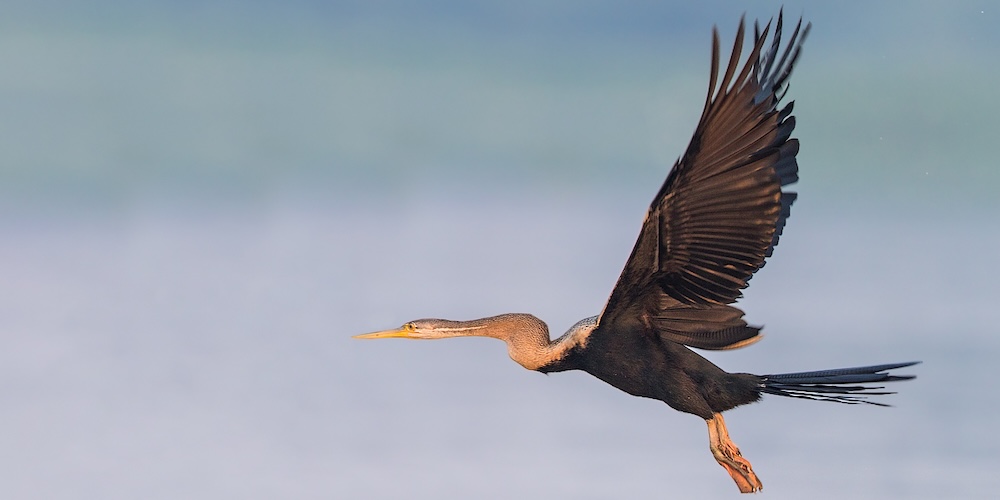
Credit: fatbirder.com
Frequently Asked Questions
Which Birds Have Perching Feet?
Perching feet are common in passerines, like sparrows, finches, and robins. These birds have three toes forward and one back, helping them grip branches securely.
Why Do Birds Need Perching Feet?
Perching feet help birds hold onto branches firmly. This adaptation allows them to rest, sleep, and stay safe from predators while perched.
How Do Perching Feet Work In Birds?
Perching feet use tendons that tighten when a bird bends its leg. This mechanism locks toes around branches, preventing slipping even during sleep.
Are All Birds Equipped With Perching Feet?
No, not all birds have perching feet. Birds of prey and waterfowl have different foot structures suited to hunting or swimming.
Conclusion
Birds with perching feet, like those we discussed, exemplify nature's brilliance. They demonstrate how which bird has perching feet allows them to thrive in their habitats.
Next time you're outdoors, take a moment to observe which bird has perching feet. This can reveal a lot about their behavior and adaptations.