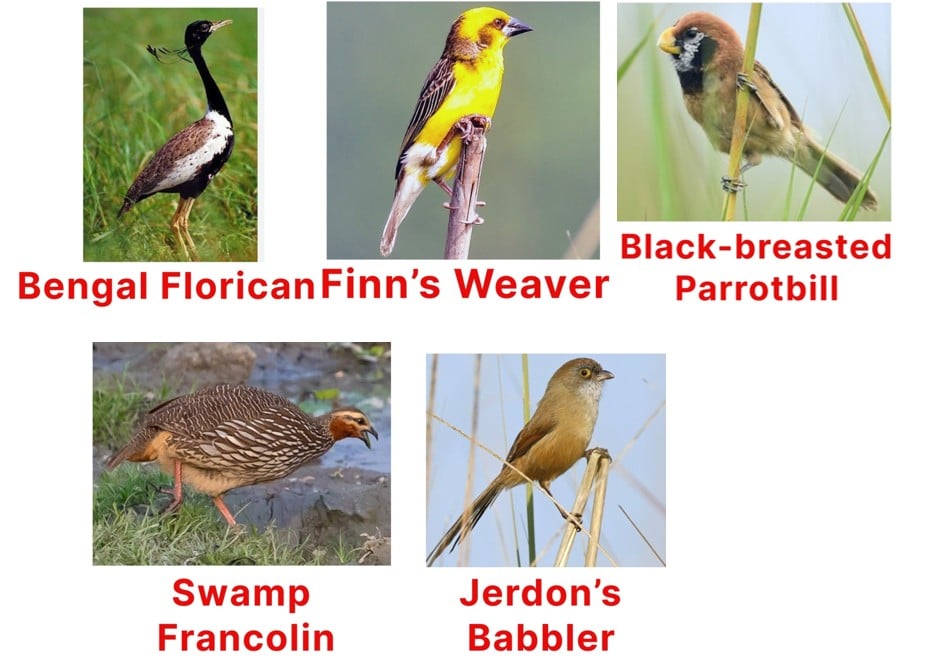
Have you ever wondered which bird calls the vast grasslands of India its home? If you love nature and enjoy spotting unique wildlife, discovering these special birds can add a new thrill to your outdoor adventures.
You will learn about the fascinating birds that thrive in India’s grasslands—birds that you might have seen but never truly noticed. Get ready to uncover the secrets of these beautiful creatures and find out how they shape the lively, green landscapes you love.
Keep reading, and you’ll see the grasslands with fresh eyes!

Credit: m.economictimes.com
Grassland Birds In India
India has many grasslands that host unique bird species. These birds depend on open fields and tall grasses for food and shelter.
Grassland birds play an important role in the ecosystem. They help control insects and spread plant seeds.
Common Grassland Birds
Some birds are often seen in Indian grasslands. They include both resident and migratory species.
- Indian Courser
- Yellow-wattled Lapwing
- Black-bellied Sandgrouse
- Great Indian Bustard
- Peafowl
- Chestnut-bellied Sandgrouse
- Long-billed Pipit
Adaptations Of Grassland Birds
Grassland birds have special features to live in open areas. Their colors help them blend with dry grass. They also run fast to escape predators.
| Bird Name | Adaptation |
| Great Indian Bustard | Camouflage with dry grass, strong legs for running |
| Indian Courser | Long legs for fast running, brown plumage |
| Yellow-wattled Lapwing | Wattles for display, nests on ground |
| Black-bellied Sandgrouse | Water carrying feathers for chicks, blends with sand |
Many grassland birds face dangers from habitat loss. Farming and urban growth reduce their living space.
Protecting grasslands is key to saving these birds. Simple steps like stopping grassland burning and planting native grasses can help.
Credit: indianexpress.com
Key Species Of Grassland Birds
India’s grasslands are home to many unique bird species. These birds are adapted to live in open, grassy areas.
Grassland birds play a key role in the ecosystem. They help control insects and spread seeds.
Indian Courser
The Indian Courser is a small bird with a curved beak. It runs fast on the ground to catch insects.
Yellow-wattled Lapwing
This bird has a yellow patch near its eyes called wattles. It walks slowly in grasslands looking for food.
Great Indian Bustard
The Great Indian Bustard is one of the largest grassland birds. It is known for its booming call during the breeding season.
- Large size, up to 1 meter tall
- Brown and white feathers
- Prefers dry grasslands and scrub areas
- Feeds on seeds, insects, and small reptiles
Black-bellied Sandgrouse
This bird has a black belly and sandy-colored wings. It can fly long distances to find water in dry areas.
Pallid Harrier
The Pallid Harrier is a hunting bird that soars low over the grass. It feeds on small birds and rodents.
| Bird Species | Key Features | Habitat |
| Indian Courser | Curved beak, runs fast | Open grasslands |
| Yellow-wattled Lapwing | Yellow wattles near eyes | Dry grasslands |
| Great Indian Bustard | Large size, booming call | Dry and scrub grasslands |
| Black-bellied Sandgrouse | Black belly, sandy wings | Arid grasslands |
| Pallid Harrier | Hunts small birds and rodents | Open grasslands and fields |
Habitat And Behavior
Many birds live in the grasslands of India. These birds have special habits and places to live. Their behavior fits the open, wide areas where grass grows tall.
This article talks about the habitat and behavior of these birds. It covers the grassland ecosystem, their adaptations, and feeding habits.
Grassland Ecosystem
The grassland ecosystem in India includes large fields with tall grass. Many birds like the Indian Bustard and the Black-bellied Sandgrouse live here. These birds find shelter and food in this habitat. The wide open spaces help them spot danger early.
Adaptations To Open Spaces
Birds in grasslands have special adaptations. These help them live well in open, windy areas with little tree cover. Some have strong legs to run fast. Others have good eyes to see far. Their feathers often match the dry grass color to hide from predators.
- Strong legs for running quickly
- Camouflage feathers to blend with grass
- Sharp eyesight for spotting danger
- Ability to survive with little water
Feeding Habits
| Bird Species | Diet | Feeding Time |
|---|---|---|
| Indian Bustard | Seeds, insects, small reptiles | Morning and evening |
| Black-bellied Sandgrouse | Grass seeds, grains | Early morning |
| Yellow-wattled Lapwing | Insects and worms | Daytime |

Credit: www.newindianexpress.com
Threats To Grassland Birds
Grassland birds are special birds that live in open fields. These birds find food and shelter in grasslands. Many types of birds in India depend on these areas to survive.
These birds face many dangers. The biggest threats come from changes to their natural home. This makes it hard for them to live and raise their young.
Habitat Loss
Grasslands in India are shrinking every year. Trees grow where grass once was. Buildings and roads take space from grasslands. Birds lose their homes and places to find food.
Without safe places to live, bird numbers go down. Many species find it hard to survive if their habitat disappears.
Agricultural Expansion
Farmers clear grasslands to grow crops. This changes the land and removes plants birds use. Pesticides and machines also harm small animals that birds eat.
Some birds cannot live near farms. The loss of natural grassland lowers bird populations over time.
- Grass cleared for farming
- Pesticides reduce insects
- Machinery disturbs nests
Climate Change Impact
Changes in weather affect grasslands. Some areas become too dry or too wet. This change makes it hard for birds to find food and water.
Birds may have to move to new places. Not all birds can move fast or find good new homes. Climate change puts extra pressure on grassland birds.
Conservation Efforts
Birds found in the grasslands of India face many threats. Protecting them needs strong conservation efforts.
These efforts focus on saving habitats and helping local communities protect birds.
Protected Areas
Protected areas help keep grassland birds safe. They stop hunting and habitat loss.
Examples include national parks and wildlife sanctuaries where birds can live without many dangers.
- National Chambal Sanctuary
- Great Indian Bustard Sanctuary
- Desert National Park
Community Involvement
Local people help protect grassland birds by joining conservation programs.
They learn to protect bird habitats and stop harmful activities like hunting and land clearing.
- Educating villagers about birds
- Promoting eco-friendly farming
- Supporting bird-friendly tourism
Research And Monitoring
Scientists study grassland birds to understand their needs and threats.
They watch bird numbers and health to guide conservation work.
- Counting bird populations regularly
- Tracking migration and breeding
- Studying effects of climate and farming
Birdwatching In Indian Grasslands
Indian grasslands are home to many beautiful birds. These open lands give a perfect place to watch birds in their natural home.
Birdwatching in these grasslands helps people see unique species that live only in this habitat. It is a peaceful activity for nature lovers.
Best Locations
Several grasslands in India are famous for birdwatching. These places have rich bird diversity and easy access for visitors.
- Tal Chhapar Sanctuary, Rajasthan – Known for blackbuck and harriers.
- Keoladeo National Park, Rajasthan – Famous for migratory birds and grassland species.
- Rann of Kutch, Gujarat – Home to flamingos and many water birds.
- Grasslands of Madhya Pradesh – Hosts species like the Indian courser and floricans.
- Shola Grasslands, Western Ghats – Rich in endemic birds.
Seasonal Tips
The best time to watch birds in Indian grasslands depends on the season. Different birds appear at different times of the year.
Winter brings many migratory birds from colder regions. Summer is good for spotting breeding birds and young chicks.
- October to March – Ideal for migratory birds in grasslands.
- April to June – Best to see nesting and local birds.
- Monsoon season – Some grasslands may be flooded and hard to visit.
Ethical Birdwatching
Respecting nature and birds is important when birdwatching. Follow simple rules to protect wildlife and their homes.
Keep a safe distance from birds and avoid making loud noises. Do not disturb nests or feed the birds.
- Use binoculars to watch birds closely without touching.
- Stay on marked paths to avoid damaging grasslands.
- Do not litter; take all trash back with you.
- Limit group sizes to reduce stress on wildlife.
- Learn about the local birds to appreciate their behavior.
Frequently Asked Questions
Which Birds Are Commonly Found In Indian Grasslands?
Indian grasslands host birds like Indian Bustard, Black Francolin, and Painted Sandgrouse. These birds thrive in open, grassy areas with minimal tree cover.
What Is The Most Famous Grassland Bird In India?
The Great Indian Bustard is the most famous grassland bird. It is critically endangered and symbolizes grassland conservation efforts.
How Do Grassland Birds Adapt To Indian Environments?
Grassland birds have strong legs for running and camouflage plumage. They rely on grass cover for nesting and protection from predators.
Are Grassland Birds Important For India’s Ecosystem?
Yes, grassland birds control insect populations and help in seed dispersal. They maintain ecological balance in India’s grassland habitats.
Conclusion
India’s grasslands host a variety of fascinating birds. Each species plays a unique role in the ecosystem. From the elegant Indian Bustard to the vibrant Sarus Crane, these birds captivate nature enthusiasts. Observing them enriches our understanding of biodiversity. Their presence indicates healthy ecosystems.
Protecting grasslands ensures these species thrive. Conservation efforts are crucial for their survival. Birdwatchers and researchers gain insights by studying these habitats. Grasslands offer a natural haven for bird species. Exploring these areas reveals nature’s wonders. Witnessing these birds in their natural habitat is an unforgettable experience.
Keep exploring, keep learning, and cherish India’s rich avian diversity.