Have you ever wondered if there’s a bird in the forest that acts like a doctor? A creature that helps heal or protect other animals in nature?
You might be surprised to learn that such a bird exists, and its role is fascinating. Understanding which bird is known as the “Doctor of the Forest” will change the way you see wildlife forever. Keep reading, and you’ll discover amazing facts that will deepen your connection with nature and make you appreciate the hidden heroes of the forest.
The Forest Doctor Bird
The Forest Doctor Bird is a special bird found deep in the forest. People call it the “doctor” because of its unique traits.
This bird helps keep the forest healthy in many ways. Let’s learn how to identify it and what makes it so special.
Identifying The Species
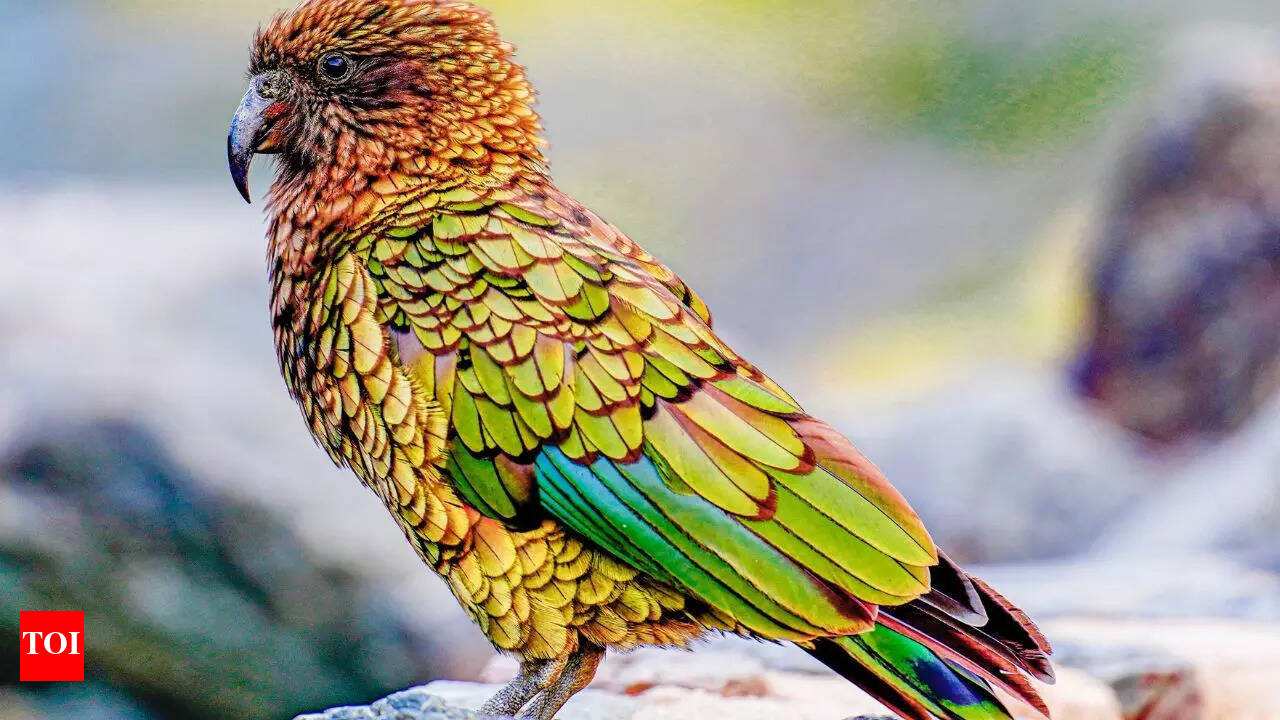
The Forest Doctor Bird has bright colors and a distinct shape. It is medium-sized with a greenish body and a red patch on its head.
- Green feathers that blend with the trees
- Red spot on the top of its head
- Sharp, curved beak for catching insects
- Long tail that helps it balance on branches
- Clear, loud calls that echo through the forest
Unique Healing Traits
This bird helps the forest by eating harmful insects. It also spreads seeds from medicinal plants.
| Healing Trait | Description |
| Insect Control | Eats bugs that damage trees and plants |
| Seed Spreading | Carries seeds of healing plants to new places |
| Alert Calls | Warns other animals of danger quickly |
| Medicinal Feathers | Used by some tribes for healing rituals |
Healing Behaviors In Birds
Some birds show special healing behaviors. They use nature to care for themselves and others. These actions help prevent disease and keep their bodies strong.
One bird is known as the doctor of the forest. It uses natural remedies and interacts with other animals to heal wounds and fight infections.
Natural Remedies In The Wild
The bird uses leaves and plants with healing properties. It applies these to wounds to stop infections and ease pain. This shows its deep knowledge of forest plants.
- Collects medicinal leaves and herbs
- Rubs plant sap on injured areas
- Chooses plants with antibacterial effects
- Uses mud combined with plant extracts to cover wounds
Interaction With Other Animals
This bird also helps other animals by cleaning their wounds. It removes parasites and dead skin. This mutual care builds trust among forest animals.
| Animal | Healing Behavior |
| Deer | Wound cleaning and parasite removal |
| Monkeys | Feather preening and skin care |
| Other birds | Sharing medicinal plants |
Cultural Significance
The bird known as the “Doctor of the Forest” holds a special place in many cultures. People respect this bird for its healing powers and wisdom.
This bird often appears in stories and traditions. It connects humans with nature and health.
Myths And Legends
Many myths say the Doctor of the Forest can heal sickness. Some stories tell how the bird taught humans to use plants for medicine.
In some legends, the bird is a guide for lost travelers. It shows the way to safety and good health.
- The bird’s call is said to cure pain.
- It appears in dreams to give healing advice.
- People believe it protects the forest and its creatures.
Role In Indigenous Medicine
Indigenous people see this bird as a healer. They watch its behavior to find plants with healing powers.
The bird’s presence often signals the right time to gather medicinal herbs. Its habits help guide traditional healers in their work.
- Healers use the bird’s calls to find rare plants.
- Its feathers are used in healing rituals.
- The bird inspires prayers for health and recovery.

Credit: abcbirds.org
Scientific Insights
The bird known as the “Doctor of the Forest” is the hornbill. This name comes from its role in forest health.
Scientists study how hornbills help keep ecosystems strong and balanced.
Research Studies
Research shows hornbills spread seeds from many tree species. They eat fruits and carry seeds far away.
- Hornbills help grow new trees by dropping seeds in different places.
- They prefer large fruits that many other animals avoid.
- Scientists track their movements to see seed dispersal patterns.
- This helps forests recover after damage from storms or logging.
Impact On Ecosystem Health
Hornbills play a key role in keeping forests healthy. Their seed spreading supports tree diversity.
| Benefit | Description |
| Seed Dispersal | Moves seeds to new locations for forest growth |
| Tree Diversity | Supports many types of trees in the forest |
| Forest Recovery | Helps damaged forests grow back faster |
| Food Web Support | Provides food for other animals and maintains balance |
Conservation Efforts
The bird known as the Doctor of the Forest plays a vital role in keeping the forest healthy. Protecting this bird helps the whole ecosystem.
Many groups work hard to save this special bird and its home. These efforts show how important the forest doctor is.
Protecting The Forest Doctor
Conservation actions focus on stopping habitat loss and reducing dangers to the bird. Forest areas are set aside as safe zones.
- Creating protected forest reserves
- Monitoring bird populations regularly
- Reducing the use of harmful chemicals nearby
- Restoring damaged forest areas
Community Involvement
Local people join efforts by learning about the bird and helping protect the forest. Education builds care and respect for nature.
| Activity | Purpose |
| Workshops for schools | Teach children about the bird |
| Community patrols | Watch for illegal logging |
| Tree planting events | Restore forest habitat |
| Bird watching tours | Raise awareness and funds |

Credit: www.dreamstime.com
Credit: timesofindia.indiatimes.com
Frequently Asked Questions
Which Bird Is Called The Doctor Of The Forest?
The hornbill is often called the doctor of the forest. It helps control pests by eating insects. This bird also spreads seeds, aiding forest regeneration. Its presence supports a healthy forest ecosystem, making it vital for forest health and balance.
Why Is The Hornbill Known As A Forest Doctor?
Hornbills control insect populations that can harm trees. They also disperse seeds, promoting forest growth. Their role helps maintain biodiversity. This dual function earns them the title “doctor of the forest. ” Their activities support a balanced and thriving forest environment.
How Do Hornbills Benefit Forest Ecosystems?
Hornbills consume harmful insects and pests. They disperse seeds from various fruits. This seed dispersal aids natural forest regeneration. Their feeding habits maintain plant diversity. Overall, hornbills contribute to forest health and sustainability.
What Makes Hornbills Unique Among Forest Birds?
Hornbills have large, curved bills ideal for eating fruit and insects. They nest in tree cavities, relying on forest habitat. Their seed dispersal is crucial for many tree species. Their unique ecology supports forest structure and function.
Conclusion
The woodpecker truly earns the title of the forest’s doctor. It plays a vital role in maintaining healthy ecosystems. By eating insects, it protects trees from harm. Its constant tapping signals life and activity in the woods. Many animals rely on the woodpecker’s abandoned nests for shelter.
This bird’s presence ensures a balanced and thriving forest. Understanding its importance helps us appreciate nature’s wonders. So, next time you hear a woodpecker, remember its crucial role. The forest’s health often depends on this incredible bird. Its diligent work benefits countless species around it.
Nature’s unsung hero, indeed.